Recently, the client of Beijing Daily published an article titled “Always ‘winning big’! How can the logic of traffic manipulate the public opinion field?” which is eye-catching.
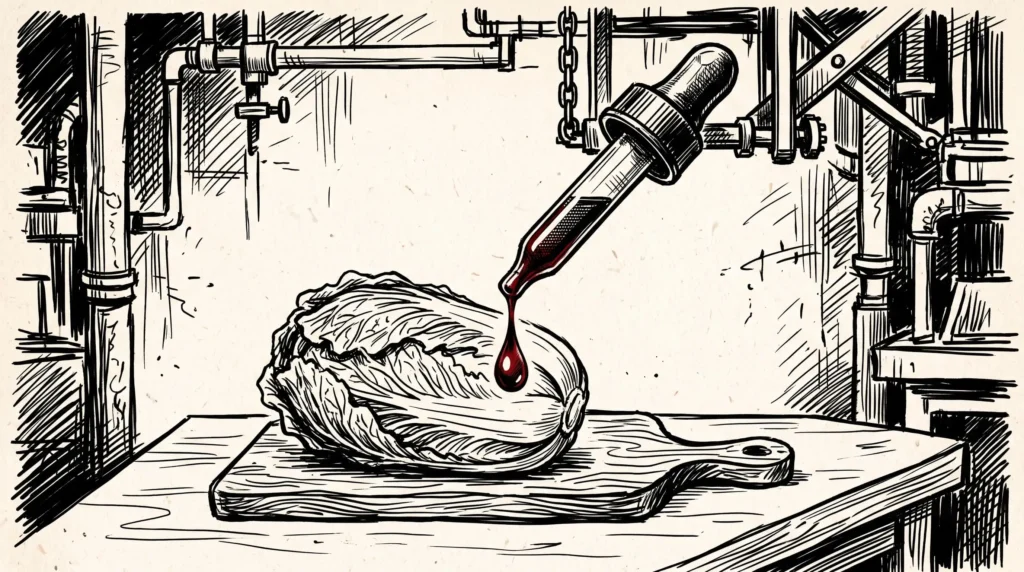
The article takes the recent India-Pakistan military conflict as a starting point, and launches a full-scale attack on the “winning big” rhetoric that has been rampant in the public opinion field, pointing out that “in today’s world, which is not peaceful, more and more people are paying more attention to military-related information. Some self-media have smelled the scent of traffic. In order to quickly grab eyeballs and hit the hot search, many accounts have fabricated ‘military cool articles’, fabricated military history facts, fabricated military rumors, and created the image of mastering ‘internal information’. From regional conflicts to great power games, from operational deployments to international situations, the more extreme the better, the more quantity the better, supplemented by AI-made videos, ‘winning big’ is a shout.” The article also points out that this “winning big” rhetoric is not limited to military news, but is prevalent in all fields, and its nature is rumor-mongering.
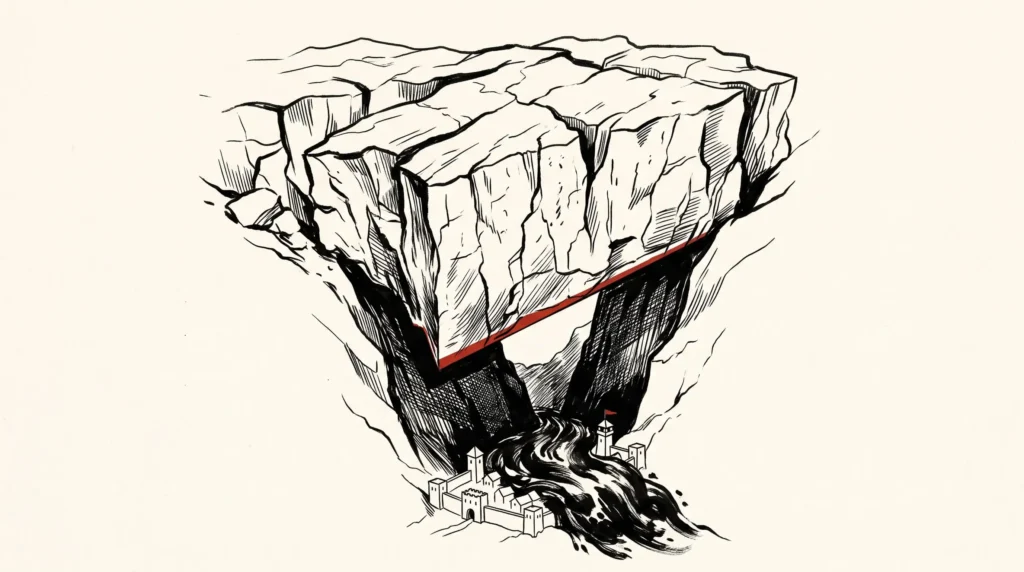
The “winning big” rhetoric has been rampant in the public opinion field for quite some time, but because it is covered with the amulet of positive energy, although it is so bizarre, absurd, and ridiculous, it has been rampant in the public space and dominates the screen. As an important mouthpiece media, the media under Beijing Daily published an article at this time to condemn the “winning big” rhetoric. Although it is a bit late, it is still worth praising.
Today’s Chinese public opinion field has indeed suffered from the “winning big” rhetoric for a long time.
The China-US trade war, we won big; the China-US technology competition, we won big; the China-US arms race, we won big; the China-Europe trade dispute, we won big. Even conflicts on the other side of the world that have nothing to do with China, China can also win big—the Russia-Ukraine conflict, we won big; the Israeli-Palestinian conflict, we won big; the India-Pakistan conflict, we won big… It is no exaggeration to say that such a naive and bizarre public opinion picture can hardly be found in the world, and its energy to lower the IQ of the Chinese people and damage China’s international image is immeasurable.
However, it must be pointed out in a matter-of-fact manner that as an official media, the client of Beijing Daily is indeed worthy of praise for condemning the bizarre “winning big” rhetoric, but it is negligent in revealing the reasons for the emergence and prevalence of the “winning big” rhetoric and its harms, and there are also areas of focus that are lost. If the attribution is inaccurate or even wrong, the corresponding countermeasures and suggestions for governing the “winning big” rhetoric, such as emphasizing the management responsibility of the platform, whether it can be a cure, is also doubtful.
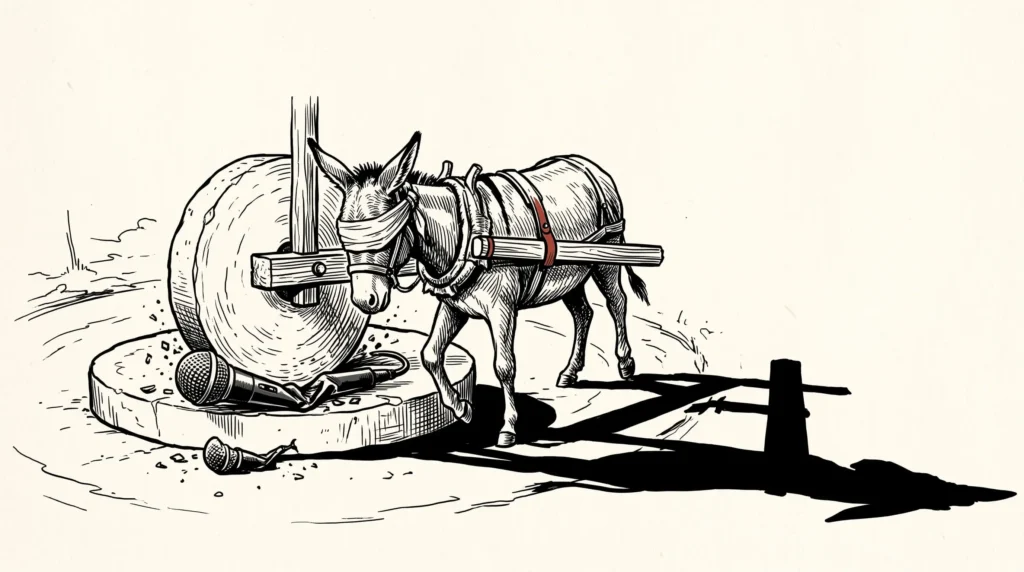
The ancients said: “The virtue of a gentleman is like the wind, and the virtue of a villain is like the grass”, which means that the mainstream group of society has a leading role in the social moral outlook. Regarding the “winning big” rhetoric, we must first see that it is not the first creation of the people, but is only the blood relative of “My country is awesome”, and is a variant and echo of the exaggerated and vain public opinion ecology in the people for a period of time. Only when the mainstream media, the “upper beam”, is professional and realistic, and the water flows deep and seeks the truth and reports the truth as the highest pursuit, can the “lower beam” of the public opinion be rational and healthy, and not be overly enthusiastic and prone to madness. Therefore, while governing the “winning big” rhetoric, it is also necessary to examine the mainstream media’s dereliction of duty—whether they have promoted and even exaggerated achievements too much, and have ignored problems and challenges too little? Have they focused too much on the problems and contradictions of others, and selectively ignored the achievements and advantages of others? All of this will create a vain national psychology, paralyze the will of reform, and provide a rich social soil for the prevalence of the “winning big” rhetoric.
Secondly, for major international news, mainstream official media should provide objective, accurate, and balanced information in a timely manner, which will not only help eliminate the space for the “winning big” rhetoric to take advantage of, but will also cultivate a rational, strong, and open-minded national character through high-quality information.
Thirdly, to eradicate the “winning big” rhetoric, the construction of national psychology is also a topic that cannot be ignored.
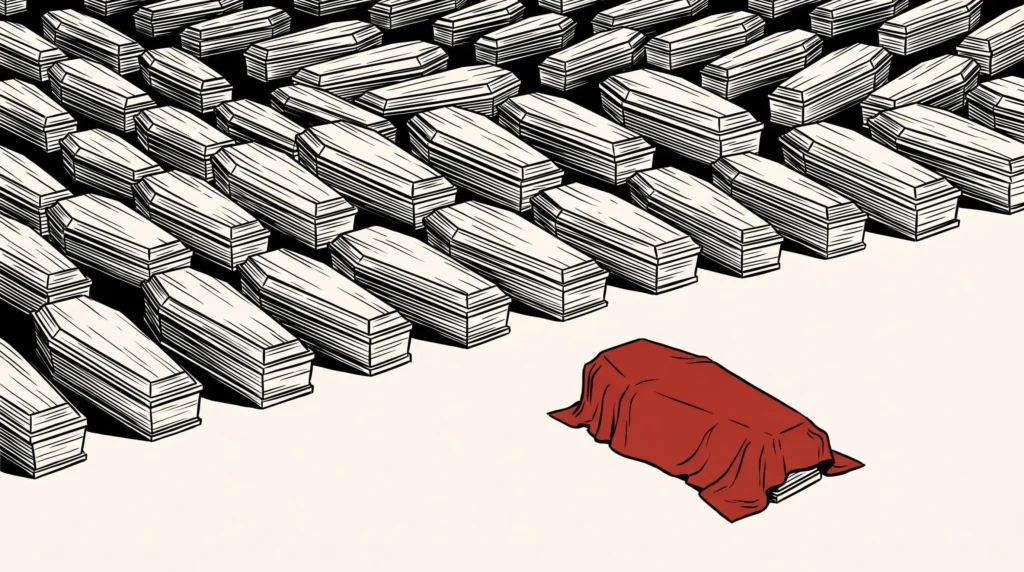
In recent years, a noteworthy phenomenon is that the Chinese government has always held high the banner of peaceful development, while the public opinion is filled with the desire to “win”, and even filled with an atmosphere of being brave and fighting and shouting and killing. To a large extent, the memory of past tragedies feeds the endless desire to “win”, and it is also the yeast that produces the “winning big” rhetoric. In fact, the great achievements of China’s reform and opening up, and the rich dividends brought by joining the international division of labor, are enough to heal the trauma that the history of humiliation has brought to the Chinese people, and support us to be moderate and strong in the world’s nations.
“It is easy to break the bandits in the mountains, but difficult to break the bandits in the heart.” The day when a strong, rational, open, and inclusive public opinion ecology is formed is the time when the “winning big” rhetoric truly comes to an end.
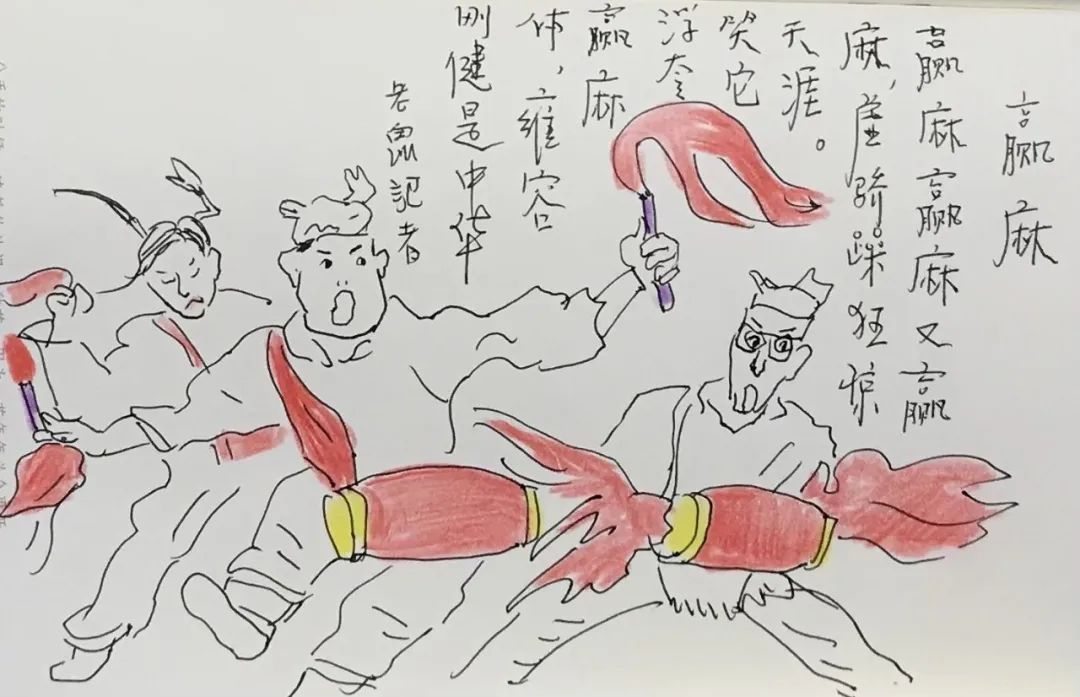
It is: “Winning big, winning big, and winning big again, vain and frantic, shocking the world. Laugh at its exaggeration of the winning big rhetoric, and be graceful and strong is China.”
赢麻赢麻又赢麻,虚骄躁狂惊天涯。
笑它浮夸赢麻体,雍容刚健是中华。
Discover more from 自由档案馆
Subscribe to get the latest posts sent to your email.