The results of the tenth batch of national procurement are publicized, and the price reduction range far exceeds my cognitive scope.
It is no longer slapping my predictions in the face, but completely transforming me and making me a new person.
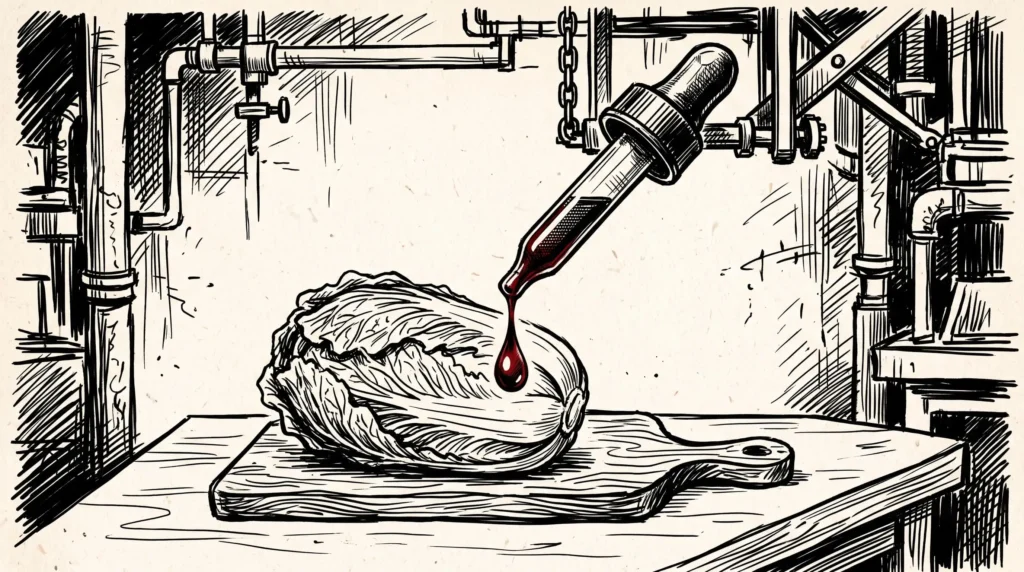
For the most competitive phloroglucinol injection, I predicted it would be 0.6 yuan. The direct cost of borosilicate glass vials + rubber stoppers + labels + small packaging + large packaging + raw and auxiliary packaging would be 0.2-0.3 yuan, plus the cost of the factory, equipment, water and electricity, and R&D allocation. Even if it is selected for 0.6 yuan, it is difficult to squeeze out enough profit.
As a result, 9 companies were selected, with the highest price being only 0.58 yuan and the lowest price being only 0.22 yuan. Are they selling medicine or selling packaging?
For 10ml potassium chloride small water needles, I predicted 0.5 yuan. As a result, the lowest price was only 0.16 yuan, and the highest winning bid was only 0.28 yuan.
For 500ml bottles of sodium lactate Ringer’s injection, the lowest price is only 1.63 yuan, which is not as cheap as the cheapest mineral water.
For aspirin enteric-coated tablets, which have the largest volume of reports, the original research price was not high before the centralized procurement, 0.5 yuan per tablet, and 0.3 yuan for domestic products.
I optimistically estimated that in this centralized procurement, domestic products would plummet, with 0.08 yuan per tablet, and each company could still retain some profit and recover its R&D investment.
But in the end, everyone still went crazy, with the lowest winning bid being only 0.03 yuan, and a pack of 60 tablets only costing 2 yuan. The monthly cost is only 1 yuan, and it can be done for 12 yuan a year, which is less than the cost of a cup of milk tea.
For the complex injection doxorubicin hydrochloride liposome injection, the original price was more than 3800 yuan, and the price limit was more than 800 yuan.
I predicted at the time that for non-medical insurance products, the formulation was difficult, and the R&D cost was not low. Giving a price of 200 yuan was already very bold. As a result, Shiyao quoted 98 yuan, which was not as good as a bottle of 20ml safflower injection.
For digoxin, with a reported volume of only 200,000 injections, I was very generous and gave it 10 yuan, and there would still be 2 million yuan in sales for the whole year after being selected.
As a result, the lowest bid from the company was only 1.55 yuan, and the highest was 1.76 yuan. Calculated, there was only 300,000 yuan nationwide, and each company received 100,000 yuan, which was not enough to pay the registration fee for the generic drug listing application to the CDE.
I admire the courage of the winning companies and also pay tribute to the ambition of the companies that voluntarily gave up.
This time, all the original research companies gave up.
There are also multiple companies that strategically gave up, and even did not want the revived quota.
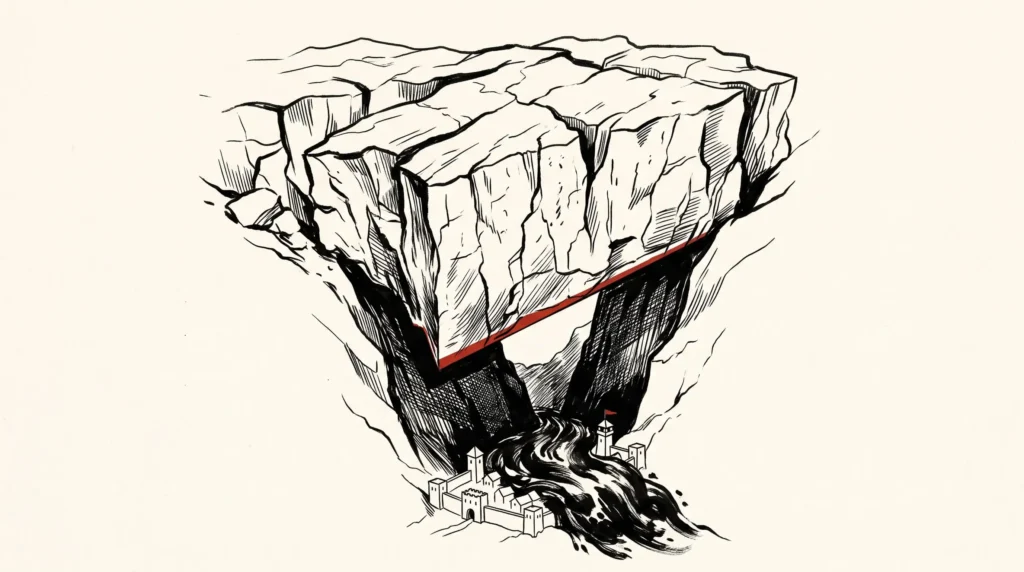
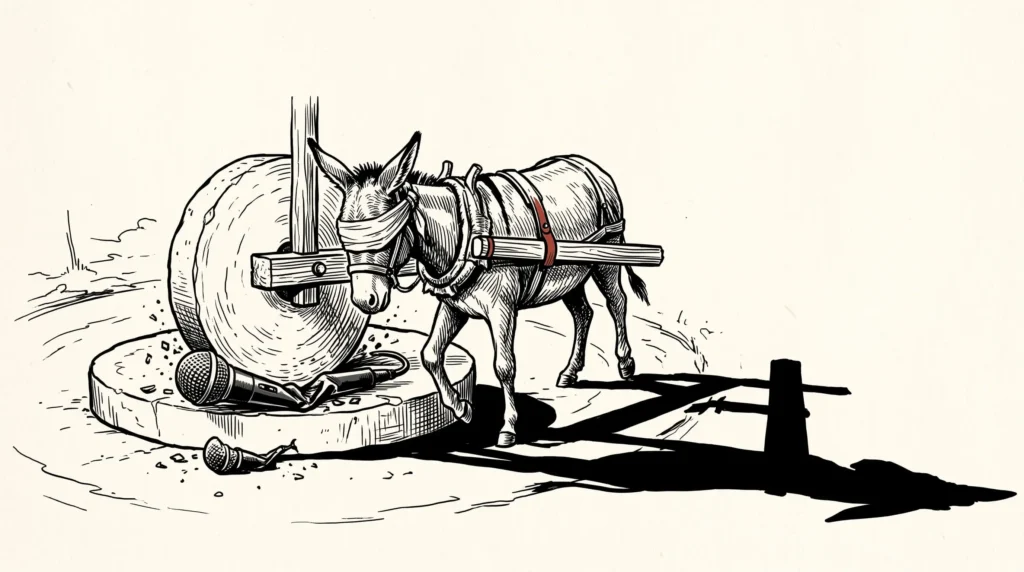
National procurement is no longer a rational game, but a slaughter.
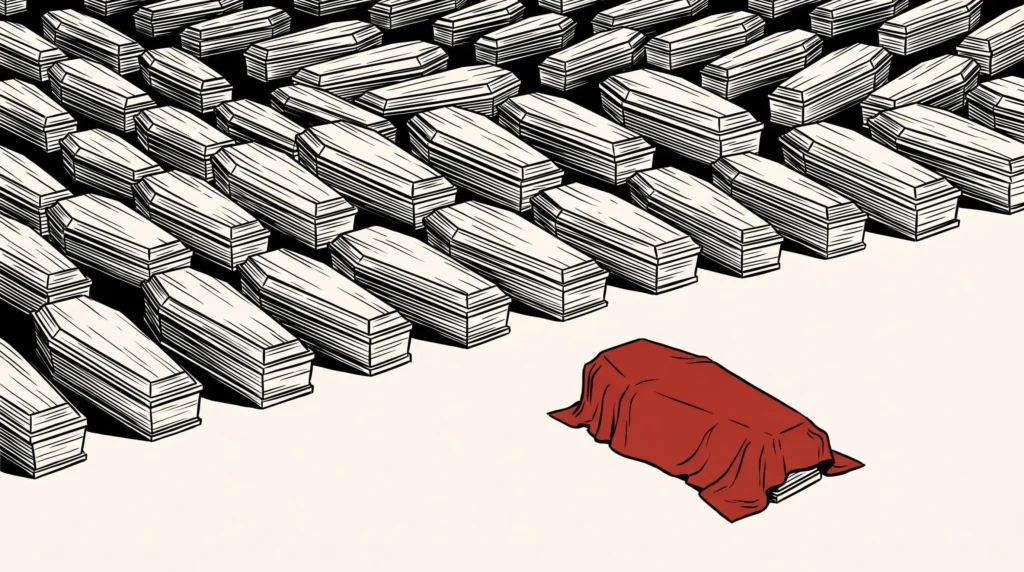
It is a brutal arena where you die and I live. The losers die quickly, and the survivors are covered in scars.
Only the rule makers sitting in the stands are complacent, enjoying the pleasure brought by watching the cruel killing, and claiming to have achieved a great victory and served the people.
Ask yourself, does anyone really think this is a victory?
Without profit, will there still be capital, entrepreneurs, and people willing to produce generic drugs?
For generic drugs that are the most compliant and have passed the consistency evaluation according to the highest standards, they only get such a humble and low price. Will anyone seriously make high-quality drugs?
Are we unable to afford 0.5 yuan per batch of aspirin? Or are we not worthy?
I calculated that based on the final winning bid prices of each company and the base of the agreed procurement volume in the first year, the total amount of all varieties in this centralized procurement is only about 2.5 billion yuan.
Where did the money saved go?
Oh, it turns out it was given to someone for 3 billion a year; it was given to someone for 8 billion a year.
Discover more from 自由档案馆
Subscribe to get the latest posts sent to your email.