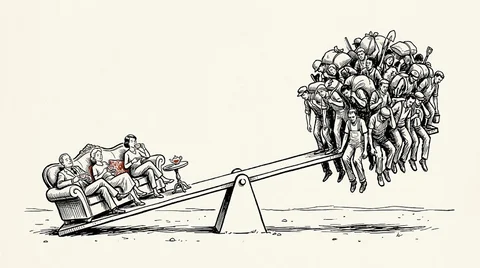


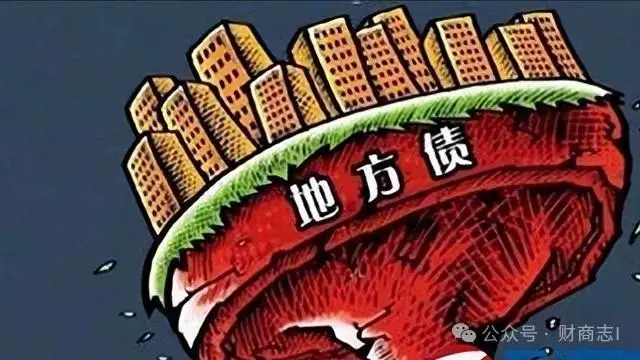
As the world's second-largest economy, China faces a huge local government debt problem. The debt of these local governments has reached 90 trillion yuan, putting unprecedented pressure on China's economy. This article will delve into this issue and explore whether selling the equity of state-owned enterprises is a viable solution to address the fiscal urgency.
Local Government Debt: A Hidden Worry for China's Economy
Although China has emerged in the global economy, the huge local government debt problem has become a hidden danger that cannot be ignored. According to statistics, the total debt of local governments has reached 90 trillion yuan, a figure that worries both economic experts and ordinary people. These debts not only require the payment of a large amount of principal and interest, but also have a negative impact on public construction and social security in other areas.
The Land Sale Dilemma: A New Challenge for China's Economy
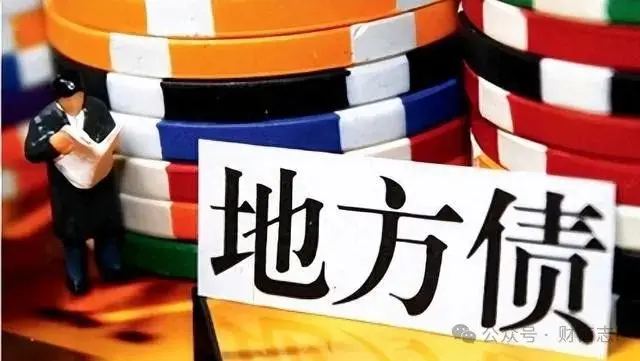
One way to solve the local government debt problem is to sell land to make up for the fiscal deficit. In the past, land sales were a major lifeline for China's fiscal economy, bringing considerable revenue. However, the current Chinese land market is turbulent, and many land values have depreciated, and prices are no longer what they used to be. Predicting land price trends has also become difficult, making it difficult to sell many valuable lands, which brings new difficulties for the government to repay its debts.
Given the uncertainty of land sales, some people have proposed that the equity of state-owned enterprises can be sold to solve the urgent problem of local government debt. This move can quickly raise a large amount of funds to fill the fiscal deficit, which seems to be a viable solution. However, this proposal has sparked widespread controversy.

The Importance of State-Owned Enterprises: The Main Force Supporting China's Economy
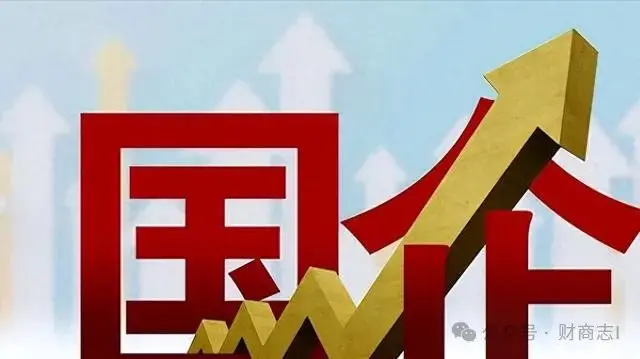
State-owned enterprises are the pillar of China's economy, with rich assets and are one of the important sources of the national economy. According to statistics, the total assets of China's state-owned enterprises are about 300 trillion yuan. Selling the equity of state-owned enterprises may pose a crisis to the stability of these key industries.
International Competition and Exports: The Role of State-Owned Enterprises
State-owned enterprises are not only supporters of domestic industries, but also play a key role in international competition. After China joined the World Trade Organization, international well-known multinational companies had a huge impact on China's economy, and state-owned enterprises played an important role in resisting this impact. In addition, state-owned enterprises are still the main force of China's export earnings. If state-owned enterprises are affected, it will seriously hit China's imports and exports and have a negative impact on economic development.
China's local government debt has become a major hidden worry for the national economy and needs to be resolved as soon as possible. However, relying on the revenue from land sales is uncertain, so selling the equity of state-owned enterprises may be a way to quickly raise funds. However, this approach is also accompanied by a series of risks and challenges.
State-Owned Enterprise Reform: Part of the Solution
State-owned enterprise reform is part of the solution to the local government debt problem, but it should not be ignored that this is not a task that can be accomplished overnight. The reform needs to comprehensively consider multiple factors, and the government needs to formulate targeted policies to deal with the difficulties in the reform and ensure its effectiveness.
State-owned enterprises can operate more efficiently through market-oriented reforms to maximize their value. This will not only help improve the overall economic level, but also increase economic efficiency and competitiveness.

Seeking Balance: Sustainable Development of China's Economy
Overall, China's local government debt problem needs to carefully weigh the pros and cons and find a comprehensive solution. The importance of state-owned enterprises cannot be ignored, so while solving the debt problem, it is necessary to cautiously promote the reform of state-owned enterprises to ensure the sustainable development of China's economy. This is a complex and critical challenge that requires the joint efforts of the government and society to contribute to the future of China's economy.