

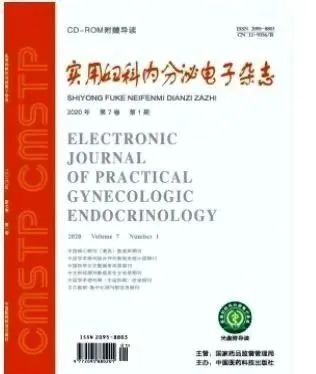
The magazine, which claims to be "the only professional journal of gynecological endocrinology in China," has made subversive errors in its core areas, seriously damaging its professional authority.
1
After the news of nurse Huo Wenjing's paper fabrication was exposed, Qilu Hospital of Shandong University quickly made a decision:
On the morning of May 5, our hospital noticed the relevant paper information reported by netizens and launched an investigation immediately. After verification, the online paper has academic misconduct issues. Our hospital has given nurse Huo a record of demerit, demotion, and cancellation of her qualifications for various promotions and promotions within five years in accordance with regulations and discipline.
This paper, titled "Clinical Application Effect of Targeted Nursing Intervention on Emotions and Quality of Life in Perioperative Period of Uterine Fibroids," was fabricated in a very clumsy way because it created 55 "male patients with uterine fibroids". Huo Wenjing said, "80 cases of patients with uterine fibroids were selected, with 27 males and 13 females in the control group, and 28 males and 12 females in the observation group."
Qilu Hospital is very well-known and is a comprehensive tertiary-A hospital directly managed by the National Health Commission (NHC). The hospital was founded in 1890 and is located in Lixia District, Jinan City. It is one of the earliest modern hospitals in China.
"North Xiehe, South Xiangya, East Qilu, West Huaxi," there was a famous saying of the four major medical centers in China's medical field in the last century.
If Huo Wenjing is the director of a key department of Qilu Hospital, then this scandal is big. But she is just a nurse, so a friend expressed in the social circle: The focus of this event should be on the national authoritative journal - "Practical Gynecological Endocrinology" electronic magazine, which is under the supervision of the State Drug Administration, hosted by the China Medical Science and Technology Press, and edited by Xiehe academicians.
But it seems that no media has interviewed them yet.
2
Let's see who edits this magazine.
The main columns of this magazine include:
Original research papers.
Reviews: Systematically summarizing the research progress in a certain field.
Clinical research: Exploring clinical practice and research in the field of gynecological endocrinology.
Diagnostic technology: Introducing new diagnostic technologies and methods.
Clinical nursing: Sharing nursing experience of patients with gynecological endocrinology.
Medical perspective: Covering a wide range of topics in the field of gynecological endocrinology.
The editorial team is as follows:
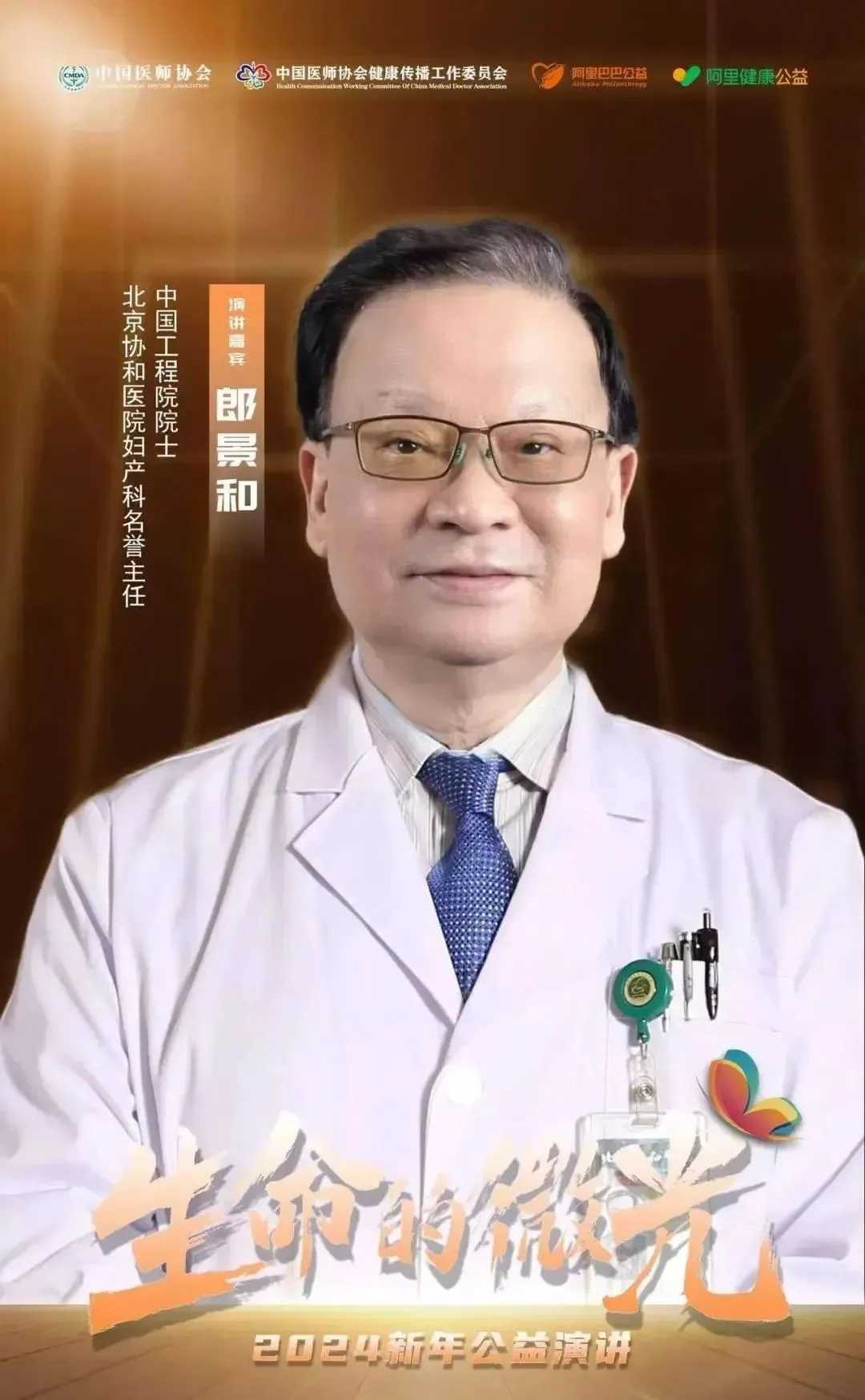
It is edited by Lang Jinghe, an academician of the Chinese Academy of Engineering from Peking Union Medical College Hospital, and Sun Aijun, the executive editor. It is jointly hosted by the Gynecological Endocrinology Center of Peking Union Medical College Hospital. Famous experts and professors in the field of obstetrics and gynecology serve as deputy editors-in-chief, standing editors, and editors.
Academician Lang Jinghe is very famous and was the director of the Department of Obstetrics and Gynecology of Peking Union Medical College Hospital. He is an academician of the Chinese Academy of Engineering, which many people know.
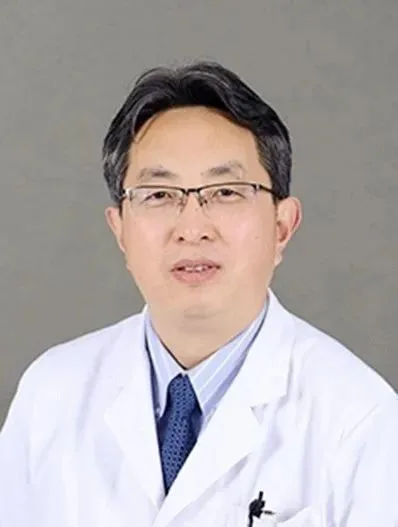
Sun Aijun needs to be introduced in detail. He is the director of the Gynecological Endocrinology and Reproduction Center of Peking Union Medical College Hospital. He has successively served as the person in charge of the key research projects of the "National 15th, 11th Five-Year Plan, and 12th Five-Year Plan Support Plan" and the National Natural Science Foundation General Project and the Capital Health Development Research Special Project.
The content of this journal is dominated by Peking Union Medical College Hospital, and there is basically no objection... The Xiehe system in the year of Jia Chen (2025) is really unfavorable!
How did this fake paper come out? This is a huge mystery. Does "Practical Gynecological Endocrinology" not review the manuscripts?
The paper was published in 2017 but was not revealed to the public until 2025, reflecting the journal's lack of effective paper tracking and error correction mechanisms.
More ironically, the magazine claims to be "the only professional journal of gynecological endocrinology in China," but has made subversive errors in its core areas, seriously damaging its professional authority.
Is it because they pay to publish, so they don't need to review?
We know that many hospital staff are now involved in writing papers on behalf of others. Zhou Haiyun of the Ninth People's Hospital of Suzhou City, Jiangsu Province, once participated as an author and contacted a third-party agency to write a research paper on gastric cancer. After the incident in 2021, he was given disciplinary warnings, demotion, and transfer from his original unit.
From simple gender logic errors to complex experimental data tampering, the formalization of peer review is exposed.
You know, for a nurse like Huo Wenjing, it's not possible to publish in a national academic journal just by paying money.
So, Lang Jinghe and Sun Aijun - two big names from the Xiehe system, shouldn't you take the initiative to explain the situation?
In addition, I would like to say a question that many people are confused about: a nurse, why should she publish in a national authoritative journal? A friend of mine complained:
The problem is why nurses have to write papers?
Similarly, why do primary and secondary school teachers have to write papers?
What's the point?