

In the political arena of the United States, Trump's political comeback has sparked global attention, especially the Chinese government's rapid congratulatory message after Trump's return to power, which has triggered speculation and discussion.
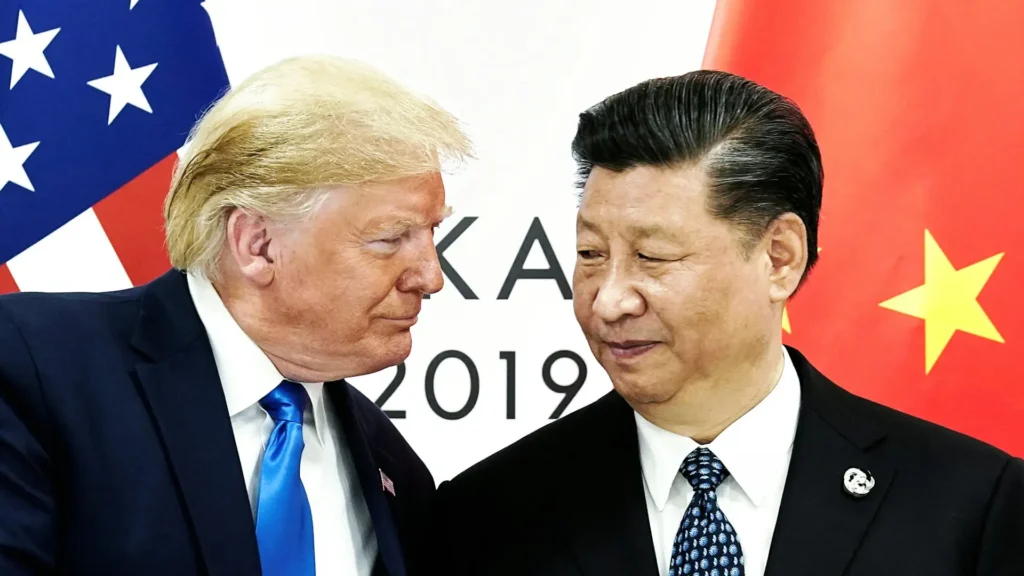
Why is China so active in this event? Reviewing the Sino-US relations during Trump's first term as US president and exploring China's possible goals in handling Sino-US relations in the future can help us understand the reasons behind this.
I. China's positive response: strategic intentions and diplomatic considerations
Xi Jinping's rapid congratulatory message after Trump took office may reflect several important strategic intentions:
1. Maintaining stability and dialogue channels between major powers: In international relations, China has always emphasized maintaining communication and cooperation between major powers. After Trump took office, Sino-US relations may face challenges, but by quickly expressing congratulations, the Chinese government showed its willingness to maintain dialogue and cooperation to ensure smooth communication channels between the two countries on key issues.
2. Responding to complex international situations: Trump, as a non-traditional politician, usually has unpredictable foreign policies. This uncertainty may, to some extent, give China's diplomacy more room to play. Therefore, China hopes to take the initiative in future Sino-US relations by actively expressing goodwill and making early arrangements for future negotiations.
II. Review of Sino-US relations during Trump's presidency
3. Human rights and diplomatic pressure: During the Trump administration, the United States severely criticized China's human rights issues, especially on the human rights situation in Xinjiang, the situation in Hong Kong, and issues related to religious freedom. These issues have become one of the focal points of contention in Sino-US relations, leading the United States to impose multiple sanctions on China and triggering widespread discussion in the international community. The Chinese government regards this interference as a challenge to its internal affairs, thereby exacerbating the tension between the two sides. Sino-US relations experienced multiple twists and turns during Trump's presidency from 2017 to 2021.
4. Trade war and economic confrontation: The "America First" policy implemented by Trump after taking office directly triggered the Sino-US trade war. This trade war has had a profound impact on the economies of both countries, and measures such as tariff barriers and restrictions on technology exports have intensified competition between the two countries in the economic and technological fields.
5. Political and military games: During Trump's administration, the United States strengthened its military containment of China, such as its tough stance on the South China Sea issue and the increase in arms sales to Taiwan. These actions have made Sino-US relations more tense, and the games between the two sides in the Asia-Pacific region have become increasingly fierce.
6. Cooperation and contradiction coexist: Despite many confrontations, the Trump administration also tried to cooperate with China in some areas, such as multilateral negotiations on the Korean Peninsula issue and cooperation on climate change in international affairs. However, on the whole, Sino-US relations during the Trump era were characterized by competition and confrontation.
III. China's strategic goals for the future
Looking ahead, China's goals in handling Sino-US relations are not limited to economics and trade, but also include safeguarding its national sovereignty and global influence. Here are some possible strategic directions:
Balance of economic cooperation and competition: China plays an important role in the global economy and hopes to maintain cooperation with the United States in the future to promote global economic recovery, while maintaining competitiveness in key areas such as technological innovation and green energy.
Expand international discourse power: China hopes to increase its international influence through international platforms and regional cooperation organizations to balance the dominant position of the United States in global affairs. By strengthening cooperation with countries along the "Belt and Road" initiative, China strives to play a greater role on the international stage.
Safeguarding national security and sovereignty: Faced with pressure from the United States in military and diplomacy, China will take a more firm stance on the issue of sovereignty, especially on issues involving core interests such as the South China Sea and Taiwan.
China's positive response to Trump's return to power reflects not only its understanding of the complexity of Sino-US relations, but also its far-reaching consideration of the future global political landscape. By showing goodwill in the early stages of Trump's term, China hopes to gain more initiative in the upcoming international political and economic games to achieve its long-term strategic goals.
As Sino-US relations evolve, the next few years will be an important stage for reshaping the global order, and how China balances its relationship with the United States will directly affect its role and status in the international community.