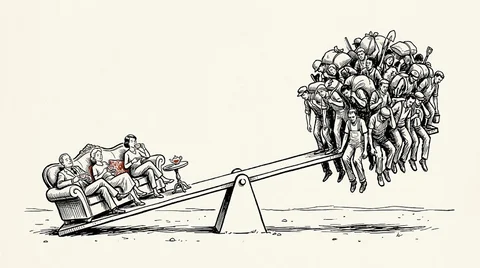


Also in Shanghai, also doctors, I have to say, the gap between people is really too big.
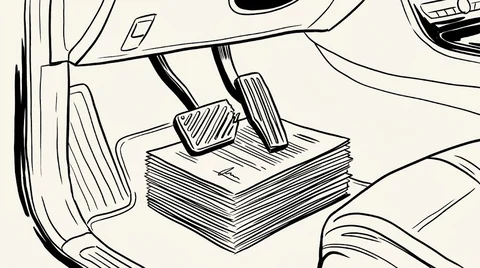
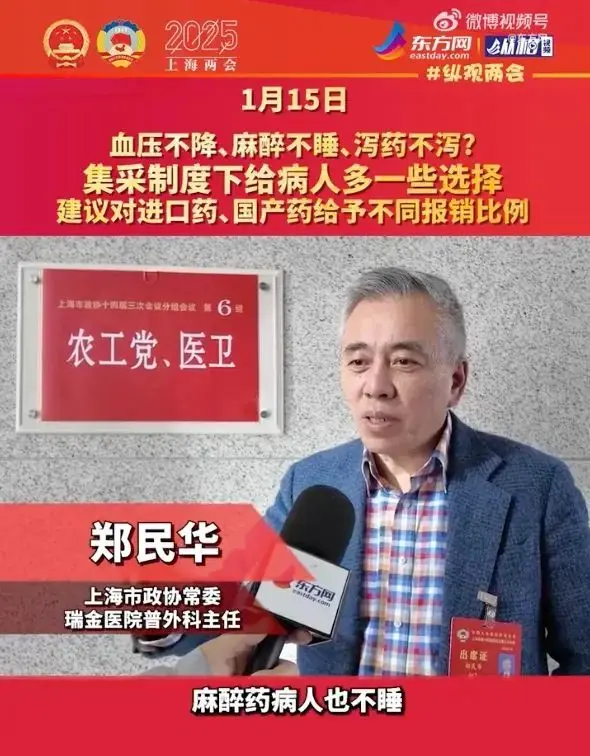
On the one hand, Zheng Minhua, director of the Department of General Surgery at Shanghai Ruijin Hospital, as a member of the CPPCC, proposed a proposal reflecting some unstable phenomena in the efficacy of collected drugs found in clinical practice, especially the situation where certain anesthetics did not achieve the expected effect during surgery, which worried both doctors and patients.
His proposed solution is to give patients more choices in addition to the collected drugs, and different reimbursement ratios can be set for non-collected drugs, rather than completely excluding them from the hospital.
On the other hand, Professor Zhou Jia, president of Shanghai University of Traditional Chinese Medicine Affiliated Yueyang Integrated Traditional Chinese and Western Medicine Hospital, is also racking his brains over the problem of surgical anesthesia for patients. His proposed solution is to draw on the "experience" accumulated during the "Cultural Revolution":
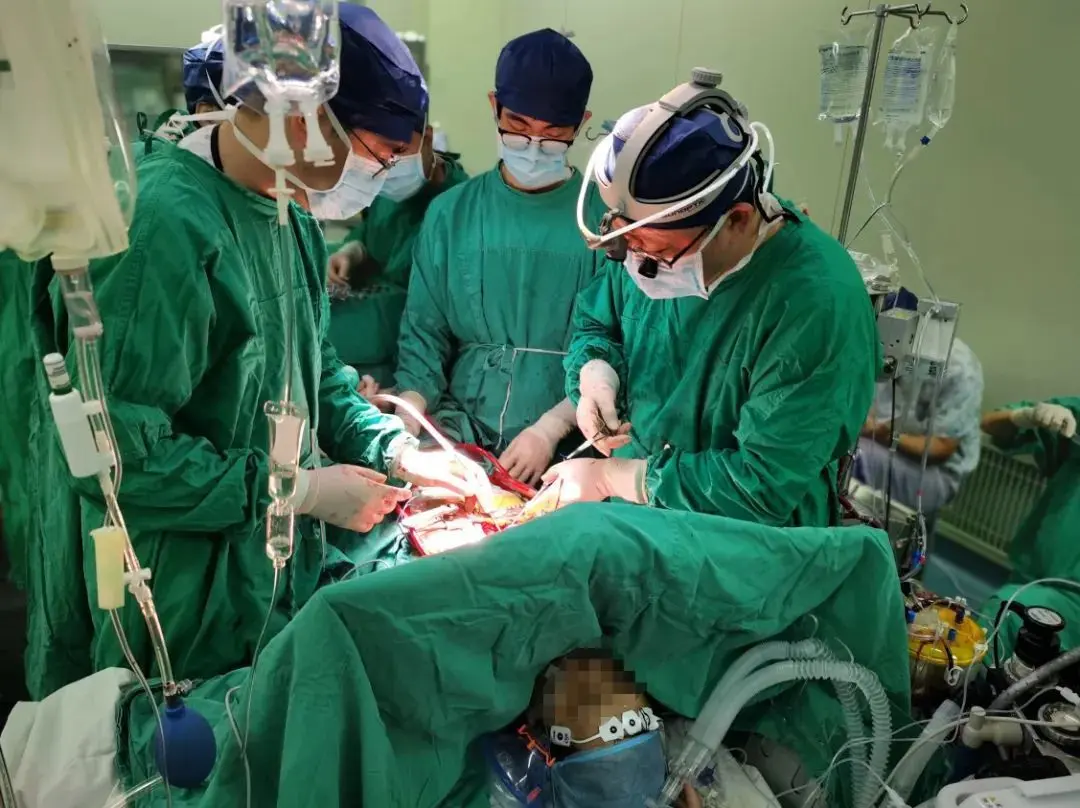
Use acupuncture anesthesia to perform surgery on patients, including open-chest surgery involving the heart and lungs.
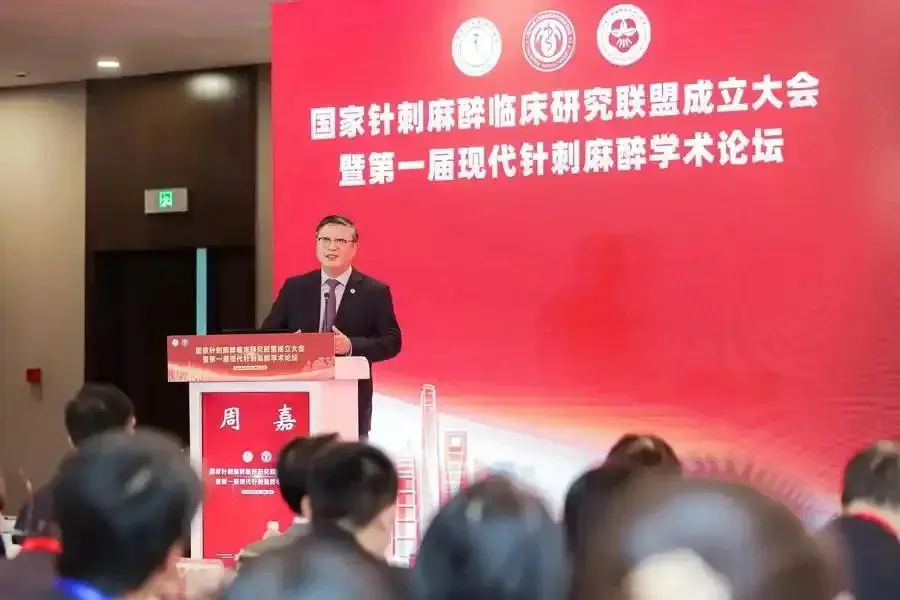
Recently, Professor Zhou Jia also led the establishment of the National Acupuncture Anesthesia Clinical Research Alliance and held the first Modern Acupuncture Anesthesia Academic Forum.
Some readers may ask: Isn't acupuncture anesthesia technology promoted as a traditional Chinese medicine therapy? According to the book "Huan Zhu Ge Ge", as early as the Qianlong period of the Qing Dynasty, the imperial physician Rong Mama was proficient in acupuncture anesthesia technology. Why is the first acupuncture anesthesia academic forum only held now?
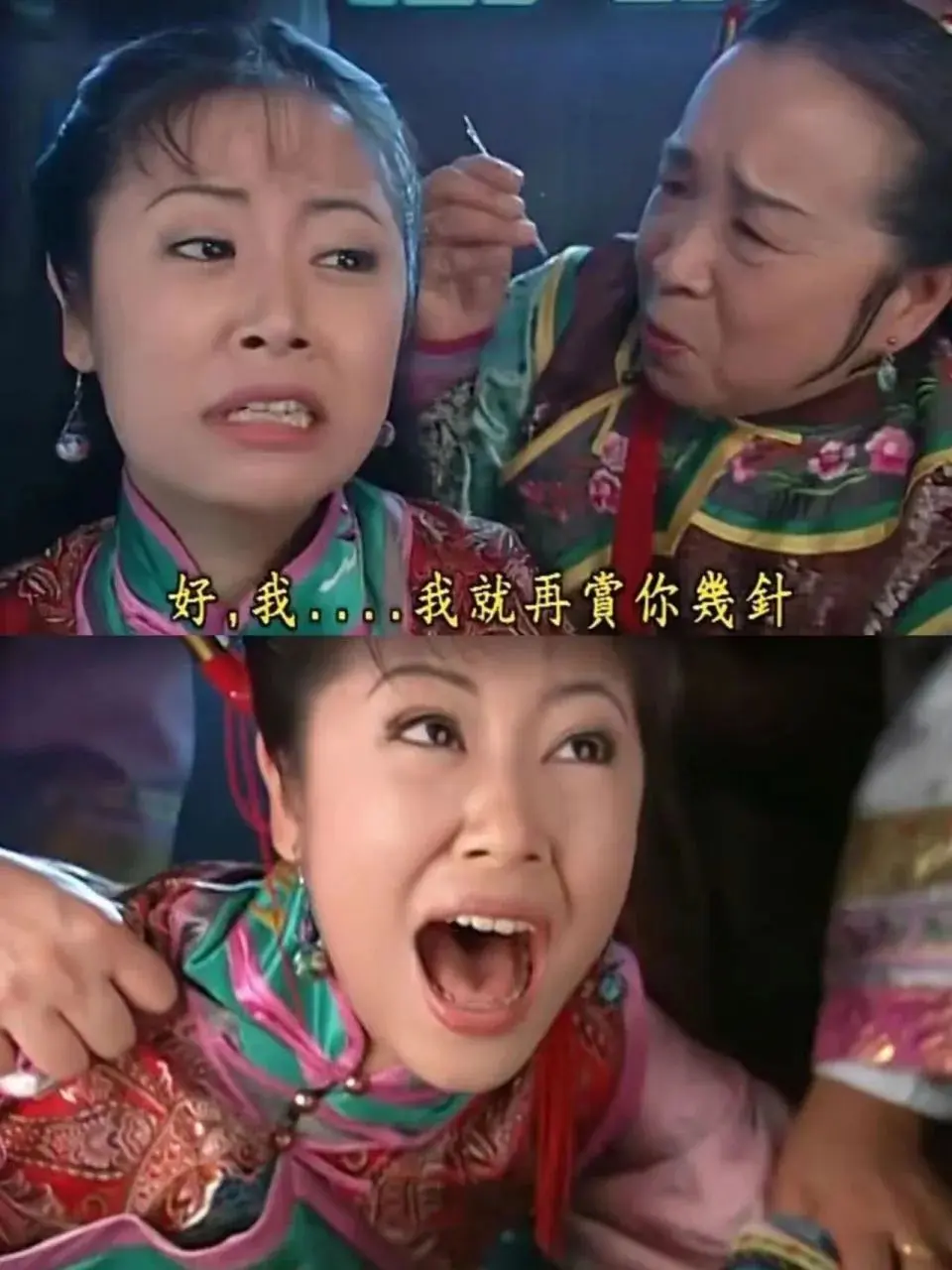
In fact, the statement that Rong Mama first used acupuncture anesthesia technology is just a novelist's creation. The truly credible origin was invented in 1958 at the First People's Hospital of Shanghai.
Yes, acupuncture anesthesia is not the wisdom of the ancestors, nor is it recorded in any medical classics, but a crude method "invented" in the difficult period of the last century when medicine and medicine were scarce.
Liu Jinglin, a retired doctor from Beijing Zhongguancun Hospital, recalled the situation of promoting and applying acupuncture anesthesia when interviewed:
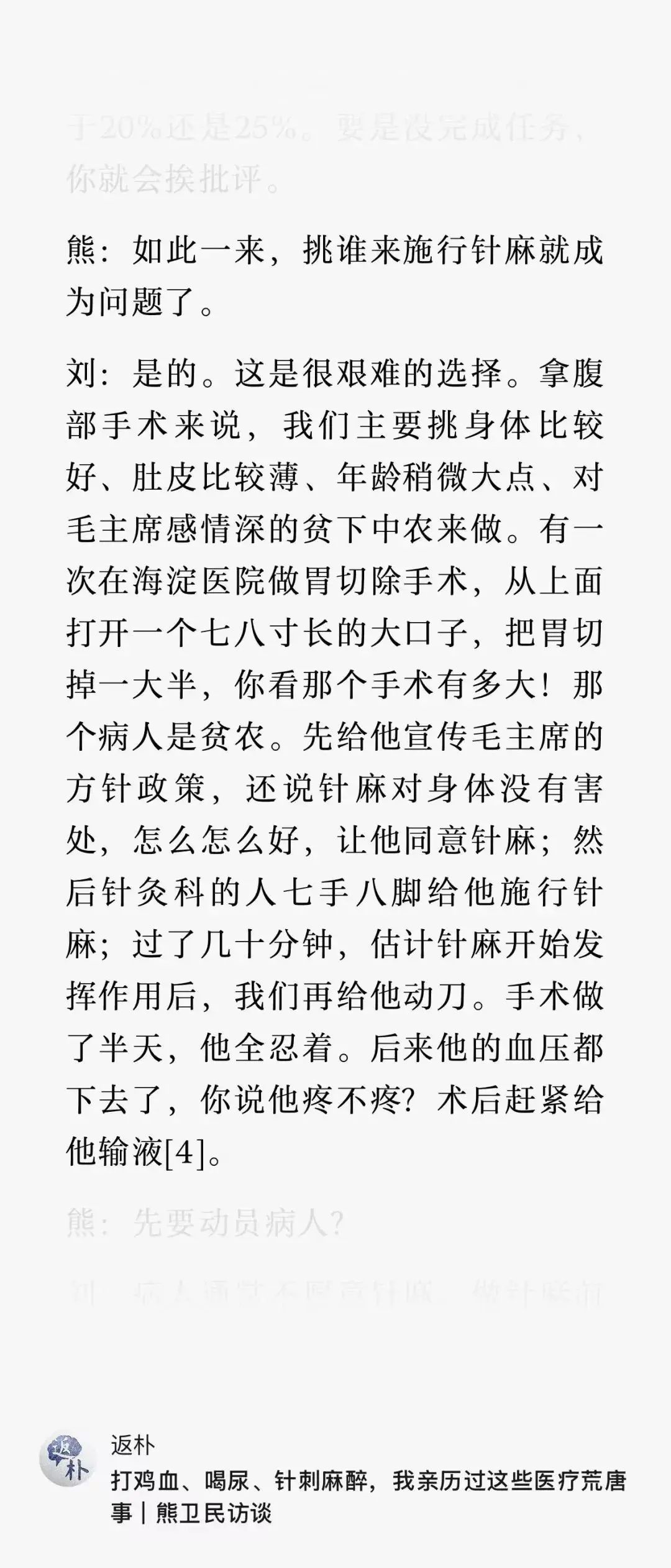
After being promoted and applied for a period of time during the "Cultural Revolution", acupuncture anesthesia technology disappeared. Now, only Shanghai University of Traditional Chinese Medicine Affiliated Yueyang Integrated Traditional Chinese and Western Medicine Hospital is routinely using and mainly promoting acupuncture anesthesia in China. Therefore, Professor Zhou Jia naturally became the leading figure, and it was natural for him to initiate the acupuncture anesthesia research alliance.
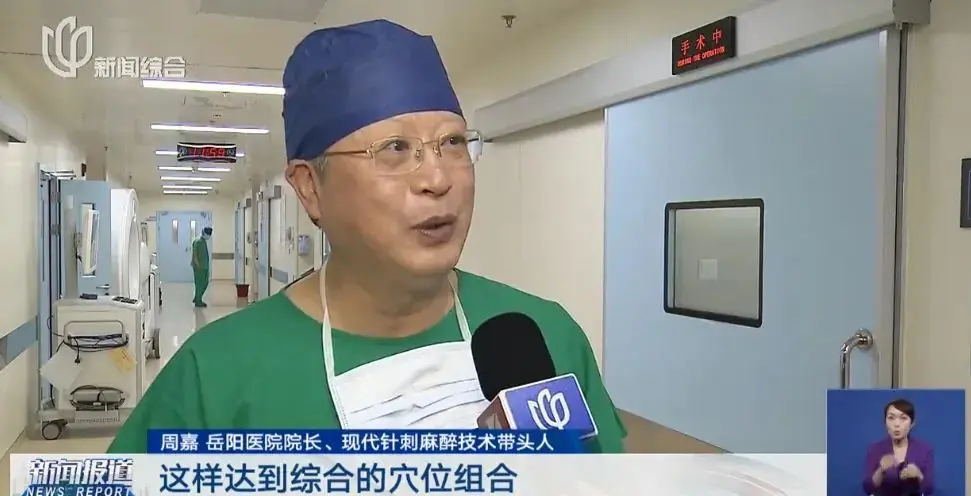
From a principle perspective, acupuncture anesthesia does have some truth to it, but it is different from the "hedgehog" form of traditional Chinese medicine acupuncture that people imagine. It needs to be electrified.
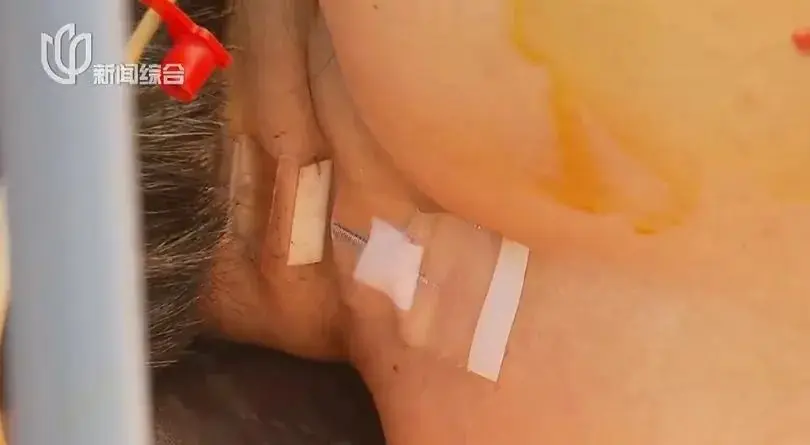
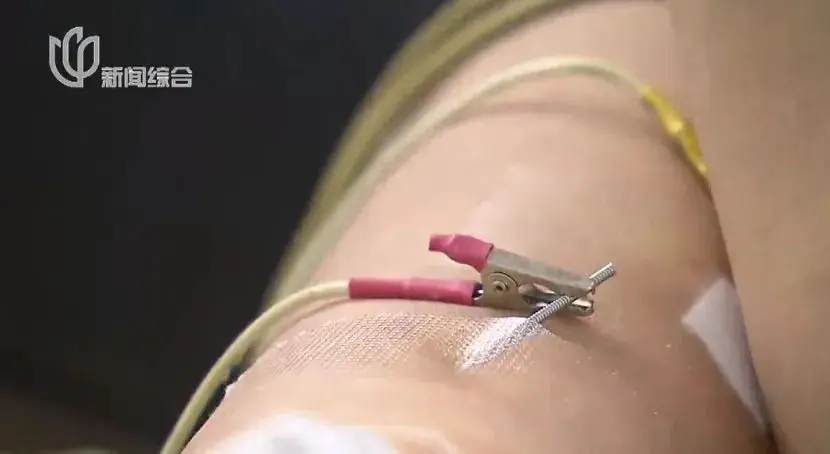
Yueyang Hospital carries out clinical practice of acupuncture anesthesia
If you really show the pictures, everyone should be able to see a little bit of the trick. It is better to say that this is electrode anesthesia than acupuncture anesthesia. No wonder the ancestors did not invent it thousands of years ago. Without electricity, even Hua Tuo reincarnated and Bian Que was reborn, and he could not come up with this set of "acupuncture anesthesia".
As we all know, the human nervous system transmits nerve impulses through changes in bioelectrical potential, so that the brain can feel the pain of the body. By applying artificial electrical stimulation to the nervous system, it is of course possible to affect the human perception of pain.
The key is, is the analgesic effect of electrical signal stimulation such as acupuncture anesthesia ideal? Is it stable? Is it reproducible?
Judging from the application results of acupuncture anesthesia during the "Cultural Revolution", overall, using acupuncture anesthesia to perform surgery, the analgesic effect is not ideal, the analgesic effect during surgery is not stable, and the analgesic effect varies significantly among different patients. In short, it is not very useful, so it was eliminated by history.
So, is Professor Zhou Jia, who is now picking up this set of scrap metal and re-promoting it, deceiving people? It depends on which angle you evaluate it from.
From the result alone, Professor Zhou Jia's team did use acupuncture anesthesia technology in the surgery, and they did successfully complete many major surgeries, which is beyond doubt. The "participation rate" of acupuncture anesthesia in the team's surgery can be said to be quite high. If necessary, it is not impossible to increase the "screen rate" to 100%.
But if you look closely at the details of the process, you can find some interesting things, some very familiar routines.
It turns out that the so-called acupuncture anesthesia surgery does not rely entirely on acupuncture and electrode stimulation to relieve pain. Chemical anesthetics will still be used during the surgery, including local anesthesia and intravenous anesthesia.
The needles are also inserted, and the anesthesia is also administered. Then, who do you say is the main force and who is the auxiliary in acupuncture anesthesia and chemical anesthesia?
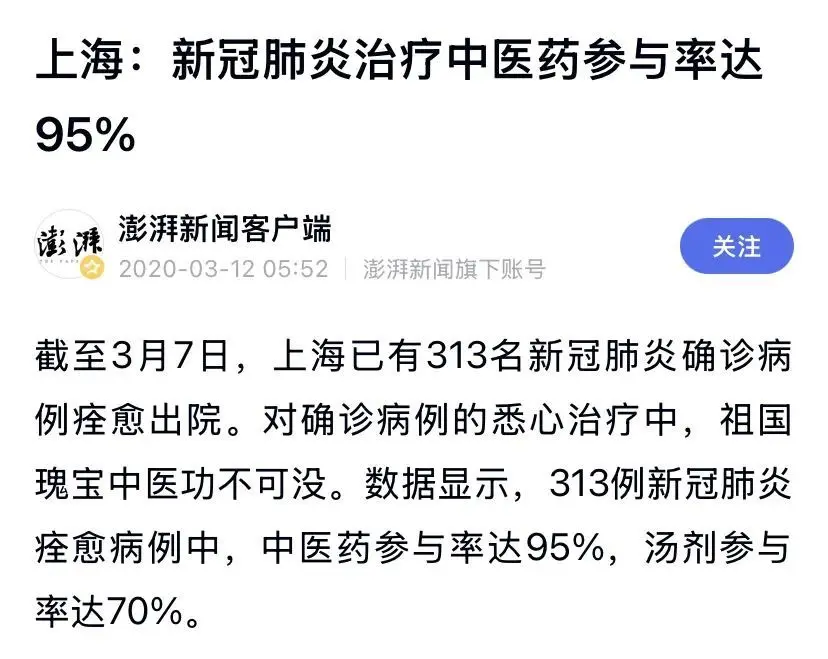
In my opinion, the integrated traditional Chinese and Western medicine hospital led by Professor Zhou Jia is still very ethical:
Although they are holding high the banner of acupuncture anesthesia and saying that they want to replace chemical anesthesia and promote it to the world, when it comes to major surgery, they do not hesitate at all when it is time to administer anesthesia, and they do not look down on the "Western medicine" skills.
The disease is also treated, the money is also collected, and the name of the "leading big brother" of acupuncture anesthesia is also there, which is simply a perfect game.
Perhaps this is the essence of the integration of traditional Chinese and Western medicine~
Some constructive suggestions:
If conditions permit, it is still recommended to go to Ruijin Hospital for medical treatment, and leave this high-end medical service like Shanghai University of Traditional Chinese Medicine Affiliated Yueyang Integrated Traditional Chinese and Western Medicine Hospital for the leaders to enjoy.