“There is no large-scale closure of shops in the local area to evade fire safety inspections.”
At the end of November, many merchants in Chaozhou and Shantou closed their businesses. Social media rumors claimed that a State Council inspection team would visit Chaozhou and Shantou to conduct safety production and fire safety inspections, and fines would be imposed if they failed. The rumored fines ranged from several thousand to hundreds of thousands of yuan.
Most of the rumors were WeChat screenshots, which spread from Douyin to Weibo and Xiaohongshu, quickly fermenting and spreading. They combined with the whispers offline to weave a dense and impenetrable net. Merchants were afraid of being fined, but they didn’t know how to avoid it, so they had to hide.
From November 23 to 27, we went to Chaozhou and Shantou to try to restore and understand this storm.
Today’s shop closed
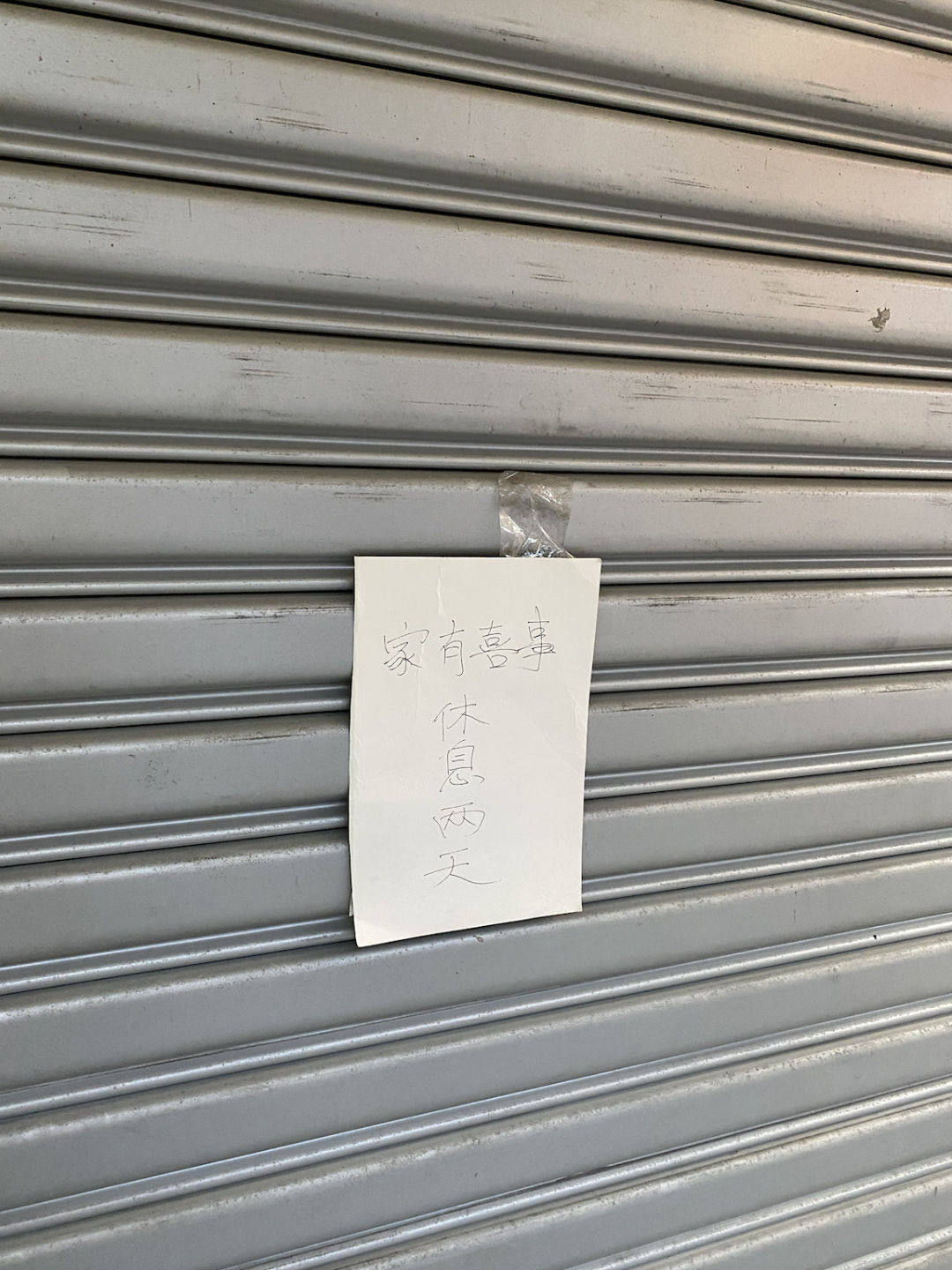
From November 20 to 23, in the street scenes circulating online, Chaozhou merchants “collectively closed their doors”: many factories stopped work, the doors of shops along the street were tightly closed, and there were few vehicles and pedestrians on the road. Various closing notices on the rolling doors circulated online: the boss was in a bad mood, the shop was closed today; the pig’s feet were stolen, rest for a day; the couple quarreled, rest for a day; afraid of ghosts, rest today.
There is also the most famous Paifang Street in Chaozhou Ancient City, where many shops are closed, which is obviously more desolate than usual. Paifang Street is one of the most attractive attractions in Chaozhou, with 22 Paifang (archways) in the middle and arcade buildings on both sides. A Douyin user joked in the video: “Paifang Street tonight is really to see the Paifang, it’s not so quiet on the 30th of the New Year.” In her lens, only tall Paifang stood in the center of the street, with the doors of shops on both sides tightly closed, and the bustling tourists of the past were gone.
At that time, Chaozhou was undergoing a nationwide safety production and fire safety inspection. In November this year, 22 State Council inspection teams successively entered all provinces and cities across the country, which was called “National Examination” by the public. The inspection time in Guangdong Province was from November 19 to 28, and the inspection cities were Chaozhou and Shantou.
The “collective closure” of merchants was due to some rumors of fines. According to the Douyin screenshot circulating online, a user with an IP address in Guangdong said that a fire extinguisher sold for fifty or sixty yuan outside, but if it was rectified by the relevant department, it would become two or three hundred yuan. Another user who claimed to be a Chaozhou merchant commented in the Weibo comment area: if caught, they would be fined tens of thousands of yuan, and the loss of not opening the door for a day was only a few hundred yuan, “we dare not open the door”.
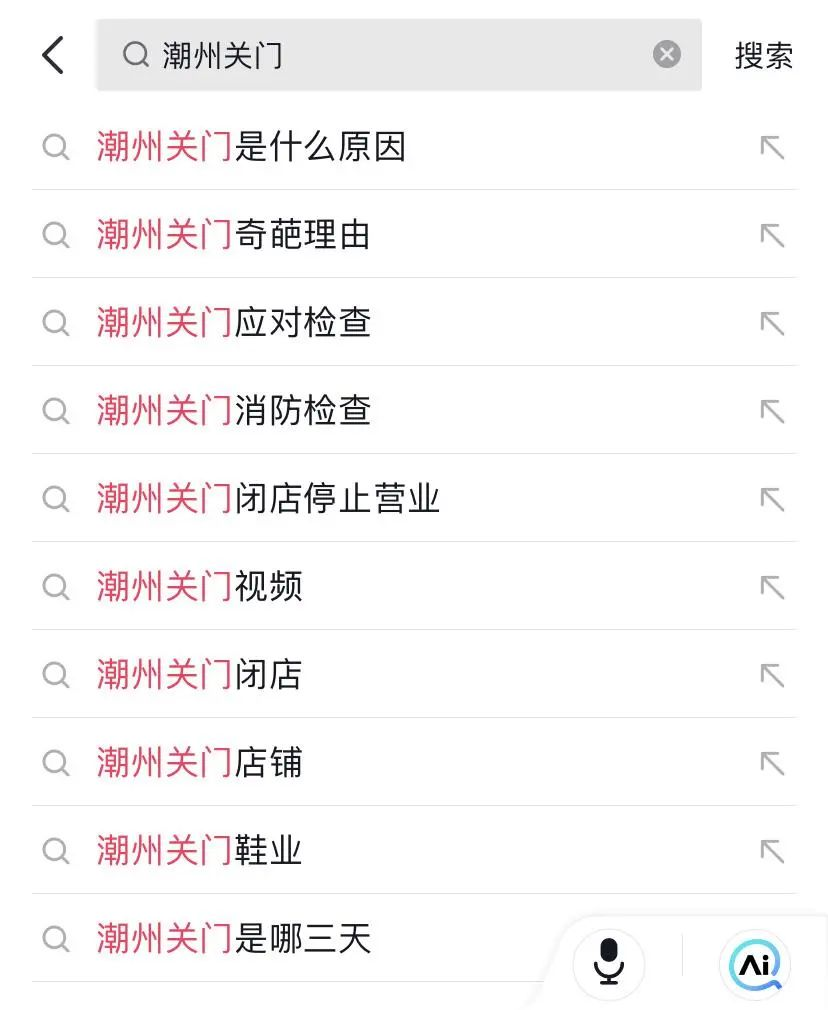
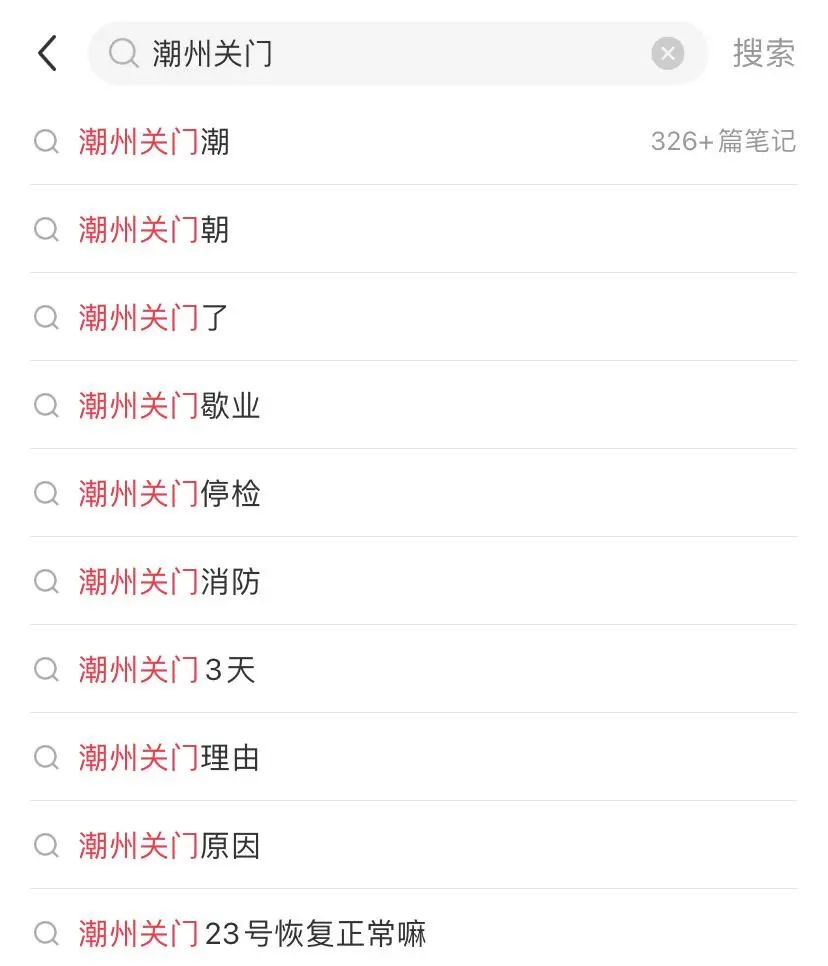
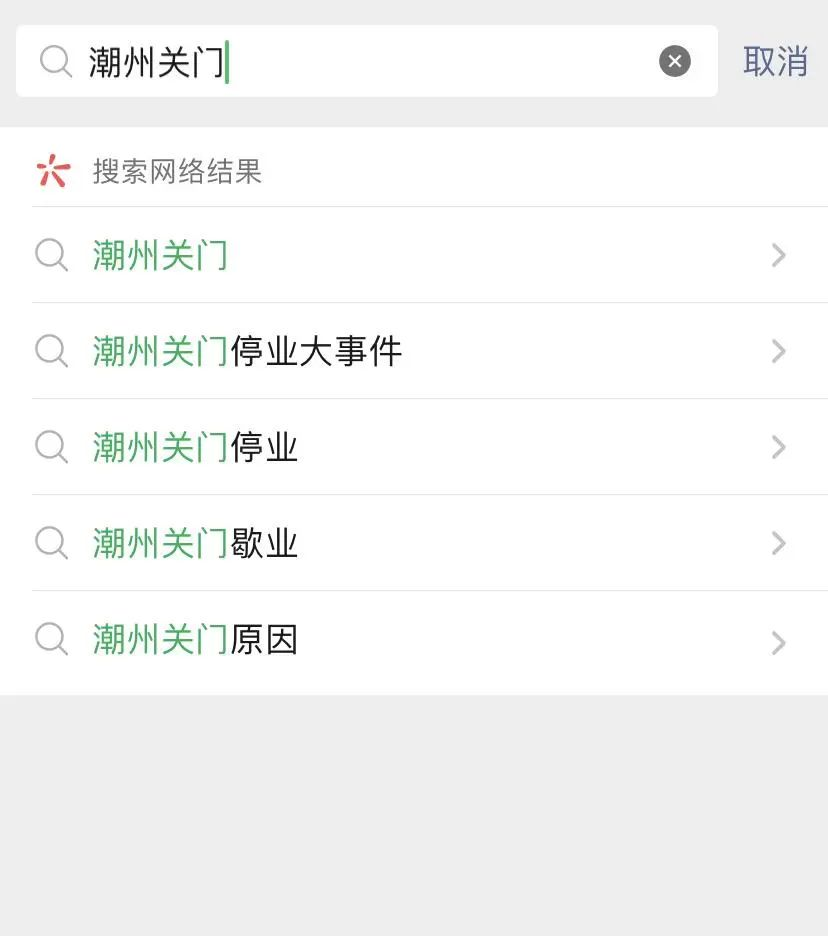
Douyin, Weibo, Xiaohongshu, WeChat search pages
The arrival time of the inspection team circulated on social networks: November 20 to 22 in Chaozhou, and 23 to 27 in Shantou. Merchants also chose to close their doors during this time.
From November 23 to 24, we visited 2 factories in the suburbs of Chaozhou and 10 shops in the urban area, and on the 25th to 27th, we visited relevant personnel from 2 factories in Shantou, and learned about the situation from 5 shops and many citizens.
The 22nd was the last day of the rumored inspection team in Chaozhou. On the 23rd, the shops in Chaozhou city had resumed normal business, and there were still many tourists in the scenic spots. We could only glimpse the desolation of the streets in the previous few days from the descriptions of the locals. For example, at more than 3 p.m. on the 21st, a citizen drove out to find food, and after turning for half an hour, he couldn’t find a restaurant that was open, so he had to go home and eat instant noodles. His wife received a question from a friend from out of town on the 22nd: what’s wrong with you in Chaozhou?
On the 23rd, when we arrived at Caitang Town, Chaozhou, many factories had also resumed work, but there were still many restaurants near the industrial zone that were closed, and there were also fewer trucks on the road than usual. The industry in Caitang Town is mainly stainless steel products. A manager of a stainless steel raw material factory in a nearby city said that in the past three days, Chaozhou customers have asked them to stop delivering goods.
The merchants and factories we met were not fined in this inspection, but everyone was told by their friends that someone had been fined. Most of them chose to close their doors to avoid inspection, from one day to three days; they also mentioned that business had been difficult in recent years and sales had declined, so they were unwilling to take the risk of being fined.
From WeChat, to Douyin, and then to Weibo
In this rumor storm, most of the “official” news initially circulated in the form of WeChat screenshots. A WeChat message screenshot said: “National Examination” will be held in Guangdong from November 19 to inspect and supervise, and from the 20th to 22nd, it will conduct a secret visit in Chaozhou, and understand 20 enterprises every day. This information was forwarded by many Douyin users and continued to be spread in video form.
A WeChat message sent to several enterprise leaders was also screenshot and spread. The message suggested that unqualified enterprises should first suspend production, close the factory doors, and pay attention to the arrival of strangers. If they were found to be unqualified, they would be fined 50,000 yuan, or even have their factories shut down.
Then the news of “fines” began to spread and ferment on platforms such as Douyin and WeChat. The amount of fines in the rumors was also rising. In a WeChat group chat screenshot, a factory employee “heard” that a stainless steel enterprise in the local area was fined 500,000 yuan. Although the stainless steel company had already refuted the rumors on its Douyin account that night, the group chat screenshot continued to spread in the following days.
Among the online rumors, one of the most well-known is that a small shop selling Guozhi (some say Guotiao) was fined 30,000 yuan (some say 20,000 yuan). On the 22nd, a shop owner selling white porridge, Guotiao and noodle soup posted a Douyin video of the day’s business. The comment area was almost all “urging to close”: “this turnover is not enough to pay the fine”, “tens of thousands of fines at a time, working for a year in vain”, “you won’t be able to hold it up if you are fined later”, “don’t pick up sesame seeds and lose watermelons”…
There are also Excel table screenshots. The inspection items of many Chaozhou factories were listed, and the “non-compliant” places were marked in red, which was particularly eye-catching. For example, the obstruction of sundries in front of the fire hydrant, the lack of safety production materials, the failure to install combustible gas detectors and alarms, and the non-standard storage of dangerous chemicals. Another “non-compliant” screenshot, because of its strong local characteristics, caused heated discussions among the Chaoshan people: fire extinguishers should be set up next to the land god, and no items should be placed within a radius of 1.5 meters.
But soon, the news that enterprises were not allowed to “close down and refuse inspection” also came out in the form of WeChat screenshots. One of them wrote: “Yesterday, a large number of enterprises in our district closed down and refused inspection, which has caused public opinion and has been severely criticized by the superior leaders. The superior has just emphasized again that the situation of enterprises deliberately closing down and suspending production to refuse inspection can no longer occur.”
Another WeChat screenshot said: “Without a legitimate reason, you cannot close down and suspend business without authorization… If you close down and suspend business to refuse inspection, the government can still open the door for inspection, still find the hidden dangers, and still be held accountable.”
The news of the “closure tide” continued to spread from Douyin to other platforms. A Weibo big V released several Douyin screenshots about “Chaozhou merchants closing their doors”. The Weibo reached more than 300 retweets and more than 2,000 likes at 2 p.m. on the 22nd, and currently “no viewing permissions”.
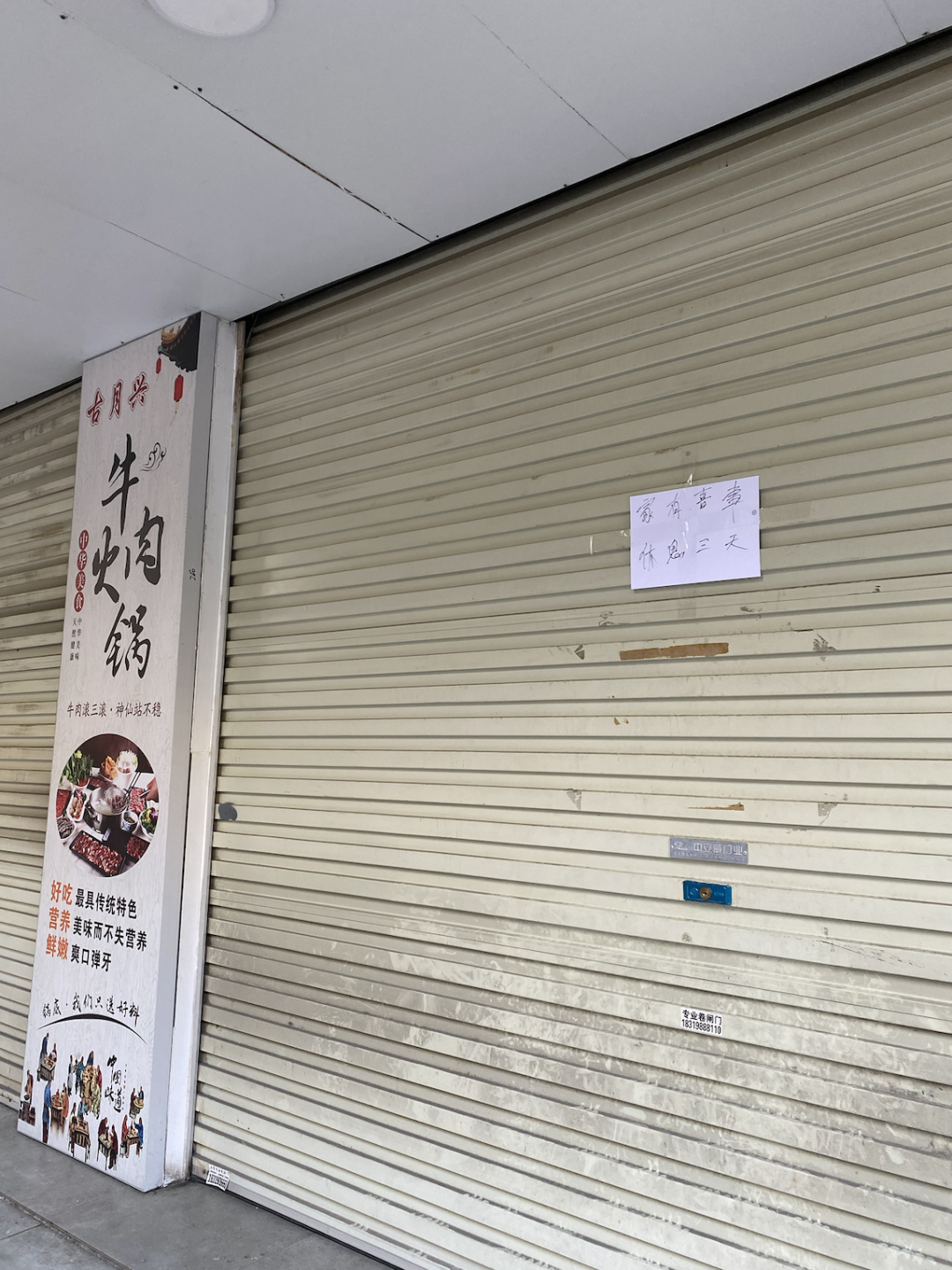
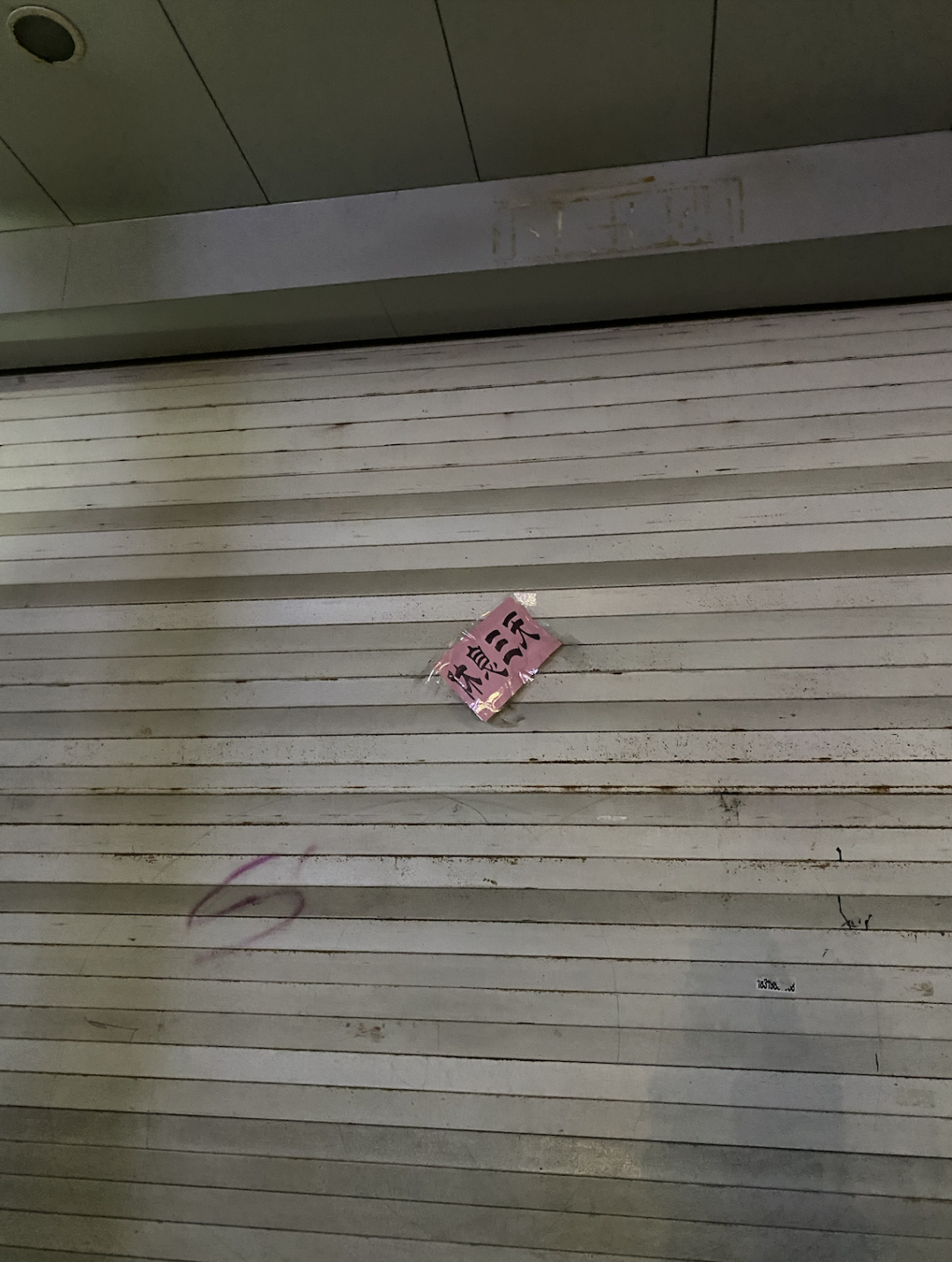
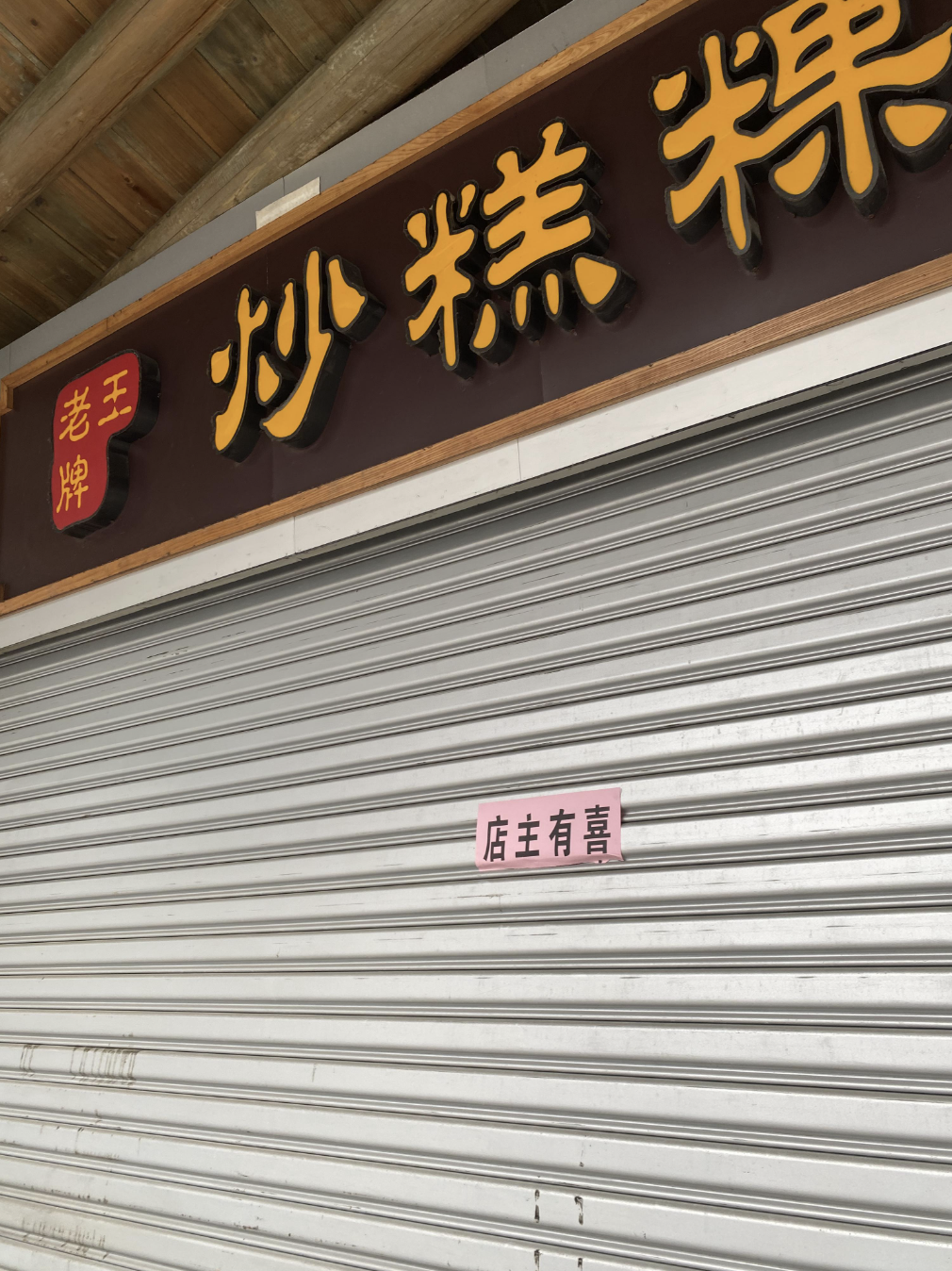
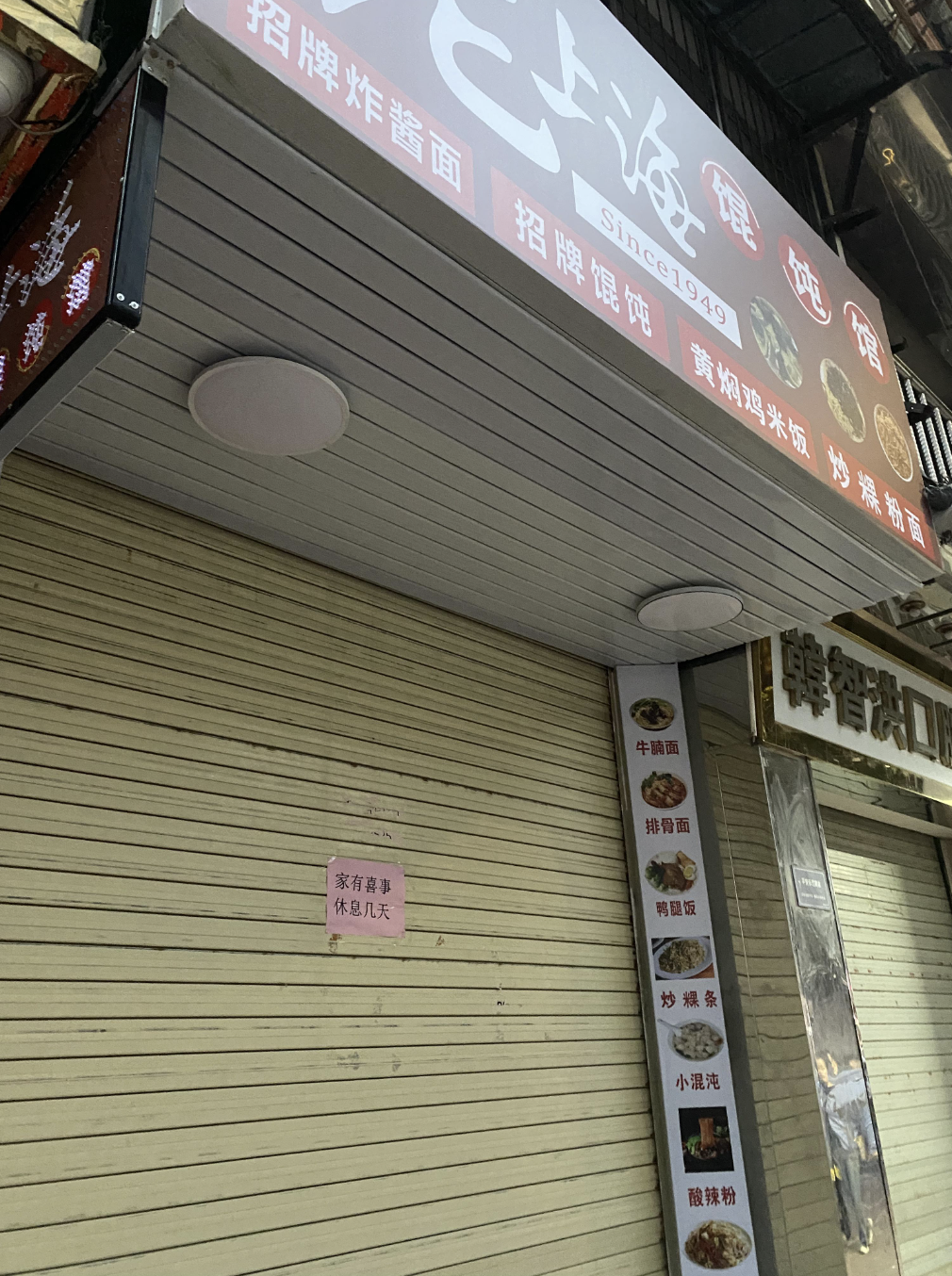
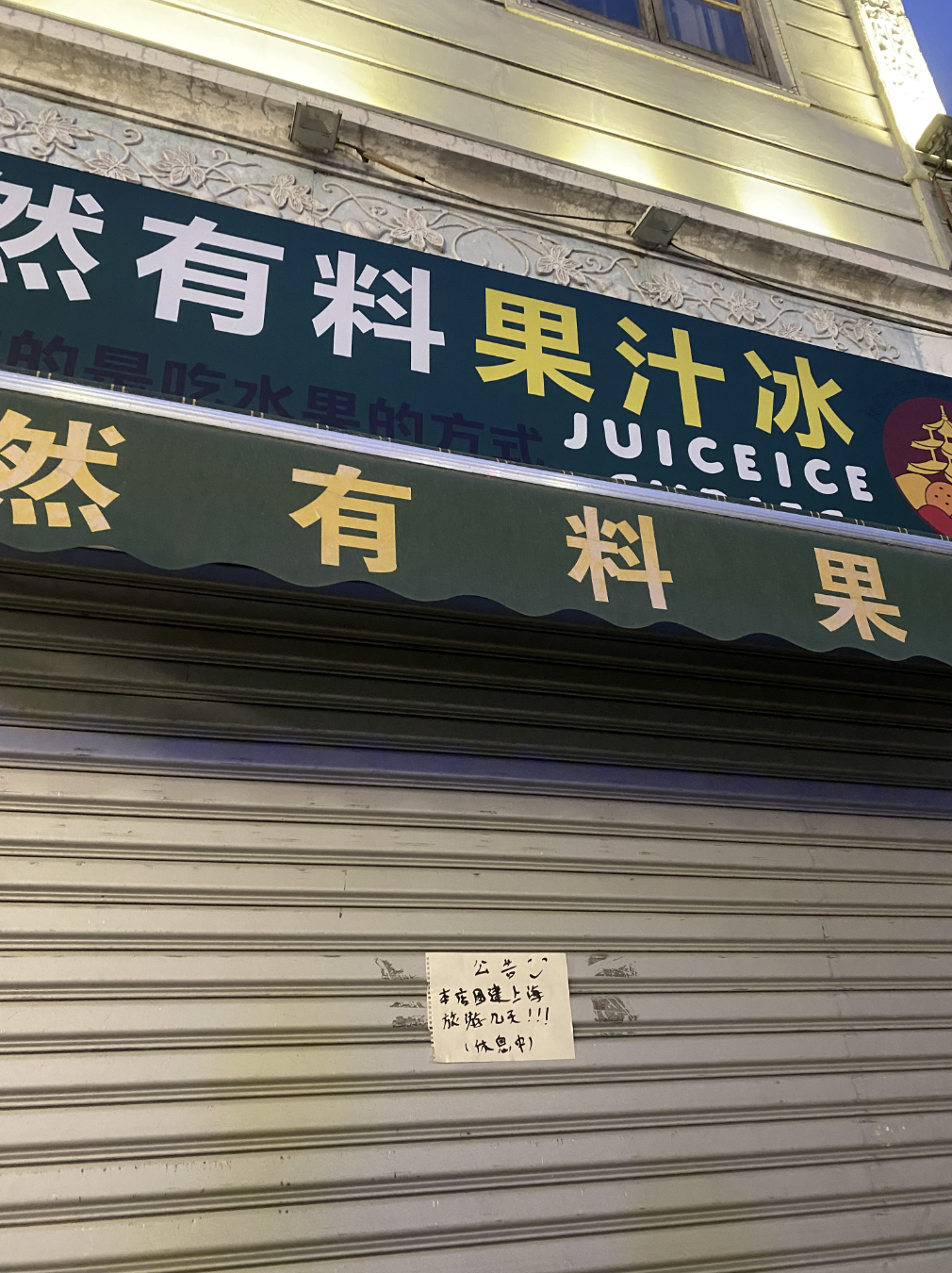
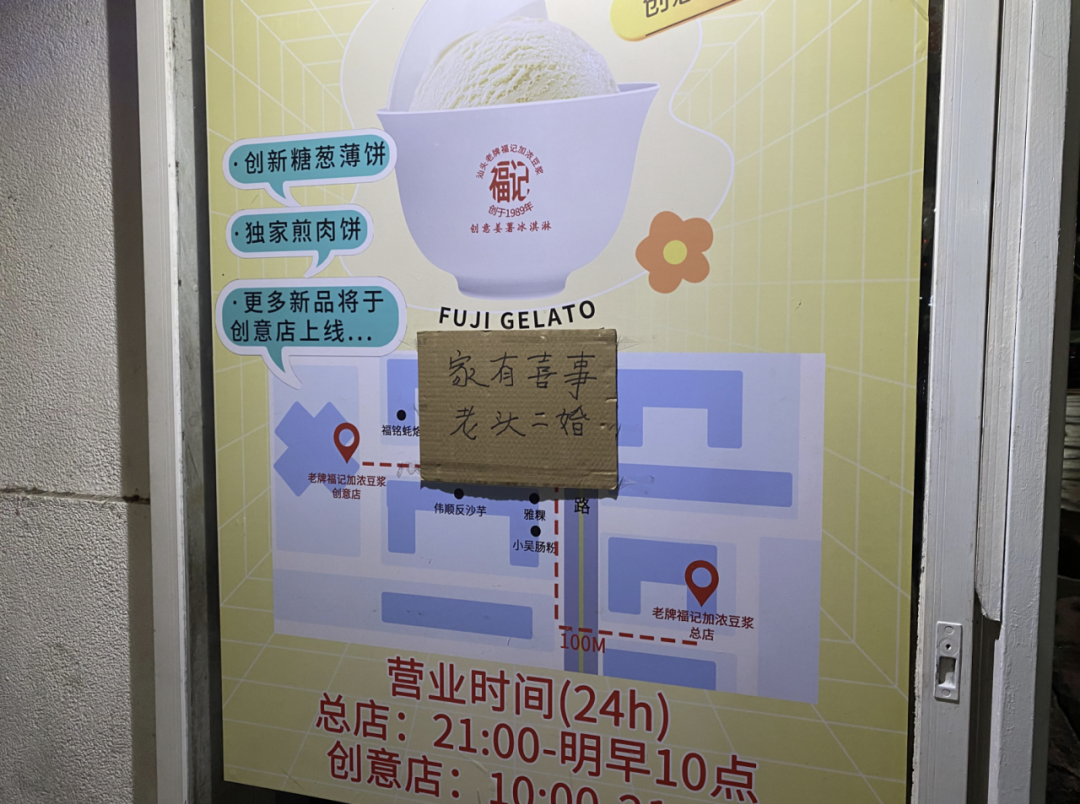
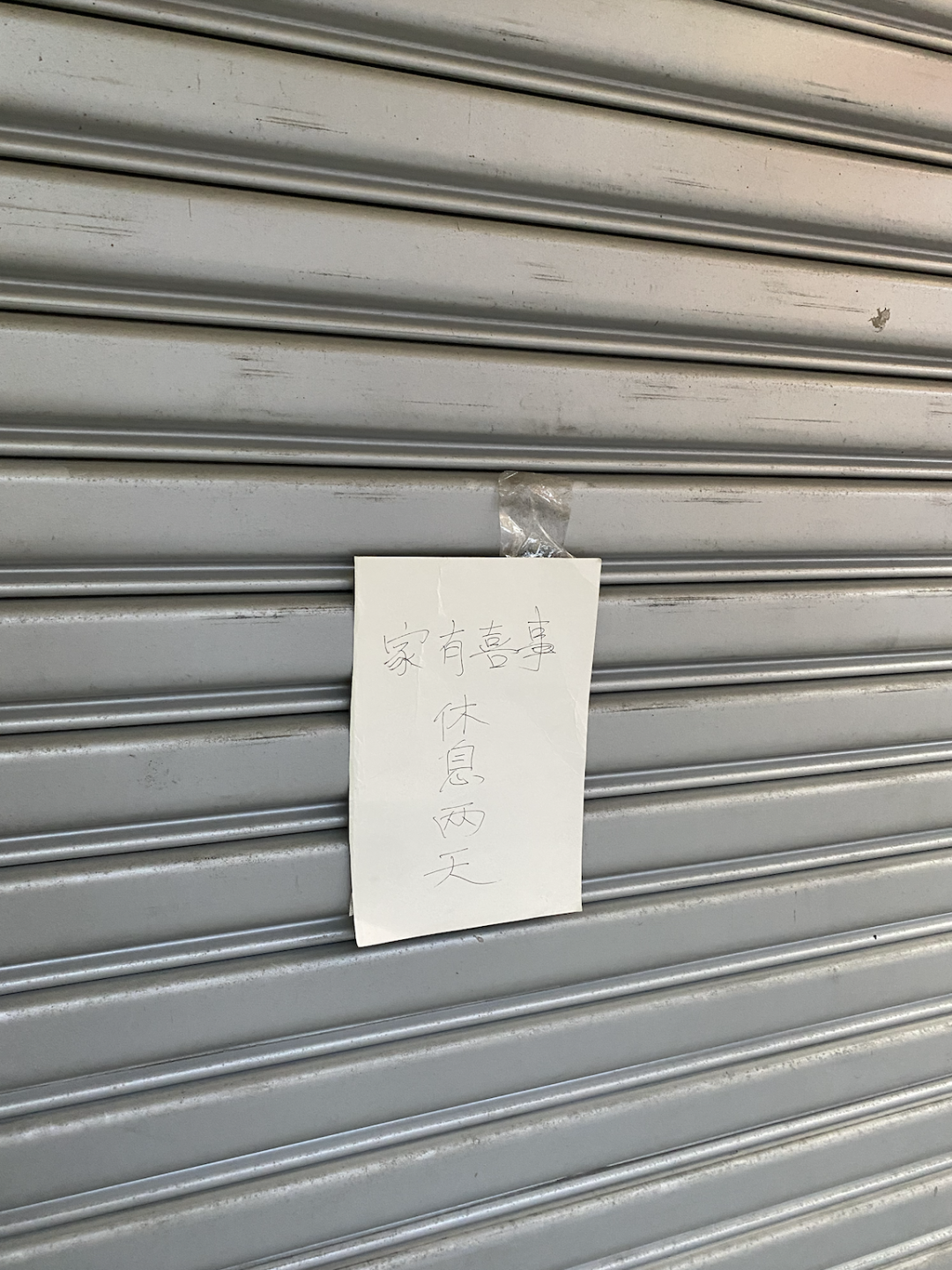
On November 25 and 26, some merchants in Shantou city who closed their doors posted notices on their doors
The collapse of a rumor
On the morning of the 21st, a rumor appeared among the merchants in the north of Chaozhou Ancient City:
Shop owner A returned from morning exercise and saw a fire patrol car parked near his shop. He was uneasy and did not dare to open the door for business, so he turned back and went around a big circle. The owner of a meatball shop on another street heard about it and told Chen Xuan, the owner of a dried fruit shop across the street. But at this time, the news became: they found A, and the tea seller next to A also closed the door. Chen Xuan had seen the patrol car pass by her shop in the morning, and the alarm bells had already sounded in her heart. She and the meatball shop owner decided to close the door.
After Chen Xuan closed the shop, she and her husband went back to their hometown. There she heard that a snack shop was fined 38,000 yuan. Someone retorted: not only, but also fined 50,000 yuan. In the evening, when she returned to Chaozhou city, she went into several familiar shops in Paifang Street, and everyone was still discussing the storm: someone was found to have a gas cylinder in the shop in the morning, and was fined 3,000 or 5,000 yuan per cylinder; there were beds in the shop, and they also had to be fined several thousand yuan.
A meatball shop on Paifang Street closed for three days from the 20th. The owner heard that a friend’s friend’s Guotiao shop was fined 7,000 yuan; a shop selling chicken wings was fined more than 20,000 yuan. According to the news he heard: those people came in, didn’t listen to your explanation, and fined you directly.
At more than seven o’clock in the evening of November 22, Chen Xuan was sitting alone in the shop. At more than nine o’clock, the shop assistant next door sent her a WeChat message: sister, do you know that B has been fined? B is a well-known sesame tea shop in Chaozhou, and Chen Xuan knows the owner of this shop.
I haven’t heard of it! Chen Xuan was shocked. She had asked her in the morning if she wanted to go out to play together, and the other party said that she had closed the shop and was going back to her hometown. The shop assistant revealed more details: the inspectors came, saw that she hadn’t opened the door, and called her to open it, and as a result, she was fined 150,000 yuan. The shop assistant’s source of information was a friend she met at a relative’s house, and the friend’s information came from Douyin.
After opening the shop on the 23rd, the rumor of the sesame tea shop’s fine still floated around Chen Xuan. A friend told her: no, it’s not that much, only 50,000 yuan. Chen Xuan then relayed it to the shop assistant next door.
That night, as I was sitting in Chen Xuan’s shop, the shop assistant rushed back on an electric car. She revealed that someone was inspecting four kilometers away from them, and those people were wearing uniforms, and there were vehicles on the scene. Earlier, Chen Xuan heard from others that the leaders had a meeting until the early hours of the morning, and in order to deal with the merchants closing their doors to avoid inspection, they were going to “launch a surprise attack”. This confirmed the shop assistant’s news, and Chen Xuan was more convinced.
Chen Xuan immediately packed up her things and prepared to close the door. After she closed the shop, we went to the sesame tea shop together. The indoor tables were almost full, and there was still a queue at the place to get food outside the door. Later, the boss was busy and came to our table. Chen Xuan asked about the truth of the fine.
The boss shook his head: it’s not true, it’s a rumor. She went out to travel, and the shop was also closed for two days, and it just opened that day. “It’s because others saw that our business was too good and said it was bad,” she said.
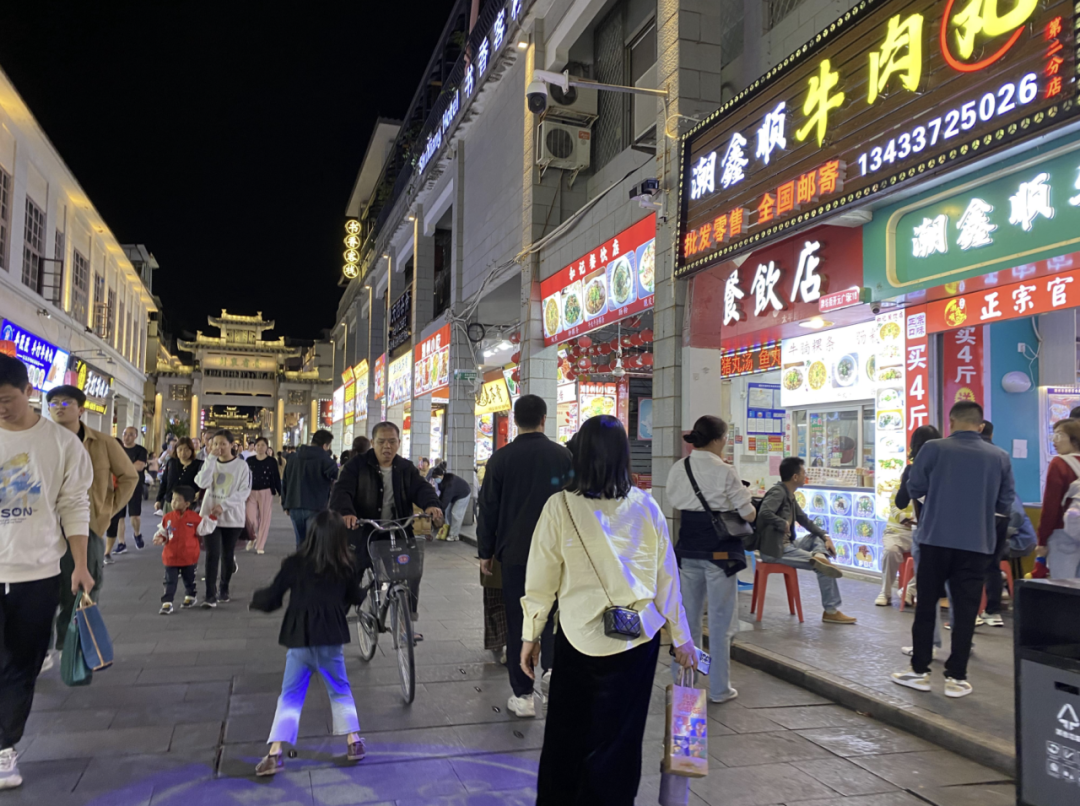
On the evening of November 23, Paifang Street in Chaozhou Ancient City has returned to its usual liveliness
When we arrived in Shantou, it was the stage of the rumored inspection team’s inspection. On the 25th, Zhou Hao, the owner of a chemical plant, hesitated all day whether to stop work. Until five or six o’clock in the afternoon, several customers in Shantou sent him messages: don’t deliver the goods. Some of his colleagues also asked: I’m going to close the door here, are you still open, you should pay attention. The atmosphere suddenly became tense, and Zhou Hao called the factory director to close the factory. From the 25th, their factory stopped work for two days.
On the same day, Zhang Qin, who worked in a hardware factory, came to work and found that the factory had not turned on the machines, but only did some packaging work. The factory specifically instructed one thing: as long as someone enters, lock the door at any time; if someone rings the doorbell, don’t open the door casually, you have to look at the monitor to see if it is a person who “can be seen”. The supervisor later told her: people from the factory next door revealed that someone came to the industrial zone to notify, “the door cannot be opened”. At noon, her colleagues went out to buy lunch boxes as usual, and it took half an hour, but they still couldn’t buy them – the snack shops around, from the 23rd, had all closed one after another.
On the 26th, I met with the interviewee at a beverage shop in the suburbs of Shantou. Just after I finished ordering, the boss suddenly pulled down the rolling door and closed it. He said that someone outside seemed to be checking fire safety. On the 27th, a man on a business trip in Shantou was stopped by a security guard at the door of a customer’s factory, and the other party mistakenly thought he was a plainclothes inspector.
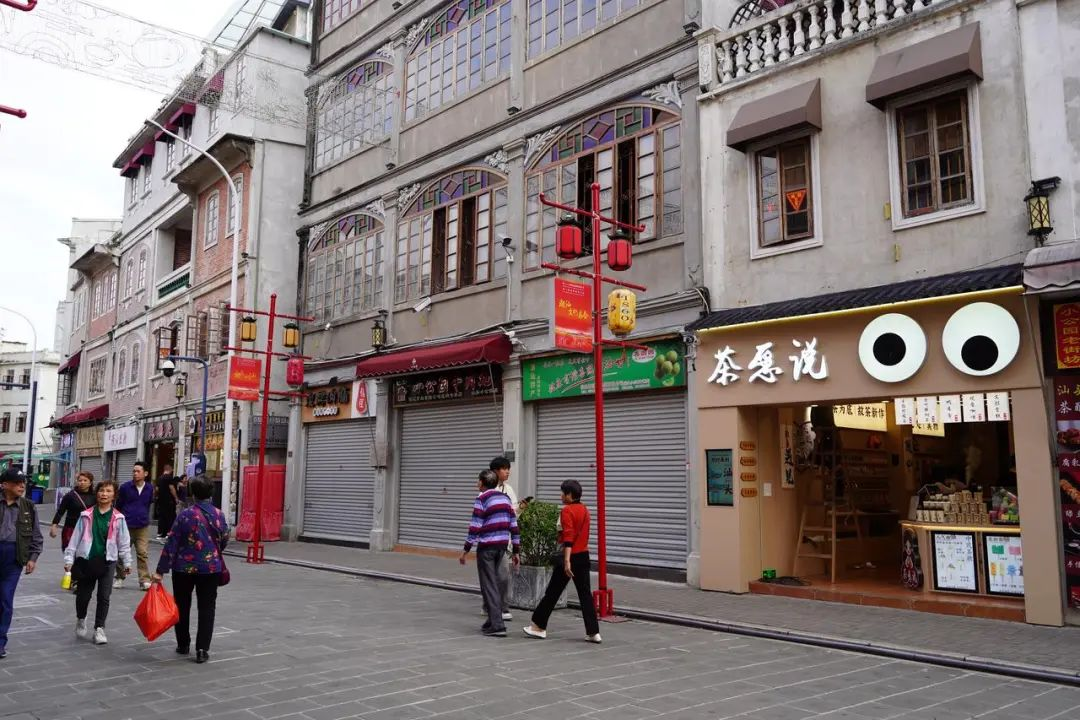
On the afternoon of November 25, Shantou Xiaogongyuan Scenic Area
How to become a person who doesn’t believe rumors and doesn’t spread rumors
According to our visits, the sources of information for an ordinary Chaoshan merchant are mobile phones (Douyin, WeChat groups, Moments) and the people around them. How can they verify the truth of the rumors?
After the rumors of fines spread, the only official voice was various refutations. At noon on the 23rd, the relevant departments in Chaozhou told Haibao News: “Only a few merchants closed their doors for their own reasons, not to avoid inspection, and they have all opened for business normally.”
Other Guangdong or local media rarely reported on this matter. A reporter stationed locally privately said that they didn’t pay much attention to this matter internally, and only published a police refutation article. The article published by Nanfang.com on the afternoon of the 23rd was titled “Rumors, most of them have returned to normal business”, and the relevant departments said in an interview: “There is no large-scale closure of shops in the local area to evade fire safety inspections.”
On the evening of the 24th, the Chaozhou Public Security Bureau announced the refutation of some rumors (such as “being asked to rectify and pay 38,000 yuan” and “the owner of a bread shop was fined 50,000 yuan”, etc.), and imposed administrative penalties on five people. A man in Shantou was also given an administrative penalty for spreading false information in a WeChat group that a restaurant was fined tens of thousands of yuan, which was verified by the Shantou Public Security Bureau.
On the 24th, the Chaozhou Emergency Management Bureau and the Shantou Emergency Management Bureau told Caixin that no enterprises were fined during this national inspection.
But many people no longer believe such refutation notices. A Douyin that forwarded the refutation said in a highly praised comment: “Look, the problem is solved” “The most memorable refutation was the pneumonia of unknown cause in Wuhan” “Eight people were arrested in Wuhan that year”.
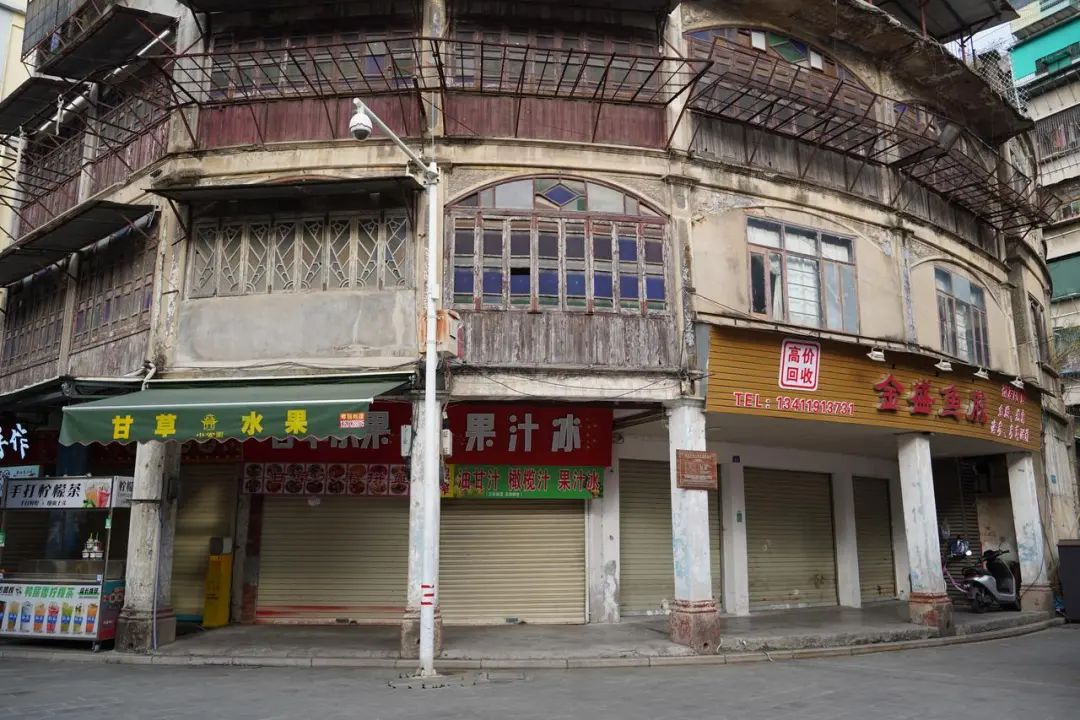
On the afternoon of November 25, Shantou Xiaogongyuan Scenic Area
In addition to fines, the merchants’ fear also comes from doubts about the fire safety inspection standards. They don’t know what problems the other party will pick out, and they don’t know if they are doing it right.
Gas cylinders, that is, liquefied petroleum gas tanks used by most restaurants, are one of the most mentioned reasons for fines by Chaozhou merchants in this inspection. The meatball shop owner mentioned earlier said that if gas cylinders were found, each cylinder would be fined 5,000 yuan; Chen Xuan heard the news that each cylinder would be fined 3,000 or 5,000 yuan; some people also said that no more than 4 gas cylinders could be placed in a shop. There are also regulations on the distance between gas cylinders and stoves, and some merchants say that it should be more than two meters.
Not all merchants have been called to receive fire safety training. Like Chen Xuan and the owners of the shops around her, their understanding of the regulations only comes from the “Fire Safety Responsibility Letter” posted on the wall: strictly abide by fire safety regulations; there must be smoke detectors, emergency lighting, simple sprinklers and dry powder fire extinguishers; no one is allowed to live in the premises…
In order to master the complete regulations and fines for gas cylinders, they need to first consult the “Regulations on the Management of Urban Gas” with more than seven thousand words in the “State Council Bulletin” of the China Government Network. Article 49 of the regulations states: if a gas user has non-compliant behavior, the relevant department shall order it to be corrected; if it is not corrected within the time limit, the unit and individual may be fined no more than 100,000 yuan and 1,000 yuan respectively.
In addition, they also need to find the “Regulations on the Management of Gas in Guangdong Province” with nearly six thousand words in the “Government Affairs Disclosure” – “File Library” – “Policy and Regulation Library” of the Guangdong Provincial People’s Government website. Article 27, Item 1, of the regulations points out: production and operation units in catering and other industries should install combustible gas alarm devices; otherwise, the relevant departments of the county-level government or above shall order them to be corrected and impose a fine of no more than 50,000 yuan. If they are not corrected within the time limit, they will be subject to more severe penalties.
There is also Article 28, Item 7: no unit or individual may use gas cylinders that have exceeded the inspection period, failed the inspection, have no technical files, or have been scrapped to fill gas. Violators shall also be ordered to correct by the relevant departments; if they are not corrected within the time limit, the unit and individual may be fined no more than 100,000 yuan and 1,000 yuan respectively.
Regarding the storage of gas cylinders, it is necessary to find in the seventh item of the Guangdong local standard “Technical Requirements for Fire Safety Rectification of Small Stalls, Small Workshops, and Small Entertainment Venues”: the storage of gas cylinders with a loading capacity of 15kg should not exceed 2.
Finally, if merchants search for “the distance between stoves and gas cylinders” on Baidu, they will get the following contradictory answers—
The B station video of “Linyi Fire” points out that in catering and home kitchens, the two “should not be less than 0.5 meters”.
Baidu’s AI procurement assistant “Ai Procurement Source Finder” said, “It should be kept above 1 meter”.
In the video released by Xinhua News Agency, the commanders and fighters of the Guilin Fire Rescue Detachment of Guangxi said that in a restaurant, the gas cylinder under the table and the stove on the table should maintain a distance of “more than two meters and less than five meters”.
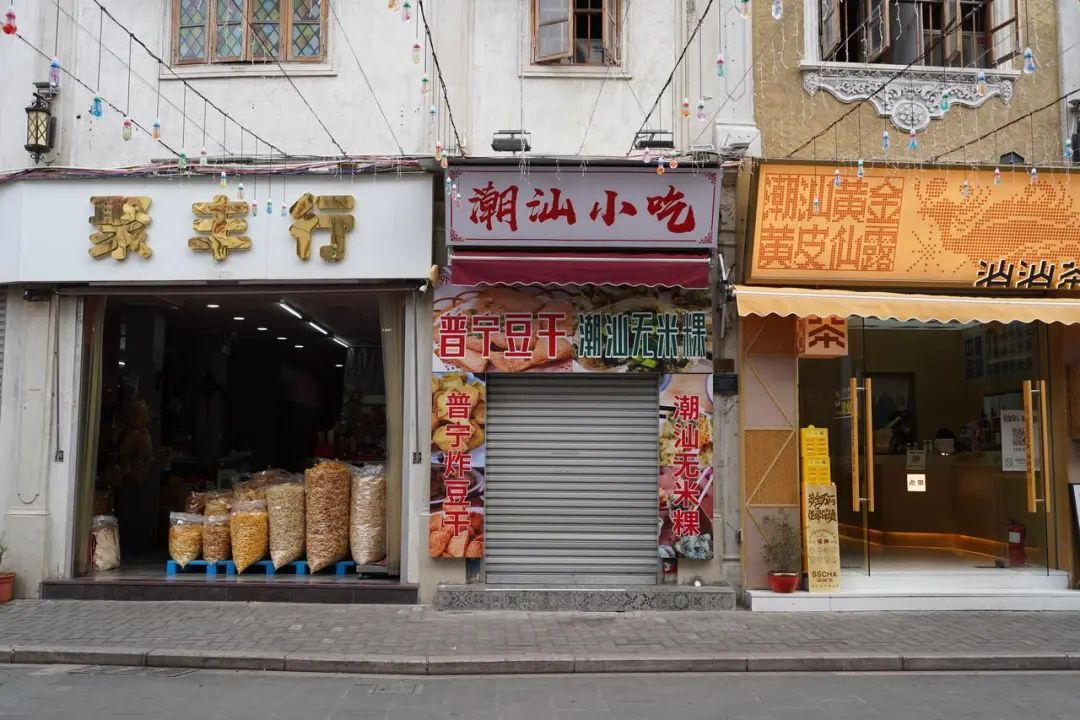
On the afternoon of November 25, Shantou Xiaogongyuan Scenic Area
How to become a person who is not afraid
Chen Xuan, who runs a dried fruit shop, experienced a local fire safety inspection at the end of last year. She put away the beds and also equipped the fire safety “four small items” as required: fire extinguishers, smoke alarms, sprinklers, and emergency lights. They came three times in succession, and they didn’t come again until Chen Xuan completed the rectification.
But this year she still chose to close the door to avoid inspection. I asked Chen Xuan, you have fire safety equipment, why are you still afraid? “If something happens, pick out some problems,” she said. “They say how much they want to fine, it sounds scary. Business is also difficult, if you are fined…”
Some merchants have paid higher costs in order to feel at ease. Their “four small items” are installed by the agencies designated by the inspection department.
A gold shop of about twenty square meters on a single floor in Chaozhou city accepted rectification last year. At that time, the fire safety people always came, and the boss decided to rectify it well: “We will do everything for him.” The other party designated a special fire safety equipment agency – the first floor was equipped with fire hydrants, sprinklers, water pipes, firewalls, fire doors leading to the second floor, and sprinklers on the second floor, as well as escape windows, which cost more than 10,000 yuan.
A factory in Jieyang, a neighboring city, also handed over the fire safety facilities to a third party that cooperates with the government. Following the government’s actions is the most secure for them. The supervisor of the factory said that if a fire occurs, the nature will be different, and their fire safety equipment has been certified.
He revealed that smoke alarms cost tens of yuan outside, and mobile phones can monitor them; the third-party installation costs several hundred yuan, and there is also an annual service fee – when the third-party company detects a fire situation in the background, it will call the factory leader. He understands the tricks: “There must be some money for them to earn, if not, then (the inspection) will not pass, and that will not pass. If it is a cooperative company, he will say, okay, it’s done.”
But even factories like them that install fire safety equipment as required do not want to face the inspection directly. They believe that the fire safety inspection standards are “flexible”, and it is difficult to unify them. Before the local departments came to inspect, their factories would also stop work. “You can come to check, come to sit, come to drink tea, it’s all good. If you are not doing (working), and you are found, then if there is a problem, you will rectify; if you are doing it, and you are found, then the matter will be serious,” he said.
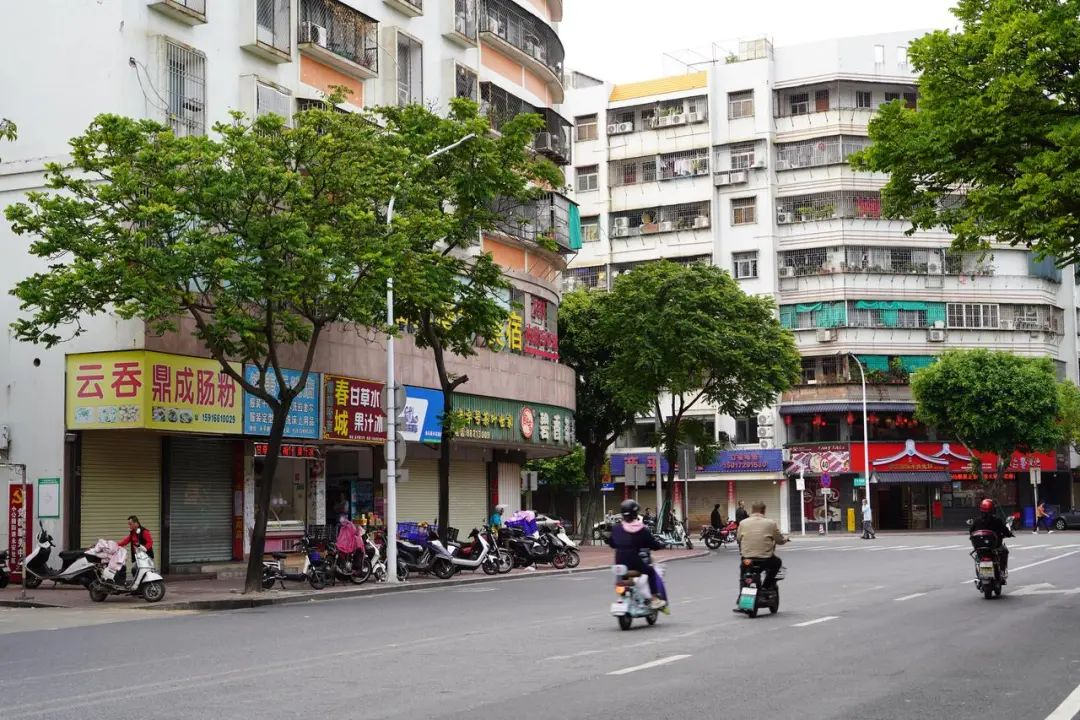
On November 25, Shantou street
“Above”, “Middle”, “Below”
Who exactly are the people who come to inspect fire safety? Many people can’t say. Some people know that the state has sent people down, and some people say that they are from the province. For ordinary merchants, no matter who comes, it is “above”.
The eyes and cameras of the locals are aimed at them – as long as they appear, they will be immediately posted online, like chasing stars. Strangers report their location in real time on Xiaohongshu, and share information with each other, although much of it is “heard”. Douyin also shows many videos of watching the inspection, some wearing uniforms, some not, often not able to see the faces clearly, but there will be a large number of pedestrians and people driving electric cars stopping to watch the fun.
For merchants, some grassroots management personnel are more clear-faced. A week before the “above” came to inspect, the management personnel of the industrial zone went to Zhang Qin’s hardware factory to inspect. They took a brief look and said: there are too few fire safety equipment, electric motorcycles cannot be parked in the factory, and people cannot live in the factory. They also left a sentence: they will come to inspect later.
In the past, they also came often. Zhang Qin felt that they always “pretended to be doing things”, asked the factory leaders to sign on the “safety production” clauses, but they didn’t care whether they were actually done. They are also responsible for conveying the instructions and tasks of “above”, such as when the city is going to inspect, or when a fire occurs in other places.
Afterwards, these actions often “ended without a conclusion”. This advance inspection was the same, and they never came again. Zhang Qin’s colleagues still parked their cars in the factory – parking them outside might be stolen, and the situation this year made them feel more dangerous; the people living in the factory still lived there – the factory needed someone to look after it. Everything was as usual, but there were a few more dry powder fire extinguishers.
Some inspections and rectifications also make people unable to guess. Last year, the relevant departments “unscrewed” the tap installed by Chen Xuan at the door of the shop, without explaining the reason, only saying that it affected the appearance of the city and did not allow it to be installed at the door, “someone from above came to check”. Originally, the tap at the door was installed by themselves, which was convenient for washing hands and mopping the floor.
Zhou Hao often deals with village cadres and town cadres. These cadres are almost all familiar with the local factory owners, which is a relatively equal network of acquaintances – some people even have contacts on weekdays, drinking and playing mahjong privately.
Zhou Hao once secretly bribed to deal with the inspection. The inspectors are usually district cadres and town cadres, “a few hundred yuan per person”. But he cannot give it to the other party directly, but needs to give it to the village cadres, and let them act as intermediaries to coordinate. He explained the rules of operation: he said you are not qualified, and then you have to report to the superior, then if he doesn’t report, are you qualified?
During this “National Examination”, the village cadres also notified Zhou Hao’s factory that someone from a department in the town was going to inspect. Before they came, the factory employees first covered the pool filled with sewage. The local leaders have always known about this illegal sewage discharge method, but rarely said anything and didn’t really do anything. That day they looked around and left – just like they hadn’t been there.
But what will the people “above” do, Zhou Hao is not sure. This time, it is no longer the inspection they were familiar with in the past, which was mediated by intermediaries, but the “top” that is higher than the grassroots and has never had any experience in dealing with it, and they have no room for maneuver.
He also heard that this inspection has task indicators, and each administrative area is required to check how much. Based on experience, he felt it was very credible – during the epidemic, the village also had indicators for vaccination. And he believes that once found, it will “not run away” – in the rumors, inspection, sealing, and fines are an assembly line. “After you completely lose trust in something, and it has great power, you will have inexplicable fear of it.” In order to avoid being checked head-on, they chose to close the door first.
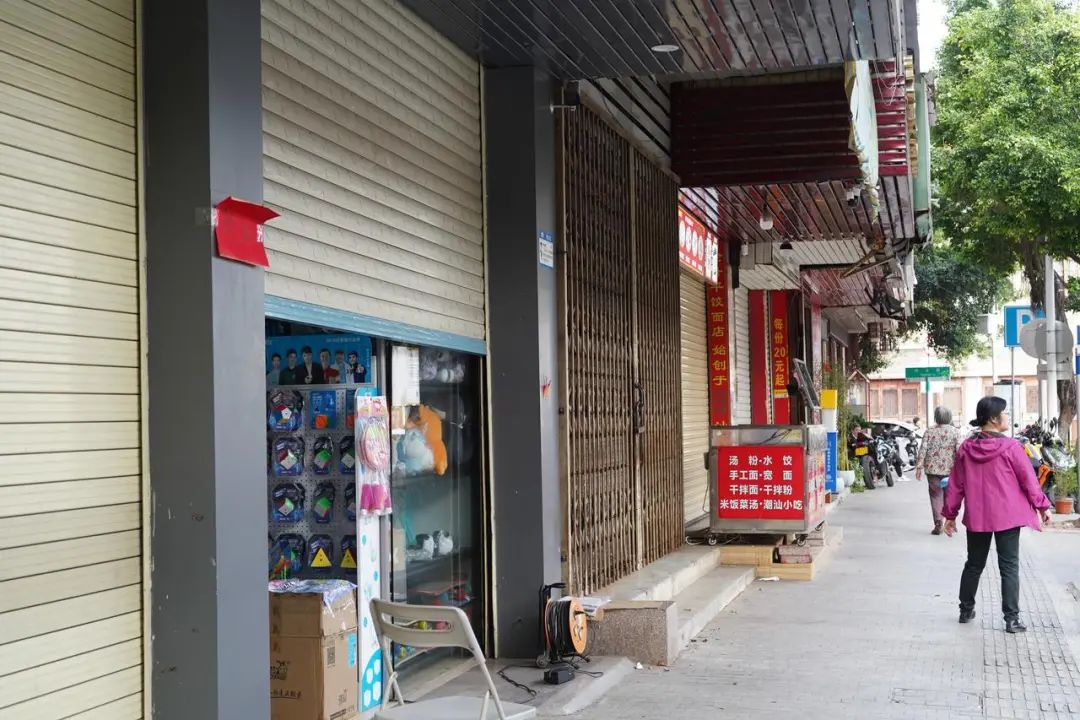
On November 25, Shantou street
In an industrial zone in Chaozhou, after the raw materials are transported by trucks on weekdays, the factory has to send forklifts (forklift trucks) to the side of the road to pick them up and move the raw materials back to the factory. But in the few days after the 20th, there were almost no forklifts and trucks here. Factory C stopped work for three days from the 20th, and factory D stopped work for one day on the 21st, and other factories nearby also stopped work one after another.
A large reason is that they heard that they were going to check forklifts – in a “National Examination” notice that was released very early, the local government mentioned: this inspection involves the inspection of special operation personnel certificates, including “all forklifts in the factory must be registered, and forklift workers must have forklift certificates”. But most of the factories in the local area do not have them. In the past, they were tacitly allowed to operate like this.
“In this small place, in the countryside, (usually) forklifts without license and certificate, no one will catch them.” The owner of factory B said that they couldn’t find a few with licenses. Forklifts were temporarily afraid to use, so they couldn’t receive the goods, and coupled with the general market conditions, many factories also stopped work. He revealed that eight out of ten factories in their town stopped work during those days.
During this factory shutdown, a local government official in Chaozhou was asked to go “below” to understand the “real situation”. The leader said that only in this way can they report to the above. This government official went to the industrial zone, called the factory, and persuaded that this inspection was “okay”: boss, what’s wrong with you, did someone tell you to close the door?
The other party denied: we went out to play these two days.
Chen Xuan, Zhang Qin, and Zhou Hao in the article are all pseudonyms

Author———Li Jielin
cloudberrysey@gmail.com
Editor——Yu Meng Consultant—Wang Tianting
Visual—pandanap Layout——Riyue
Operation——Xiaofan Creative—Vicson
Producer/Supervisor——Zeng Ming
Discover more from 自由档案馆
Subscribe to get the latest posts sent to your email.