The recent case of the detained female entrepreneur in Liupanshui, Guizhou, who was arrested for debt collection, once again shows us the inevitable dire consequences in high-debt provinces after the wave of borrowing comes to an abrupt end.
According to news reports, the local government once proposed to resolve 220 million yuan in debt with 12 million yuan, which she refused. Subsequently, regardless of the reason or excuse, the female entrepreneur was eventually arrested by the local police on charges of “picking quarrels and provoking trouble,” which is what the news reports refer to as “using criminal charges to resolve debt.”
In this matter, I certainly call for respect for the law (some argue that the female entrepreneur secured ten local government projects in three years, which is obviously not simple, but that’s another issue), and especially to be wary of the possible “gangsterization” of certain county and district governments.
But I want to say more than that.
On a larger scale, it also foreshadows that in a considerable portion of “backward” provinces in the future, local entrepreneurs with strong political and business backgrounds who built their fortunes on government projects, after the fiscal expansion cycle ends abruptly, will inevitably turn from mutual affection to “mutual harm” with heavily indebted local governments in the face of unmanageable costs, and this is the end of the era of the past “mainstream business model” centered on infrastructure.
So here, I want to remind many local entrepreneurs: Times have changed, the old ways are gone, be careful.
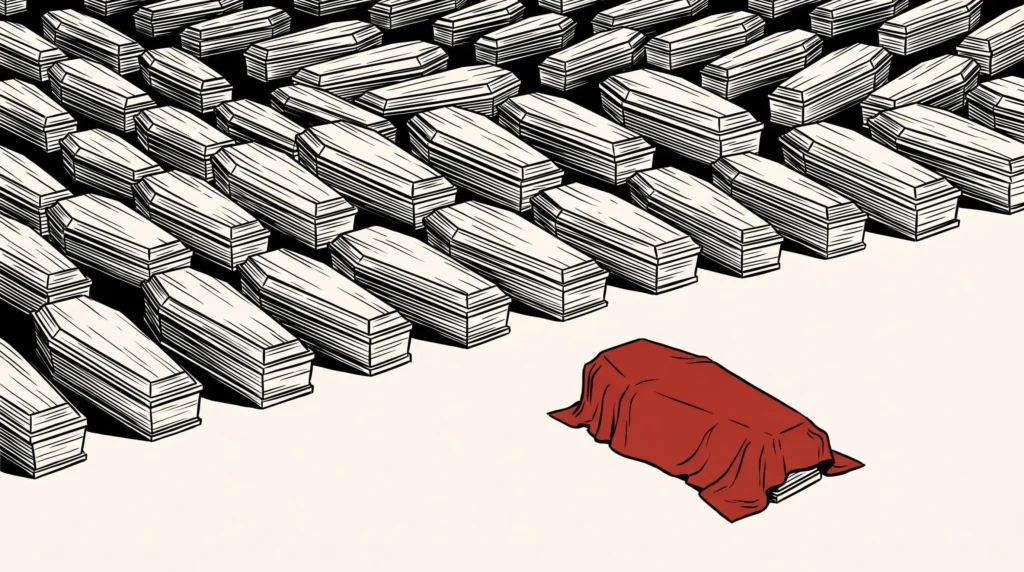
Even further, most local entrepreneurs who previously made a fortune through political and business resources may have to pay for their past 20 years of era dividends. Because the debt of most county and city government projects in backward areas is difficult to recover, they simply don’t have the money to repay.
Take the debt situation in Liupanshui, Guizhou, as an example. On January 7, the anti-corruption documentary broadcast by CCTV revealed that Li Zaiyong, the former Party Secretary of Liupanshui, caused the local area to add 150 billion yuan in new debt in just over three years, with a debt growth rate of over 300%.
Coincidentally, the projects undertaken by this female entrepreneur in Liupanshui were during Li Zaiyong’s tenure.
Not only Guizhou, but Yunnan is also a major infrastructure and debt holder.
From Yunnan’s latest list of suspended and delayed projects, a total of 1,153 projects have been suspended or delayed, involving a total investment of 290.4 billion yuan, but the available funds for debt resolution are only 2.551 billion yuan, less than 1%.
It can be said that the funding sources for these projects are almost entirely bank loans, advance payments from engineering companies, and bond issuance.
And anyone with a discerning eye knows that this kind of high-leverage infrastructure operation by county and city governments often involves shady deals.
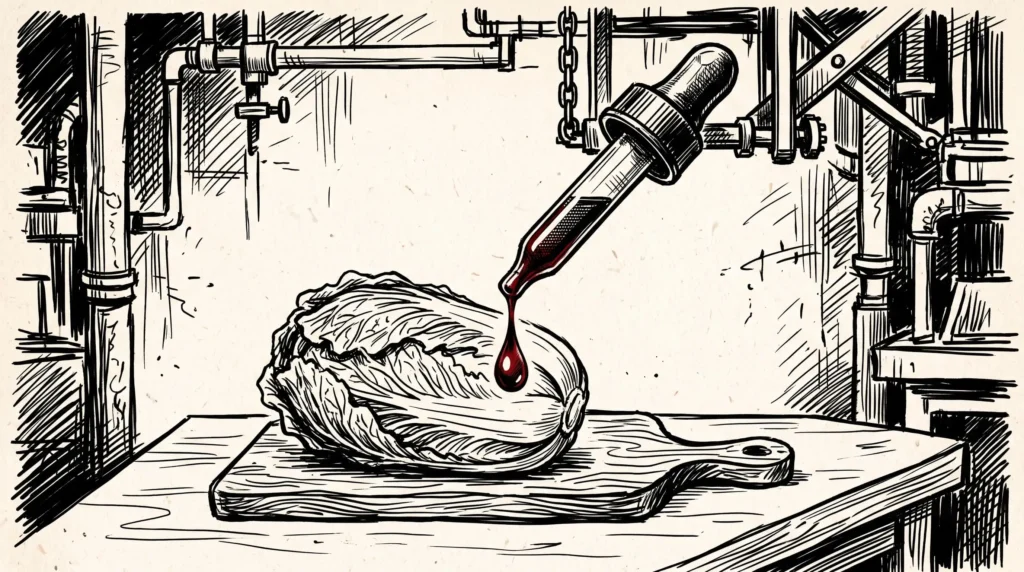
Sometimes, the general contractor receives the project, does nothing, and can earn 10-20% by subcontracting.
Financial intermediaries are also a major source of benefits, with 4%-5% being the basic proportion in the past, and even higher is not uncommon.
This is the closed-loop logic of traditional infrastructure in some places.
In this process, local governments get outstanding political achievements, local insiders get kickbacks, and local entrepreneurs get profits.
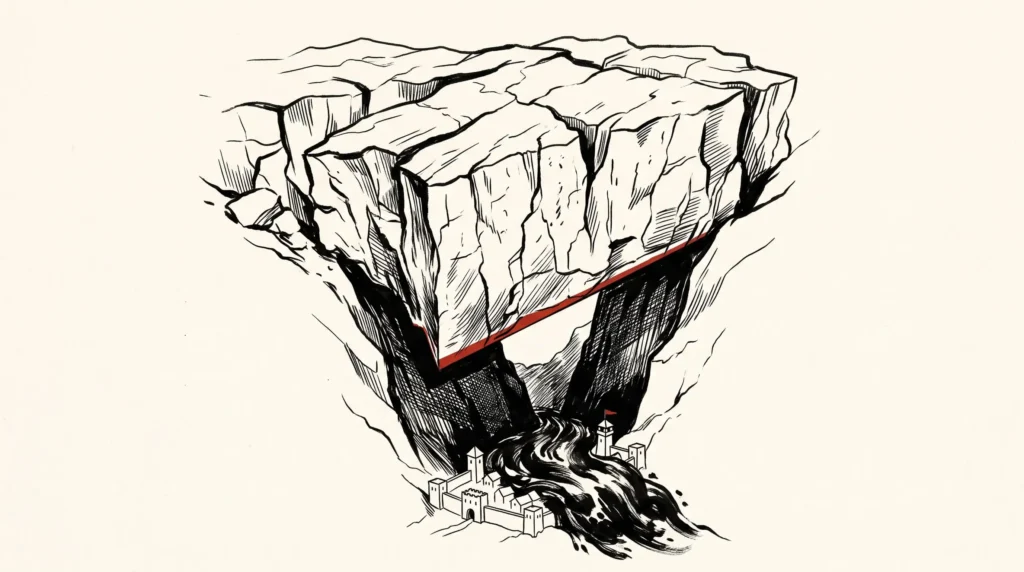
Until the fiscal reservoir shuts off the water, a grand feast turns into a mess.
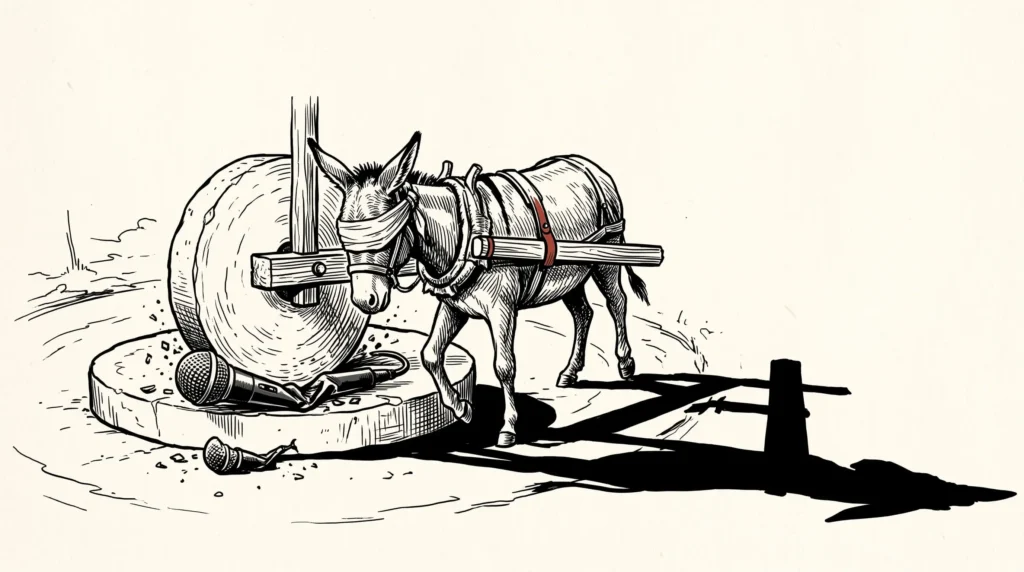
It is foreseeable that the space for the “local business model” of traditional infrastructure will become smaller and smaller in the future. Under the central government’s increasingly obvious logic of concentrating resources to support strong provinces, the large projects allowed in backward provinces will rapidly decrease, and these local governments and this generation of local entrepreneurs will all be met with a cold shoulder from the times.
And local governments and local entrepreneurs, both heavily in debt, will inevitably enter a mode of turning against each other.
Especially entrepreneurs who previously made their fortunes through large-scale construction and transfer payments may even lose all their past wealth.
This is just the beginning, and no one can reverse it.
Discover more from 自由档案馆
Subscribe to get the latest posts sent to your email.