

Pray for blessings
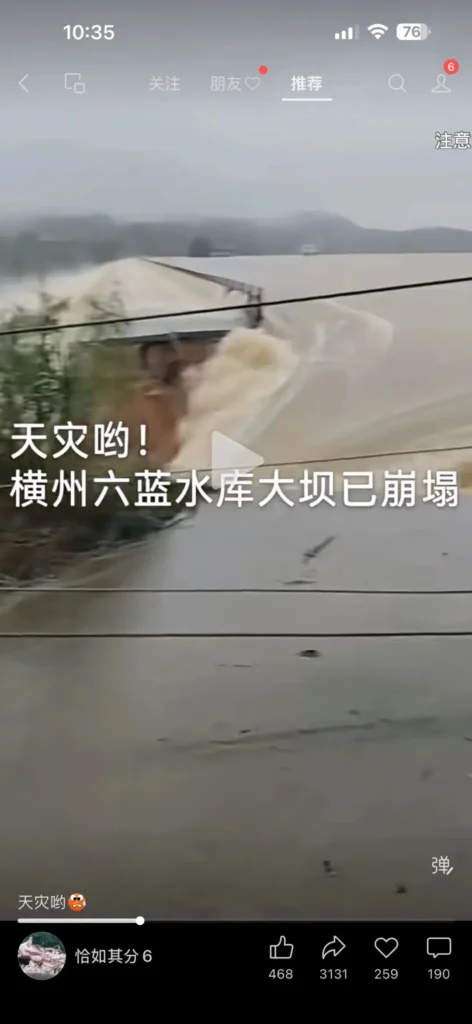
Yesterday's article mentioned that Guangxi experienced severe floods and called for more attention. I didn't expect it to be so serious. This morning, I saw videos of the Liulan Reservoir in Hengzhou developing a breach.
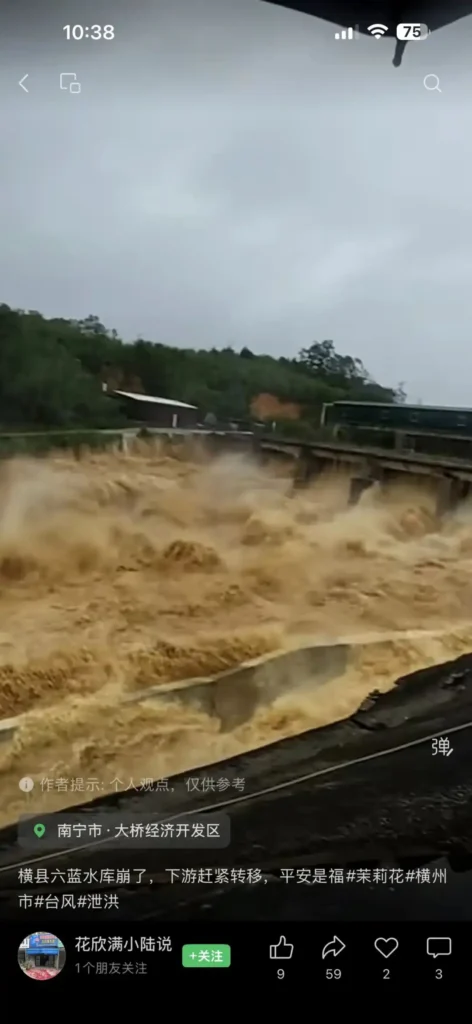
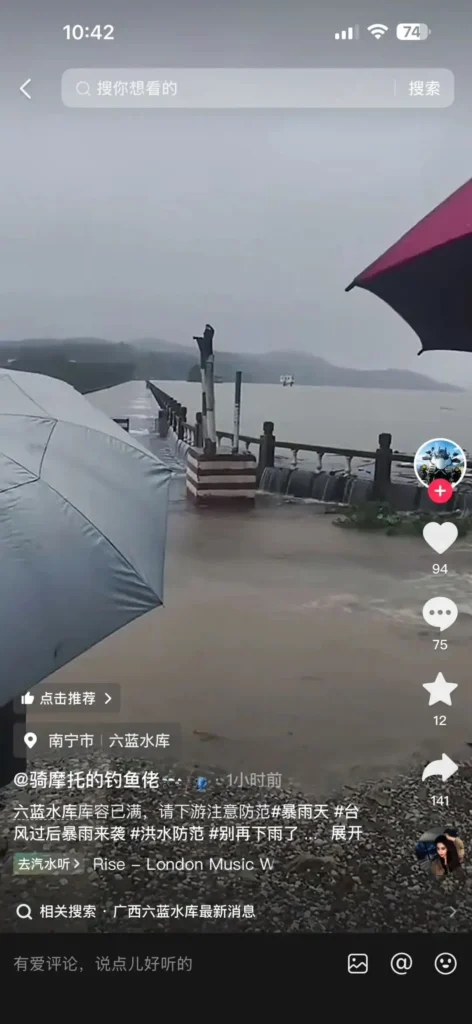
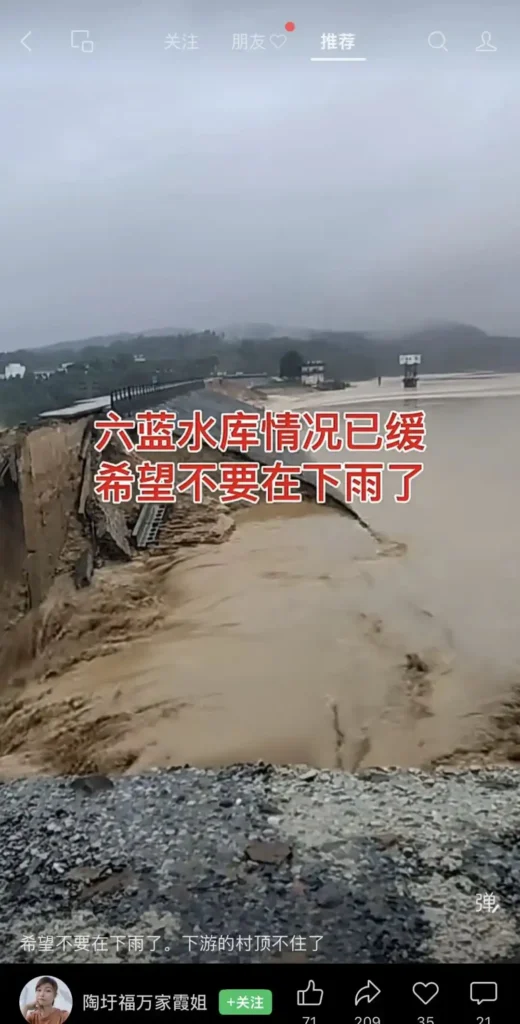
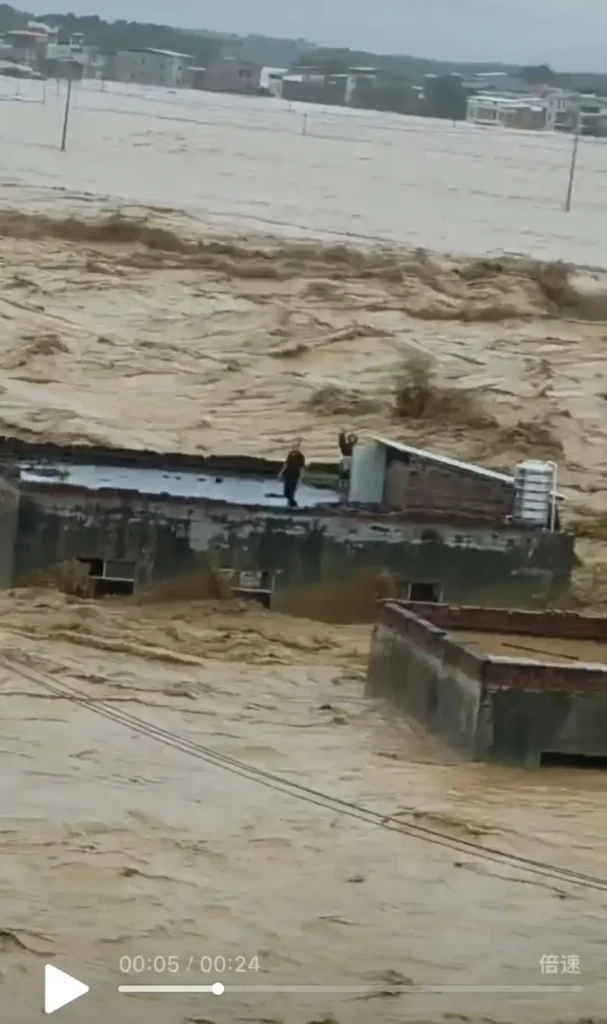
There were still two people on the roof in the surging floodwaters. I don't know if they have been evacuated.
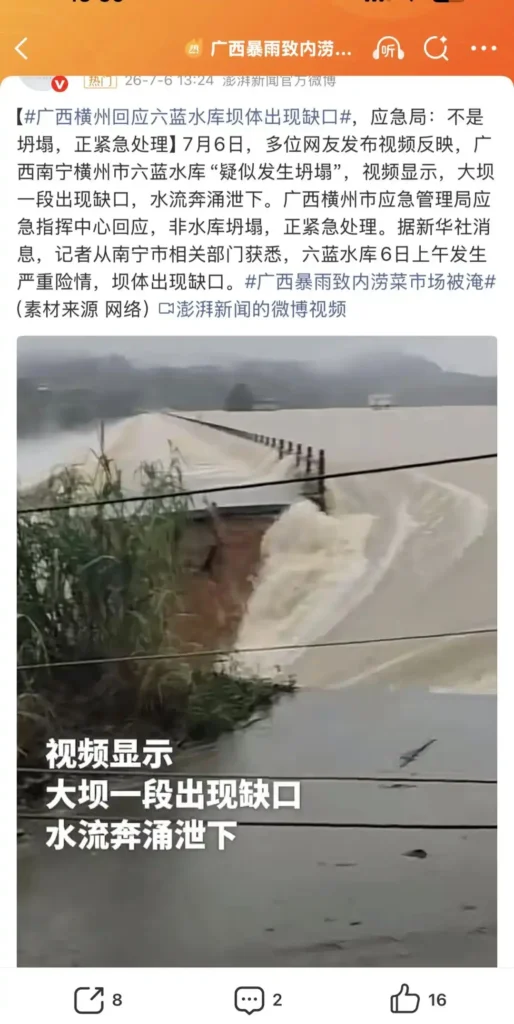
By noon, I saw that some media outlets were also reporting on it. The reports said it was suspected to be a collapse, but the Hengzhou Emergency Management Bureau stated it was not a reservoir collapse.
The video clearly shows a large breach, so why is it still described as a suspected collapse? I think media language needs to be very precise, as misstatements could be considered rumors. But if this isn't a collapse, what is it?
Chinese culture is profound and extensive.
I looked up the definition of collapse: When an object that originally maintained its upright and formed state through its structure, suffers structural damage and then collapses, sinks, or disintegrates as a whole, it is called a collapse.
Does it only count as a collapse if it collapses entirely? This dam only has a breach, so it's not called a collapse? That makes sense.
Is this called a dike breach? A dike breach generally refers to a breach in the dike of a river or sea. Does a reservoir dike count? It doesn't seem quite appropriate.
Is this called a dam break? A dam break, or dam failure, refers specifically to the overall or large-area collapse and rupture of the dam of a reservoir, barrage, or landslide dam, causing the large amount of stored water in the reservoir to be instantly uncontrolled and rush downstream in a flood disaster. 
This also implies a complete collapse, so this should not be a dam break.
And if it's just a breach, what is this called? Strictly speaking, it can only be called a partial dam break, or a dam breach.
Regardless of whether it's a collapse, dike breach, dam break, or partial dam break, these massive floods are rushing downstream, and we can only pray for blessings for those downstream.
This heavy rainfall was predicted in advance by the weather forecast. Why wasn't the reservoir capacity cleared in advance? Waiting until it couldn't hold anymore and then conducting emergency discharge only made things worse, adding flood to flood. It feels like this happens every flood season.
We've seen this situation too many times in recent years.
I saw an emergency notice for the discharge from the Liulan Reservoir in Hengzhou online. This is a discharge document issued on July 6th, stating that the discharge would begin at 6 AM. So the question is, when was the decision made to discharge?
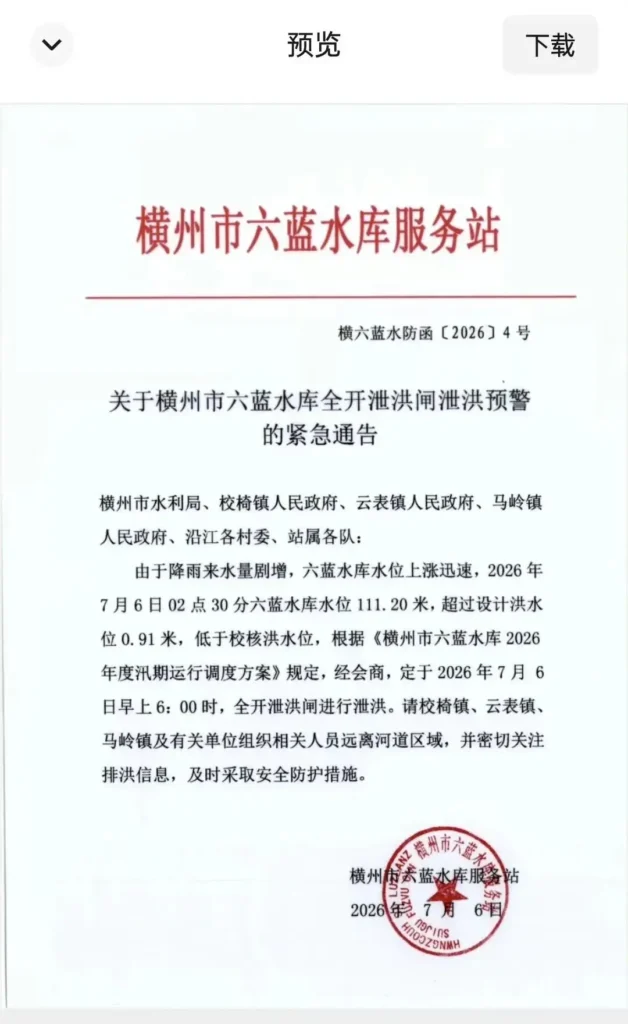
Based on this date, it was definitely on July 6th. And the notice states discharge at 6 AM. The document already mentions the water level situation at 2:30 AM on July 6th, which indicates the document was issued between 2:30 AM and 6 AM. At this time, many people might be asleep, so how could they evacuate in time?
I hope Guangxi gets more attention and that media outlets report more on the disaster situation.
I see that the floods in Guangxi are trending on hot search today, and many media outlets have started reporting.
I hope the disaster passes soon.
End of article
Please follow, like, comment, and share