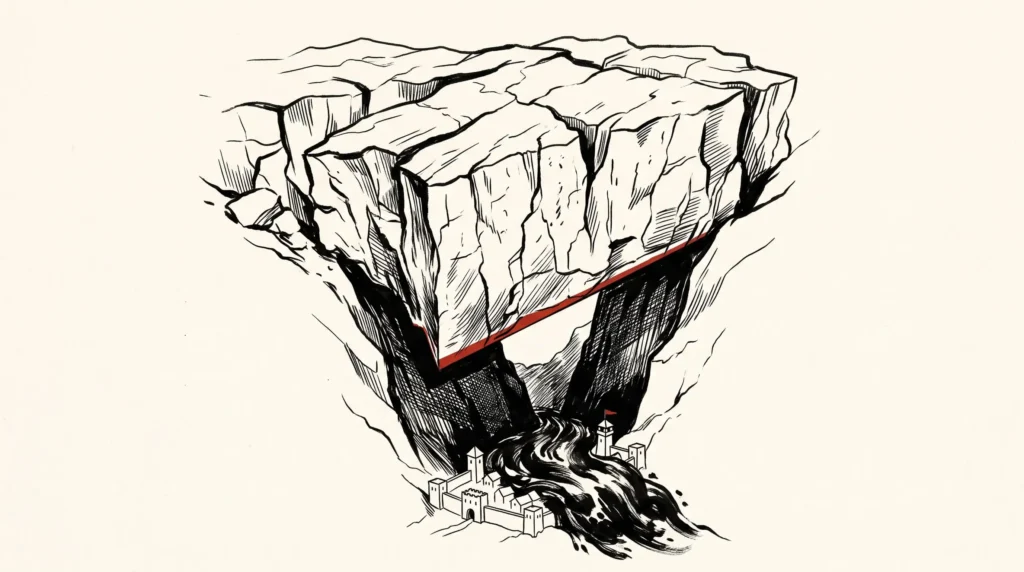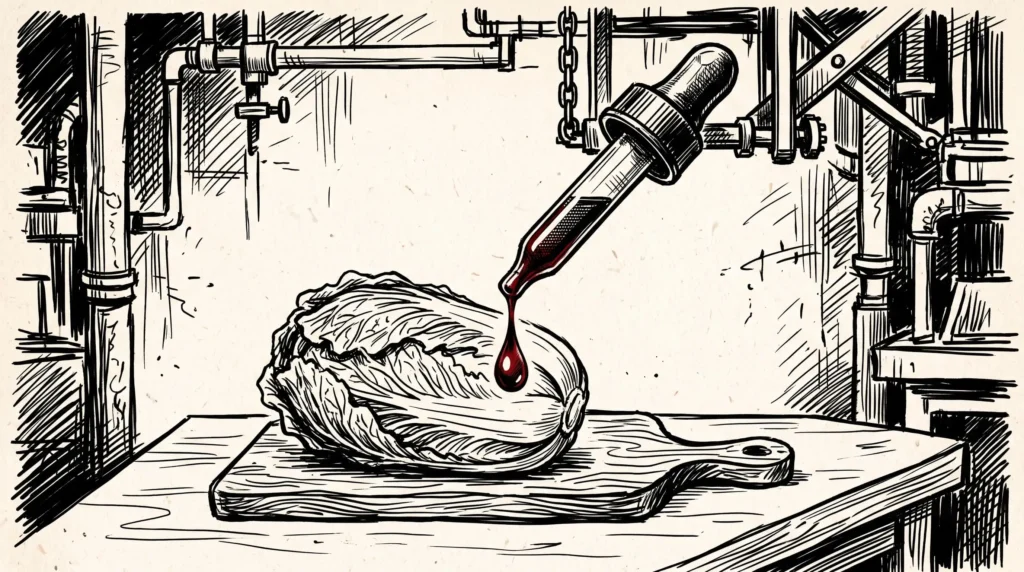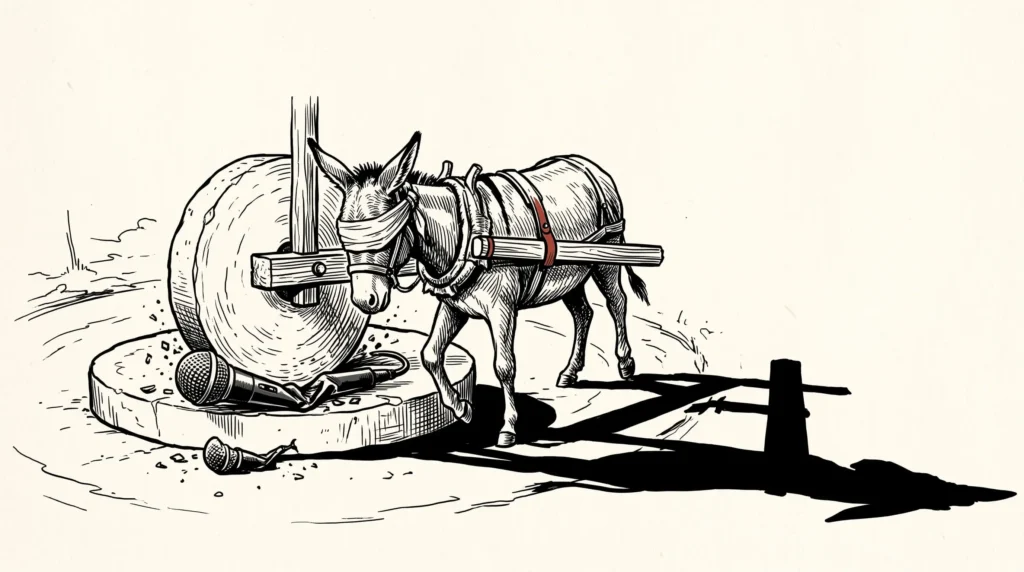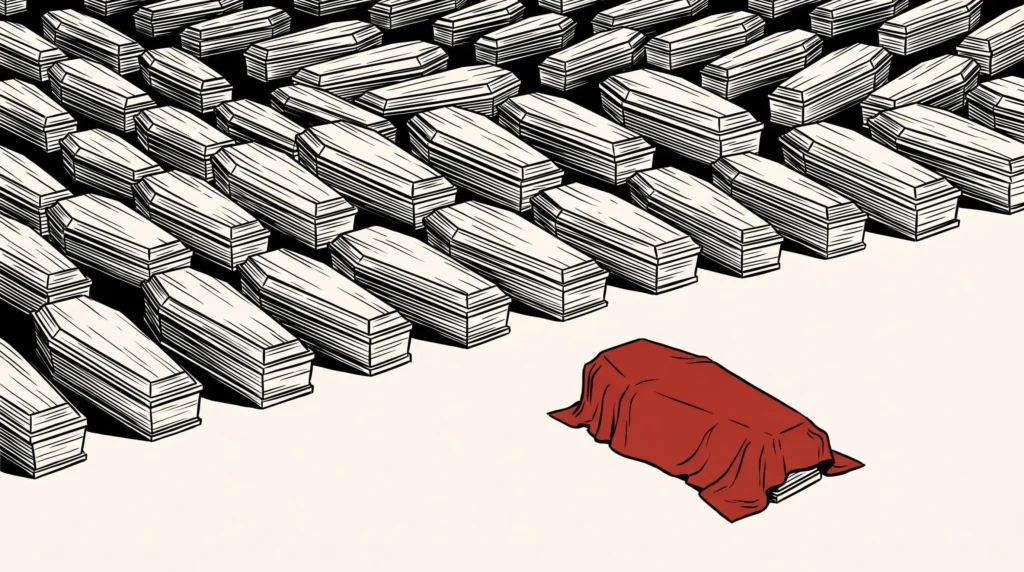
In China, becoming an official has always been the aspiration of countless people.
From the ancient imperial examinations to today’s civil service exams, becoming an “official” seems to signify success, respectability, power, and resources.
This deep-rooted “officialdom” mentality makes people regard official positions as the ultimate pursuit in life, dividing those within and outside the system into “heaven and earth,” even causing the entire society to revolve around power.
However, if society regards “becoming an official” as the only way out, then the country’s development truly has no way out.
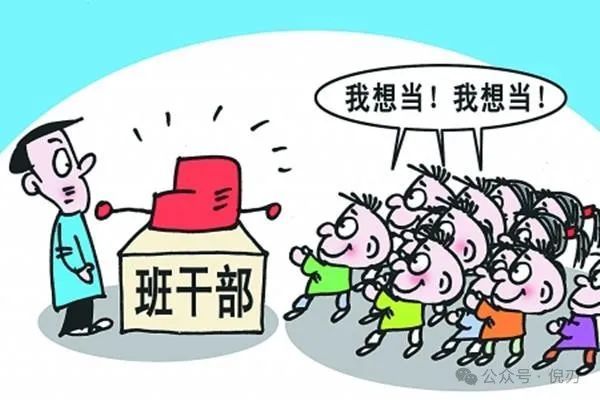
The harms of officialdom are numerous. It not only restricts the flow of talent and reduces market vitality but also fills the government with formalism and bureaucracy, and of course, rampant corruption.
In the more than forty years of reform and opening up, the economy has developed rapidly, but in many places, power is still the most valuable “resource,” rather than innovation, the market, or labor. Without changing this, what modernization are we talking about?
The first major problem of officialdom is that power controls everything.
The influence of China’s thousands of years of feudal society has instilled a deep-rooted understanding in people: “When one person achieves the Tao, their chickens and dogs ascend to heaven.” The direct consequence of this is that power not only means responsibility but also means benefits and privileges.
Chinese people generally are very fond of privileges, even some people who demand anti-corruption, are actually jealous that they don’t have privileges. Once they can enjoy privileges, they think it’s reasonable.
Although modern China’s market economy has become the mainstream, in many places, the officialdom mentality still influences social operations.
For example, in many places, entrepreneurs have to survive not by innovation, but by finding connections; talents have to develop not by ability, but by “backing.”
The popularity of civil service exams has not diminished year after year, and everyone is trying to squeeze into the system, not because they all love public service, but because this job is stable, has status, and has various “hidden benefits.”
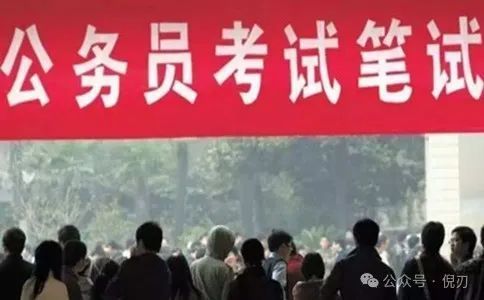
This situation of “power controlling everything” will lead to several serious consequences:
1. The market is hijacked by power, and enterprises lose competitiveness. In an environment where power determines resource allocation, enterprises do not compete on products but on connections, and truly creative enterprises are often marginalized.
2. Young people lose motivation, and social vitality declines. The most outstanding talents are unwilling to engage in scientific research or entrepreneurship, but instead take the civil service exam, and society will lose its source of innovation.
3. The government, which should serve society, has become a resource “referee.” The government, which should have formulated rules and ensured fairness, has become the biggest beneficiary and even participates in the “competition” itself.
These phenomena will decrease in countries where the officialdom mentality is weak.
For example, in the United States, although elites also need a lot of connections, the officialdom phenomenon of directly obtaining privileges through official positions is much weaker than ours, and young people rarely take pride in being civil servants.
Another example is Germany, where a blue-collar worker can still obtain a high social status if they are highly skilled. In these countries, what is truly valuable is individual ability, innovation, and professional spirit, not power.
In Europe, people’s values and pursuits are generally very diverse, and there is no officialdom mentality.

But in China, many people still believe that “becoming an official” is the best choice. Even some wealthy people, after making money, the first thing they do is not to continue investing in research and development, but to try to “get close to power”—donating money, building relationships, arranging jobs for officials’ children, the purpose of which is to pave the way for their own business.
This phenomenon, on the one hand, makes market entities lose the opportunity for fair competition, such as entrepreneurial loans, which can only be obtained by those with connections, and those who truly start businesses have no opportunity, which makes the whole society fall into “the theory of power,” as if there is no sense of security except getting close to power.
So how can we break the officialdom mentality? To truly change all this, we must start from several aspects:
1. The government should withdraw its hand and let the market truly determine resources. The core responsibility of the government should be to provide public services, not to directly control resources. Reduce the approval process, relax controls, and give enterprises and individuals more room for development.
2. Civil servants should be “de-privileged,” and the system should no longer be a “sweet potato.” Make the government truly a service-oriented institution, not a “harvesting machine” of benefits. Reduce the hidden benefits of civil servants, increase the intensity of accountability, and make “becoming an official” a real public service, not a shortcut to personal development.
3. Improve society’s respect for innovation and professional talents. Allow talents in entrepreneurship, technology, scientific research, and other fields to obtain the social status and rewards they deserve, and let young people see more possibilities besides “becoming an official.”
4. Strengthen the rule of law and put power in a cage. Only under the rule of law can officials not arbitrarily interfere with the market, enterprises can truly survive on their own strength, and individuals can succeed without relying on power.
Without breaking, there is no standing, only reform! Without reforming the officialdom mentality, there is no way out for development.
If the officialdom mentality is not broken, society will long be trapped in a vicious cycle: officials are keen on power, entrepreneurs are keen on public relations, young people are keen on civil service exams, and the vitality of the entire country will be consumed in meaningless power games.
If China wants to truly modernize, it must completely get rid of this ideological constraint, let the market return to the market, let power return to power, and let talents return to where they are truly valuable.
Although this process will not be smooth sailing, but without reform, there is really no way out.
·END·
Welcome to join my discussion group, where 800 readers are already interacting with me through Q&A, stock market investment exchanges (only investment knowledge, no analysis of stocks and investment advice), macroeconomic dynamics, exclusive column article sharing, current affairs discussions, book recommendations, and sharing of previously banned articles.
This is not a WeChat group, but a paid community under the “Knowledge Planet” app, with a fee of 88/year. Welcome to scan the code to join:

For loss of contact or consultation on joining the Knowledge Planet, you can add my personal WeChat:

The writing topic is sensitive and has the risk of being blocked. To prevent loss of contact, you can follow my backup account:
Discover more from 自由档案馆
Subscribe to get the latest posts sent to your email.