Mao Anying: From Yan’an to Korea
Mao Anying was the eldest son of Mao Zedong and Yang Kaihui, born in Changsha, Hunan in 1922. In the revolutionary years, he lost his mother at a young age and was sent to the Soviet Union for study after several transfers. After the victory of the Anti-Japanese War, he returned to Yan’an, devoted himself to the revolutionary cause, and became an outstanding cadre trained by the Communist Party of China. In 1950, the Korean War broke out, and Mao Anying voluntarily applied to join the Chinese People’s Volunteer Army, serving as a translator and staff officer at the Volunteer Army headquarters, assisting Peng Dehuai in his work.
Mao Anying died in a U.S. air raid on November 25, 1950, which became a painful memory in the history of the Volunteer Army. However, the specific details of his sacrifice were shrouded in a shadow of controversy due to the rumor of “fried rice with eggs”.
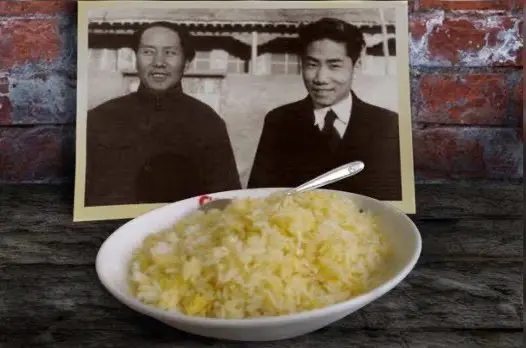
Where did the “fried rice with eggs” rumor come from?
According to some memoirs, on the morning of November 25, 1950, the U.S. military discovered the house where the Volunteer Army headquarters was located through reconnaissance aircraft and quickly launched an air raid. During the air raid, Mao Anying was in the house, and what he was doing at the time became the focus of controversy.
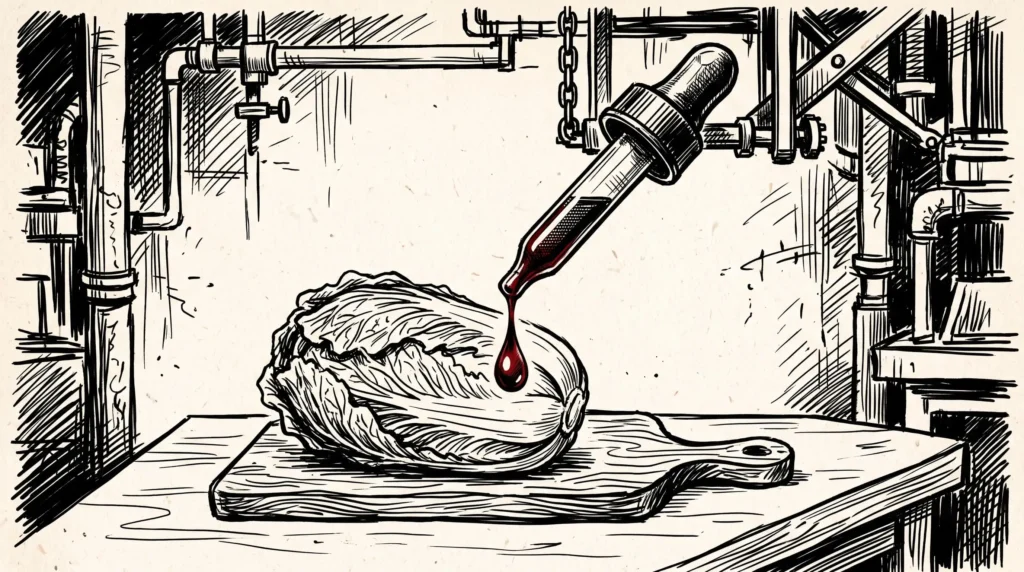
One version comes from Yang Di’s memoir “In the Years of the Volunteer Army Headquarters – The Little-Known Truth”. The book mentions that at that time, in order to improve the food, Mao Anying took eggs from the supplies provided by the Korean People’s Army and made fried rice with eggs for himself. Because the stove produced smoke, it attracted the attention of the U.S. reconnaissance aircraft, which led to the air raid.
This statement has been widely spread since the 1990s and has gradually been accepted by some people. However, many historians and eyewitnesses have questioned this. Cheng Pu clearly stated in the materials written for the Peng Dehuai biography writing group that the conditions of the Volunteer Army headquarters were simple, and there was no equipment for cooking. “The stove was only used for heating, and things like spatulas and frying spoons did not exist at all.”
In addition, Mao Anying’s widow, Liu Siqi, also clarified many times that the so-called “fried rice with eggs” rumor did not conform to the actual situation at all and was a false slander against Mao Anying.
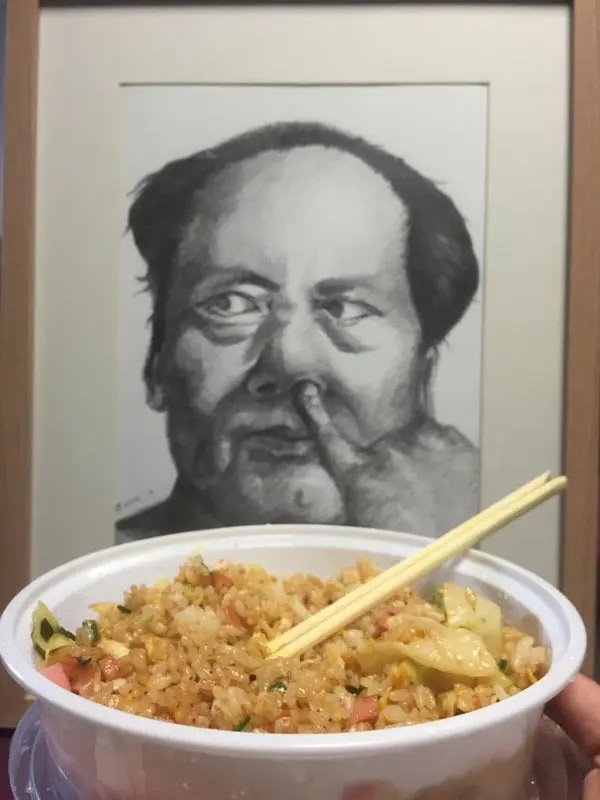
Fried Rice with Eggs and Internet Culture: The Playfulness and Conflict of Historical Memory
In recent years, the term “fried rice with eggs” has gradually evolved into a symbol with metaphorical and protest meanings in the Internet culture of mainland China. On Mao Anying’s birthday (October 24) or the anniversary of his death (November 25), some netizens will express their dissatisfaction with certain social issues by posting pictures of fried rice with eggs or making recipes, alluding to the “fried rice with eggs incident”. This behavior is called “fried rice with eggs protest”.
This playful cultural expression has sparked a certain amount of heat on the Internet, but it is also accompanied by a lot of controversy. Supporters believe that online expression is a part of modern society, and the public has the right to express their opinions on historical events; while opponents believe that this behavior is disrespectful to heroes and ignorant of history. Relevant departments usually ban similar content, and those involved may also face penalties.
Although there is a lack of conclusive evidence about the “fried rice with eggs” incident, it reflects the public’s questioning and interpretation of certain historical narratives. This questioning is not always malicious, but its playful treatment of historical figures has indeed sparked a profound discussion about historical respect, but also because of Mao Anying’s death, so China did not embark on the hereditary system like North Korea, which is also a great fortune for China.
Discover more from 自由档案馆
Subscribe to get the latest posts sent to your email.