Socks are of course better to wear if they contain more cotton fiber, and they are not actually expensive. At the factory production end, a pair of pure cotton socks (actually containing about 70% cotton) costs only a little over a dollar. However, it is now difficult to buy pure cotton socks on e-commerce platforms. A large number of socks labeled as pure cotton or cotton-pure actually only contain cheap polyester fiber.
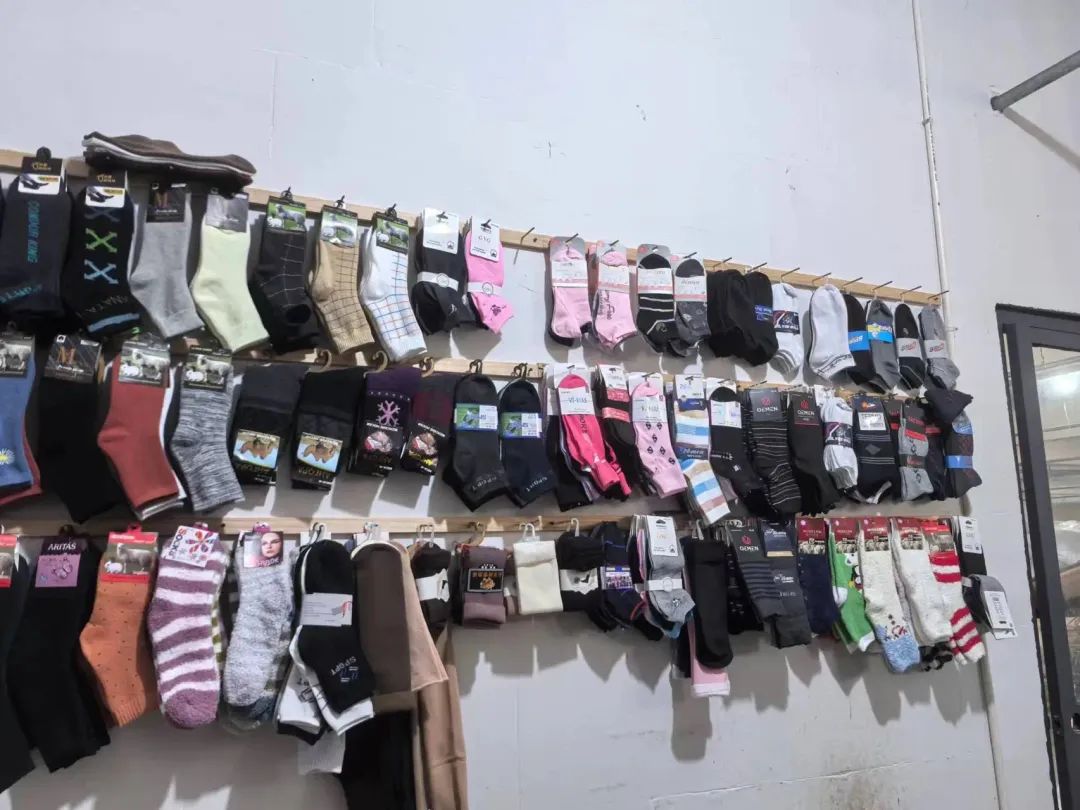
The overall quality of the sock industry has gone from upgrading to stagnation, and now to regression, behind which the company that cuts a knife has indelible credit. Many other industries related to our daily lives are like this.
I knew this causal relationship before, but I have always lacked detailed investigations to support my views. It was not until I recently saw an in-depth investigation report from the public account “Zhengmian Lianjie” that I realized more intuitively and specifically how deep the negative impact of the rise of an e-commerce platform on various fields of people’s livelihood consumption products is.
Taking the sock industry as an example, the report of “Zhengmian Lianjie” details how the extreme exploitation of e-commerce platforms is forcing the foundries of the entire industry to reduce prices step by step, eliminate cotton socks in reverse step by step, and stop industrial upgrading step by step and fall into low-quality involution.
According to the report of “Zhengmian Lianjie”, pure cotton socks, which are more absorbent and breathable, had already become the absolute mainstream of the market in the 2010s. After an e-commerce platform suddenly emerged, the average price of socks was indeed brought down, but the pure cotton fiber in the socks was also driven away at the same time. In Zhuji, Zhejiang, which accounts for 70% of the country’s sales, the shipment volume of polyester socks is already several times that of pure cotton socks.
It took more than 20 years for the Chinese market to upgrade from chemical fiber socks that crackled with static electricity 40 years ago to pure cotton socks dominating, while it took less than 5 years for pure cotton socks to downgrade from the absolute mainstream to the supporting role of polyester socks. What force is at work?
The reason is simple: the price of socks is suppressed to an unreasonable range by certain platform rules, suppressed to the “death line” where pure cotton socks make a pair and lose a pair, and naturally it is the world of low-cost polyester socks.
Although the report of “Zhengmian Lianjie” did not directly name it, anyone with a discerning eye can see that this platform that suddenly emerged is the one that cuts a knife.
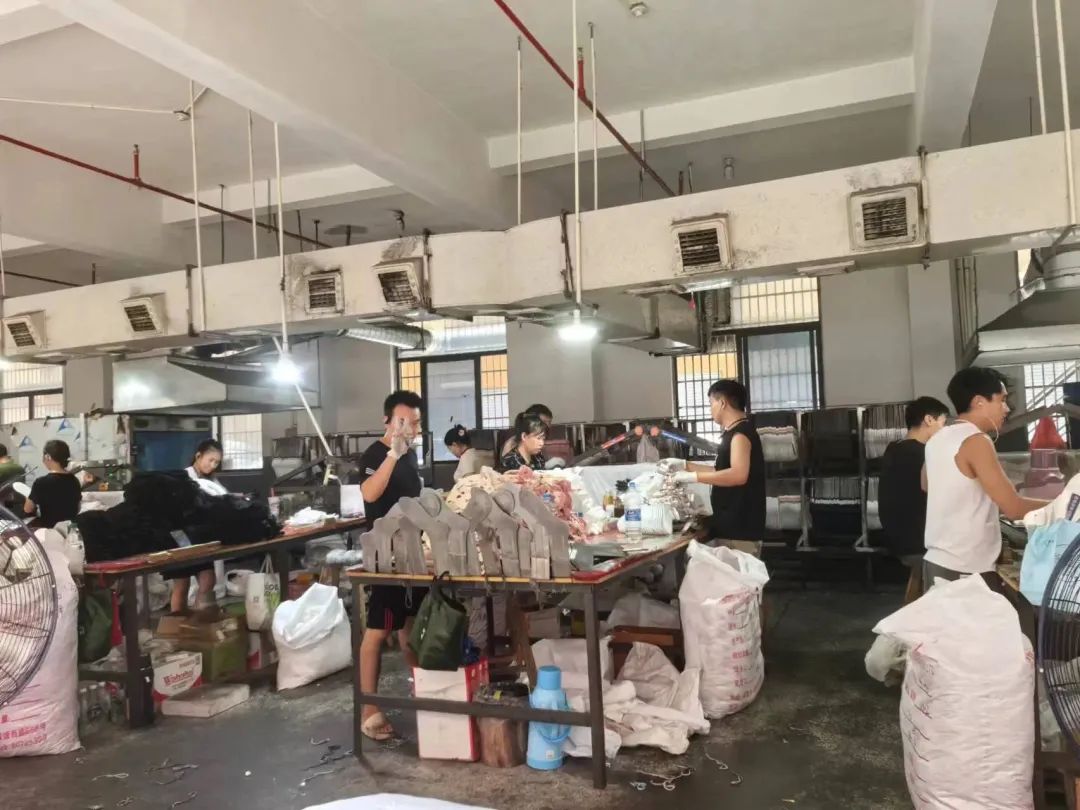
To what extent is the production cost of socks compressed? In the hot summer of August, when the body temperature reaches 40 degrees, a sock factory in Zhuji does not even dare to turn on the air conditioner.
The boss of the sock factory, Huang Xiong, said: “I run a machine, I can earn a maximum of 30 yuan a day, and a minimum of 15 yuan. If I run 30 machines, it is less than 500 yuan. If I turn on the air conditioner, the electricity bill for a few hundred square meters of space will be more than 300 yuan a day, so I dare not turn it on.”
The logic of the sock factory has become very simple and crude: compress the cost and profit to the lowest, earn only 1 cent in each link, and supply socks to customers at almost the lowest price.
So who are the customers? You think it’s every consumer, but that’s wrong. The factory’s real customer is the one that cuts a knife.
On the surface, the factory opens a store on the e-commerce platform, and the one that cuts a knife only provides Internet services, but in fact, the one that cuts a knife determines the retail price of the product, determines the product promotion plan, and determines the after-sales refund of the order.
The platform is the only real seller, and the factory is just the supplier of the one that cuts a knife.
In actual operation, the operation of the one that cuts a knife will contact many white-label factories that produce socks, requiring them to significantly reduce prices, and the lowest price in the category can get the platform’s traffic support and recommendation. You want to say that my price is slightly higher and the quality is better? Useless, the platform does not give you traffic support, and users cannot find your store when searching.
So it seems that although consumers can hardly buy good quality socks on this platform, they can at least buy cheap and affordable socks, right? Yes, but there is a premise that the quality of the socks must have basic guarantees, and they cannot reveal their toes after wearing them for a few days, and they cannot stink up the whole room when they take off their shoes.
And the quality of socks is precisely the indicator that the one that cuts a knife does not care so much about, because this platform also has a unique skill to replace merchants to operate direct refunds, and all the refund costs are borne by the factory.
No matter how inferior the quality of the socks is, as long as the price is low enough, they can continue to get the platform’s traffic recommendation after the refund. There are always more users who are too lazy to apply for after-sales for a few dollars, and the manufacturers who produce inferior polyester socks make a profit of 1 cent in each link by relying on the one that cuts a knife.
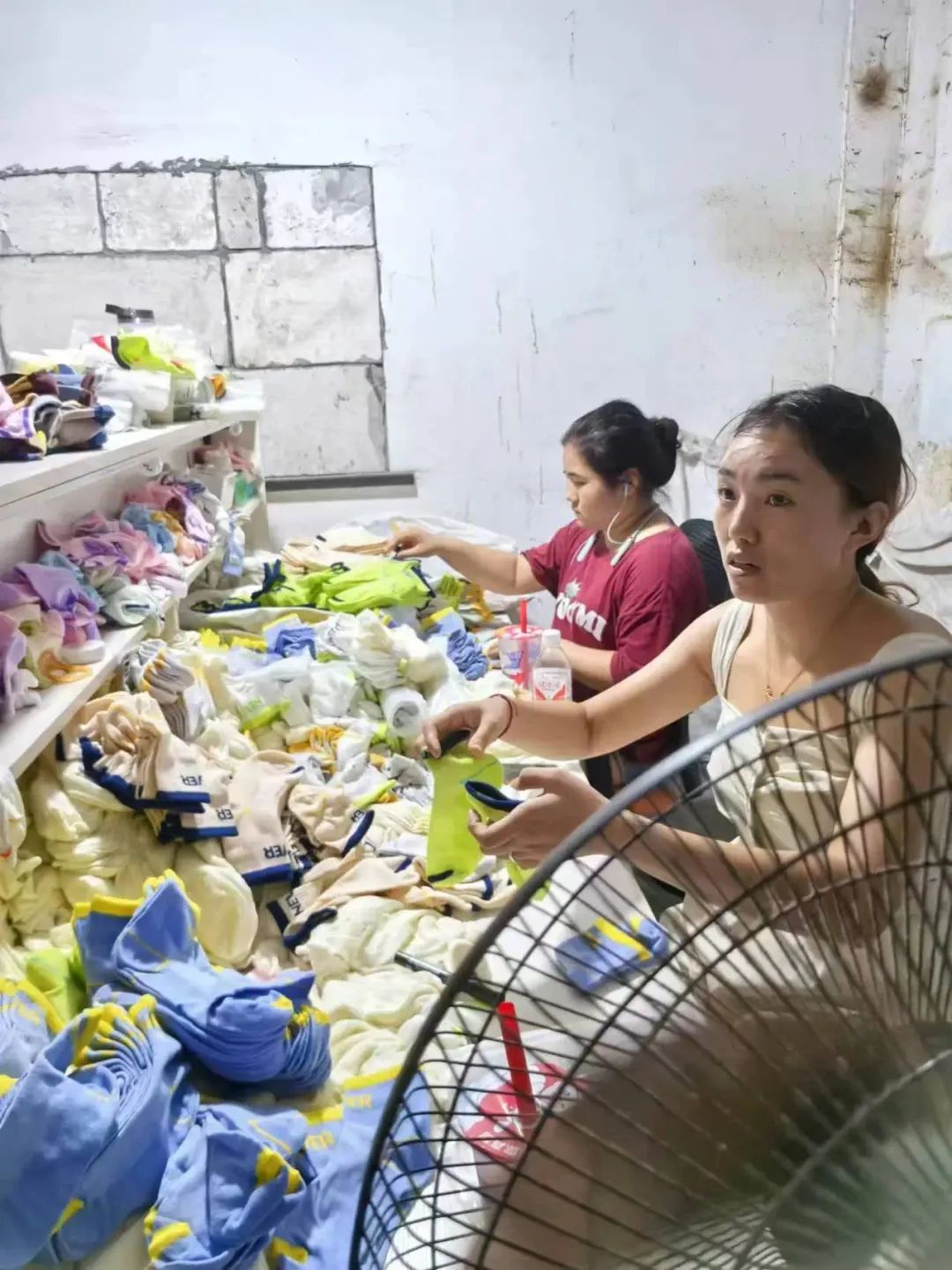
If it is only like this, one or two factories in a category are exploited by the one that cuts a knife platform, it will not affect the entire industry. The one that cuts a knife is powerful in that it will constantly change the factories that support traffic, and whoever gives a lower price will tilt the traffic to whom, forcing all supply factories to roll the lowest price.
The most absurd thing is that socks that are normally produced and sold need to be compared with socks that are clearing inventory at a loss.
So how can socks that are normally produced and sold be compared with socks that are clearing inventory at a loss? There is only one method of “Tian Ji’s Horse Racing”, which is to package C-grade socks as A-grade for sale, so that they can compete with the low price of A-grade socks that are clearing inventory at a loss. This is also the reason why consumers often feedback that the low-priced products they buy from the platform do not match the goods.
Small profits but quick turnover is a situation that benefits both buyers and sellers, while low-priced dumping that does not match the goods is a double harm to the industry and consumers. The only one who benefits from it is the platform that stands undefeated.
Then some readers will say, I know the characteristics of this platform, and I will buy it when I don’t care about the quality and just want to be cheap. If I want to buy good quality things, I will go to other platforms, isn’t it perfect?
That’s too naive…
The impact of the one that cuts a knife on the industry is not limited to the factories it recommends on its platform, but through extreme involution, it has forcibly stagnated and even pulled back the industrial upgrading of many industries.
According to the report of “Zhengmian Lianjie”, in the 2010s, the Zhuji sock industry experienced several overall industrial upgrades, and manufacturers upgraded and updated the machines and equipment of technology. A factory director introduced that it was inevitable to upgrade the machines at that time, and they had to change them, or they would be eliminated by customers. The government’s subsidy for the “all-in-one machine” that produces high-end socks once reached 40%. And now, pure cotton high-end socks are the most difficult to make, and they are all rolling low prices, so manufacturers naturally have no motivation to upgrade new machines. Most of the manufacturers interviewed by Zhengmian Lianjie have not yet replaced the latest generation of “weaving and folding integrated machines”.
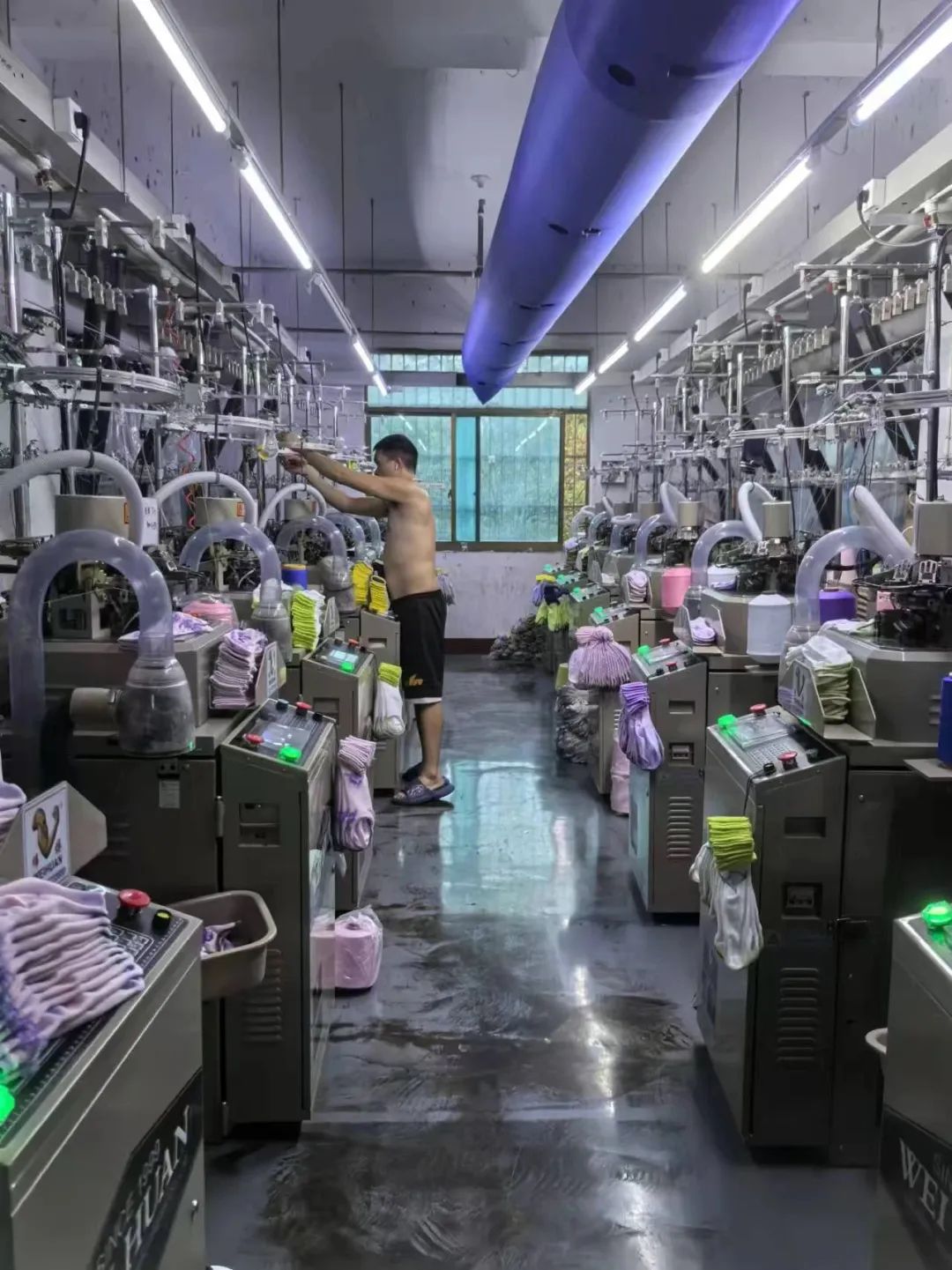
A sock factory in Zhuji originally aspired to make its own brand and customized packaging materials worth 2 million yuan, but now it is just lying there gathering dust. There are also factories that have sent away the manager who developed new products and have returned to the route of low-end and high-volume.
Under the atmosphere of extreme low-price rolling, the pace of industrial upgrading of the entire industry has been brutally interrupted, and even a regression of production technology has occurred in some areas. The power of a platform’s rules is so terrifying.
Projected onto each of us, it is that we not only have difficulty buying real pure cotton socks on the one that cuts a knife, but even if we switch to other e-commerce platforms, we also need to spend more effort to have the opportunity to buy a pair of pure cotton socks. And socks are just an inconspicuous one of the thousands of industries in China that have been eroded by the extreme low-price rolling platform.
Children’s clothing, skin care products, charging cables, beef jerky… countless industries have fallen into the predicament of white-label factories struggling to survive.
Share some basic common sense:
A market with low prices and high prices is a necessary condition for the prosperity of the industrial chain and the benefit of consumers. A market that only has endless low-price rolling and disregards product quality will eventually harm everyone.
This article was first published on the public account Basic Common Sense on November 5, and was later deleted by mysterious forces. It is now revised and republished to correct the atmosphere.
Discover more from 自由档案馆
Subscribe to get the latest posts sent to your email.