Today in Shenzhen, I mainly did two things. First, I attended a seminar on “Industrial Security and Development,” and second, I went to the Shekou Japanese School for a half-hour on-site observation. The two things seem unrelated, but they are closely related. In short, it is roughly as follows:
1. When discussing the development and security of China’s industries, it must be done at the level of specific people. However, it is regrettable that at this seminar, which brought together famous figures and many influential people, some discussed financial security, some discussed national security, and some even talked about Sang Hongyang of the Western Han Dynasty and the Nationalist Party’s Gold Yuan, but no one mentioned “personal safety.” If foreign-funded enterprises invest in China, and even the personal safety of employees’ families cannot be guaranteed, what security and development can China’s industrial chain talk about?
Therefore, this seminar, which represents China’s highest level and brings together a large number of elite industrial policy researchers within the system, I believe clearly presents the current “wait-and-see” phenomenon in China’s policy research circles: it’s clearly in Shenzhen, clearly in Nanshan, clearly less than 8km from Shekou, and tomorrow is what happened yesterday, yet not a single scholar has even offered a point of analysis from a professional perspective.
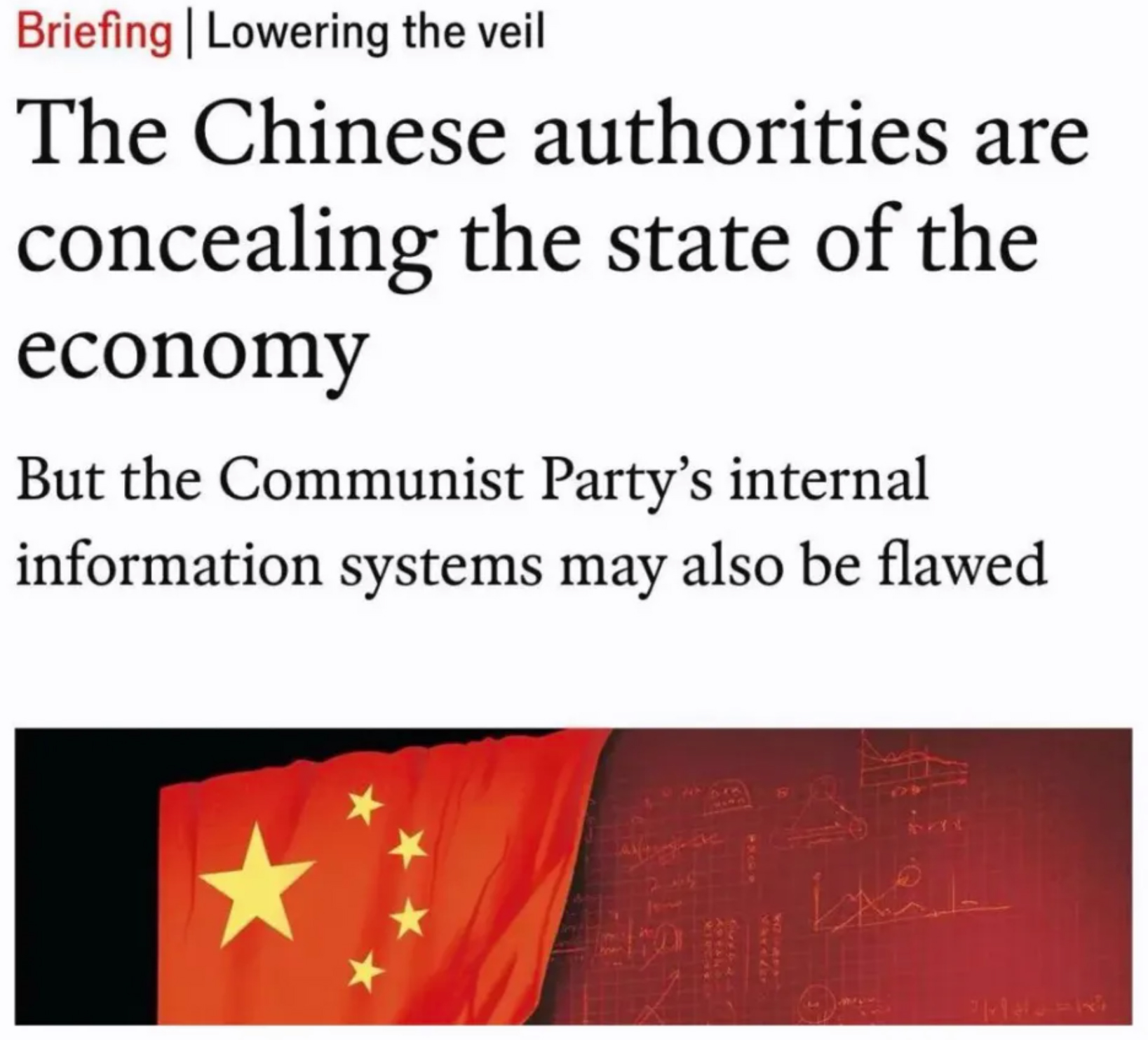
The Economist magazine mentioned the problem of “internal information failure” behind China’s economic crisis, which also well corroborates this view. The so-called suggestions put forward by China’s policy research field are seriously detached from reality, how can they possibly play a role? Of course, what is behind this needs to be discussed separately, but the phenomenon is indeed so.
2. A seminar held in Shenzhen, focusing on the security of China’s industrial chain, and funded by Shenzhen entrepreneurs, failed to examine the rise of Shenzhen’s industrial technology in the process of China’s integration into globalization. On the contrary, almost everyone is focusing on “de-globalization.” Only one former technocrat reminded that Shenzhen’s characteristic is “making money, making money, making money.” In order to make money, it is necessary to make Japanese, American and other enterprises that have close cooperation with us feel comfortable on the basis of adhering to principles.
What does it mean to feel comfortable? At the very least, personal safety should be guaranteed. From June in Suzhou to September in Shenzhen, the two most developed cities in China’s modern manufacturing industry, the occurrence of homogeneous malignant events has raised huge doubts about the relationship between China and foreign enterprises in public narrative — is China really one of the safest countries in the world as the official says? Coincidentally, a beautiful female scholar provided the participants with data showing a sharp decline in FDI (foreign direct investment) for two consecutive years. After all, from public health prevention and control to the safety protection of minors, the respect and protection for people are difficult to defend.
3. After the meeting, I went to the school gate where the incident occurred. I stood and observed for about half an hour, and saw that the flowers at the door had increased from three bunches to more than ten bunches. I saw two ladies riding shared bicycles delivering chrysanthemums, and also saw several takeaway riders hurriedly getting out of the car and putting flowers at the door. I also talked with a lady next to me. She is a voter of the Shekou Foundation. She told me that Yuan Geng’s statue is nearby, and as Shekou residents, they must express their attitude. In the evening, I read an article published by the Shekou Foundation, which was probably related to that lady, but the article was immediately deleted.
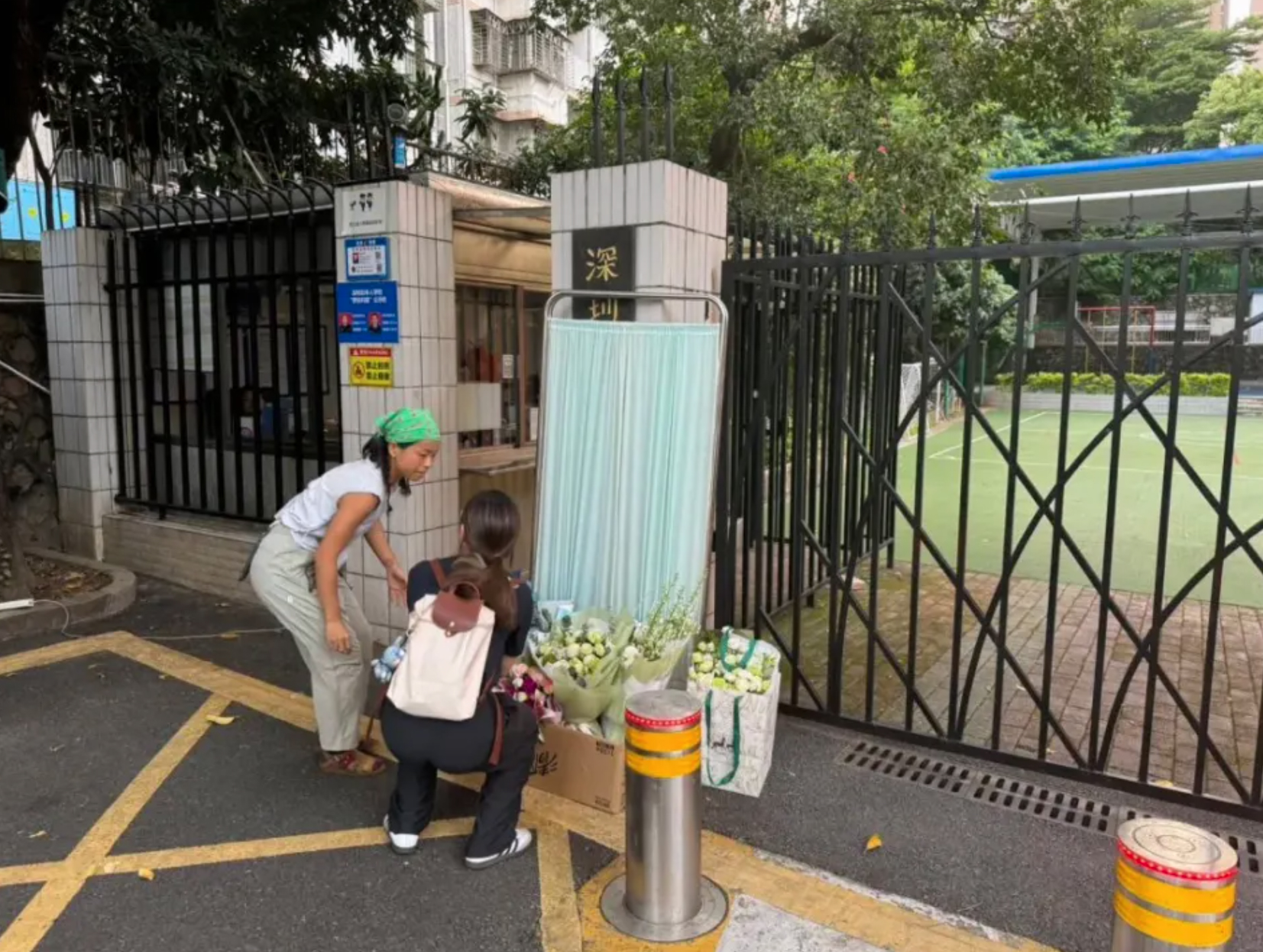
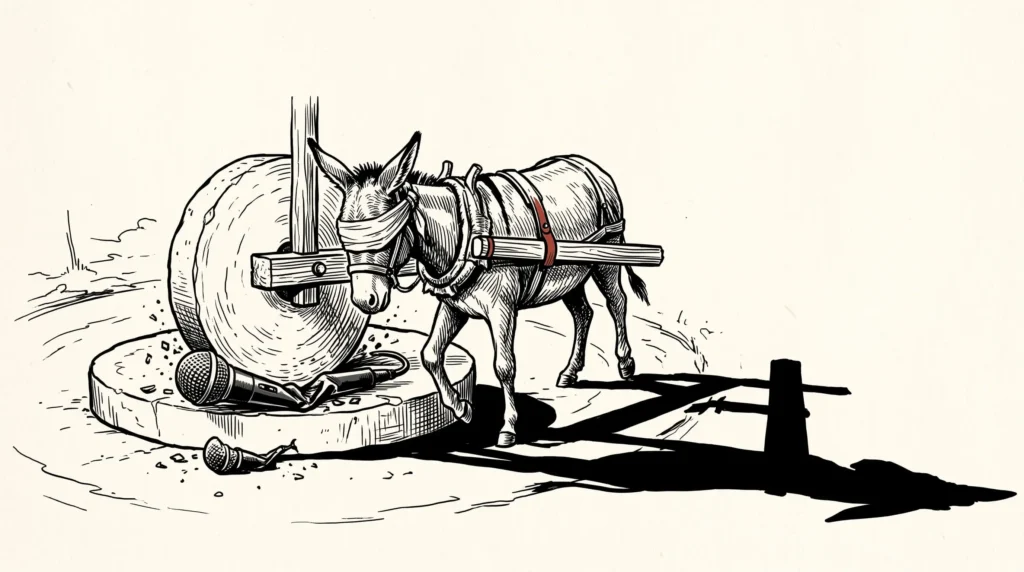
Many people don’t know that Shekou proposed “time is life, efficiency is money” in 1981, because it was stimulated and infected by the efficient operation of Japanese companies. In 1980, the Shekou Aluminum Factory asked a Japanese company to build a factory building. As a result, only 27 Japanese workers came, but they completed the project with extremely high efficiency, which greatly intensified the workers and cadres of the Chinese side at that time. For more than 40 years of reform and opening up, foreign-funded enterprises have not only provided investment, technology, and management support, but more importantly, they have provided learning models and competitors. Unfortunately, including the seminar venue, there are always some people who keep emphasizing how great my country is. Under the strong self-anesthesia, the policy research circles have also become the largest mixed pool of self-entertainment and flattery.
4. Industrial development and security cannot be discussed in terms of economics for economics, or technology for technology. Industry is rooted in specific political, economic, cultural, and social relations, which means that if China’s extreme nationalist sentiment gets out of control on a large scale, then industrial security will no longer exist. Therefore, not only this meeting, but also the remaining public discussions must point to one point:
The posture and strategy of “politics on the left, economy on the right” will not be able to continue. China must at least return to the universal value of respecting people’s basic rights. The high-level officials proposed that global civilizations can learn from each other very early, and then proposed a community of shared future for mankind, which means acknowledging that China and the world can find a common bottom line of values. So what is this bottom line of values? I think the official must abandon the ambiguous state and say it loudly and repeatedly to show its position.
That’s all.
Discover more from 自由档案馆
Subscribe to get the latest posts sent to your email.