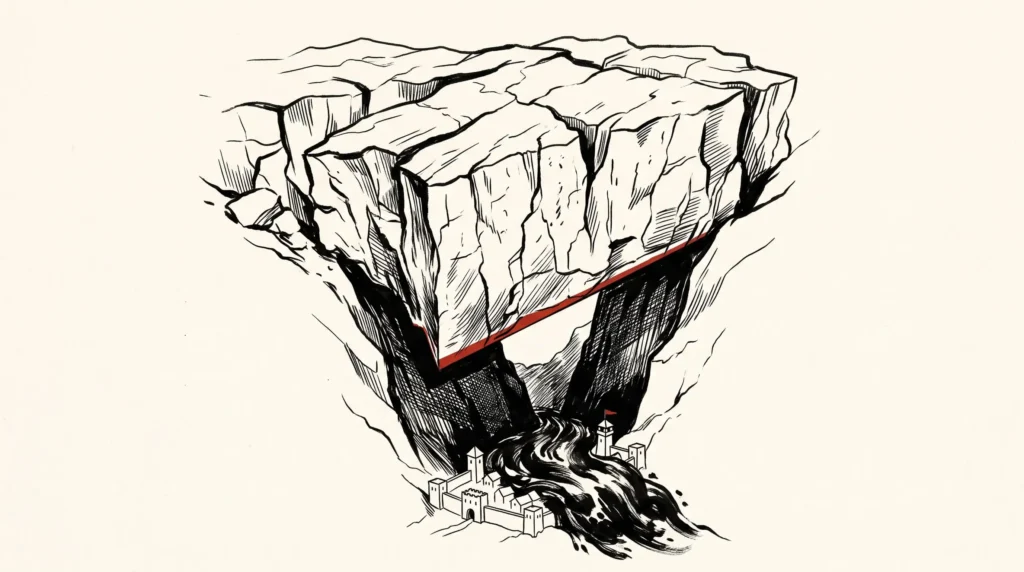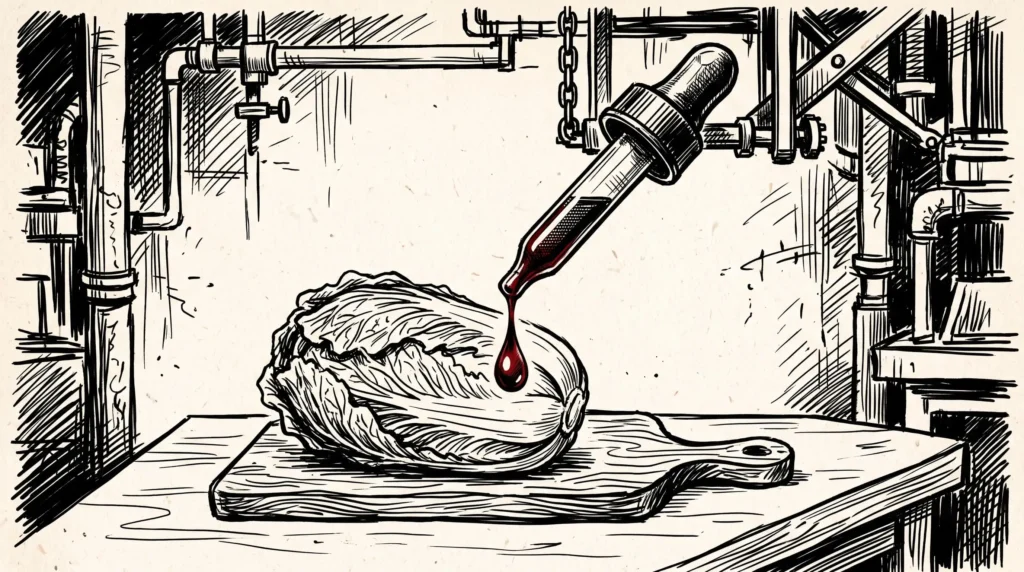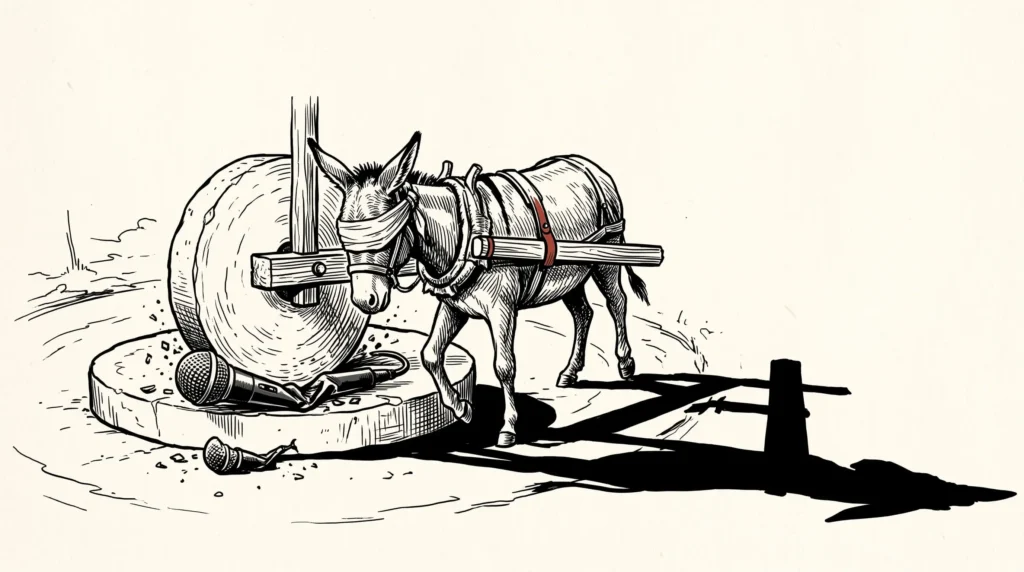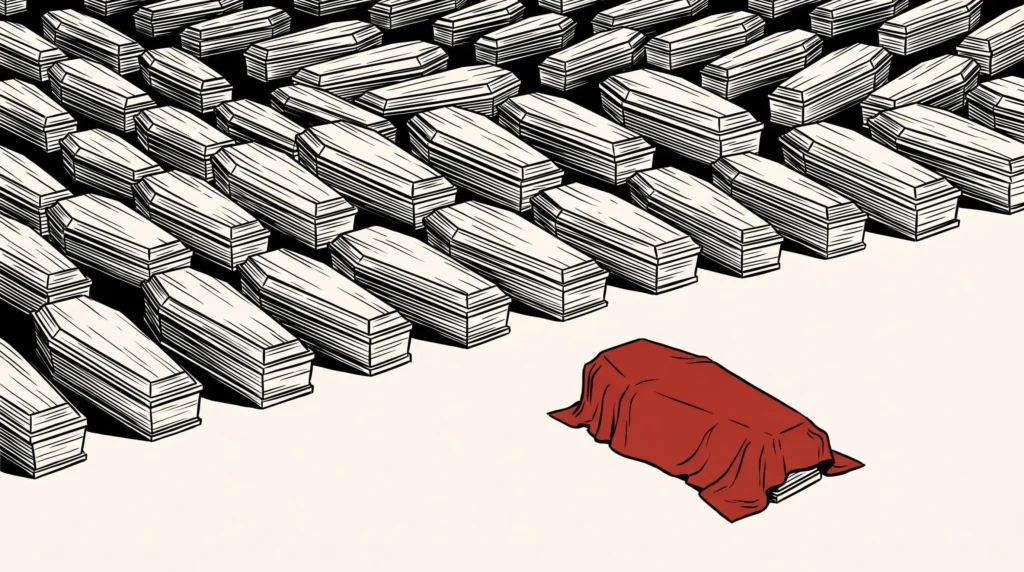
I’ve heard from friends around me more than once that they are willing to give up their privacy if it can make their lives more convenient and safer. Every time I am shocked and curious, why has privacy become so cheap in our cultural system? Don’t they have secrets to protect? Don’t everyone have such an open and honest character that they are willing to let everyone know their every secret?
The “Administrative Measures for Public Services of National Network Identity Authentication (Draft for Comments)” was officially announced on July 26 and open for public comment.
Professor Lao Dongyan said that this is similar to the “health code during the epidemic, and the governance thinking is exactly the same, but it is to normalize and regularize the social control through the health code.”
This means that every webpage you have visited, every word you have spoken, and every trace you have left can be traced. This is terrible, because some of the content I usually browse, I don’t want others to see, even if the content is not a problem. Because I feel that this is a part of my private personal life. If others can know what I have seen, it feels like my bedroom is open and becomes a zoo, which can be viewed at will.
This seems to be more convenient for social governance, but running naked on the transparent Internet may make the Internet lose its due meaning. It is because of the existence of virtual space that many people are willing to post what they are unwilling to say in public life and browse the information they want.
If every subtle clue is controlled by data supervision, then will everyone dare to browse things randomly on the Internet, and dare to speak randomly? In other words, what things can be regarded as browsing randomly, and what words belong to random words?
I think of Professor Li Zhi of Peking University, who refused to enter the gate with face scanning because he opposed the gatekeeper system of Peking University, but jumped over the fence and ran with the security guards.
Li Zhi is concerned about the issues of freedom and privacy, because “free access to universities is a matter of course.” Setting up some artificial obstacles in the name of safety seems to make the university safer, but it also castrates the most important spirit of freedom in the university.
And the gate face scanning technology is also at the cost of individuals giving up their portrait freedom.
For those who care about individual privacy, maybe we should also be like Teacher Li Zhi and jump over the net number and net certificate.
Only when we ourselves think that privacy is important, will the system designers be more humane when considering issues such as safety and management. If we ourselves do not take privacy seriously, then just use big data technology directly, and social management will become a puppet game. I believe this is not the form we want to see.
For the management of cyberspace, the difficult thing is never technology, but social ethics. It is possible to achieve the effect of net number and net certificate technically. The problem is that once it starts to be applied on a large scale and becomes a social consensus, it will cause a lot of subsequent troubles. Once we give up this privacy, then any future privacy, we will not feel heartache when we give up.
Hackers are a problem.
But the more potential problem is that once everything is transparent, those private spiritual lives will be less valued. People live in the sun, and shadows have nowhere to live. But a large part of our personality is precisely in the shadows. Protecting your secrets is actually protecting your dignity. If you don’t take yourself seriously, I think you can give up. But those who still value individual spiritual life should still strive to become high jumpers, just like the runaway Truman.
Discover more from 自由档案馆
Subscribe to get the latest posts sent to your email.