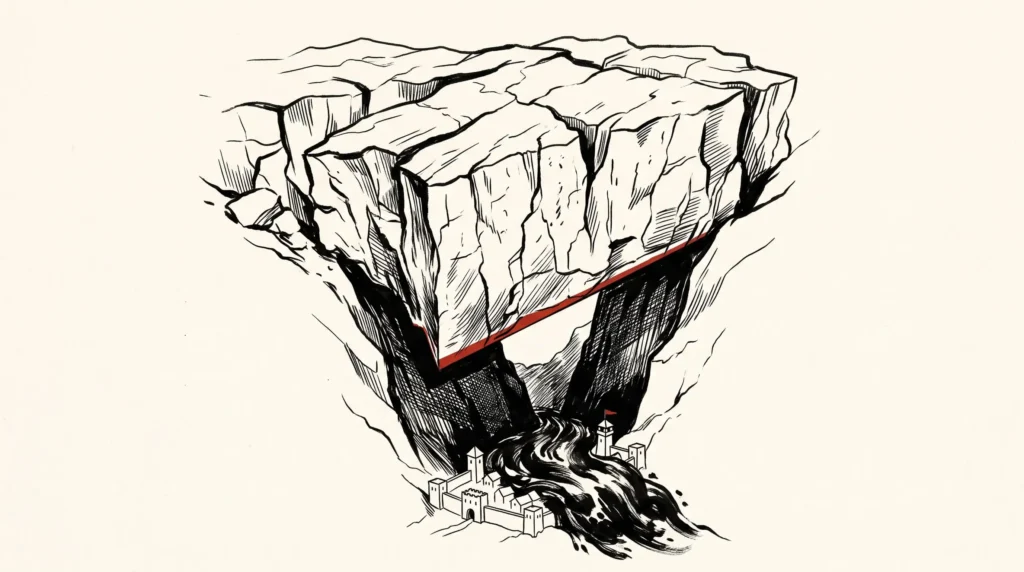
According to a report from Cailianshe, starting from the early morning of June 25th, API developers from various countries and regions, including mainland China, have successively stated on social media that they have received official email notifications from OpenAI. The email stated that starting from July 9th, additional measures will be taken to stop the use of APIs from countries and regions not on the list of OpenAI’s supported countries and regions.
OpenAI’s official website announcement shows that OpenAI’s API is currently open to nearly 190 countries and regions. Accessing or providing access to its services outside of these countries and regions may result in user accounts being blocked or suspended. Mainland China and Hong Kong are currently not on the list of countries and regions open to OpenAI API services.
What exactly does this news mean? We need to first understand what an API is. The following is an explanation from the IBM official website:
An API (Application Programming Interface) is a set of rules or protocols that support software applications to communicate with each other to exchange data, features, and functions.
APIs allow developers to integrate data, services, and functions from other applications instead of developing them from scratch, thereby simplifying and accelerating application and software development.
Application owners can also share or market data and functions to business partners or third parties.
You might still be confused, so let’s put it simply: an API is the bridge between backend data and users.
Some people may ask, isn’t OpenAI’s product—the well-known ChatGPT—not open to Chinese users? Why is this old news being brought up again?
In fact, it’s like this: it’s indeed not possible for Chinese users to use it directly, but it’s still possible to ‘take a roundabout route’.
As an interface, the API allows domestic product developers to integrate OpenAI models. In other words, although users cannot directly access ChatGPT, domestic developers can integrate it into certain platforms and indirectly provide it to users.
This is why we can see so many ‘domestic versions’ of ChatGPT applications. They also charge membership fees and once fiercely competed for users, making a lot of money.
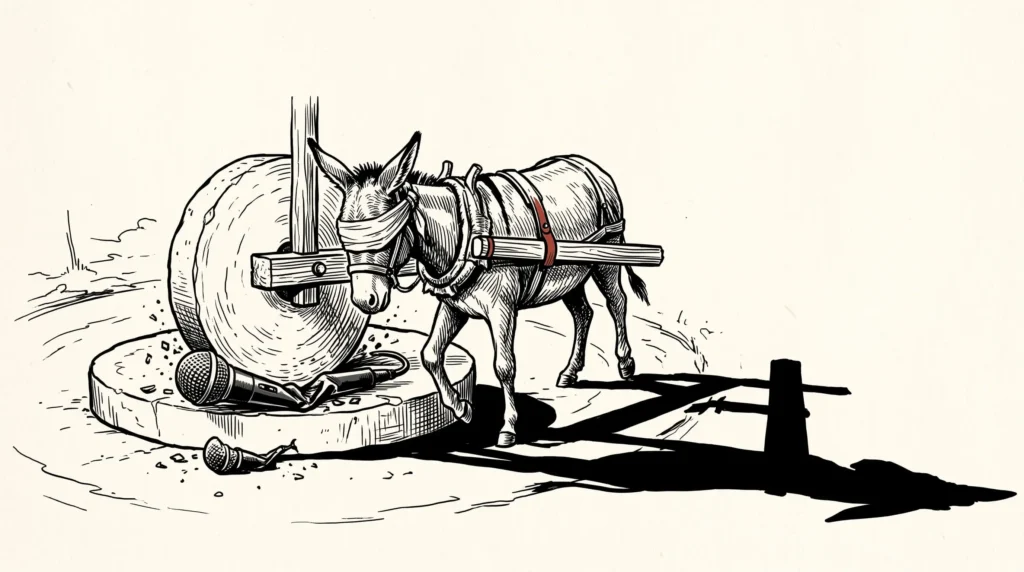
For small businesses, they use OpenAI’s API to access and do some specific applications, such as helping to write promotional copy and make PPTs; developers ‘make full use’ of its API to train their own domestic large models, making OpenAI’s API a ‘trainer’ for domestic large models.
In the future, these good things will all be terminated.
So everyone should understand that ChatGPT has never been open to ordinary Chinese users, but the API is open to Chinese developers and companies. But now that the ban has come down, even they can no longer continue to use its API, which means that the two paths of ‘reselling’ and ‘imitation’ are both blocked.
For example, ByteDance once used it to train its own model, but was later banned by OpenAI.
In fact, the path of imitation was originally difficult to follow. ChatGPT’s stopping of open-sourcing from version 4 has already made Chinese companies, who are good at imitation, begin to struggle.
So, the question in my title can be answered: Yes, China will indeed become an AI island.
In fact, OpenAI’s API is only not open to four countries: China, North Korea, Iran, and Russia.
As mentioned earlier, more than 190 countries and regions around the world can use it normally.
This reminds me of a picture:
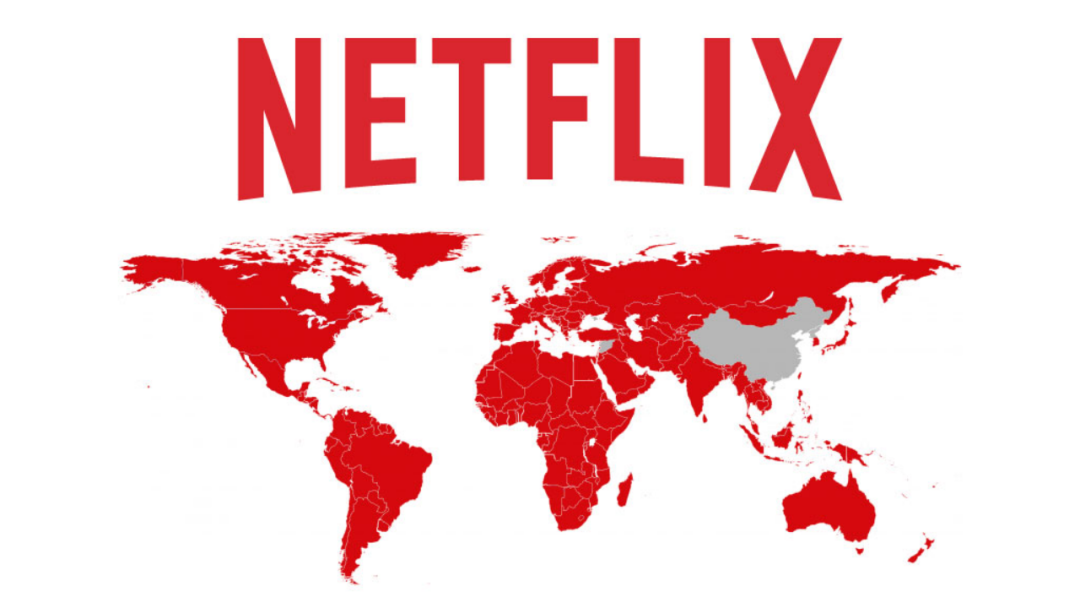
This is the global business map of Netflix, a world-renowned streaming media company, with white areas indicating regions not entered.
So, what consequences will China’s isolation in terms of AI large models have? As we all know, China also has many of its own large models, and coupled with China’s own artificial intelligence industry, can it ‘fight alone’ and compete with companies like OpenAI?
Domestic large models are actually becoming increasingly different from foreign companies.
In fact, the algorithms and computing power are no longer the most important differences. The main difference lies in the training data.
So, from a fundamental perspective, the competition of technology itself is gradually transforming into a competition of cultural foundations. Domestic large models that mainly use Chinese data and Chinese information for training have already shown different characteristics from foreign large models, that is, they tend to direct question-and-answer, while performing weaker in reasoning and analysis.
This is actually related to the cultural characteristics of China, just like in education, more emphasis is placed on directly sharing answers rather than analysis and reasoning.
Artificial intelligence is like ‘one water and soil nurtures one people’. It will grow into the corresponding appearance in what kind of environment it is trained.
Discover more from 自由档案馆
Subscribe to get the latest posts sent to your email.