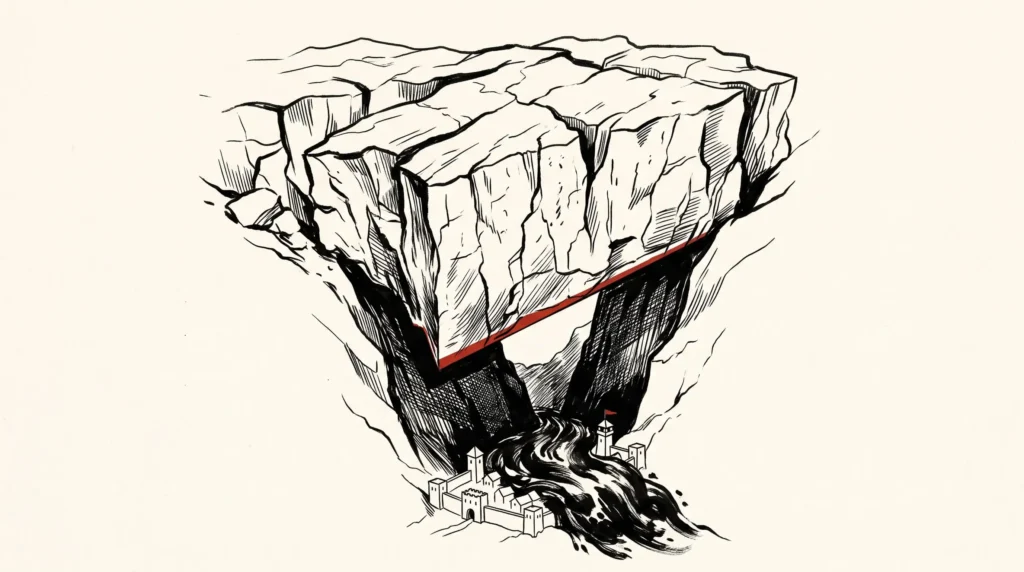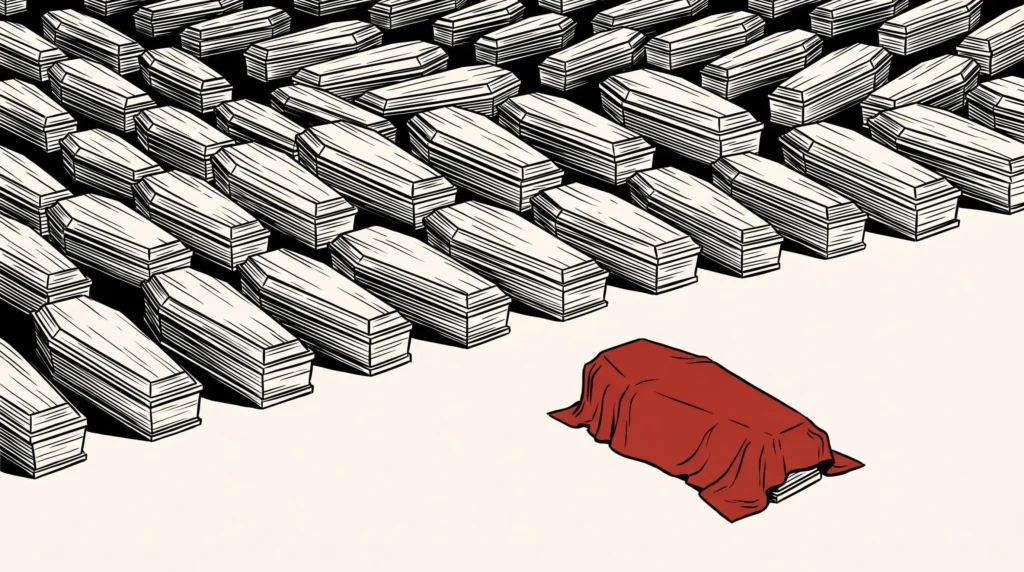
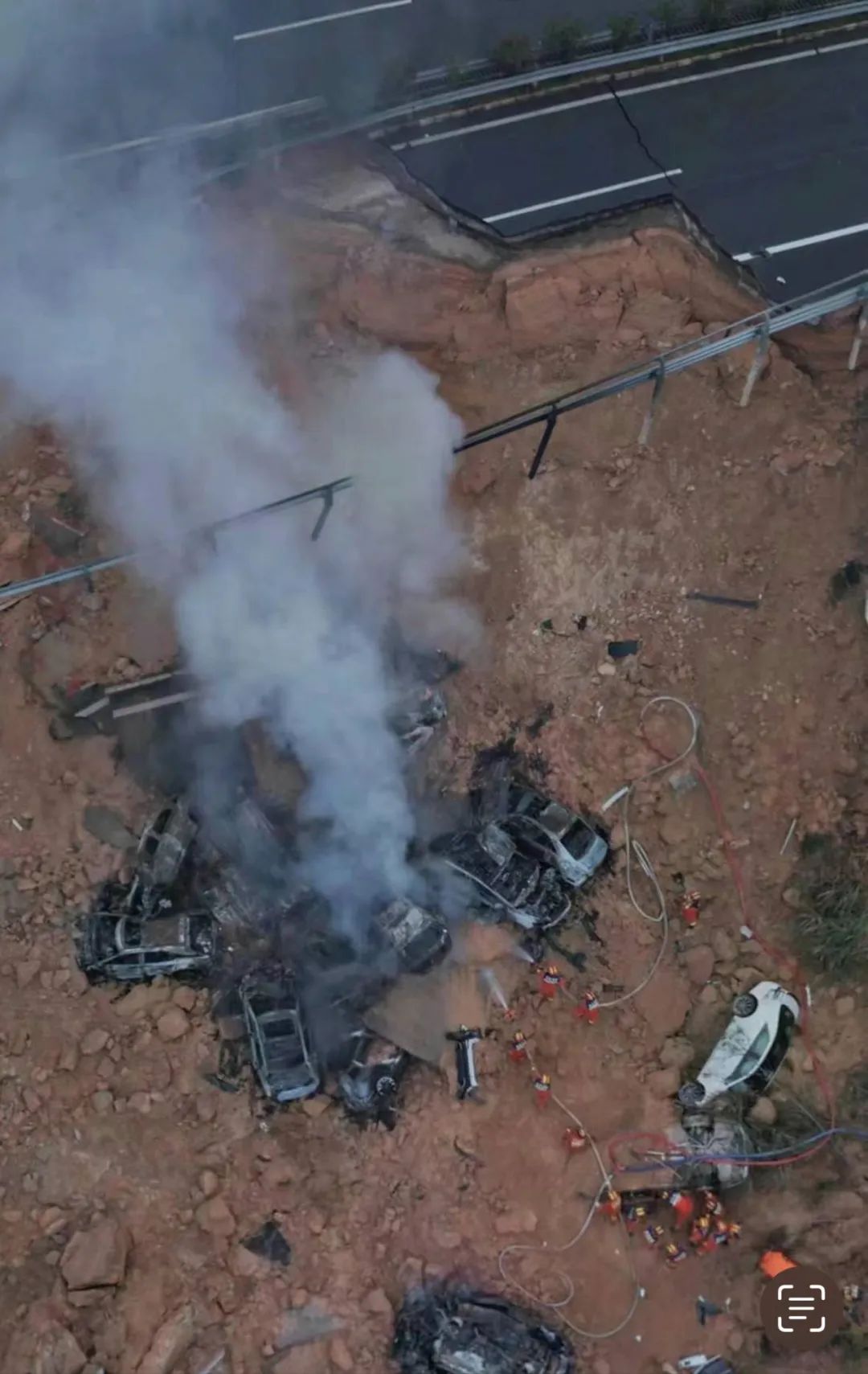
The collapse of the Guangdong expressway, with the death toll rising to 48, will become a landmark disaster of this era.
Its significance in this era is reflected in the following aspects:
The aftermath of large-scale infrastructure projects, the rapid construction, and the lack of maintenance; our society has entered an era of maintenance, but both money and a sense of responsibility are lacking (see my article “The Arrival of the Maintenance Era” on my public account “Zhang 3Feng’s World” yesterday);
A widespread “responsibility evasion mechanism,” where no one feels they should be responsible;
The “middle class’s” tired holiday syndrome, viewing the most exhausted state as leisure;
According to Red Star News, a family of five died, and their friend had bought them tickets to the scenic area, but they will never arrive. This is somewhat like our shared fate.
In addition to these “macro” level implications, there are also reactions from ordinary people. The most typical is the exclamation of a lucky netizen: Fortunately, my wife was driving slowly. If I were driving, I would probably have fallen down there. So, I must drive slower in the future.
The lucky one’s subconscious exclamation expresses the real predicament of the times: abandoning the questioning of the outside world or the public sphere, but instead looking for the cause within oneself, “overcoming the times” within oneself.
I observed a significant change in the Moments of 2024: more and more people are starting to pay attention to “spiritual cultivation” and body and mind awakening. Various paid courses and seminars.
Not long after the bookstore opened last September, someone contacted me to hold a reading club in the bookstore. I usually agree to such activities, but I also pay attention to the theme. When I saw that it was a so-called spiritual cultivation class, I refused.
This kind of “spiritual cultivation” or “awakening” is a form of psychological massage. Superficially, it is against “success studies,” not seeking success in the secular sense, but it is also a deformed success study: how to make the inner peace, the so-called “awakening,” is somewhat like “achieving Buddhahood on the spot,” the world is still the same world, as long as one no longer feels pain.
Such spiritual cultivation classes are not cheap and belong to products specifically developed for the “middle class.”
It reflects a new trend: in a troubled era, paying too much attention to the outside world and public issues will only lead to more pain; the urban class with certain knowledge, burdened by material life, feels the importance of spiritual breakthroughs, and they need a way out and comfort.
When both are unattainable, one can only question oneself: it must be my own problem.
Such awakening, on the surface, teaches people “liberation,” but in reality, it is a further constraint on the individual. Because “paying too much attention to the self” will likely lead to more depression.
Teacher Zhu Xuedong’s words in “Success and Failure in the Rocky Mountains” posted on Moments, I found very enlightening:
Maintenance—especially in the face of all difficulties—is a testament to the new year of the future. The developed world is not defined by wealth or fair skin, but by maintenance and care. Maintenance means settling down instead of wandering, means faith in the future and planning for it, rather than the expectation that everything today may be lost tomorrow.
Maintenance means organization, thrift, and responsibility: you will not build something without the money, time, and determination to maintain it. Maintenance shows a responsible community and system, without which there is unlikely to be substantial development.
This is about the maintenance of cities and public facilities, but it is equally applicable to discussing “individual maintenance.”
In fact, everyone’s “self” needs maintenance, which also requires “organization, thrift, and responsibility”—it needs attention and dedication to public life, empathy for the suffering of others, and ways to improve society, rather than just focusing on “inner awakening.”
It might be a problem with the road, or a problem with the car—if that doesn’t work, it’s a problem with the rain, not a problem of “personal speed.”
Discover more from 自由档案馆
Subscribe to get the latest posts sent to your email.