On March 20th of this year, a reader sent me a piece of news that shocked me.
Ms. Wang, who lives in Germany, told me that last year she went to the hospital for an examination due to long-term abdominal pain. Not only was she diagnosed with celiac disease (gluten-sensitive enteropathy), but she also found that her mercury levels in her body exceeded the standard, which was considered severe mercury poisoning.
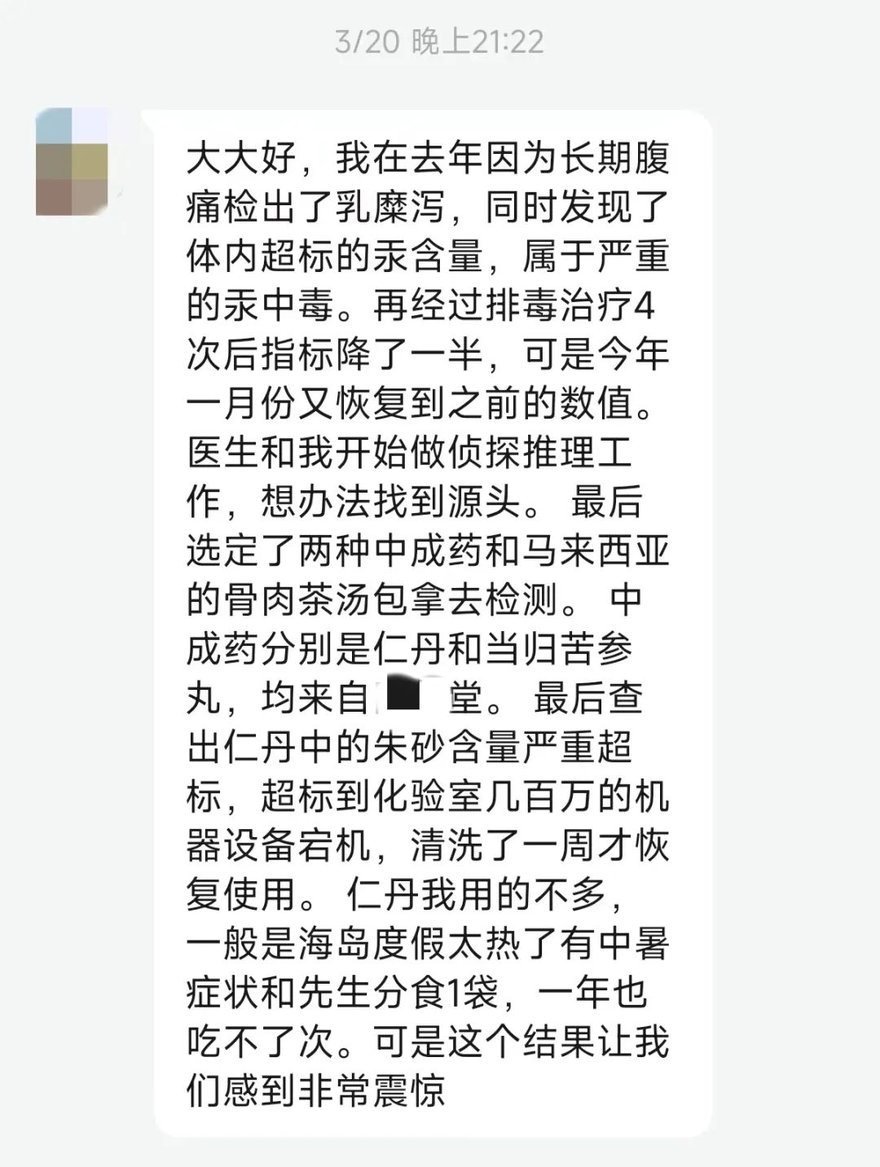
After undergoing 4 detoxification treatments, Ms. Wang’s mercury levels decreased to half of what they were before. However, in January of this year, Ms. Wang found again during a physical examination that her mercury levels had returned to their previous values.
In order to find the source of the mercury poisoning, Ms. Wang and her German doctor carefully analyzed the medications and foods she had taken recently. They finally selected two Chinese patent medicines and one food ingredient that might have problems and sent them to a professional institution for testing.
The results showed that the mercury content in the Ren Dan produced by xx Hall was severely over the standard. How severe was it? It was so severe that the detection equipment worth millions of dollars in the German laboratory crashed and had to be cleaned for a week before it could be used again.
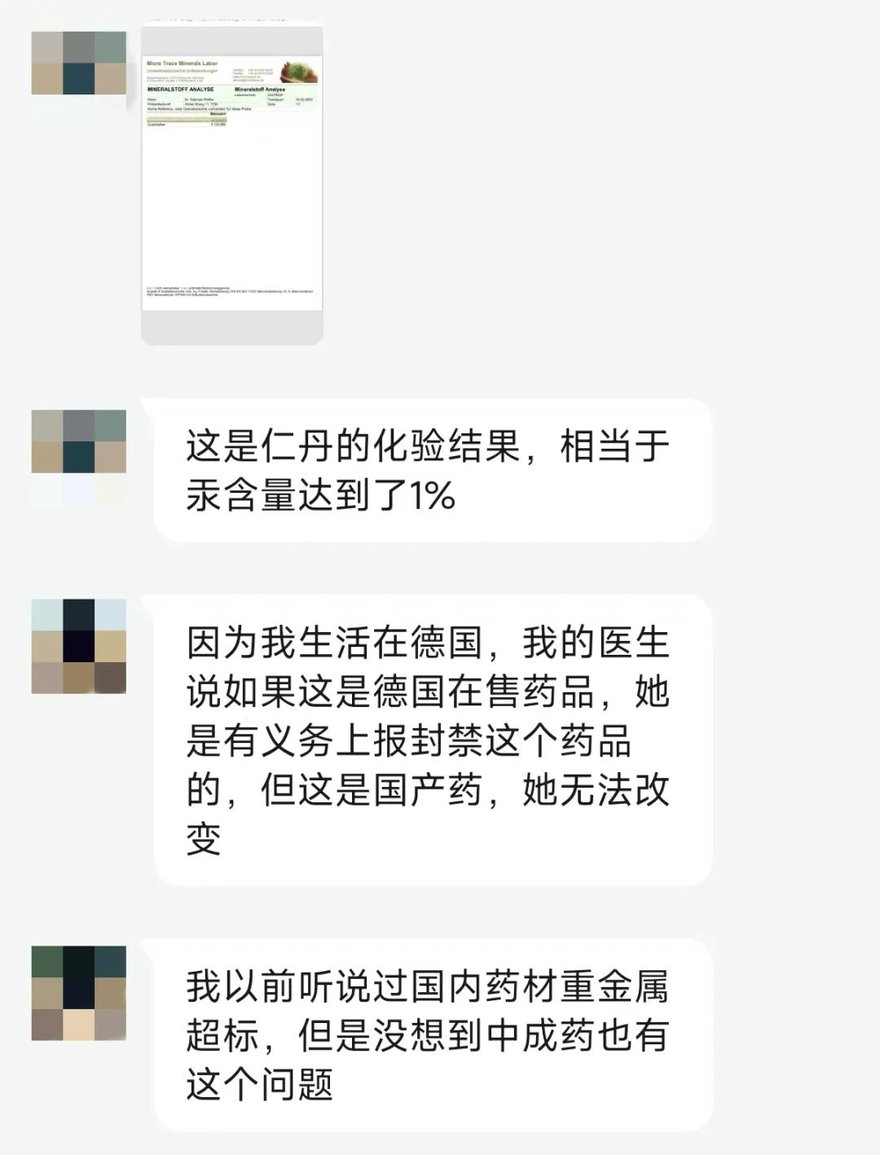
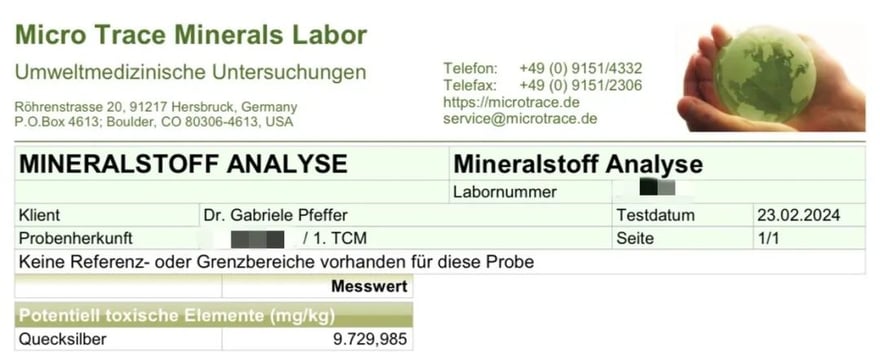
Although the mercury content of Ren Dan was so high that it caused the detection equipment to crash, I was still shocked when I saw the test report—the mercury content in this batch of Ren Dan was as high as 9729.985mg/kg. (Note: The decimal point usage in Germany is different from that in China, the decimal point is a comma instead of the . symbol.)
What is the concept of this data?
In early 2013, the European Rapid Alert System reported that a merchant in Germany had excessive mercury content in a dietary supplement. It was confirmed that the reason for the excess was the raw material—chondroitin sulfate—imported from China. The report mentioned that the mercury content of the dietary supplement was 0.45mg/kg. [1]
According to EU regulations, drugs containing mercury are strictly prohibited in Europe (and the same is true in the United States and Canada). Even in dietary supplements, the maximum mercury content allowed cannot exceed 0.1mg/kg. [2]

The merchant’s product was on the alert system because its mercury content reached 4.5 times the EU regulations. In comparison, the mercury content of this batch of Ren Dan reached 97,000 times the EU’s maximum limit.
According to modern medical research, when the mercury content in urine causes the creatinine value to exceed 20μg/g, the human body will be damaged.
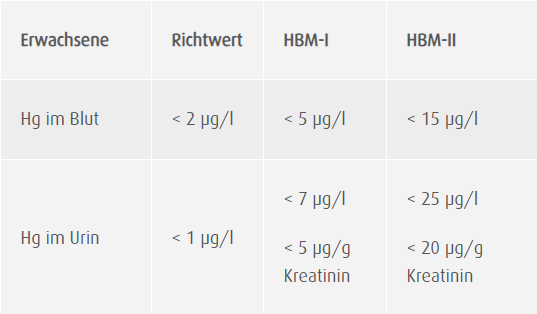
And in Ms. Wang’s first physical examination, this value was as high as 925.3μg/g.
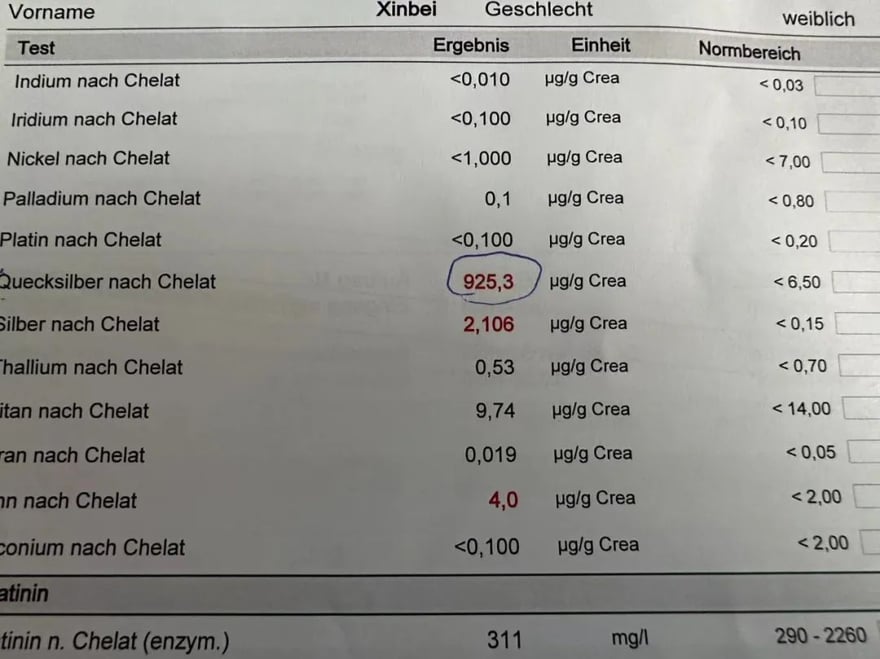
It is shocking.
The victims of this mercury poisoning incident were not only Ms. Wang, but also her husband—a German who was also poisoned by mercury because he took Ren Dan.
Currently, Ms. Wang has been out of danger after several intravenous detoxification treatments.
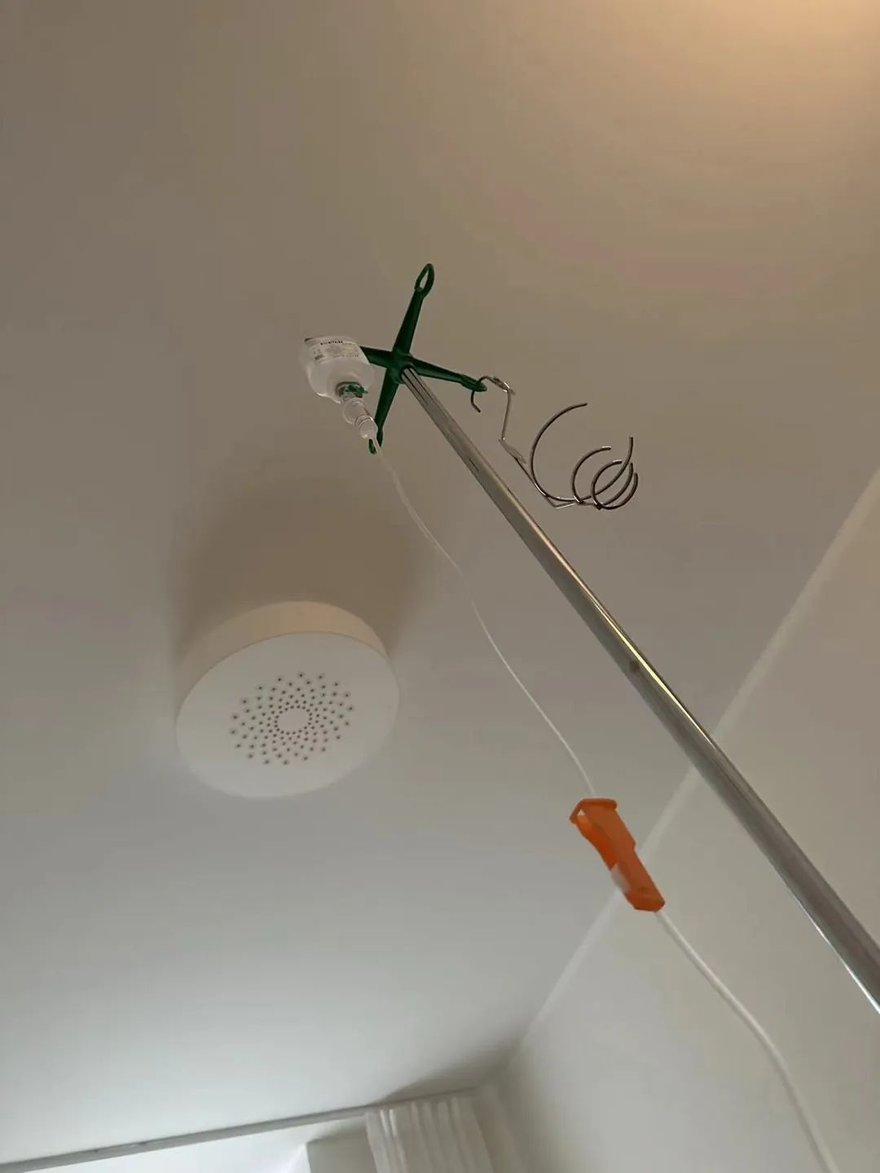
Ms. Wang receiving detoxification drugs in the hospital
What shocked me, of course, was not only these incredible values, after all, the ingredients of Ren Dan clearly indicate that it contains cinnabar (the main component is mercuric sulfide).
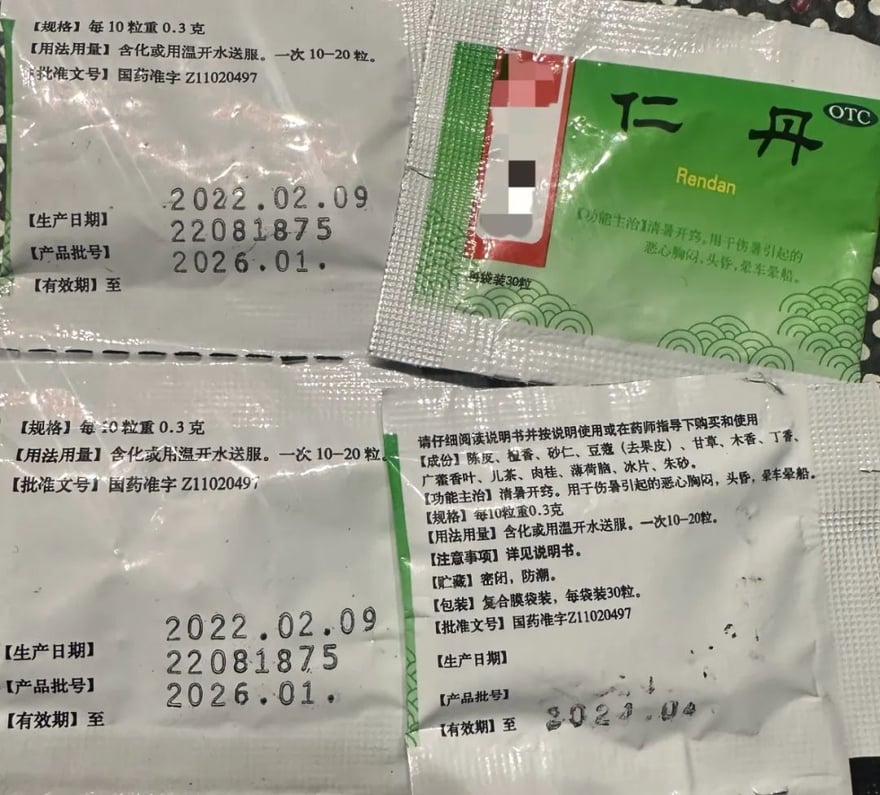
Ren Dan purchased by Ms. Wang from China
What I find most incredible is that this kind of incident of excessive mercury content in such drugs has not happened for the first time.
In 2013, many media outlets exposed the mercury content of multiple products from xx Hall exceeding the standard.
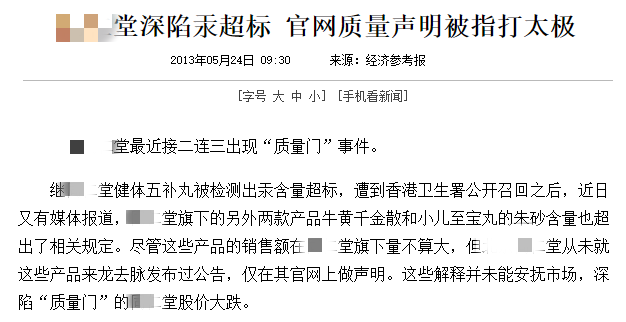
According to the Economic Information Daily:
“Following the detection of excessive mercury content in xx Hall’s ‘Jianting Wubu Pill’, which led to a recall announcement by the Hong Kong Department of Health, it was also revealed that the cinnabar content of its other two products, Niuhuang Qianjin San and Xiaoer Zhibao Wan, was 17.3% and 0.72% respectively. The former exceeded the domestic standard, while the latter far exceeded the Hong Kong standard.” [3]
Southern Daily said:
“In addition to the drugs that have been exposed, nearly 40 kinds of drugs in xx Hall Group’s commonly used medicines for calming the mind and relieving heat and detoxification contain an ingredient called cinnabar. About 30% of the medicines available for children also contain this ingredient. These drugs, which exist in large quantities, have been proven to be highly toxic because their main component is mercuric sulfide, and they are prohibited from being used as medicine in the United States, Japan, and other countries.” [4]
Although xx Hall denied that the cinnabar content of the drugs exceeded the standard, claiming that the ingredients met the standards [5], according to media reports, Wang’s Baochisan and Qizhen Wan, which have the highest cinnabar content in the xx Hall Group, have since changed their ingredients and excluded cinnabar. [4]
11 years have passed, and I thought that the cinnabar content of these products would be removed or reduced.
Unfortunately, I was wrong.
Until today, the cinnabar content in the Ren Dan formula is still high.
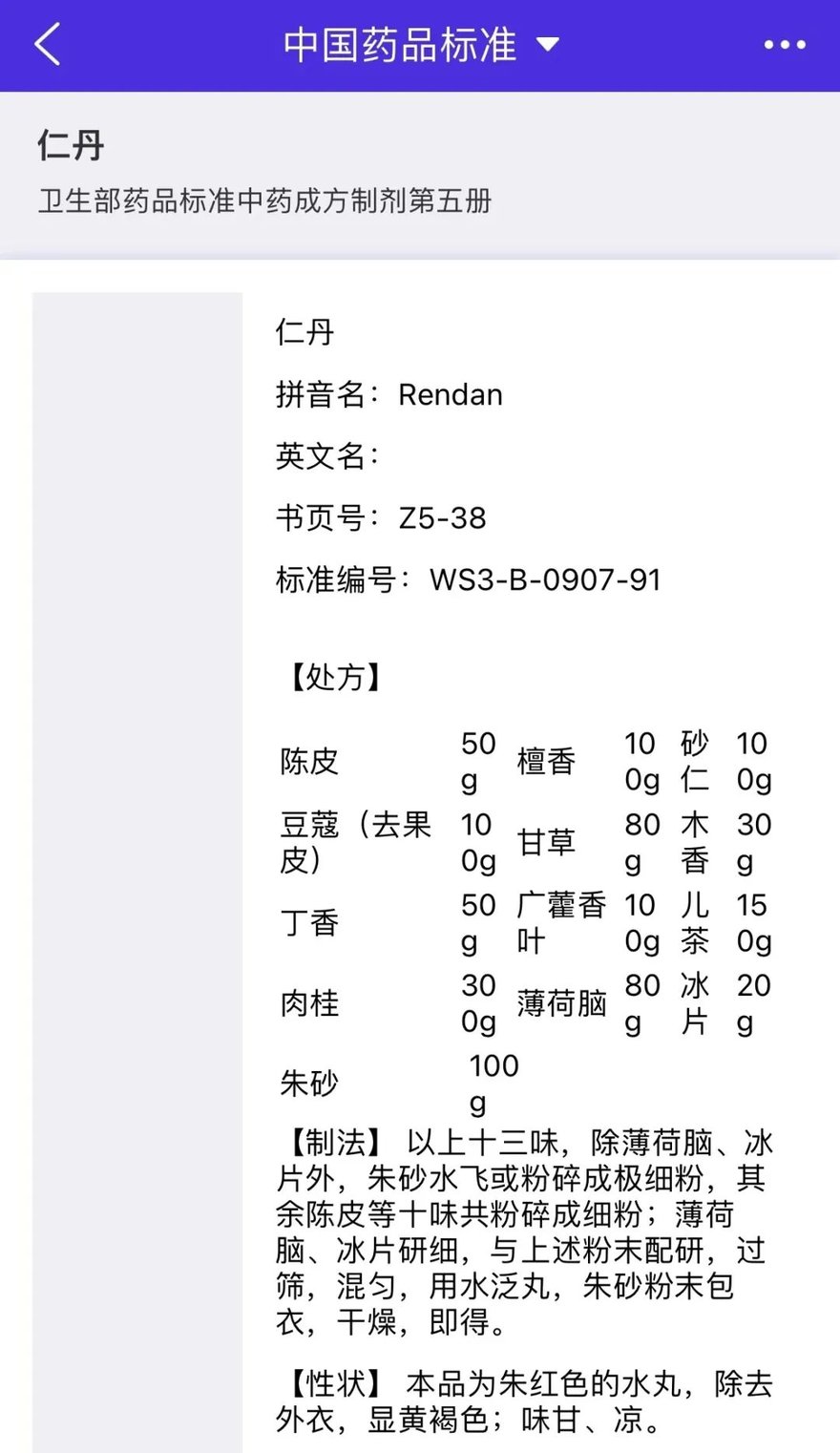
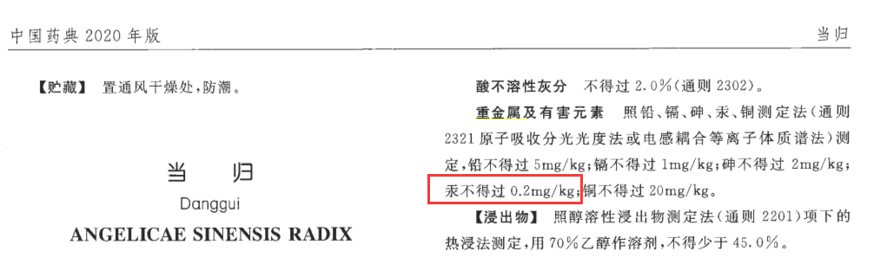
Although the 2020 edition of the Chinese Pharmacopoeia does not include Ren Dan, it stipulates in the heavy metal and harmful element content of many other Chinese medicinal materials: the mercury content shall not exceed 0.2mg/kg. [6]
In other words, the mercury content of this batch of Ren Dan, according to domestic standards, also exceeds nearly 50,000 times.
I know that when I get here, some people will inevitably use reasons such as “ignoring the dosage and talking about toxicity is playing a rogue”, “patients are safe and effective when taking the medicine according to the instructions for use”, “mercuric sulfide is inorganic mercury and is not easily absorbed by the human body”, and “the efficacy and toxicity of traditional Chinese medicine cannot be measured by Western medicine standards” to defend these products with excessive heavy metals.
However, just having the scientific knowledge of a high school student is enough to respond to the above questions.
We know that the main component of cinnabar is mercuric sulfide, and it also contains a small amount of free mercury (elemental mercury) and soluble inorganic mercury salts.
According to the chemical form of mercury, the forms of mercury poisoning can be divided into elemental mercury poisoning, organic mercury poisoning, and inorganic mercury poisoning.
Symptoms of elemental mercury poisoning include: cough, difficulty breathing, metallic taste in the mouth, abdominal pain, diarrhea, bloody stools, nausea or vomiting, bleeding or swelling of the gums, etc.
Symptoms of inorganic mercury poisoning include: damage to the digestive system/burning sensation in the stomach or throat, nausea or vomiting, abdominal pain, diarrhea, blood in vomit or feces, kidney damage/uremia/changes in urine color, etc.
Symptoms of organic mercury poisoning include: liver and kidney damage, tremors (uncontrollable shaking), loss of balance/unsteady gait; blurred vision/blindness, memory impairment/mental abnormalities, etc.
Chinese medicine manufacturers often claim that they can remove soluble mercury salts and free mercury from cinnabar through the “water flying process”. However, according to data released by WHO, the human body’s absorption rate of inorganic mercury can reach 10% [7], even inorganic mercury like mercuric sulfide will still be absorbed by the human body.
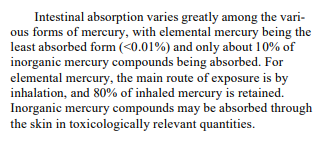
In addition, after mercuric sulfide enters the human digestive tract, it may generate methylmercury (an organic mercury) with the methyl substances in it. Compared with inorganic mercury, the absorption rate of methylmercury is as high as 100%, and it will cause organic mercury poisoning after being absorbed by the human body.
What’s even more frightening is that, in addition to direct poisoning caused by taking a large amount, because cinnabar is a heavy metal compound, it is difficult to be metabolized in the human body. A study from the Department of Preventive Medicine, College of Medicine, Seoul National University, Korea, shows that the biological half-life of inorganic mercury is about 60 days, and the half-life in the human brain may even be as long as 20 years. [8]
Due to this special attribute, long-term use of a small amount will also cause mercury and its compounds to accumulate in the human body, leading to chronic poisoning.
What is incredible is that Ren Dan, a Chinese medicine with excessive mercury content, is not only not a prescription drug that must be prescribed by a doctor, but even in many advertising slogans, it is a commonly used medicine for clearing heat and relieving summer heat for home and travel.


Ms. Wang and her husband encountered this situation. Although their dosage never exceeded the recommended dose of 10-20 pills per person per time, they only took one bag (30 pills) together after an accidental heatstroke, and they took it at most once or twice a quarter. However, due to the high mercury content in Ren Dan and the accumulation of heavy metals over the years, they still could not escape the fate of chronic mercury poisoning.
As for “the efficacy and toxicity of traditional Chinese medicine cannot be measured by Western medicine standards”, it is even more absurd and ridiculous—Ms. Wang’s husband, as a “Western standard” foreigner, was also poisoned by Chinese medicine.
In many international major sports events, such as the men’s World Cup qualifiers and the Olympic men’s basketball games, whenever our Chinese athletes are defeated, the commentators will always summarize with regret:
“The fighting spirit of our Chinese athletes is commendable, but unfortunately, there is a huge gap between their physical fitness and that of foreign athletes…”
Yes, when the sports competition is lost, the physical fitness of the Chinese is always not as good as that of foreigners, but when facing the excessive heavy metals and huge toxicity carried by traditional drugs, the tolerance of the Chinese is suddenly tens of thousands of times stronger than that of foreigners.
Are foreigners’ lives lives, and Chinese people’s lives not lives?
They are all excuses to deceive themselves.
In front of science, there is never any East or West, only advanced and backward.
Imagine, if Ms. Wang was not in Germany, she would most likely be like those people in China who were poisoned by heavy metals in Chinese medicine, go to an old Chinese medicine doctor to regulate her body, and then be told that she was deficient in qi and blood and insufficient in kidney essence, and then buy another prescription for nourishing medicine with excessive heavy metals at a high price, and continue to cycle repeatedly in the six realms of reincarnation…
Epilogue
I once curiously asked Ms. Wang: As a person who often takes Chinese medicine, why would you pay attention to me, a critic of Chinese medicine, for more than a year?
Ms. Wang’s answer was: She never thought that I was a so-called Chinese medicine hater. On the contrary, she thought that my articles were rational and pragmatic. Compared with those who have to defend Chinese medicine regardless of right or wrong, with people like me, Chinese medicine can achieve better development.
She hopes that through what happened to her, she can alert those who are still asleep.
Her words moved me very much, and also made me realize again that what I have done is indeed valuable.
Of course, what I hope even more is that those who firmly believe in traditional medicine can realize that compared to the Chinese medicine masters and certain Ren Tangs who are honey-mouthed and have only the intention of selling medicine to make money, I, the “Chinese medicine hater” who is often called a “traitor” and “colonizer” by them, am the one who is truly sincere to them and has been trying to awaken them and help them.
Appendix 1
In 1993, an infant girl was found to have natal teeth by her grandmother, who picked them off with a needle and then applied cinnabar. Afterwards, the infant began to be irritable, restless, crying, and salivating from the corners of her mouth. About 1 hour later, the infant fell asleep. About 2 hours later, she was found to have a pale complexion, shallow and slow breathing, sometimes deep inhalation, gradually turning gray, and cyanosis around the mouth, and had a convulsion once, which was generalized and convulsive, with both eyes staring… eventually leading to death.
In 1997, an infant girl cried incessantly, and her parents gave her about 500mg of cinnabar. Later, she gradually became drowsy, weak in her limbs, and sometimes groaned. About 20 hours later, she became comatose and unresponsive to various stimuli, and was rushed to the hospital. During this period, she was unconscious and in a deep coma. Her breathing was shallow and slow, irregular, with apnea, pale complexion, both eyes staring, and both pupils the same size, with decompensated metabolic acidosis.
In 2003, Ms. Li, who lived in Suihua City, Heilongjiang Province, began to take cinnabar tranquilizing pills because she suffered from insomnia. After intermittently taking cinnabar tranquilizing pills for 4 years, the problem of poor sleep was solved. But after that, Ms. Li developed symptoms such as nausea, vomiting, fatigue, and loss of appetite. After examination at a local hospital, she was diagnosed with “stage 3 renal failure” and turned into uremia 5 years later.
In 2008, a one-month-old infant in Jiangsu Province cried continuously, and no matter how his parents took care of him, it did not work. Helplessly, they asked the local “famous old Chinese medicine doctor” for advice, who diagnosed it as “infantile convulsion” (Chinese medicine believes that infantile convulsion is “ghosts entering the body”, which shows that its theory is still at the stage of shamanism). They needed to take “pediatric holy medicine” cinnabar tranquilizing pills. The effect was significant after taking it, and the infant immediately became quiet. But a few days later, it was found that due to the red rope on the infant’s wrist being too tight, one hand was completely necrotic and needed to be amputated.
In July 2022, Mr. Lu, 57, from Xiangxi Fenghuang, was admitted to the hospital due to inhaling an excessive amount of cinnabar, and was found to have a blood mercury level of 52.2ug/L (more than 3 times the contact limit) and a blank urine mercury level of 695.2ug/g creatinine (more than 170 times the contact limit), and was diagnosed with “acute mercury poisoning”.
……
Appendix 2
Common Chinese medicines containing cinnabar
Cinnabar tranquilizing pills, tranquilizing and mind-calming pills, Zixue San, Niuhuang Qingxin pills, Buxin pills, Niuhuang Baolong pills, Huoluo pills, Cizhu pills, Angong Niuhuang pills, Shenrong Weisheng pills, Niuhuang Zhenjing pills, Chensha pills, Yiyuan San, Niuhuang Qianjin San, Guanxin Suhe pills, Baizi Yangxin pills, Zaizao pills, Dieda pills, Tianwang Buxin Dan, Qili San, Bushen Yinao tablets, Zixue Dan, Zhibao Dan, Zaizao pills, Liushen pills, etc.
Common Chinese medicines for children containing cinnabar
Xiaoer Baishou Dan, Xiaoer Taiji pills, Xiaoer Huichun pills, Xiaoer Zhibao pills, Xiaoer Niuhuang San, Xiaoer Jingfeng San, Xiaoer Qutan Dingliang pills, Xiaoer Baoan pills, Ying’er Le, etc.
References
[1] https://www.ua-bw.de/pub/beitrag.asp?subid=0&Thema_ID=2&ID=1838&Pdf=No[2] https://eur-lex.europa.eu/legal-content/EN/TXT/?uri=CELEX%3A02023R0915-20230810[3] https://www.ce.cn/cysc/sp/info/201305/24/t20130524_21495789.shtml[4] https://finance.huanqiu.com/article/9CaKrnJAB0b[5] https://china.cnr.cn/xwwgf/201305/t20130523_512656807_1.shtml[6] https://www.ynxzy.com/temp/1686884123423.pdf[7] https://iris.who.int/bitstream/handle/10665/42607/9241530502.pdf?sequence=1[8] https://www.ncbi.nlm.nih.gov/pmc/articles/PMC3514464/
Discover more from 自由档案馆
Subscribe to get the latest posts sent to your email.