After watching those two videos, the reporter was quite good. Especially the female reporter who was taken away, she kept saying: “The three of us reporters, they…”
There was no real danger. The local staff were still very polite. They may not know CMG, but the CCTV logo was still on the reporter’s microphone, which they should be able to recognize. In the video, the local personnel repeatedly explained, “It’s not safe here…” They were also cautious and polite.
The reporter’s performance was mediocre. The host cut off the connection and also instructed, “Be careful,” as if the reporter was in Gaza. In fact, it was just a small place in Hebei.
It’s hard to say this was a real interview. The All-China Journalists Association issued a statement supporting it, but the statement only said that reporters could record the scene and report on the rescue situation—it didn’t mention possible “supervision” and questioning at all.
People were shocked by this incident, not because “reporters were obstructed from interviewing,” but because “even CCTV” had such an experience.
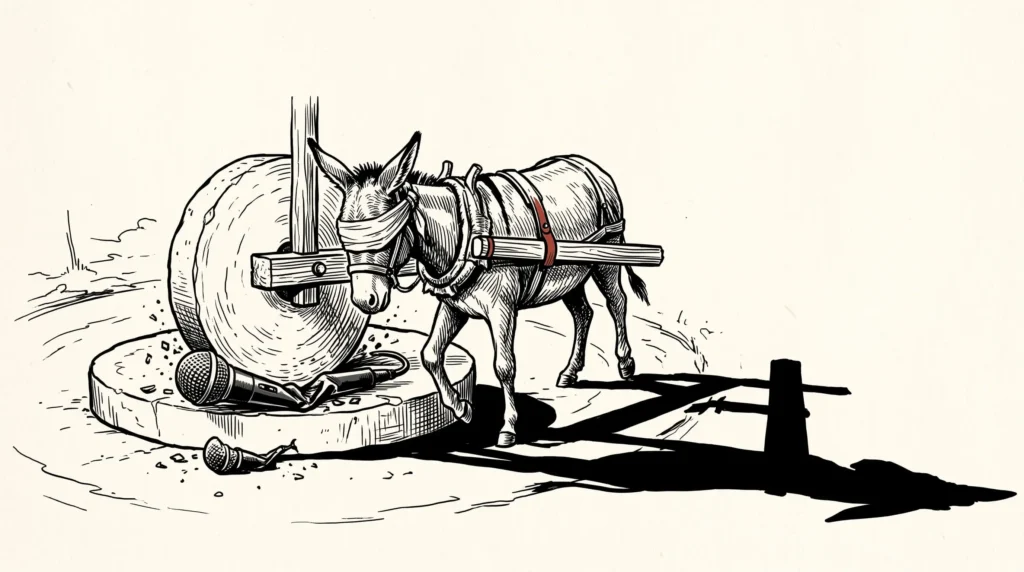
This is a new stage: on the one hand, an institution like CCTV, which has a color of power, was also obstructed; on the other hand, the reporter’s original intention was not to conduct investigations and supervision, but only to “connect” and live stream, which was still restricted.
In such breaking news, it is generally difficult for the media to get close to the scene. In the past few years, there have been several incidents where reporters were caught in black rooms, searched, and even beaten, which did not cause much of a stir. If local media want to express their grievances, they will also attract cyber violence online, rather than sympathy—you Southern faction… serve you right.
This time, CCTV reporters were obstructed, and there were still many people cheering, saying that this was “for your safety.” A new “audience” has risen, they are huge in number, and their thinking patterns are completely consistent with power.
For the media, this is the most tragic situation. You think you are reporting the truth for the public, but the public sees you as an enemy force.
Most media are very conscious and have given up on approaching such scenes, because instructions run faster than reporters. In this situation, “authoritative media” such as CCTV take over the scene.
This is a “new scene,” usually “authoritative” and “mainstream,” with not much noise and not much exposure.
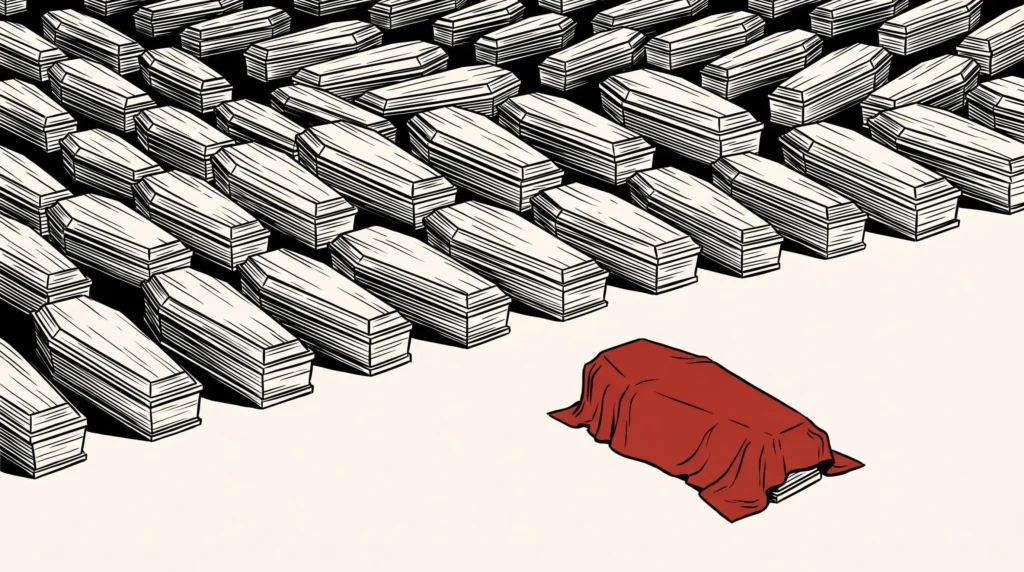
This is the normal presentation of information in current emergencies. Everyone can recall that those landslides, fires, and stadium collapses have not left a “three-dimensional” and in-depth memory, but only fleeting moments that are easy to forget. Sometimes, people don’t even know how many people died in a fire, while more than a decade ago, the media might have gone to the morgue to count the bodies.
Corresponding to this process is the change in “press conferences” in various places. Usually, such press conferences will be held at night, because this both fulfills the public task (there are relevant regulations that must be made public) and avoids being seen to the greatest extent; the press conference will not arrange questions, only the host and relevant departments will come up to read the press release; it will usually be live-streamed, but comments will not be open.
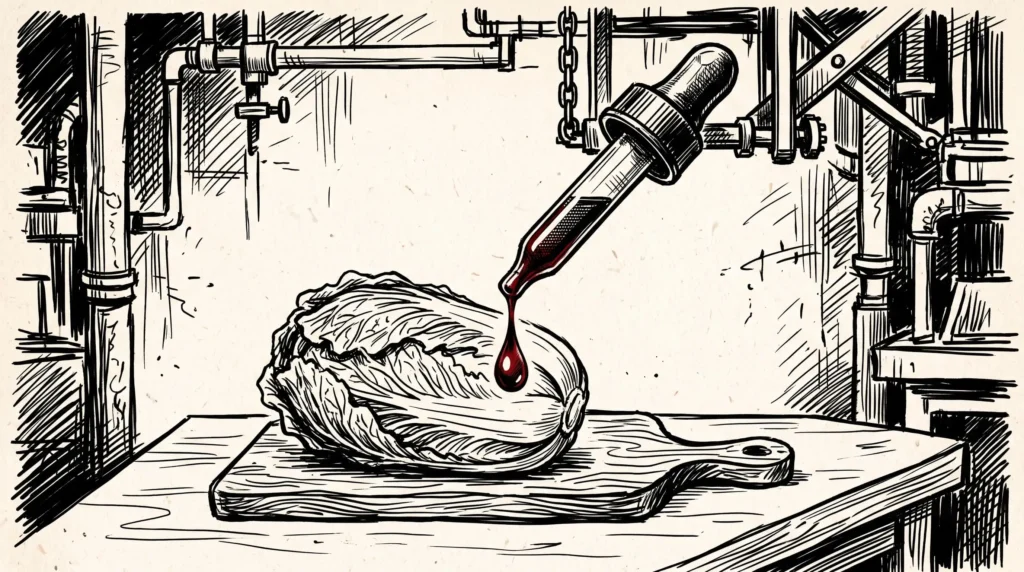
Most of the press releases that are read out are commendations. If you don’t carefully distinguish them, you can’t even tell that they are descriptions of the accident. Most sentences have neither subjects (people who should take responsibility) nor objects (objects that need to be improved and reflected upon), but various adjectives and verbs, showing an abstract busyness.
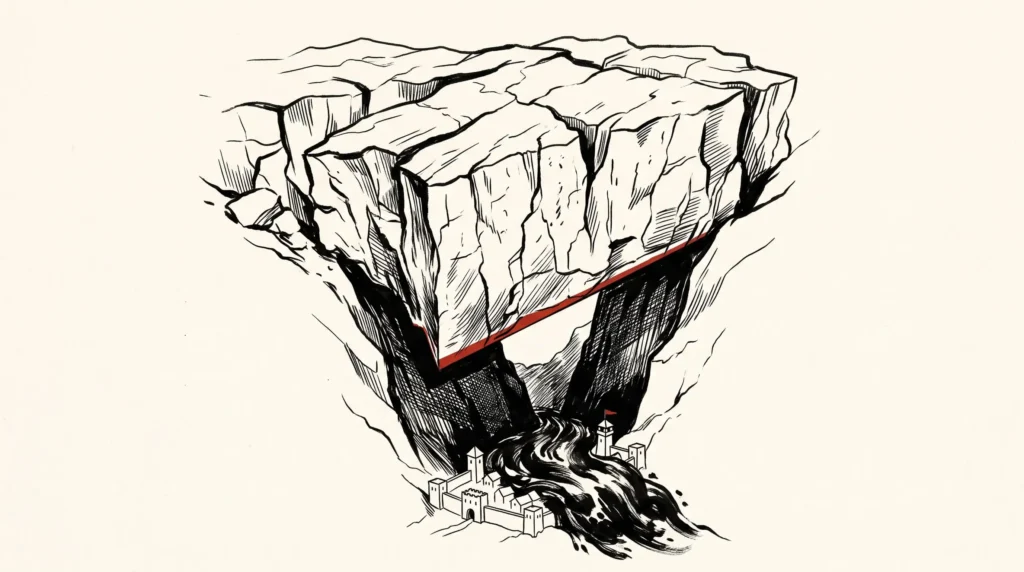
A positive new world has been born. Only occasionally will a crack appear, and the obstruction of CCTV reporters is a small crack.
Discover more from 自由档案馆
Subscribe to get the latest posts sent to your email.