A couple of days ago, I wanted to buy a set of “The Complete Works of Lu Xun”, so I opened Pinduoduo to take a look. I used to buy books on Dangdang. Later, it was too slow to buy books on Dangdang, so I switched to JD. But JD felt very expensive. Under the urging of a friend from JD, I used Pinduoduo. The friend from JD said that Pinduoduo is now offering preferential prices and is also very friendly to customers. It’s much better than JD. I believe that his recommendation is based on a simple friendship and a good user experience with Pinduoduo. This makes it impossible to refuse. I searched on Pinduoduo and found that the whole set of 18 books cost 180 yuan. This is really affordable. Of course, I didn’t compare prices on Dangdang and JD, and I don’t know the prices on other platforms. I thought this price might be on sale, but I didn’t expect it to be a pirated version. I placed an order for a set, and after a few days, I received the delivery, but I only received 4 books. I was wondering why there were so many missing. When I opened it and looked, I found that there was ink printed on the paper. It was then that I realized that I had bought a pirated version. I quickly asked the customer service: I received the book, why is it a pirated version? The customer service replied quickly, she said, what do you think of the quality? I felt like she was showing off, look, the quality of our pirated version, isn’t it amazing? I said, let’s not talk about the quality first, you are a pirated version, you should have told me in advance. She immediately sent a link for a refund. It seems that this is a set of processing procedures for them. I complained to my friend, and my friend said, then if you mind that it is a pirated version, just “refund without returning the goods”. Give them a lesson. Only then did I understand that they sent me four books first, just to be afraid that customers would refund without returning the goods, so that they could reduce some losses. My friend asked me confidently, did it ship from Loudi, Hunan? I opened my phone and saw that it was indeed the case.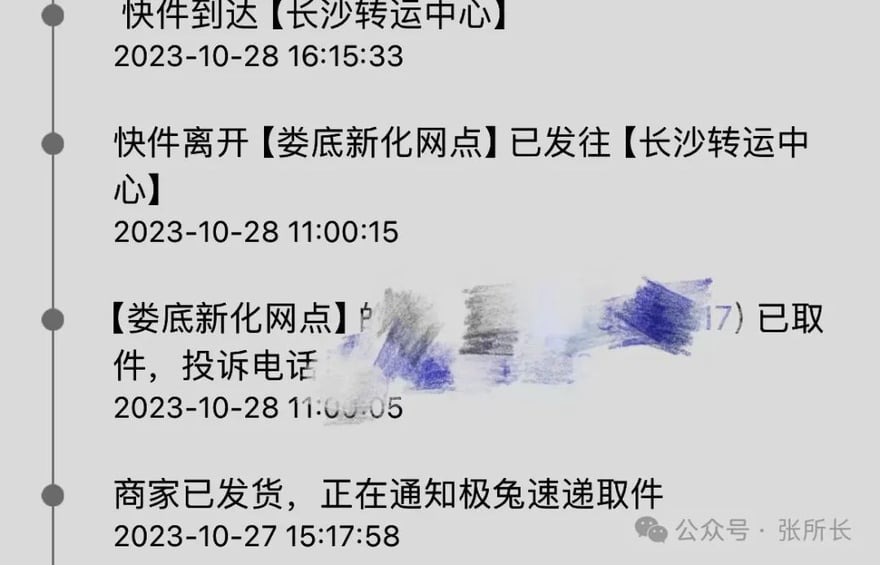 I asked, why do you know it was shipped from Loudi, Hunan?
He said, everyone in the publishing industry knows that Loudi, Hunan, is the national printing center. Many out-of-print books or banned books, or academic books from Hong Kong and Taiwan, can’t be found elsewhere, and Loudi is likely to have them for sale. I said, have you bought a pirated version from Loudi?He said, last time I bought a decryption of Chiang Ching-kuo’s diary. I didn’t look closely to see if it was a flagship store, anyway, it was very cheap. As soon as the merchant shipped it, the shipping address was Loudi, Hunan, and I couldn’t help but feel a little uneasy. I said, do you still mind that it’s a pirated version?He said, it depends on how you look at it. In a way, Loudi, Hunan, is like the Netherlands in the Middle Ages in Europe. Books that are not allowed to be published elsewhere, Loudi can get them for you. Loudi, far from the political and cultural center, has suddenly become a high ground for publishing freedom in the country. Thinking of this, I felt relieved, and I didn’t feel uneasy anymore. After saying that, he gave a sly smile and hid his merits and fame. I really didn’t expect that an unremarkable prefecture-level city would have such a symbolic meaning. Maybe if I were to write a history of contemporary publishing in the future, Loudi would definitely have a place. Second, just like Kong Yiji said, is stealing books considered stealing? Pirated versions, in the eyes of some Loudi customer service, are not pirated versions. Instead, they are original prints, original printing, high-definition versions…. If you are not good at Chinese, you will definitely fall into their language trap. This is the language wisdom of the people of Loudi. Of course, most customers understand, after all, they are all adults, life is not easy, and they have to give each other enough face and respect.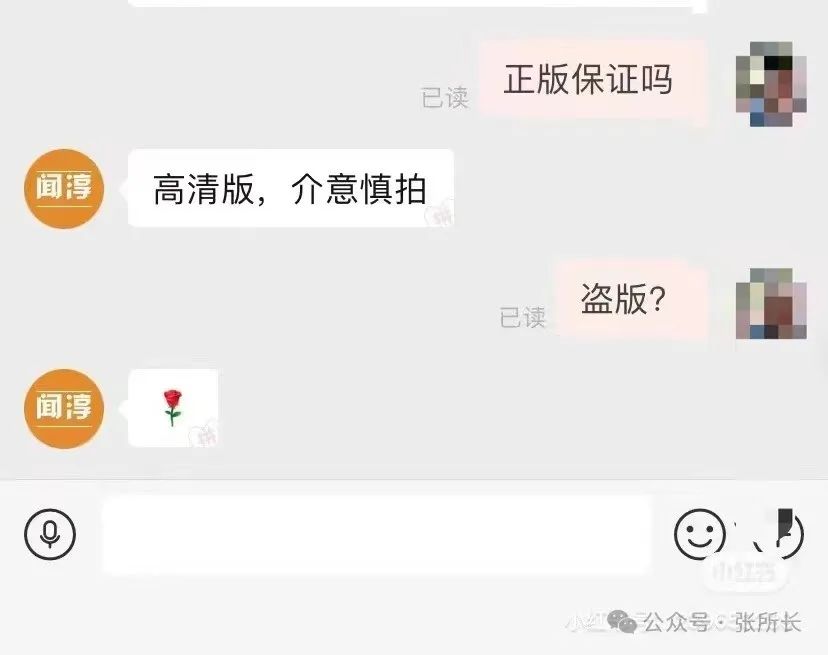
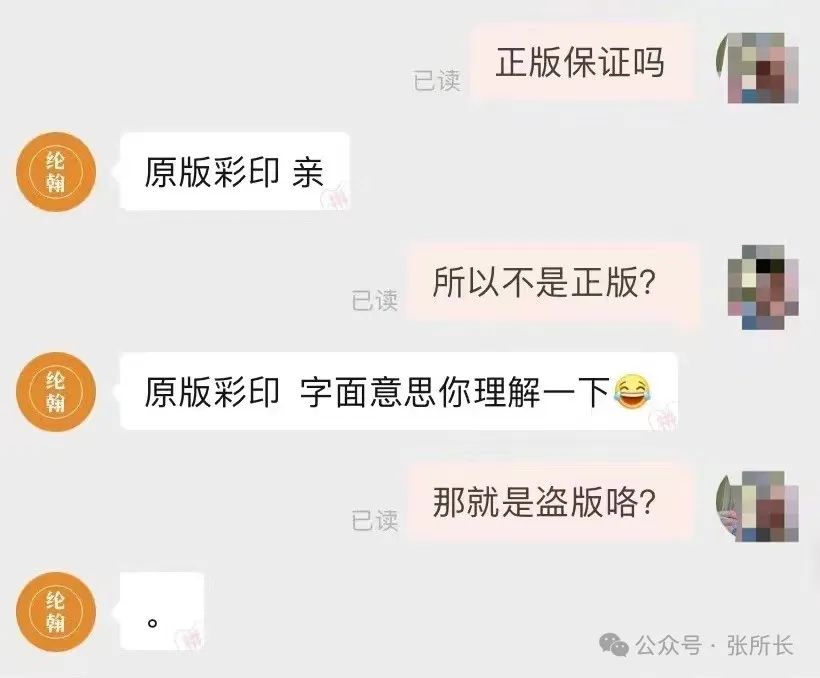
When some customers are straightforward and rashly ask, “So it’s not the genuine version?” the customer service will also act coquettishly and say, understand the literal meaning yourself. It’s like a cute girl, hinting at her feelings to you, and when asked what she means, she shyly covers her face with her hands and says, I’m embarrassed, you figure it out yourself. Of course, after a long illness, the customer also gained experience. When they asked if it was shipped from Loudi, they knew it was a pirated version.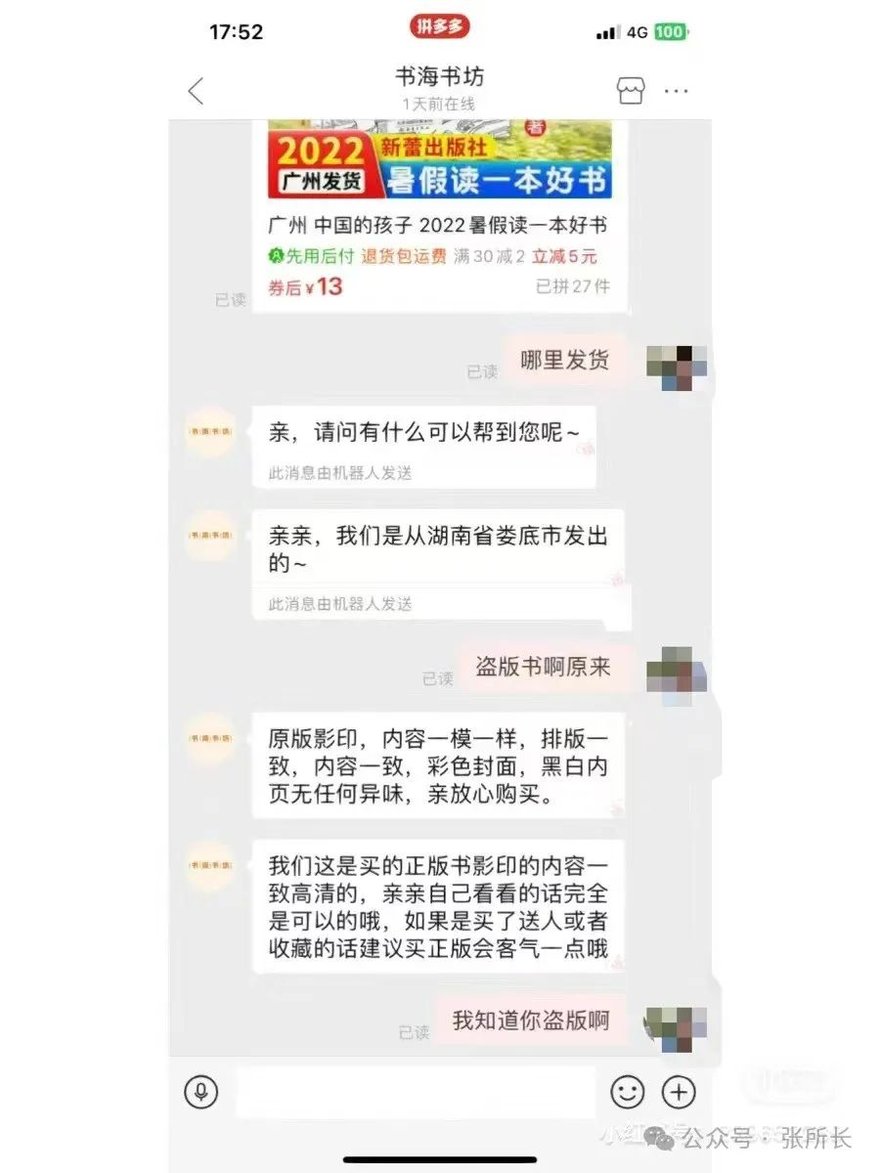 After being exposed, the customer service is also full of confidence, with the feeling of “if you don’t choose me, you have no vision”. This confidence is well-founded. Just like the fake shoes from Putian, the pirated books from Loudi, their quality has even surpassed the genuine books.
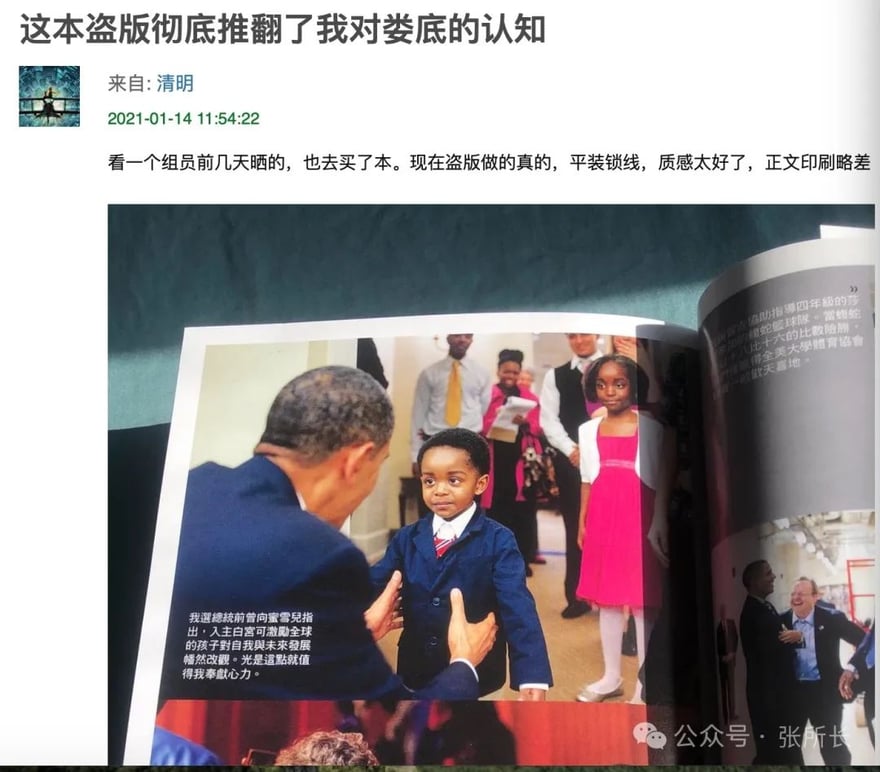 Pirated books are even sewn with flat binding. Generally, only hardcover books will be sewn, but the pirated books from Loudi have completely subverted this practice. They have changed the rough image of pirated books and made other pirated books feel ashamed in front of Loudi’s pirated versions. It can be said that Loudi, with its own strength, has raised the standard of pirated books in the industry. From then on, pirated books can compete with genuine books. So the question is, why are high-quality pirated books all from Loudi? Not only me, but everyone has this question:
The photocopying shops of the people of Xinhua, Loudi, expanded on a large scale throughout the country. Around 2000, they had opened almost all over China.
With strong strength to support them, after 2003, the people of Xinhua began to manufacture office equipment. Zeng Wenhui did a good job in this area. Since 1993, Zeng Wenhui, who has been opening photocopying shops in Dehong, Yunnan, once spent 20,000 yuan to buy a lettering machine that had just been launched and made a lot of money. Therefore, he was very sensitive to new technologies and new equipment, and he developed a photo machine with photo and drawing functions. This was the first in China, and it is now exported to more than 40 countries. Later, some people also started to manufacture office equipment, first assembling and then producing.Many practitioners in the photocopying industry have experienced step-by-step development. For example, Zeng Wenhui. He has repaired typewriters, opened photocopying shops, repaired photocopying machines, sold second-hand photocopying machines, and now manufactures photo machines. Xinhua, Loudi, is a traditional Chinese rural society, where blood ties, geographical ties, and kinship are intertwined. Every printing technology will spread rapidly in this specific field. And now, they have strong strength, technical accumulation, equipment updates, and the pioneering spirit of daring to think and dare to do, the desire to learn hard, and the impulse of interests. It is not surprising that some people have started to make pirated books. The pirated books from Loudi are now popular all over the country. Of course, there is an important reason, which is that there is market demand. Yu Hua should be one of the most pirated writers. He never fights against piracy. He said that our social reality is like this. It mainly has such a poor consumer group, and they also want to read, so they buy a few cheap pirated books, and they may only be able to buy the cheapest ones. Such a writer really has a vision. A couple of days ago, I asked a writer friend, how do you view piracy, and he said, “Piracy is the highest affirmation of a writer. If a writer is not pirated, it means that you don’t have many readers.” In this way, Loudi piracy has also become a barometer of whether books are selling well.I asked him what his goals were for the new year, and he said seriously, write a book and strive to be pirated by Loudi. Reference materials: Feng Junqi’s “The Life History of Xinhua Photocopying Industry” For loss of contact or communication, please add WeChat:


Discover more from 自由档案馆
Subscribe to get the latest posts sent to your email.