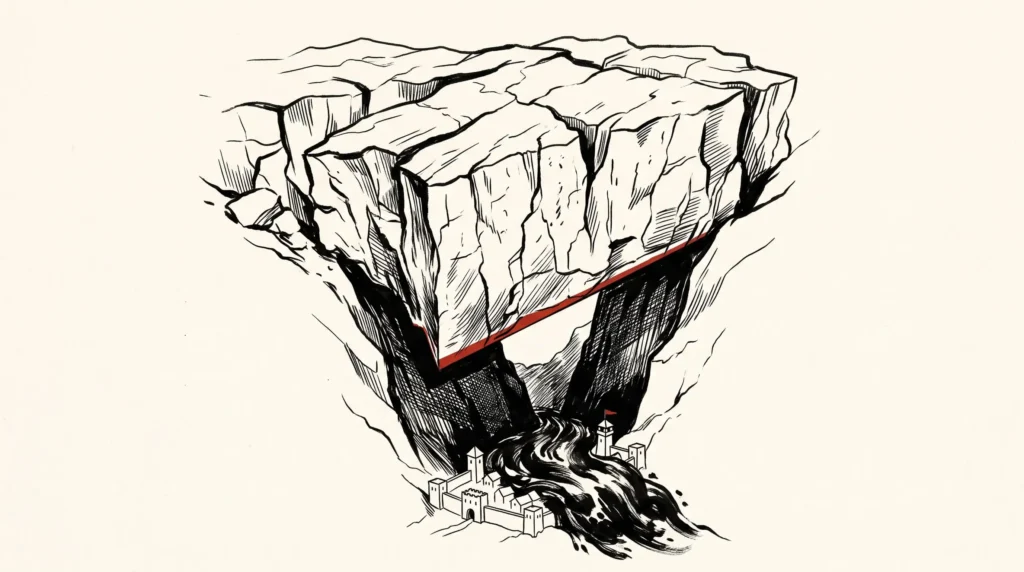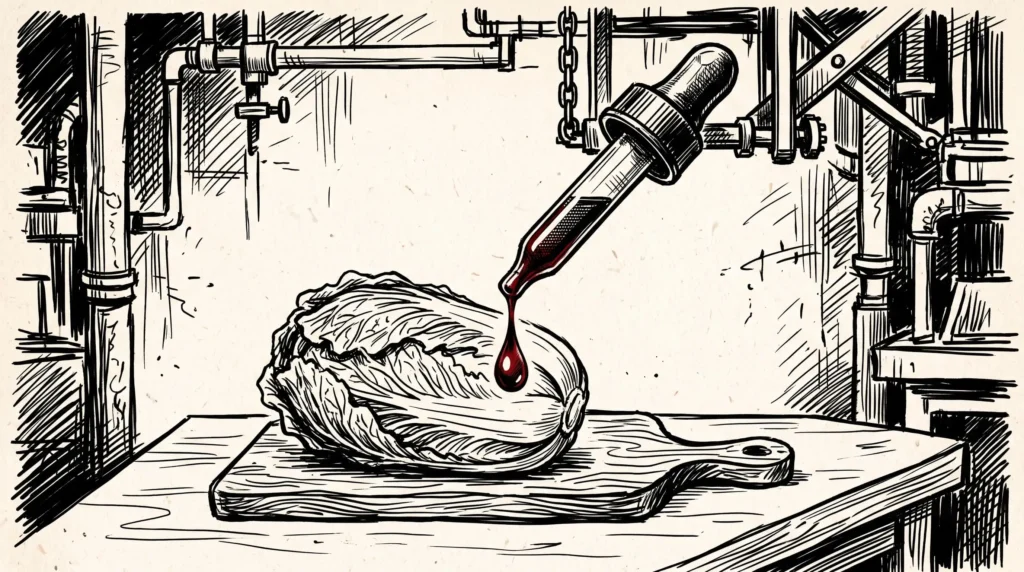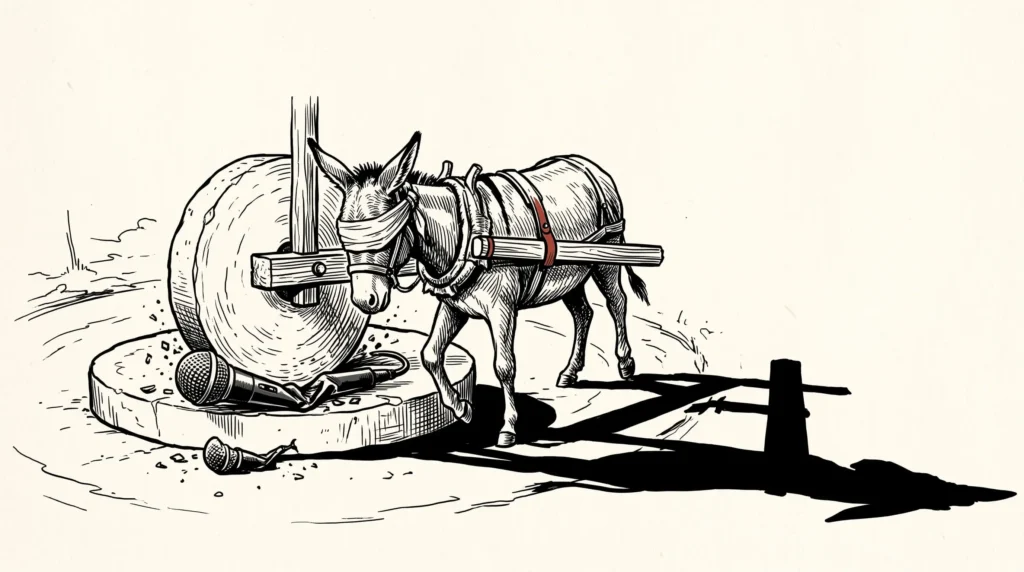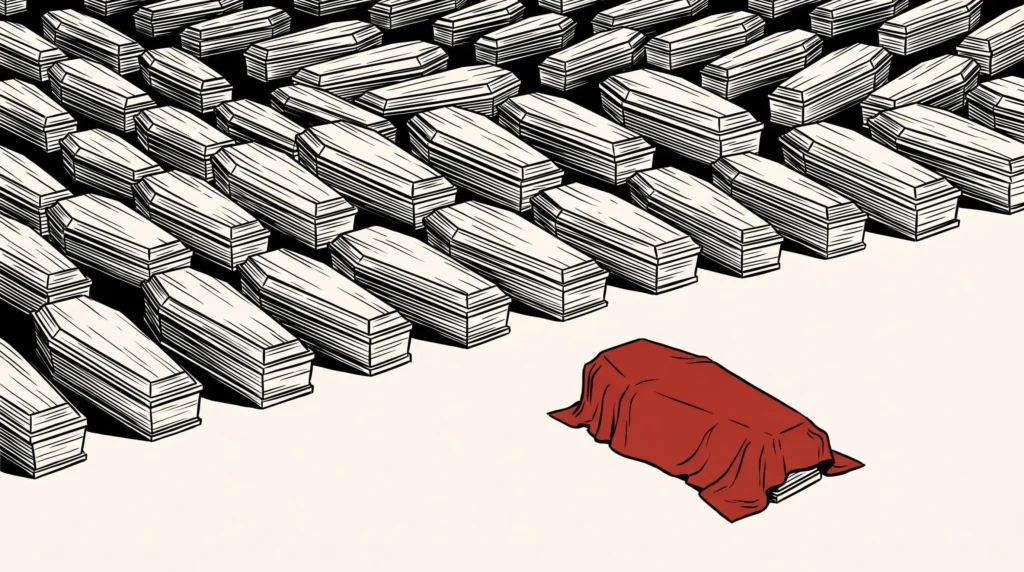
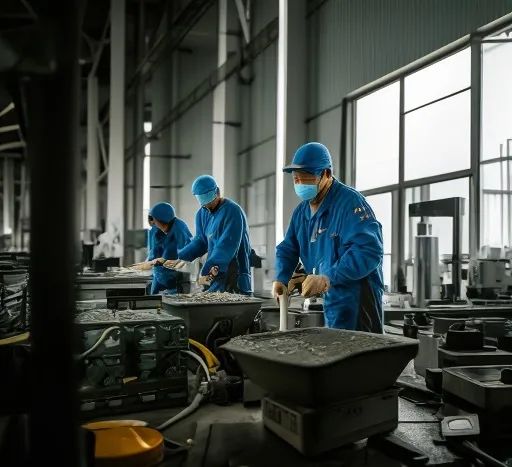
 To conquer global consumers like Genghis Khan, Pinduoduo may be squeezing the last drop of blood from “Made in China”.
01 Exhausted Factories
There have been many reports in the past two weeks about Pinduoduo’s market value surpassing Alibaba’s. The most impressive comment to me is: Pinduoduo went public in three years and surpassed Alibaba in market value in five years. From a business perspective alone, Pinduoduo is undoubtedly one of the stories that best reflects China’s rise in the past 10 years.
The overseas platform Temu is the protagonist of this round of growth. It also represents that Pinduoduo has entered the second stage of growth – selling low prices to the global market. In fact, China’s growth had stalled in the first half of 2022. In the first quarter of 2022, Pinduoduo’s growth was only single digits (7%), which was completely abnormal compared to its past double-digit growth.
Temu landed overseas in September 2022, continuing Pinduoduo’s growth strategy in China: high-investment marketing + ultra-low-priced products. In November 2022, Temu’s GMV rose from $4 million to $100 million, which also launched the largest market launch in the United States. $14 million was invested in the Super Bowl, which is known as the American Spring Festival. It used preferential discounts, download rebates and other activities to promote the positioning of “one-dollar store”. Temu also became the youngest brand ever to advertise on the Super Bowl.
 Temu is promoting “Shopping like a millionaire” overseas
This round of investment has been questioned by many industry insiders as more like a rough buying behavior. The “Super Bowl” is not suitable for new brands to appear. Its effect needs to be supported and tested by a more comprehensive and three-dimensional brand strategy. However, this kind of academic view was quickly slapped in the face: Pinduoduo has always been good at “rough buying”: large-scale buying, and then using “low prices” to catch the traffic and cultivate users’ consumption habits. This method has been verified in the Chinese market in 2017. According to Caixin’s report: During Black Friday, Temu offered $200 coupons, with a minimum of 10% off, starting from $0.39, and many other promotional measures. Its rise has had a certain impact on Amazon’s sales.
In November 2023, Temu’s GMV reached $3 billion. “Low price” is Pinduoduo’s core barrier to conquering the global market. In the fierce e-commerce market, Huang Zheng sees the “price” factor most thoroughly: We never look at what competitors are doing, but what consumers need: People always like “low prices”.
Pinduoduo has further maximized its “low-price model” when entering the overseas market. In order to better control the supply chain, it adopts a “full-managed” model, which is equivalent to merchants not having to worry about front-end customer acquisition, nor having to deal with complex logistics, operations, investment, and after-sales. The only thing merchants need to do is to prepare goods according to the stocking list, produce, and then send them to the warehouse of Pinduoduo cross-border.
In this way, the false eyelashes from Pingdu City, Shandong, and the children’s clothing from Huzhou, Zhejiang, are smoothly sent overseas. Pinduoduo’s most important communication point this year is to promote its full-managed model to the outside world, “reducing the threshold of cross-border e-commerce to a lower level”.
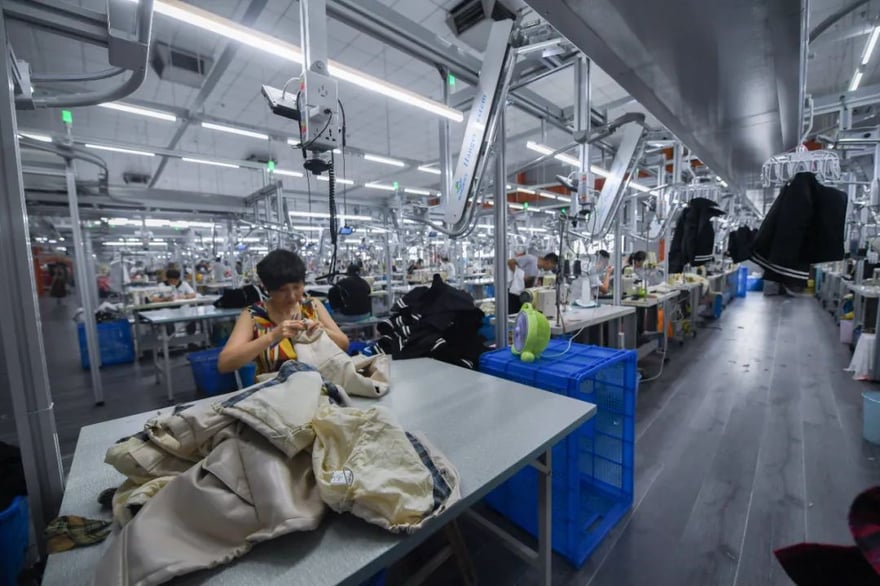 Children’s clothing factory in Huzhou
But wait, doesn’t all this make people shudder? In the entire production chain, thousands of Chinese factories only need to follow the platform’s instructions to prepare goods according to the quantity. And then? Pinduoduo will only choose the lowest-priced products to ensure its “low-price” strategy.
In a certain sense, this is a variant of monopoly. Through structural advantages, it forces the supply chain to provide lower prices. This is also a negative result of the typical aggregation effect: whoever controls the demand has the right to redefine the production chain, while other roles do not have much say.
A friend of mine who does toothbrush export business used to have an unstable business, but the profit was controllable. Although several competing factories around the towns and villages had competitive relationships with each other, they each had their own advantages when facing different customers. The emergence of Pinduoduo has made everyone roll to a level playing field: low price, only lower prices, otherwise they will be rejected by the platform. Only by working day and night, compressing costs, and reducing profits to the lowest level can they obtain Pinduoduo’s high-value orders.
Recently, my friend decided to close the factory: it’s more tiring to earn as much money as before. After all, the profit of each toothbrush has dropped from a few cents to a few cents. “The relationship between factories has also become not so good. If your price is low, then mine is lower. After all, if you use yours, you don’t need mine.”
Many mature industrial belts are no longer able to sustain this extreme internal volume game created by Pinduoduo. Recently, some source factories have moved to Shandong and Hebei. When these areas are also unable to produce, the platform will always find the next area with lower labor costs.
The continuously declining profits cannot support the upgrading and evolution of the production chain, the research and development of new products and innovation, and the unbearable working intensity. This has to be said to be an extreme alienation. In order to conquer global consumers like Genghis Khan, Pinduoduo is squeezing the last drop of blood from “Made in China” with low prices.
02 Killing Brands?
Compared with other platforms, Pinduoduo’s logic is “goods looking for people”, emphasizing “goods”, and “price” corresponds to “goods”.
From a brand perspective, this is undoubtedly a very bad logic. Because brands cannot expect users to not only type in the category in the search box, but also type in the brand (such as shampoo + Head & Shoulders). Most users’ habits on Pinduoduo are not to search for brands, but to search for categories, and then find the lowest price under that category.
Then, all brand merchants need to compete for whether the search results can be ranked at the top – the best way to top the list is the price. In other words, you only have two choices, either low price or sacrifice sales scale. So the solution to this fundamental contradiction is very simple: no need to do brand, the brand is worthless on Pinduoduo. This is why Pinduoduo is still filled with a large number of white-label products.
Of course, some people will refute that: in the economic downturn, “low price” is the rigid demand of the people, and Walmart is a successful case of “cost-effectiveness”. Pinduoduo is Walmart in the new era.
But please don’t forget, the most core and important value provided by Walmart as an offline retailer is a physical shelf, and the shelf is one of the most important display channels for brands, which increases the opportunity for consumers to see the brand. When consumers are shopping at Walmart, they have enough time to see products of different brands under the same category shelf. This is a very realistic shopping scenario. Consumers are attracted, then touch, compare prices, generate the desire to consume, or remember a brand’s product and logo. (Similarly, Miniso, which is also entering overseas markets and promoting “one-dollar stores”, is definitely underestimated by the capital market. I will write another article to update this view later.)
The following is the consumer’s purchase funnel model (The AIDA model)
Attention: make the buyer aware of a problem they have
Attention: See, be attracted
Interest: the buyer becomes interested in solving their problem
Interest: Users are interested in the product
Desire: the buyer becomes interested in your solution to their problem
Desire: Users are planted with grass
Action: the buyer acquires your solution
Action: Users buy
Walmart does not intend to eliminate brands, but provides a window for brands (new products) to display through physical shelves, allowing consumers to buy “cost-effective” products that meet their consumption capacity. And Pinduoduo compresses the entire purchase funnel into a resource position that you may only see for a fraction of a second: low price is its most eye-catching sign.
This is why I think that Pinduoduo always needs to provide a healthy business ecosystem. When Taobao, Xiaohongshu, Douyin, etc. are all working hard to promote their own ecosystems to grow more and better brands through richer media forms and traffic solutions (regardless of the outcome, this is a very important value of the platform) – only Pinduoduo is trying to “kill” brands.
This is destined to be a fact that is happening: especially those merchants who want to have differentiated products and build brands, hoping that Pinduoduo will help you find customers and deliver goods? Don’t be delusional, escape as soon as possible, Pinduoduo may be your biggest enemy.
And the more frequently we use Pinduoduo, the more brands (or merchants) will disappear because they cannot provide absolute “low prices”.
03 Really Don’t Consider Social Value?
Before Pinduoduo went public in 2018, the financing was not smooth. Most investors could not understand the story of Pinduoduo outside the Fifth Ring Road. Many people were shocked by Pinduoduo’s astonishing growth data while questioning its data fraud. Xu Xin, a famous consumer investor who invested in JD.com, once said that she could not understand Pinduoduo.
When facing doubts, founder Huang Zheng’s attitude was firm. Pinduoduo does not need to tell stories, “growth” is the hard truth.
The best way to understand a company is to understand the founder. Huang Zheng set the tone for all the stories of Pinduoduo in the future with extreme efficiency + extreme growth: this is a company that is unwilling to explain its values both internally and externally. It believes in a kind of extreme utilitarianism.
Given Pinduoduo’s values and integration efficiency, it will inevitably maintain growth for a considerable period of time, which is also the story that the capital market is easiest to understand. And after occupying the world, it is also destined to start the third stage of growth: it is likely to sell self-operated products to increase profits. After all, it has a huge number of users, a huge number of search behaviors, and rich third-party product information.
This information is enough to help Pinduoduo decide: how to price products, how to copy the functions of those products that sell well on the platform, or choose which product segments to enter based on revenue potential or growth space – for this company that is keen on “growth”, high profits are almost irresistible temptation.
Its tentacles will gradually extend to those merchants who supply it, using its scale, price and massive data to launch a siege – just like Amazon acquired the competitor’s website diapers.com in 2010. The former relied on selling its own diapers at prices far below cost, putting the opponent in a desperate situation – after all, the tens of millions of dollars paid to eliminate an opponent is nothing to the giant.
Even if we can benefit from Pinduoduo’s low prices at the moment, as time goes on, we will also face lower quality products and fewer choices – of course, another argument will remind me not to have too high expectations for consumers. After all, in the economic downturn cycle, the reduction of the middle class is the main reason for the increase in “low price” demand.
But even so, we must be soberly aware: what kind of price do we need to pay behind Pinduoduo’s low prices? Are we willing to accept such a price?
This is also why I use “The better Pinduoduo is, the worse the era is” as the title – Pinduoduo is simply the reverse version of Ford’s philosophy. Ford gave workers enough wages to afford the cars they made, which promoted the rise of the middle class, and opened the prosperity of consumption and the prosperity of brands.
Pinduoduo is doing the opposite: it may be unintentionally killing manufacturing, killing brands, killing innovation, and killing employment through predatory pricing, extreme efficiency internally and externally, and the structural advantages of the platform, not to mention the environmental pollution and waste caused by a large number of cheap items in this model.
Although I am very much looking forward to Pinduoduo being able to come up with subsidies and more sustainable development policies to build a virtuous ecosystem, this will undoubtedly sacrifice its short-term growth.
History is a process of continuous washing with time, washing away the bad and retaining the good. Business organizations are also the same. Companies that provide more opportunities, better values or more diverse aesthetic interests for society can last for a long time. Companies that only focus on their own growth are destined to perish quickly.
Discover more from 自由档案馆
Subscribe to get the latest posts sent to your email.