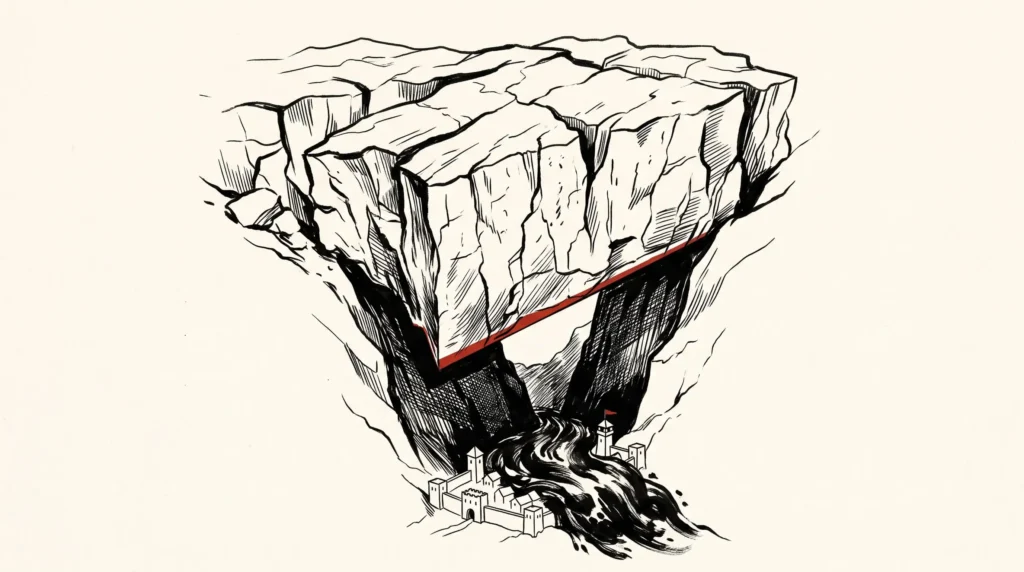
1. Currently, the numerous criticisms against Xu Jiayin focus on, either explicitly or implicitly, attacking “disorderly capital expansion.” Whenever one sees the phenomenon of “the wall falls, everyone pushes,” it inevitably makes one think more. Any real estate developer, when taking land and investing in a city, cannot avoid administrative approvals and supervision. The real estate myth of a certain period is also highly related to the institutional preferences of that period. Therefore, the collapse of Evergrande, the world’s number one real estate company, seems to be a problem of the enterprise on the surface, but fundamentally it is a problem of the institutional environment. Power and capital are not two separate entities, but rather capital operations under public power supervision. How to understand the relationship between power and the market is an institutional issue.
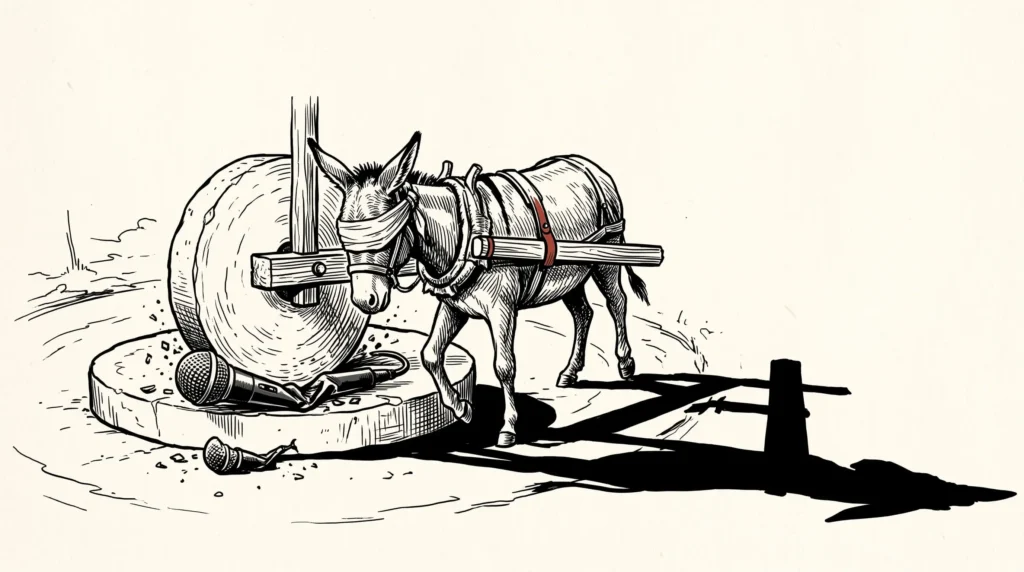
2. Xu Jiayin himself, like those crazy coal bosses in those years, had a real estate model similar to the traditional coal mining logic, lacking innovative technical content. One constantly borrowed money to find workers to build houses, and the other constantly hired coal miners to dig holes. The wealth code of this type of “entrepreneur” mainly lies in their identity relationship with those who hold decision-making power. This kind of traditional acquaintance society’s kinship logic, although it can be transformed into the performance of officials and fiscal revenue that comply with procedures, is essentially a naked power game, with only different divisions of labor. Xu Jiayin is just a symbol. This can be compared to entrepreneurs like Bill Gates, Steve Jobs, and Elon Musk. The way their companies create profits mainly relies on innovative technology, becoming the engine of value creation. The vitality of an enterprise lies in creation, not in relying on power and institutional arbitrage. The real estate model, however, is constantly extracting the people’s strength. In the past, people paid imperial grain and national tax; now, they are still doing the same as cattle and horses.
3. Therefore, Xu Jiayin himself does not belong to the social elite, although for a long time he was richer than a country, and many bestsellers were written about his personal success. His behavior after getting rich is just like Hong Xiuquan entering Nanjing. He maximized his power and desire, accompanied by a beauty singing and dancing troupe, and enjoyed extreme luxury. Looking back, he did not create wealth for society, but added debts of cosmic proportions. The debts involved in Evergrande are backed by those unfinished building owners taking over, and those small and medium-sized enterprises that have direct business cooperation with Evergrande but cannot pay. Debt defaults require many people to overdraft their future to repay, and without legal enforcement to pursue claims, it is simply robbery. Many people cannot hold on to the future because banks will not open the green light for these people, otherwise, the banks will have problems with their capital chains. Even if Xu Jiayin takes compulsory measures, the voices of these debt collectors will not be made public. It is difficult for a clever woman to cook without rice; in the absence of funds for payment, stability is the most important thing. This is indeed a great dilemma.
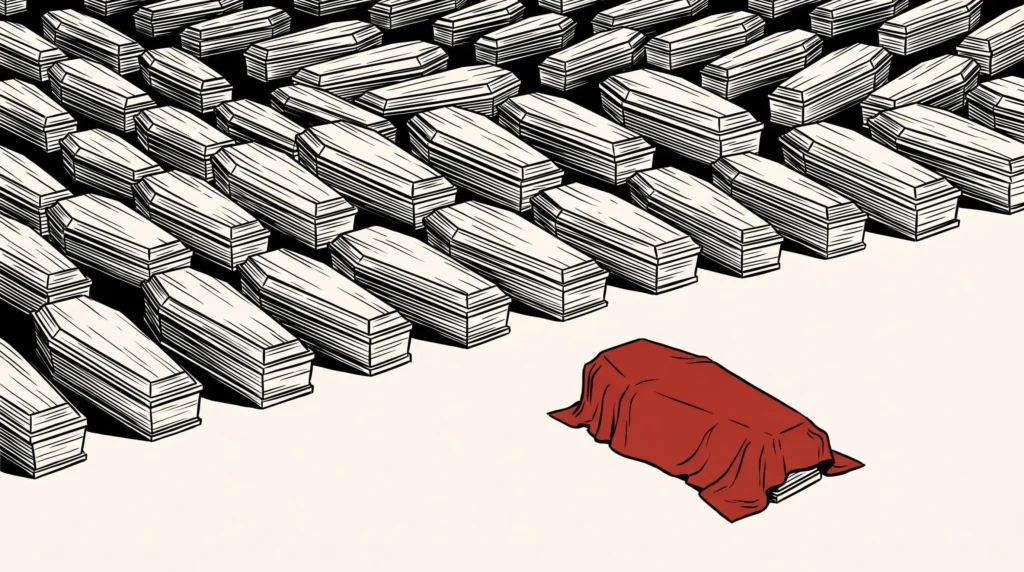
4. Xu Jiayin is not an isolated case, and Evergrande is not alone. This symbol has a strong weathervane effect. How to deal with Xu Jiayin is a difficult problem. Of course, from the moment he was taken compulsory measures, the two-year game of interests of all parties has come to an end, and there is generally a direction. Before this, China Fortune Land Development, Sunac, and later Country Garden, and R&F, etc., how to balance between guilt and non-guilt will affect the investment behavior of the entire real estate market participants. Uncertainty becomes a characteristic of the system, so people compare Pan Shiyi with Xu Jiayin to reflect the sensitivity of entrepreneurs. I think what is more worth considering is the sensitivity of the system to ordinary people. The song “Great Dream” is very popular recently. What should those families do who have emptied the savings of several generations but can only watch the candlelight in the unfinished buildings? Some people can leave their hometowns, but some people have entrusted all their life’s belongings to “legally operating” real estate. What a tragic irony.
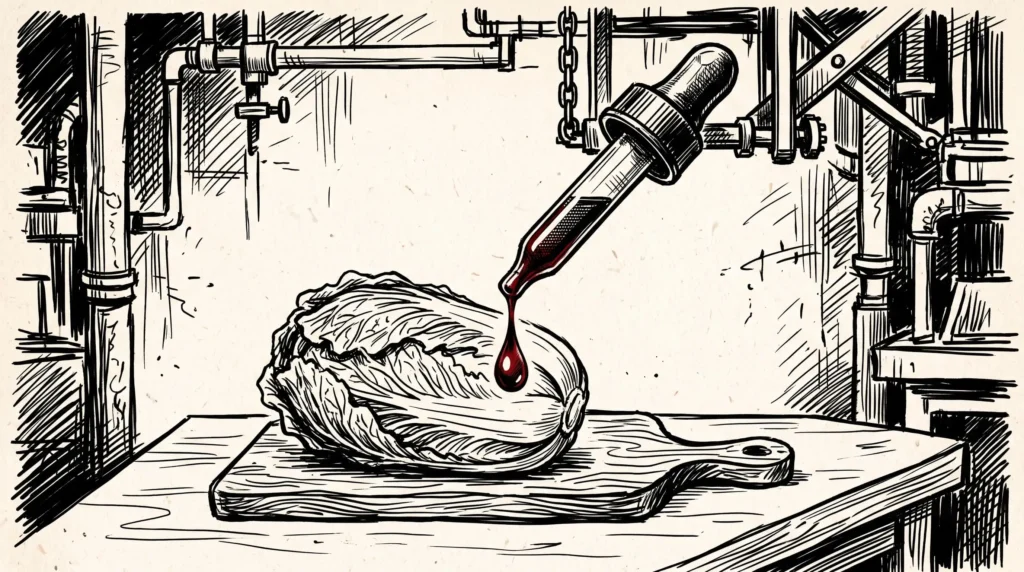
5. The institutional issue is a matter of development philosophy. When it comes to the system, there are always some experts and scholars who are full of arrogance and hypocrisy. If they take a look at the collapse of the Evergrande model at this moment, they don’t know if they can continue to be greasy. Of course, these people only care about immediate interests, regardless of the consequences. The problem with the real estate development model in the past two decades is that it has transferred risks to the ordinary people of the middle and lower classes through a legal system, and at the same time, it has relied on overdrawing the cheap labor of the middle and lower classes to support the extravagant enjoyment of some people. Taking the so-called pre-sale system of commercial housing as an example, the home buyers are absolutely the weak party. In the entire transaction process, they are isolated individuals competing with the “legal team” employed by the real estate. From the perspective of real life, the law does not serve ordinary people. After the unfinished buildings appear, most people admit their bad luck. This system, which lacks the participation of citizens in rule-making, will inevitably become a cage that imprisons people, which is very worthy of reflection and improvement. It is not worth the ethereal superiority. Our urbanization development model has built high-rise buildings, but people do not have the ability to live, or simply have not completed the transaction, not to mention a happy individual life.
6. Institutional risks stem from shortsightedness. For ordinary people, the greatest luck in a great era may be to avoid transactions with companies like Evergrande. People will also be lucky that they did not become victims of the system this time. But this is not the case. The huge debts ultimately need to be shared by the people, which will be reflected in the prices of vegetables in the vegetable market and the amount on the salary cards. Therefore, everyone has a responsibility to conduct institutional reflection, maintain high sensitivity, connect the system with individual life, and become a person who cares about public politics in the Aristotelian sense. Only then will the system have the possibility of turning towards justice. Instead of the opposite, just wanting to be “above others,” right and wrong, good and evil are not important at all. In such a predicament, what will happen in the future? This is indeed worth everyone’s sigh.
Discover more from 自由档案馆
Subscribe to get the latest posts sent to your email.