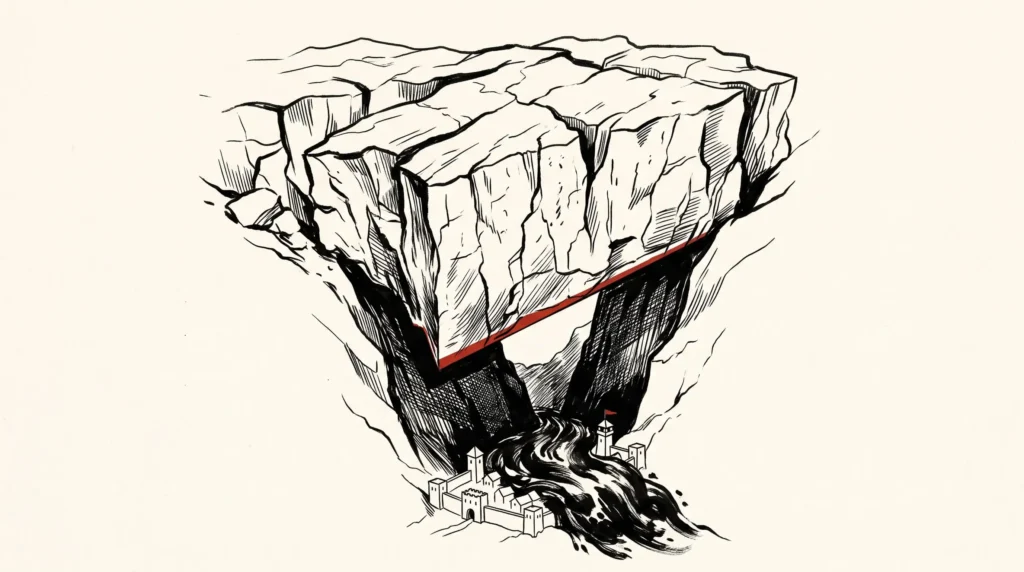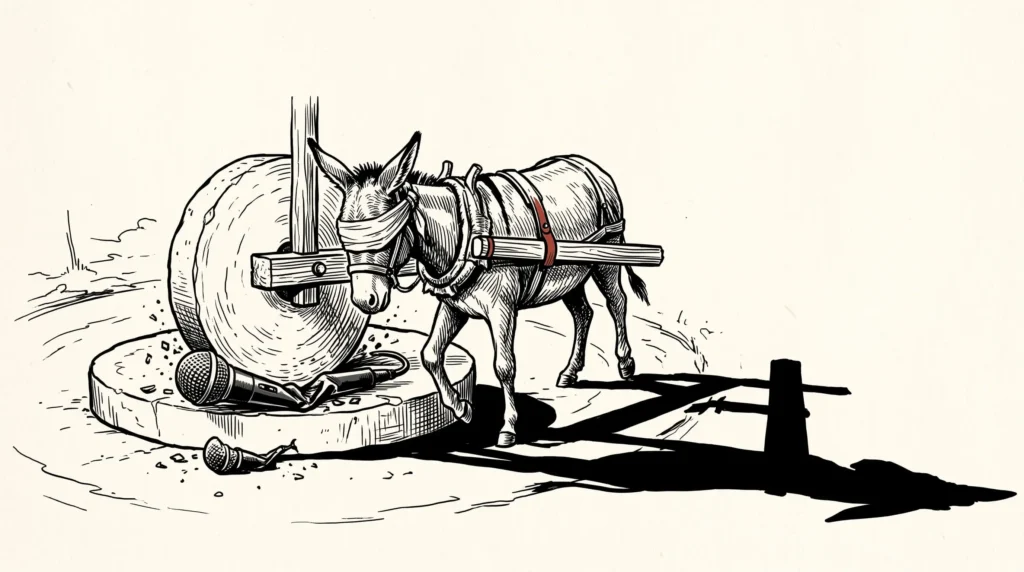
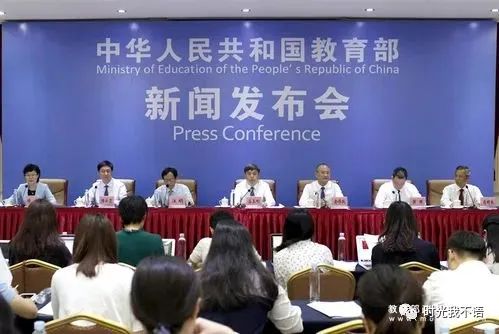
Three scholars from Peking University found that the previous education burden reduction policies failed to significantly reduce students’ learning burden, nor did they significantly reduce family education expenditure, but instead led to a divergence in educational investment and educational output. In terms of investment, the education expenditure and student study time of high-income families both increased, while those of low-income families both decreased; in terms of results, the threshold for students from low-income families to obtain quality education is higher, exacerbating the problem of “it is more difficult for the poor to produce the elite.”
This article was published in the journal *Economics* (Quarterly) in 2023, Volume 23, Issue 3, titled: Reducing Educational Burden, Family Education Expenditure and Educational Equity, with authors Zhou Zikun, a doctoral student at the National Development Institute of Peking University, Professor Lei Xiaoyan of the National Development Institute of Peking University, and Professor Shen Yan of the HSBC Business School of Peking University. The corresponding author is Shen Yan.
The theoretical model of the article starts from different scenarios, such as whether there is a competitive promotion mechanism and whether there is an off-campus education market. By comparing the static analysis of the competitive equilibrium of families with different economic endowments and students with different leisure preferences for promotion opportunities, the effect of the burden reduction policy is predicted. The burden reduction policy reduces public education investment. In equilibrium, the policy affects both the overall intensity of the promotion competition and the individual promotion competition results, but the individual’s relative position in the promotion competition can be compensated by private education investment. Therefore, after the burden reduction policy occurs, families with strong economic strength will increase their investment in private education to compete for more promotion opportunities, while families with weak economic strength are forced to withdraw from the promotion competition.
Another contribution of the article is the construction of an education burden reduction index. Based on the collation of all public documents on education burden reduction policies from 2005 to 2018 by various provinces and the central education authorities, the authors summarized 17 detailed items of education burden reduction policies and scored them separately, constructing an annual education burden reduction policy index for each province.
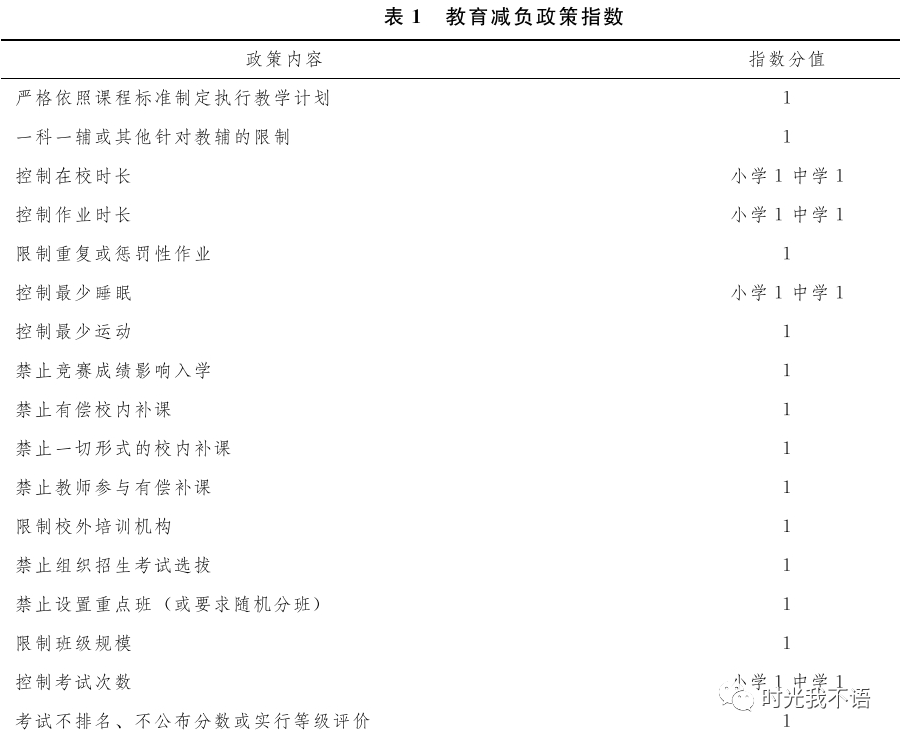
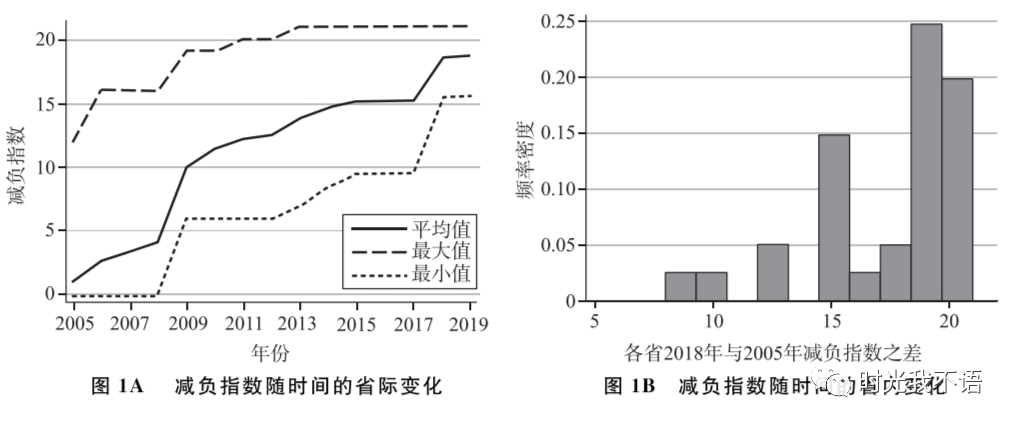
In terms of empirical analysis, the article matches the policy index and the individual microdata of the China Family Tracking Survey (CFPS), and evaluates the impact of education burden reduction policies on different groups under the framework of the triple difference method.
The results show that the burden reduction policy, on the whole, has not had a significant impact on the overall level of family education expenditure and student study time, but has caused a divergence in educational investment and output among families with different backgrounds.
According to the estimates of the article, after the education burden reduction policy was further promoted from 2008 to 2018, it led to a 9.3 percentage point decrease in the probability of “poor students” (students from families in the bottom 10% of the income distribution) going to high school, while the probability of “rich second generation” (students from families in the top 10% of the income distribution) going to high school increased by 5.3 percentage points.
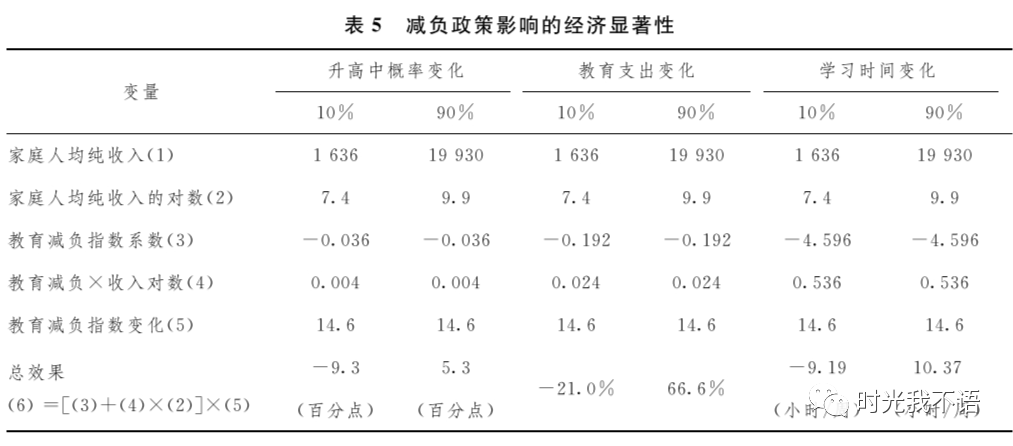
The divergence seen from the perspective of investment is shocking: the education expenditure of poor families decreased by 21%, while that of wealthy families increased by 66%; the study time of poor students decreased by 9.19 hours per week, while that of the rich second generation increased by 10.37 hours per week.
Overall, on the one hand, the existing burden reduction policies have not “reduced the burden” for high-income families and students, but they have increased various educational investments and participated in the “involution” of basic education; on the other hand, the burden reduction policies have caused low-income families to reduce various educational investments, leading to fewer and fewer opportunities for students from these families to gain in the promotion competition, and they are passively withdrawing from the promotion competition and have to “lie flat.”
It is worth noting that the education model that used to not rely on family education and economic expenditure is disappearing, and those families that rely more on talent and diligence and thus have low economic investment have to increase their economic investment after “burden reduction.”
Based on the above findings, the authors suggest that if the current “double reduction” policy is to work, it needs to start from increasing the supply of quality education and reducing the pressure of promotion competition. It is necessary to increase the supply of quality education resources in the compulsory education stage. On the one hand, it is to “increase the quantity”, that is, to mobilize resources from all aspects of society to improve the hardware and software facilities of schools; on the other hand, it is to “improve the quality”, that is, to increase the training of teachers and talents, improve teaching efficiency, and enable families and students to achieve learning goals with less educational investment. And to reduce the pressure of promotion competition, it is necessary to provide more high-quality high school education resources. At the same time, increasing the supply of quality education and reducing the pressure of promotion competition in the compulsory education stage will help to meet the needs of the people for quality education and the demand for human capital needed for national development while achieving the goal of burden reduction. *
— THE END —
Discover more from 自由档案馆
Subscribe to get the latest posts sent to your email.