


After the collapse of the CCP's communist ideology, especially after the "June Fourth" incident led to a spiritual crisis, Mao Zedong's successors, in order to maintain one-party dictatorship, raised the banner of patriotism and boasted that the Chinese Communist Party was the mainstay of the War of Resistance Against Japan.
However, the historical fact that Mao Zedong colluded with the Japanese army during the War of Resistance Against Japan is known to very few people, and the authorities never mention it.
At a time when the Chinese nation was facing a crisis of life and death, Mao Zedong did his utmost to weaken the Nationalist army. In the autumn of 1939, he sent CCP spies such as Pan Hannian to infiltrate the "Iwai Residence" under the Japanese Ministry of Foreign Affairs and sold the Nationalist military intelligence of the Chongqing government obtained through cooperation between the Kuomintang and the Communist Party to Japan at a high price.
Not only that. Mao Zedong also asked Pan Hannian to propose to Iwai Eiichi, the owner of the "Iwai Residence", the proposal of "ceasefire between the CCP army and the Japanese army". In order to negotiate the ceasefire, Pan Hannian, through Iwai's introduction, met with Ying Zuo, a military advisor to the Wang Jingwei government in Nanjing and a Japanese army general, and also met with Wang Jingwei under Ying Zuo's recommendation.
The author of this book is a Japanese professor who was born in Northeast China during the War of Resistance Against Japan. Based on Iwai Eiichi's memoir "Recollections of Shanghai", and after searching through the internal archives of the Japanese Ministry of Foreign Affairs' Diplomatic Archives, and comparing them with the data from mainland China and Taiwan, she provided thought-provoking evidence on questions such as "What exactly did Mao Zedong do during the War of Resistance Against Japan?" and "How did the CCP army grow and develop?"; it reveals that Mao Zedong's words of gratitude to the old Japanese military personnel after the war were indeed from the bottom of his heart.
Freedom Library / Archive No.11540
Yomi Endo|The Truth About Mao Zedong's Collusion with the Japanese Army: Memories and Archives from Japanese Spies
RELATED
You may also like
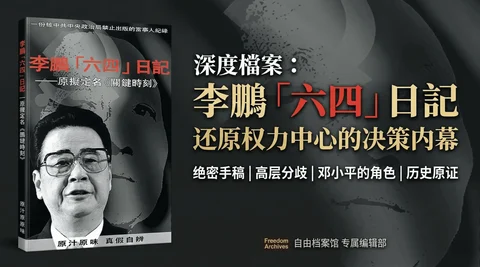
No. 16668
June Fourth Diary
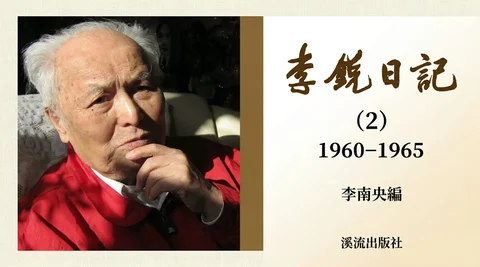
No. 16597
PDF|Read Online
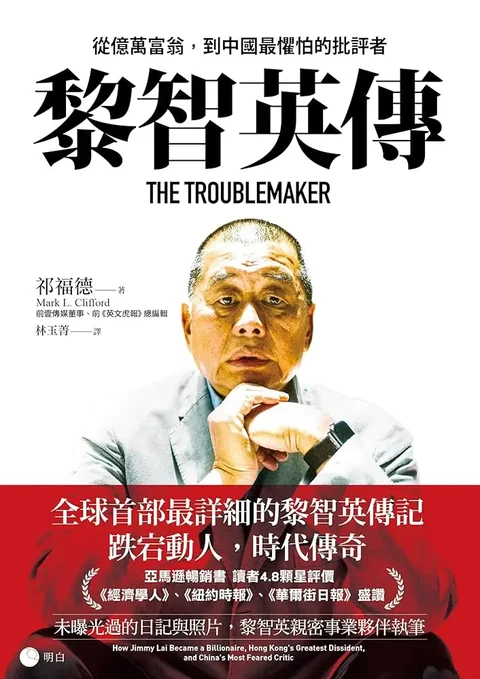
No. 11446
"The Jimmy Lai Story": From Billionaire to China's Most Feared Critic - The Jimmy Lai Story | PDF | Read Online
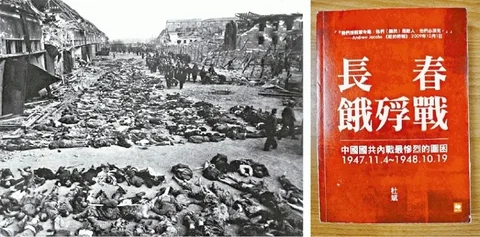
No. 11447