“Your grandfather makes one mistake, and my grandfather has to…”
By Youyou Lumen, Huang Zhijie
Farming on paper?
On July 14, 2026, CCTV News’ “Focus Interview” broadcast a supervisory report on grassroots agricultural cadres and farmers in Jianghua County, Hunan Province, titled “Rice Planted on Paper.”
What’s going on? Is there major corruption hidden in the fields of a small county like Jianghua, so much so that it has alarmed CCTV?
The basic facts are as follows:
Jianghua County has 320,000 mu of basic farmland, a portion of which can be used for early and late double-season rice. The province and city have set the county’s rice planting area target at 390,000 mu (129,000 mu for early rice, 130,000 mu for mid-season rice, and 132,000 mu for late double-season rice) as a mandatory task.
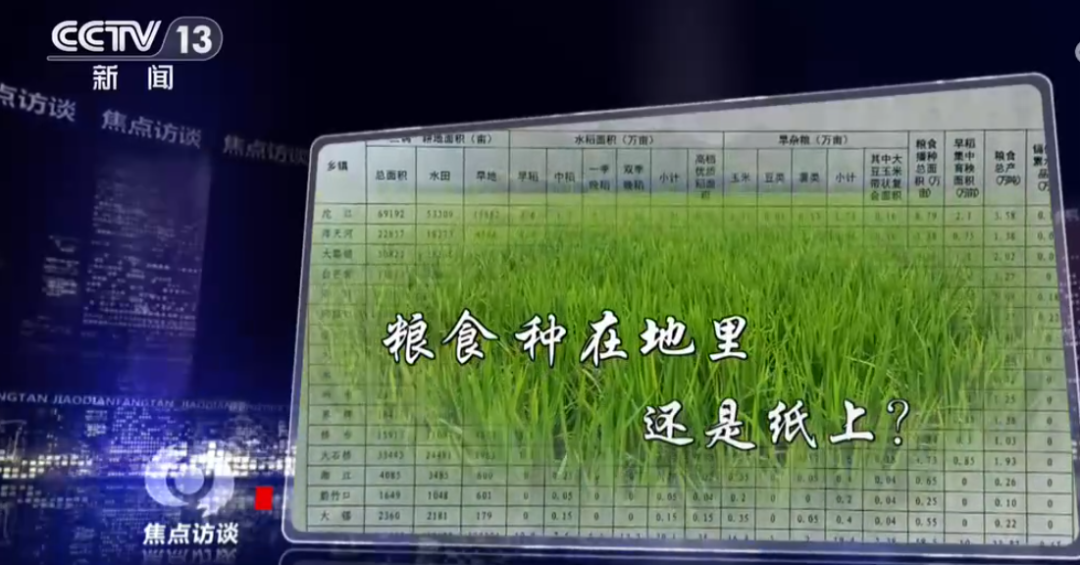
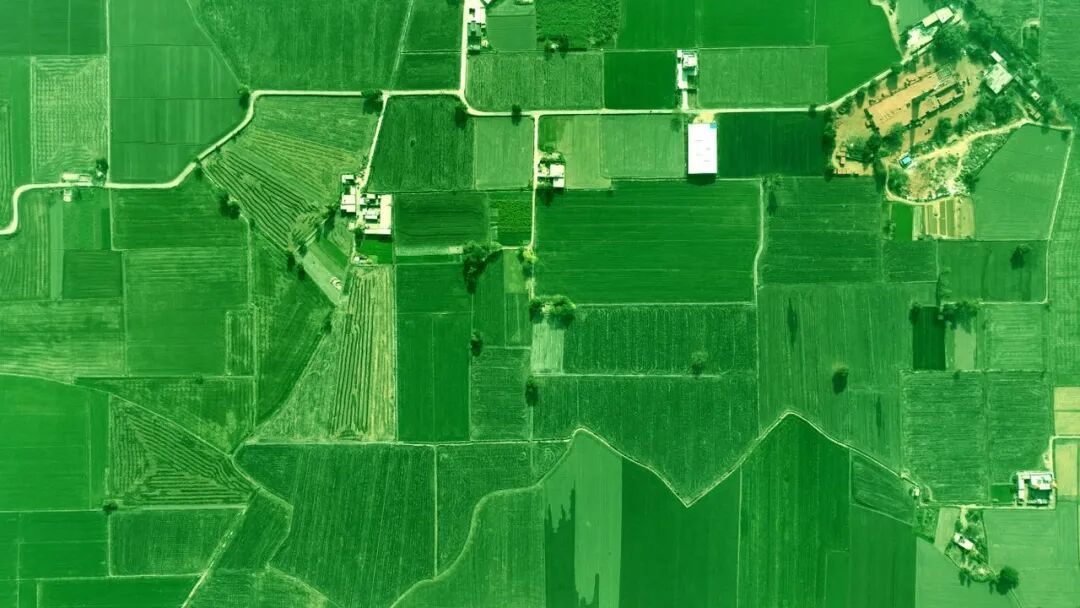
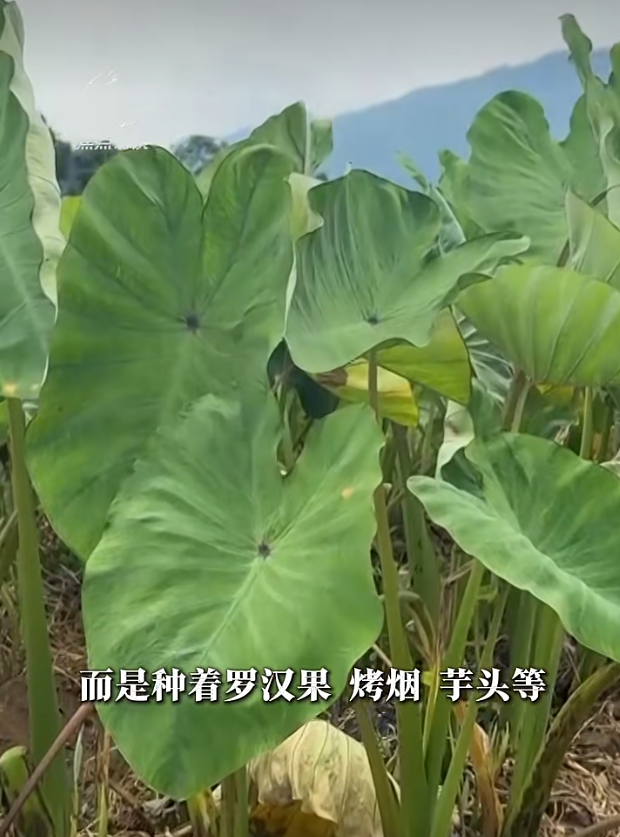
According to data from the statistical bureau and ledger reports, the county has completed this task. However, CCTV reporters used drone aerial photography to discover that although the areas visible along the roads were planted with rice, outside the visible range, many farmlands were planted with economic crops such as tobacco, luo han guo, taro, pumpkin, and bitter melon, not rice. A review of local ledgers found that the number of mu receiving target price subsidies for rice was 238,000 mu, a shortfall of 150,000 mu from the target.
In the program, “Focus Interview” believed that Jianghua County’s agricultural cadres and farmers were playing with numbers and deceiving their superiors.
After reading the report, my first feeling was not that the cadres and farmers in Jianghua County had done anything terribly wrong.
Why don’t farmers plant rice? Is it because farmers are stupid?
The real reason is that planting rice is hard work but not profitable. Taking early rice as an example, the cost for a typical grain-growing household is: land rent 200, seeds 90, fertilizer 200 per mu, labor for fertilizing 18, harvesting and lodging 100 (80 if not lodged), plowing 100, pest and disease control 100 (using aerial spraying), weeding 35. The total is 843 yuan. How much can they earn? The current price of rice is 0.85 yuan per jin. Assuming a yield of 1100 jin per mu, it is 935 yuan.
For one season, at most less than 100 yuan, and the cost of one’s own labor and management is not included.
In comparison, planting taro, pumpkin, luo han guo, etc., yields significantly higher income. If one plants tobacco, the income is even higher. For a farmer, if they diligently plant tobacco, earning one to two hundred thousand yuan is normal, no less than working in the city. Moreover, tobacco is generally rotated with rice, and after harvesting tobacco, a crop of late rice can still be planted.
The farmers in “Focus Interview,” although they overreported the area for planting rice tasks, did not overreport when receiving agricultural planting subsidies; they reported truthfully. They did not engage in any actions to defraud fiscal funds.
What they did was twofold: first, to increase their own income, and second, to reassure the leaders who set the tasks.
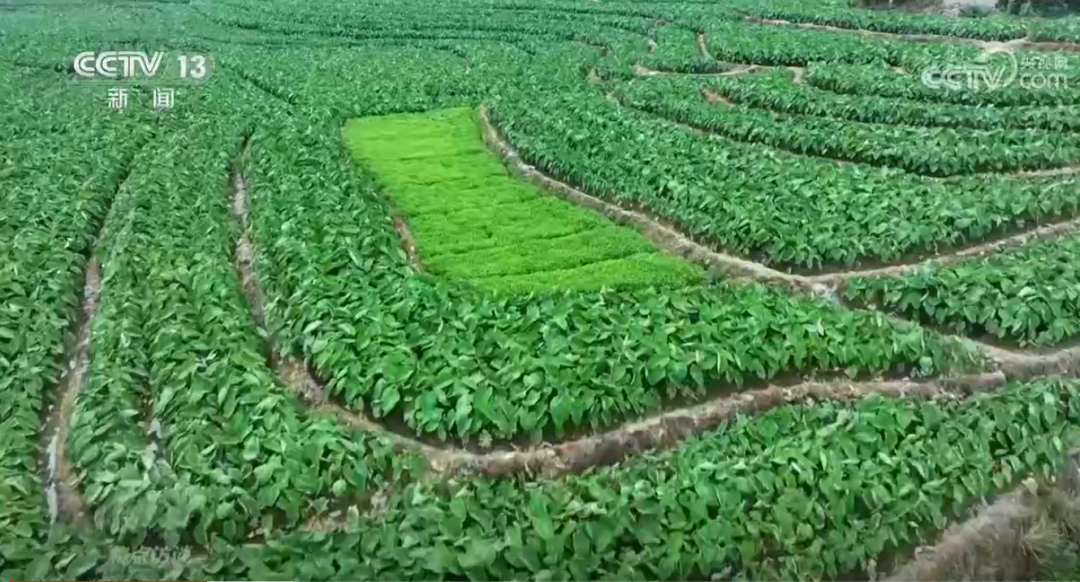
As seen in the drone footage, Jianghua County has not abandoned its fields. The farmlands where they planted taro were well cared for and grew well:
In my opinion, it is these “mandatory tasks” that have caused trouble for farmers and grassroots cadres, not that farmers and grassroots cadres have caused trouble for their superiors.
In 2024, Sun Zhigang, the former secretary of the Guizhou Provincial Party Committee, who was accused of accepting bribes of 813 million yuan by the procuratorate, was tried. One of the major policies of this secretary during his tenure in Guizhou was the “Corn Revolution”: mobilizing the entire province to prohibit Guizhou farmers from planting corn.
“If you dare to plant, I dare to uproot, and I will resolutely leave no corn stalks. To escape poverty and achieve happiness, not to plant corn.” Sun Zhigang made “strategic arrangements” at the provincial party committee level to reduce corn planting area: in 2018, Guizhou Province must reduce its corn planting area from 11 million mu to 6 million mu.
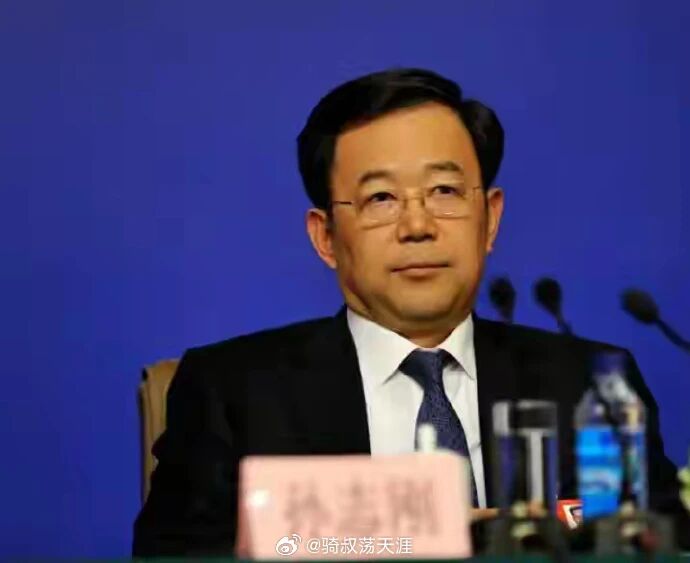
To this end, Sun Zhigang adopted a “five-step work method”: policy design, work deployment, cadre training, supervision and inspection, and accountability. The Provincial Agricultural Commission was responsible for supervision and assessment, and those with superficial work styles, falsification, poor performance, and slow progress were to be notified or interviewed. Pressure was passed down layer by layer, and some grassroots cadres had no choice but to take illegal measures: if farmers were found planting corn, they would be deprived of their cooperative medical subsidies for three years.
Looking back, this “Corn Revolution” led by Sun Zhigang seems quite absurd: one person becomes a provincial party secretary and thinks they know everything, dictating everywhere, and understanding what farmers should plant better than the farmers themselves. This reminds me of a line from “I Love My Family”: “Your grandfather makes one mistake, and my grandfather has to beg for food.” The screenwriters at that time were truly daring.
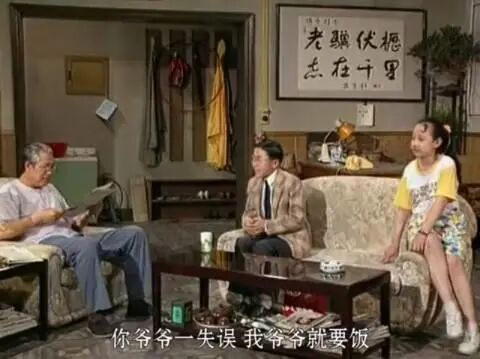
Isn’t this obviously absurd? The people most concerned about farmers’ interests are the farmers themselves. Farmers will judge for themselves what is suitable to plant in this land and what yields the most profit, and even if they cannot judge for a while, they will quickly learn from those around them.
Therefore, if we want farmers to plant more rice, the most important thing to do is to increase the profitability of planting rice. On one hand, the price of rice has remained at the level of decades ago, and on the other hand, farmers are forced to plant rice. Can such a policy last?
From a journalistic perspective, the “Focus Interview” report only investigated county, township, and village levels, but did not investigate and interview the departments that set the target goals to understand the basis on which they set the “mandatory task” of 390,000 mu of rice planting for Jianghua County.
Is this task necessarily scientific and correct? If, before clarifying this issue, Hunan Province initiates large-scale accountability based on the “Focus Interview” report and holds Jianghua County’s grassroots agricultural cadres accountable, I believe it may not be a good thing for agricultural work.
“Farming on paper” is formalism, but aren’t many formalistic falsifications also out of desperation? Behind formalism, is there not bureaucracy?
Furthermore, I am quite puzzled by the presupposition in the report: rice is grain, but are taro, bitter melon, and pumpkin not grain? Can they not be eaten? Are farmers planting these economic crops threatening food security?
Is it really good to narrow the concept of “grain” to “rice”?
When it comes to farming, it is best to respect the wishes of the farmers. What governments at all levels can do is to guide them according to the situation, rather than issuing arbitrary orders. Countless lessons from ancient and modern times, both in China and abroad, have proven that famine in a society often stems from man-made disasters, not natural disasters. As long as there is no reckless behavior, food security will not be a problem.
Youyou Lumen 20260715
PS: Yesterday’s article has disappeared. From July 1st to 14th, I wrote 9 articles, and 4 of them were “unavailable.” The shortest-lived one only survived for half an hour.




Generally speaking, if a unit’s casualty rate exceeds 30%, it must withdraw from combat. A high fatality rate is indeed detrimental to the body. I will rest for a while and await future opportunities.
Discover more from 自由档案馆
Subscribe to get the latest posts sent to your email.