

No matter what the rainbow is, when you get to Sanhe, you have to listen to me. No red, blue, or black!
Wow, the mountains and rivers have changed color. The red Mixue Bingcheng has become gray:
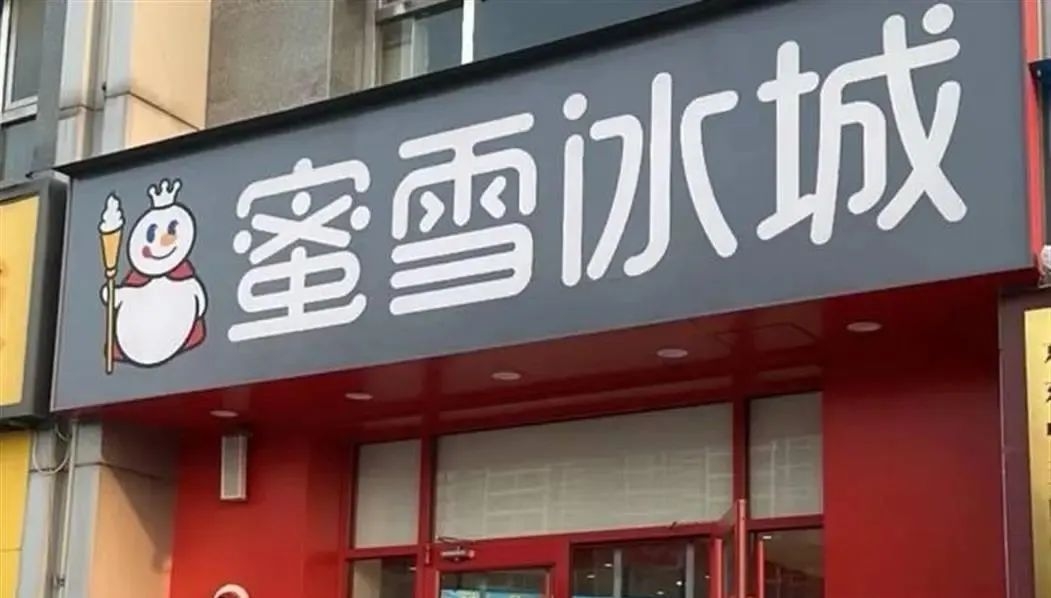
The ban comes from Sanhe City, on the outskirts of Beijing. According to the Urban Management Bureau, this is a requirement of the municipal government's urban planning.
Although the documents are still being prepared for distribution, the rectification has already taken the first step.
It's all about having power and being willful. It's like communism will be realized, and I'll start distributing according to needs first.
I'll just borrow a line from Hai Rui: Our Chinese laws have clear provisions that no administrative permits may be issued without authorization, except by the State Council.
But in some places, the secretary says there must be light, and then there is light. The leader says to remove the three colors, and the seven colors should not exist.
Last year, the same province had an incident involving "livestock".
The urban management department required a tailor shop run by a disabled person in Xingtai to remove its advertising sign because the leader was coming to inspect.
When the leader entered the shop, the shop owner neither stood up to greet him nor paid any attention when answering, and the work in his hands did not stop. He even said, "Which livestock is coming to inspect?"
The urban management officer casually used the leader as a shield: "Our leader!"
"Who is your leader?"
The urban management officer finally reacted and was too scared to respond...
In recent years, news has emerged from Shanghai to Northeast China, where urban management departments have required the unification of shop signs. What's even more frightening is that some places require black backgrounds and white characters, which is a proper funeral hall style. The picture below is Shanghai:
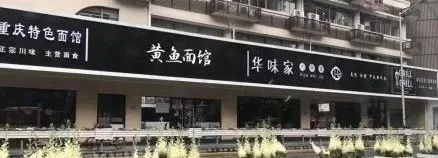
The picture below is Cangzhou, Hebei:
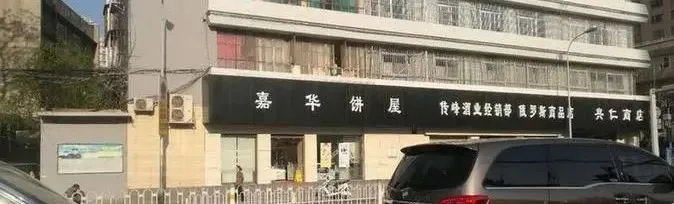
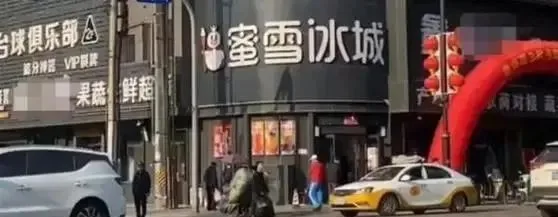
The picture below is Shenyang. The poor Mixue Bingcheng has repeatedly become the target of rectification. What color is not good to use:
A friend has a golden saying: "Totalitarian aesthetics is a dead end".
From Zhang Yimou's Olympic opening ceremony to the neighbor's Arirang in the Northeast, they are all about "lining up and brushing".
Moreover, this aesthetic has been deeply rooted in the bones of every Chinese person since childhood.
The famous saying "lining up and brushing" comes from Master Zhang Meiyu, the chairman of the student union.
When this student union chairman of Heilongjiang Vocational College inspected the dormitories, her entourage loudly cleared the way, with the style of urban management officers putting pressure on the leaders: "From now on, see our six faces clearly. When we come, it's for inspection. Look at the work permit. Except for the six of us, no one can manage you. Do you understand?!"
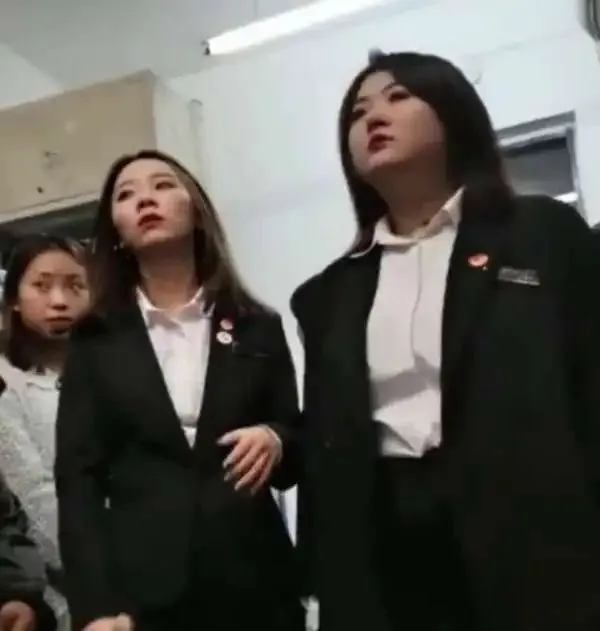
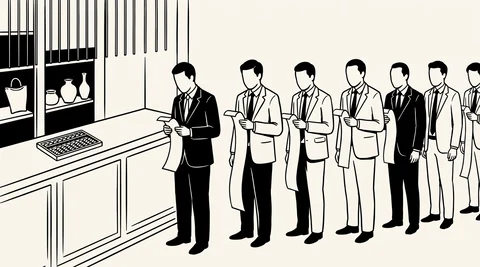
Then she issued instructions: "Put the eight (second tone) kettles, every day, all line up and brush them."
Chairman Zhang was called a Heilongjiang warlord by netizens, which is a very disrespectful remark to the leaders, even more unpleasant than "livestock".
But the requirement of "lining up and brushing" does indeed reveal the essence of totalitarian aesthetics.
But even the disabled stall owner in Xingtai knows that this is destroying the business environment: "What have you ruined the business environment in Xingtai into now!"
The urban management officer felt that he had caught the handle again and pressed, "Who ruined it?"
As a result, the shop owner again confronted: "The leaders!"
The urban management officer was too scared to respond for the second time and fled in a panic, showing his cowardly behavior.
But after all, there is only one stall owner who dares to scold the leaders as livestock. They are all about "never-ending power", and you can only "line up and brush".