


The rampant fraudulent and terroristic activities targeting Chinese people overseas not only reflect the spillover of the "governance failure effect" of some neighboring countries, making China a victim, but also reveal some loopholes and inadequacies in our internal governance. The interaction of these two factors forms a "perfect" closed-loop of victim ecology.
Organized, large-scale kidnapping and fraud targeting Chinese people are becoming increasingly rampant and infuriating. According to a report released by the United Nations Human Rights Office on August 29, 2023, there are hundreds of thousands of fraud employees in Southeast Asia, with 220,000 in Myanmar and Cambodia alone. We believe that the vast majority of them are Chinese citizens or ethnic Chinese, and most of them are kidnapped or forced to engage in such activities. According to a report released by the Thai police, approximately 70,000 Chinese citizens or Southeast Asian Chinese are trafficked to Myanmar through various human trafficking channels each year.
In short, this number is shocking. Whether it's 220,000 or 70,000 per year, it is equivalent to the loss of population in a large-scale war in modern society. Chinese citizens have become the largest victim group of non-war terrorist acts. This should attract the attention of our society, especially the state, and we should take action without delay to rescue these victims.
However, before proposing countermeasures, we should first figure out how this phenomenon came about. We need to reflect: why do citizens of the world's second-largest economy become the largest victims, rather than Koreans, Japanese, Greeks, or Argentinians? What exactly gives rise to this "tailor-made" terror ecology for Chinese people? Only by tracing the source according to some of the clues currently exposed can we find reasonable countermeasures.
First, the dilemma of personal information protection.
The first line of defense against the collapse of the general public becoming the prey of fraudulent terror is the leakage of our personal information. Fraud and terrorist groups can know our ID numbers, phone numbers, and bank accounts, even our commercial shopping and travel itineraries, from overseas. Their grasp of our daily information makes us too easy to fall into fraud scenarios and get caught in their rhetoric traps.
The author has always prided himself on being highly vigilant, but once fell into this kind of fraud rhetoric. The year before last, a courier company lost a package of the author's. The author complained about the handling, and two or three days later received a customer service call with the area code 025, claiming to be a claims adjuster, and then asked the author to perform facial recognition to confirm the refund transfer. At this time, the Anti-Fraud Center of the Beijing Municipal Public Security Bureau sent a text message reminding that this was an overseas fraud call. The author was puzzled at the time, how did they get this information?
Our scenario as victims of personal information leakage is not only reflected in overseas fraud, but countless domestic fraud also thrives on this soil. If you have consulted a bank about a mortgage, there will be countless small loan companies to harass you; if you have registered a business, there will be countless financial accounting companies to harass you... It can be seen that it is not only commercial platform companies that leak our information, but also state-owned enterprises and state organs. Should we hold them accountable in this regard?
Second, loopholes in telecommunications and financial management.
The second layer of soil for telecommunications fraud is China's telecommunications and financial networks. Just as the author experienced, the fraud calls from abroad all used virtual numbers of domestic telecom operators, which made us relax our vigilance. If they called you from a US or Indian phone number, you would naturally be unlikely to answer. This reflects the problem of virtual number operation management of our telecom companies. Even the news repeatedly reports that a large number of domestic SIM cards are smuggled to Southeast Asia in batches. Our SIM card registration is real-name registration. Why can tens of thousands of cards be opened at once? Are there insiders in the telecom companies? In addition, the storage, circulation, and laundering of fraudulent funds also use RMB channels, which also means the domestic and foreign networks of our banks, which also reflects the problem of our financial supervision.

(A large number of phone cards smuggled to Myanmar were seized by Yunnan Customs)
We can make an analogy: the fraud group and the telecommunications and financial networks are actually the relationship between the hair and the skin. Their existence is completely parasitic on the skin of the domestic telecommunications and financial networks. If this skin does not exist, their fraud activities will have no space to exist. So, are there insurmountable technical obstacles for domestic telecommunications and financial institutions to solve these problems? The author is not a professional and is not clear about this, and needs to consult with readers.
Third, the dilemma of youth employment and survival.
We can also find from the victim cases exposed by the media that the staff of the fraud parks are mostly lured by high-paying jobs. And the frequency of these abductions has soared since 2019, and the victims are almost all young people in their twenties and thirties. Even during the epidemic, when the border was strictly sealed off, some people still smuggled out to seek wealth. This reflects that the employment and survival environment of young people is becoming increasingly unfriendly. Especially, in the past year or two, the evil news of fraud and kidnapping in Myanmar has been fully exposed, but it has not decreased at all. Some people continue to hold a fluke mentality to seek opportunities, even the well-known artist Wang Xing is included. In addition to condemning their stupidity, does this also explain some deep-seated problems in society?
Fourth, the dilemma of overseas investment management.
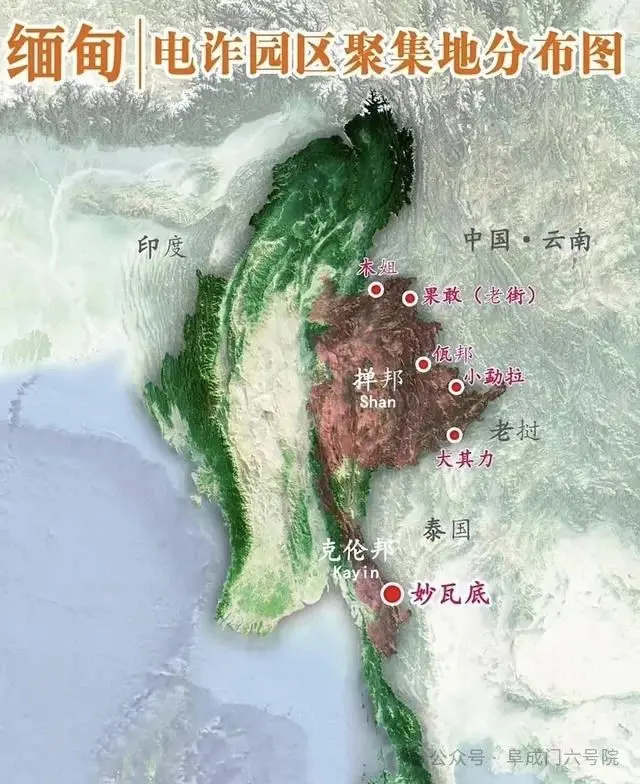
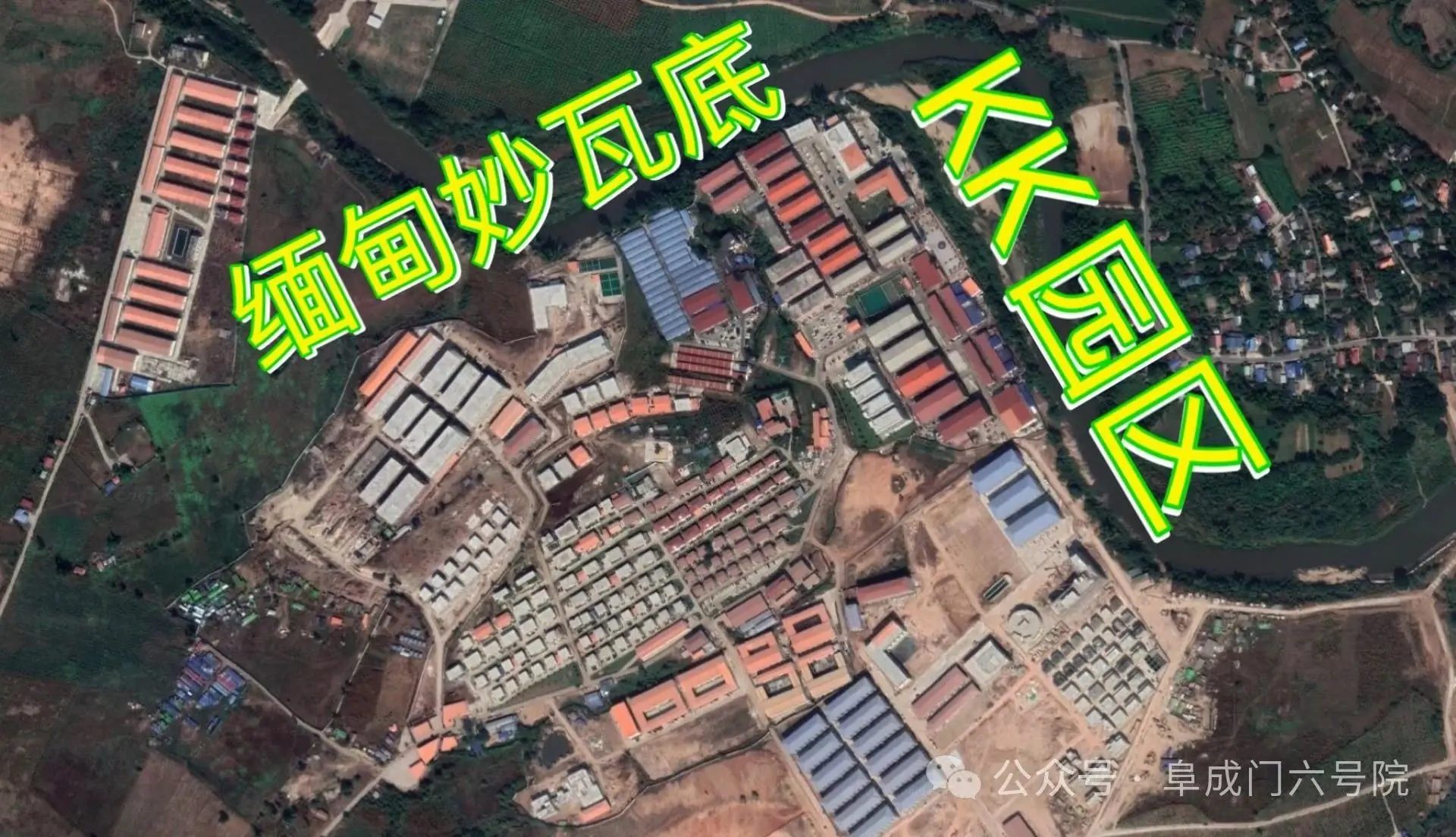
In addition to the fraud parks operated by local armed separatist forces in northern Myanmar, the rise of fraud parks such as Myawaddy in eastern Myanmar, Sihanoukville in Cambodia, and Pasay in the Philippines has all been riding on the bandwagon of China's overseas investment expansion. Their founders are all native Chinese from the mainland, who are familiar with domestic political and economic routines, taking advantage of some loopholes in our policies, and fully utilizing the huge resources of the country to achieve their illegal personal commercial goals.
We take the largest fraud park, Myawaddy Asia-Pacific New City, as an example. The founder of this project, She Lunkai (also known as She Zhijiang), was born in Shaoyang, Hunan. He once worked in Guangdong and Guangxi when he was young, and later fled to the Philippines and Cambodia to engage in telecommunications fraud. In 2014, the Yantai Intermediate People's Court in Shandong Province determined that the amount of fraud involved was $298 million. In 2017, She Lunkai initiated the Asia-Pacific New City investment project and packaged it as a project that benefits the country and the people in response to the national "Belt and Road" initiative, and successively obtained actual support from many Chinese-funded companies (even state-owned enterprises). The official website of Asia-Pacific International Group claims that the Myanmar project has accumulated more than $20 billion in investment, so where did this money come from? Ultimately, isn't it from the domestic fools?

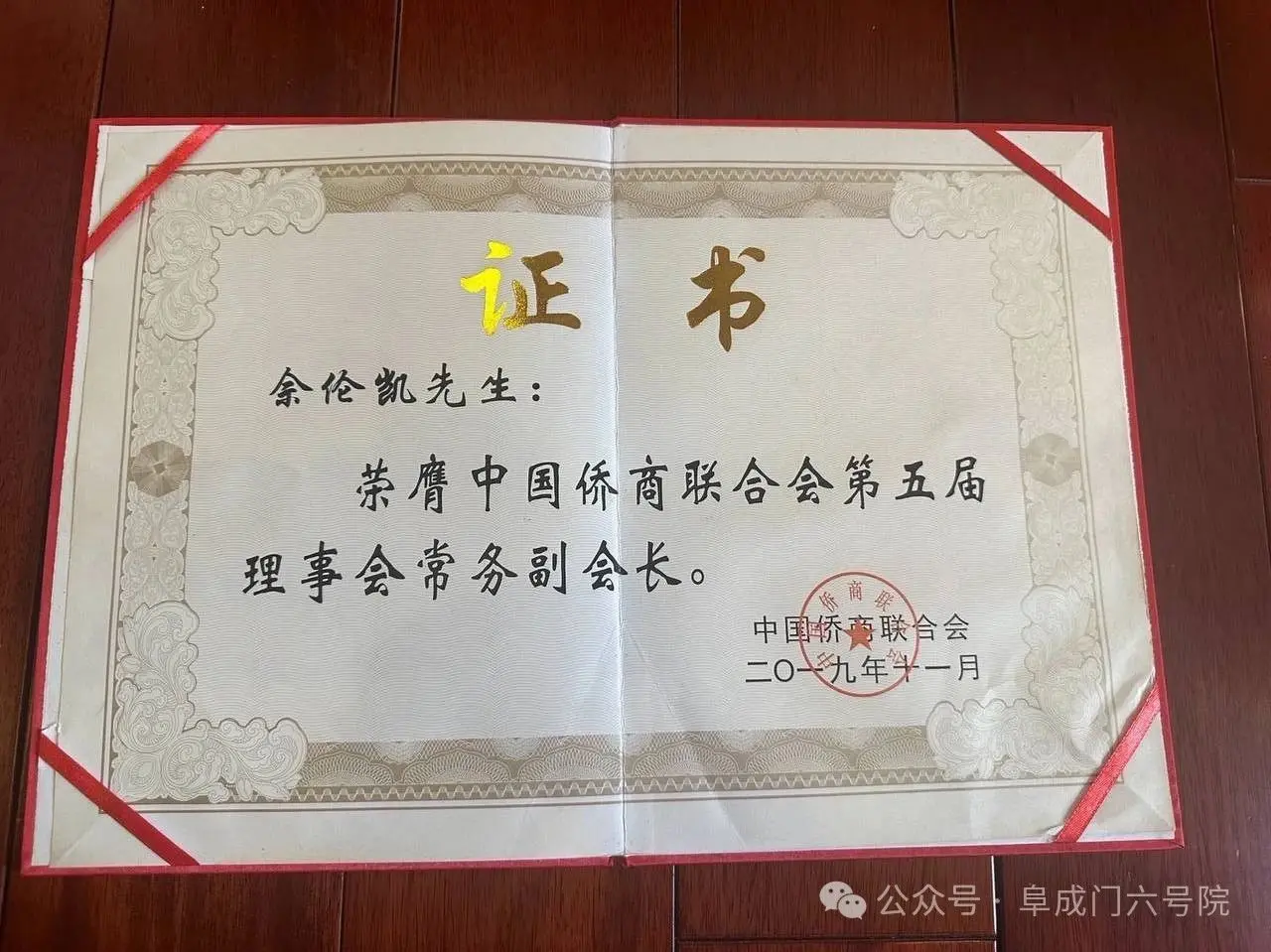
(Investment of domestic enterprises in Myawaddy Asia-Pacific New City, and the domestic honors obtained by She Lunkai)
Asia-Pacific New City even received endorsement from a central-level economic think tank, and She Lunkai himself was also elected as the fifth vice president of the China Overseas Chinese Entrepreneurs Association. Although he was already on the red notice list of Interpol in 2022 and was arrested by the Thai police, the laudatory reports about his Asia-Pacific New City project still exist on many central news websites.
The author has witnessed too many political and commercial swindlers selling similar overseas projects in Beijing in recent years. They are mostly located in Cambodia, Solomon Islands, Myanmar, Papua New Guinea, and Uganda. Each of them invests tens of billions, and they are touted as having great commercial and political value. Many retired senior officials or leaders of state-owned enterprises believe it to be true and stand for it. Have these projects really been implemented? Who can guarantee that it is not the next Myawaddy that harms the Chinese people?
Therefore, we must establish an overseas investment review and accountability mechanism, and improve our vigilance and prevention awareness in advance, so as not to do things that are ultimately detrimental to the interests of the people with good intentions.
Fifth, the lack of overseas protection for citizens.
The fact that Chinese citizens have been subjected to large-scale terrorist acts for so many years without any relief also reflects the lack of consular protection for Chinese citizens. Although our diplomatic departments have been working very hard, this effort is still not enough. The degree of protection we provide for the rights and interests of citizens overseas must be as important as the territory and national dignity. The people are the foundation of the country. Nationality and passports are a contract between the country and its citizens. Citizens have the obligation to love the country and pay taxes, and the country also has the obligation to protect the safety of citizens around the world. We need to use all our strength to protect the safety of citizens, just as we deal with Japan's provocations in the Diaoyu Islands and India's provocations in southern Tibet, and never tolerate this happening again.
The author has experienced a thought-provoking phenomenon during his travels in some neighboring countries in the north in recent years: our historical writings, whether official or private, have always emphasized how heartbreaking it is to lose territory, but at the same time as these territories were lost, a large number of Han compatriots were expelled and slaughtered, with an estimated cumulative death toll of about 200,000, which is comparable to a Nanjing Massacre, but these things seem never to have happened in our Chinese historical records, but rather some reflection in the history of Russia and Mongolia, which reflects our nation's subconscious construction of the "nation" imagination, with territory being more important than the people, which is contrary to the modern citizen contract state.
Sixth, the need to update the diplomatic strategy for failed states.
Further research reveals that the places where large-scale harm to the lives and property of Chinese citizens has occurred in recent years have not occurred in countries that are unfriendly to China (Japan, the European Union, or the US, Canada, Australia, and New Zealand), but in those failed states, especially the failed states in Southeast Asia that are close to us.
These countries have not only been unable to build an order that can maintain basic social stability and development needs for a long time, but have also become a place that encompasses drug trafficking, fraud, and terrorism, and the wealth accumulated after China's reform and opening up has become the target of these evil forces. This is a replica of the relationship between the Caribbean region and Europe in modern times. The governance failure effect of these countries has clearly spilled over, and China has become the most direct and largest victim.
Therefore, it is time for us to reflect on whether we should continue to pursue a policy of non-interference in the Third World countries. This policy was a wise choice when we were weak and had few overseas interests, but when their governance failure has already affected the safety of Chinese people, should we still continue to stand idly by? It's like a neighbor raising hawks in his own yard, which is not unreasonable, but they occasionally fly to our house to steal chickens. Should we do something?
Of course, this intervention is not aggression, occupying territory, or seizing commercial interests. Instead, China, as a global power, has a "public responsibility" to supervise and guide the reconstruction of order in failed states. For their inaction, or even aiding and abetting in protecting the rights and interests of Chinese citizens, should China take action alone to rescue Chinese citizens? There are many precedents for this internationally.
In summary, the large-scale kidnapping and fraud against Chinese citizens is a "synthesis fallacy" caused by the above-mentioned loopholes, dilemmas, or negligence. As long as prevention is done in a certain link, tens of thousands of people will be spared from being harmed. In order to solve this problem, we must work hard on diplomacy and also work hard on internal governance (the overseas experience of Chinese citizens is, to some extent, a projection of the above-mentioned supervision problems overseas), and break the dilemma of Chinese citizens as "perfect victims".