

Xi Yuanping, as the younger brother of Chinese leader Xi Jinping, although he does not appear in the spotlight like his elder brother, his career is equally noteworthy. Although he did not choose to make a big splash on China's political stage, his experience in government and enterprises is also worth exploring.
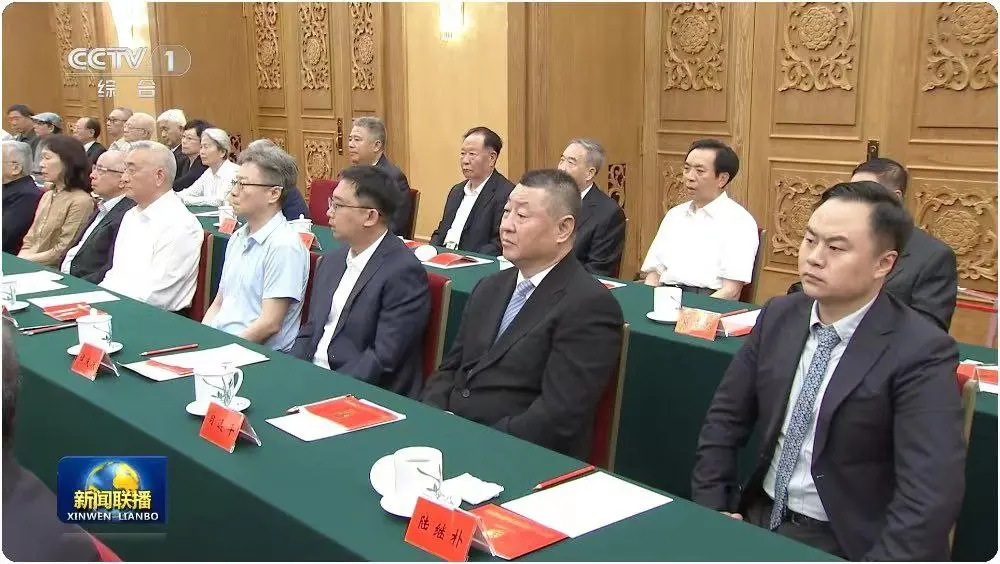
At the recent symposium held on August 24 to commemorate the 120th anniversary of the birth of Comrade Deng Xiaoping, a photo of Xi Yuanping made him a hot topic among netizens, and relevant articles and photos from non-official media were blocked domestically.
Family Background and Early Life
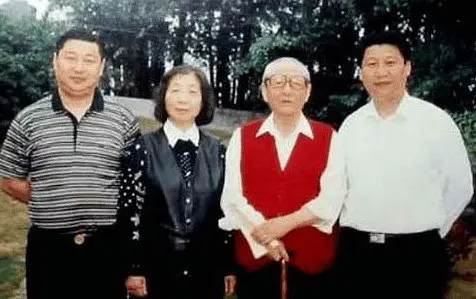
Born in 1956, Xi Yuanping came from a political family. His father, Xi Zhongxun, was one of the early revolutionaries of the Communist Party of China. His family's deep background allowed him to be exposed to China's politics and social changes from a young age. In the late 1960s and early 1970s, the impact of the Cultural Revolution caused his family to be persecuted, Xi Zhongxun was overthrown, and the whole family fell into difficulties. Against this background, Xi Yuanping's growth experience was complex and sensitive, and these experiences shaped his career choices and life choices to a certain extent.
Entering Local Government: From Shenzhen to Economic Reform
Xi Yuanping's political career began in the early 1970s, when he entered the local government. In 1973, he joined the Communist Party of China and began to serve in low-level party and government positions in the local government departments of Gansu Province. In the early 1980s, he was transferred to the Shenzhen Municipal Government, which was a period of rapid development as a special economic zone. In Shenzhen, Xi Yuanping mainly worked in the economic and trade departments of the municipal government. He served as the deputy director of the Shenzhen Municipal Foreign Economic and Trade Commission. This position allowed him to play an important role in Shenzhen's economic reform and opening up. Xi Yuanping was responsible for promoting Shenzhen's connection with the international market. The work during this period laid the foundation for his future career. He was known for his pragmatic and low-key work style. During the rapid development of Shenzhen, some policy implementation and international cooperation projects he was responsible for achieved certain results.
Entering State-owned Enterprises: The Transition from Politics to Business
With the deepening of reform and opening up, Xi Yuanping shifted from politics to the management positions of state-owned enterprises. In the early 1990s, he was transferred to China National Petroleum Corporation (CNPC) and served as the deputy general manager of the company's international business department. At this time, CNPC was at a critical stage of international expansion. Xi Yuanping's task was to help the company expand its business in the international market and strengthen cooperation with foreign energy companies.
As the deputy general manager of CNPC's international business department, Xi Yuanping was responsible for promoting the company's energy cooperation projects in the Middle East, Africa and other regions. His work helped CNPC establish stable cooperative relationships in these regions and contributed to the improvement of the company's position in the international market. It was reported that Xi Yuanping also served as a director of CNPC International Hong Kong Limited, a Hong Kong company under CNPC, which gave him the opportunity to participate more directly in the operation and management of the Hong Kong market.
Xi Yuanping
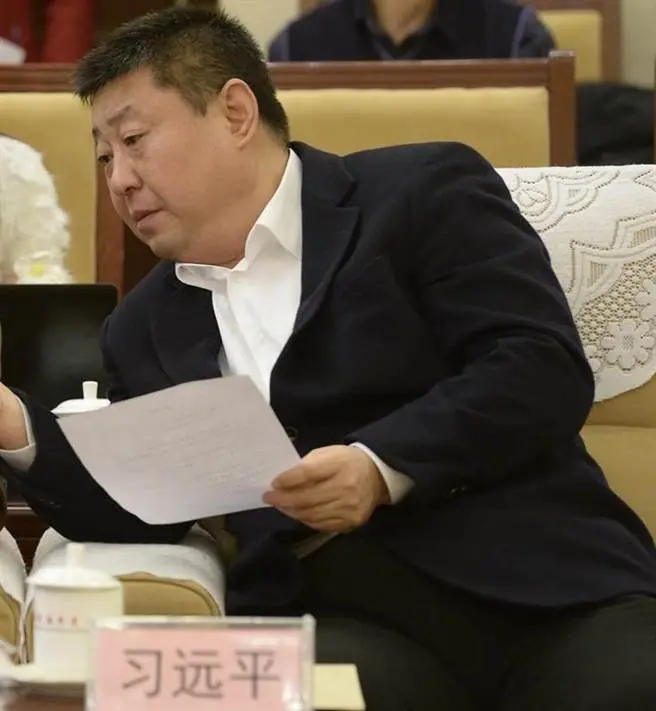
Although Xi Yuanping achieved some results in state-owned enterprises, his career was not smooth sailing. Although there was no conclusive evidence about the rumors that he may have a green card overseas, it caused a lot of discussion at home and abroad. This rumor triggered various speculations about his personal motives, especially against the background of China's strict control over the exit and overseas assets of senior officials and their families.
In the early 2000s, Xi Yuanping gradually withdrew from public government and enterprise positions and turned to a more low-key life. His name has rarely appeared in the public eye since then, but he is said to have continued to engage in charity and social welfare, especially in education and poverty alleviation.
Xi Yuanping's future remains a mystery. His role in the family is both complex and subtle. As Xi Jinping's younger brother, he seems to intend to remain low-key and cautious, staying away from the public eye. Xi Yuanping's story is a typical portrayal of the life of a "second-generation red".
习远平的未来仍然是一个谜。他在家族中的角色既复杂又微妙,作为习近平的弟弟,他似乎有意保持低调和谨慎,远离公众的视线,习远平的故事,就是一个典型的“红二代”生活写照。