

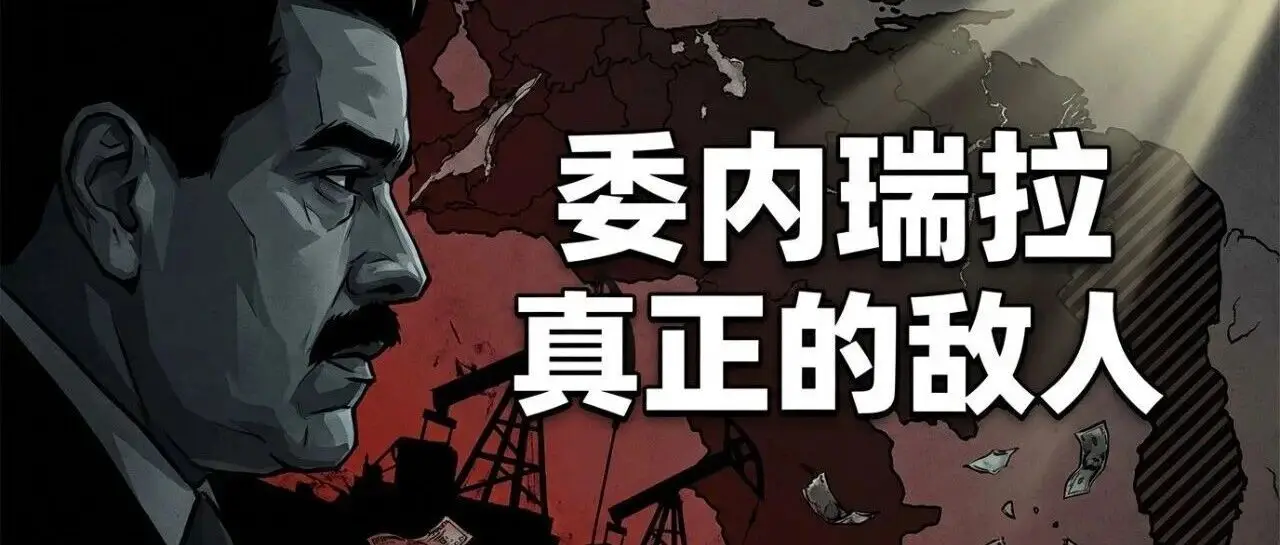
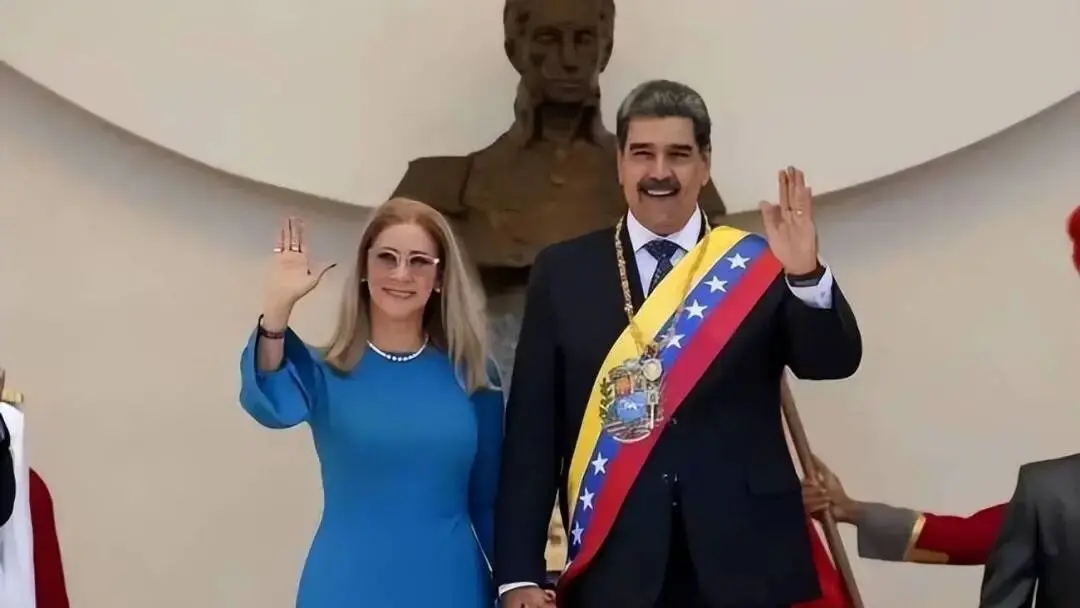
According to multiple authoritative media reports, the United States has implemented a capture operation that is more insidious than decapitation. Why were Maduro and his wife of Venezuela so easily taken away by the US military? Trump explained that it was because of the US military's professionalism, excellence, and efficiency, but the real reason was that the people of Venezuela acted as guides.
As for why the United States would take action, one can refer to the "National Security Strategy of the United States" published last month. The United States will severely crack down on illegal immigration and addictive substances in Latin America, which almost revives the Monroe Doctrine of the 19th century.
As for why the Venezuelan people are willing to act as guides, the reason is also easy to understand. Since Chavez, Venezuela's economy has plummeted, and the people's lives have been difficult, so that the repeatedly tried populism, in the Maduro era, could not be sustained.
In the 1990s, Venezuela achieved economic prosperity with oil exports, with a per capita GDP ranking among the top in the world, and was one of the richest countries in Latin America, with people enjoying free education, medical care, and other generous benefits. However, since Chavez came to power, he implemented forced nationalization, nationalized oil, closed media, advocated populism, weakened Congress, alienated the judiciary, and embedded the military deeply into the administration, thus establishing a highly centralized power system, and by exaggerating external risks, he portrayed himself as an anti-American fighter, and finally achieved a lifelong system by amending the fundamental law.
But all the gifts bestowed by fate have already been marked with a price. Chavez's forced nationalization led to the forced clearing of foreign capital, and Venezuela's manufacturing industry, including oil refining technology, plummeted. More fatally, the nationalization of oil became a hotbed for rent-seeking. As the "lifeline" of the national economy, the Venezuelan oil company was reduced to a tool for distributing spoils. The Chavez group appointed people based on personal relationships, and even technical positions were occupied by confidants.
In the second year of Maduro's term, Venezuela stopped publishing economic data, but according to the World Bank, Venezuela's per capita GDP in 2024 is less than $1,500, a 90% drop from its peak. Moreover, the inflation rate is extremely high. In 2019, the inflation rate was as high as 9585%, 2959% in 2020, and is expected to be as high as 270% in 2025. In other words, if you had 1 million in 2015, it would be worth less than 1 yuan in 2025. According to the World Monetary Fund, in 2024, 86% of Venezuelans live below the poverty line, meaning their monthly income is less than $210. With the collapse of the oil industry, Venezuela's welfare has long been in name only, for example, the medical coverage rate has dropped from 45.8% to 3.4%.
As the author of "Latin America Left Behind," Edwards said: The decline of Venezuela is not accidental. Excessive intervention, currency manipulation, and complete corruption have jointly woven Venezuela's development cage. Edwards vividly describes Venezuela as a rent-seeking country, meaning that the government can live the life of a landlord collecting rent by nationalizing oil, naturally without having to be responsible to the people, and the risk of power alienation will naturally rise sharply.
Nobel laureate Stiglitz also pointed out: Resource abundance is not necessarily a blessing. If there is a lack of sound institutional constraints, abundant resources will only become a catalyst for corruption. This sentence accurately summarizes the tragedy of Venezuela. As the country with the largest oil reserves in the world, Venezuela's fiscal revenue relies on oil exports for more than 90%, but this huge wealth has not benefited the whole people, but has been intercepted layer by layer by the corruption network, becoming a cash machine for a few classes.
For example, in 2017, the Venezuelan state oil company, in the oil projects in the eastern Orinoco River basin alone, caused a loss of $35 billion in state-owned assets through false reporting of prices, fabricated contracts, and so on. Cabello, the core figure of the Maduro group and the president of the National Assembly, was exposed to be involved in multiple major corruption cases, receiving bribes of more than $50 million.
Some insightful Venezuelans pointed out that the Venezuelan people have the ability to solve their own country's problems, and Trump's arrest of Maduro is an interference in the sovereignty of other countries, and the US-West and the guides are the enemies of Venezuela.
Shouldn't such a regime that rides on the people's heads and acts as a tyrant have external interference? For such a rogue country, can we only allow it to wantonly trample and exploit the people?
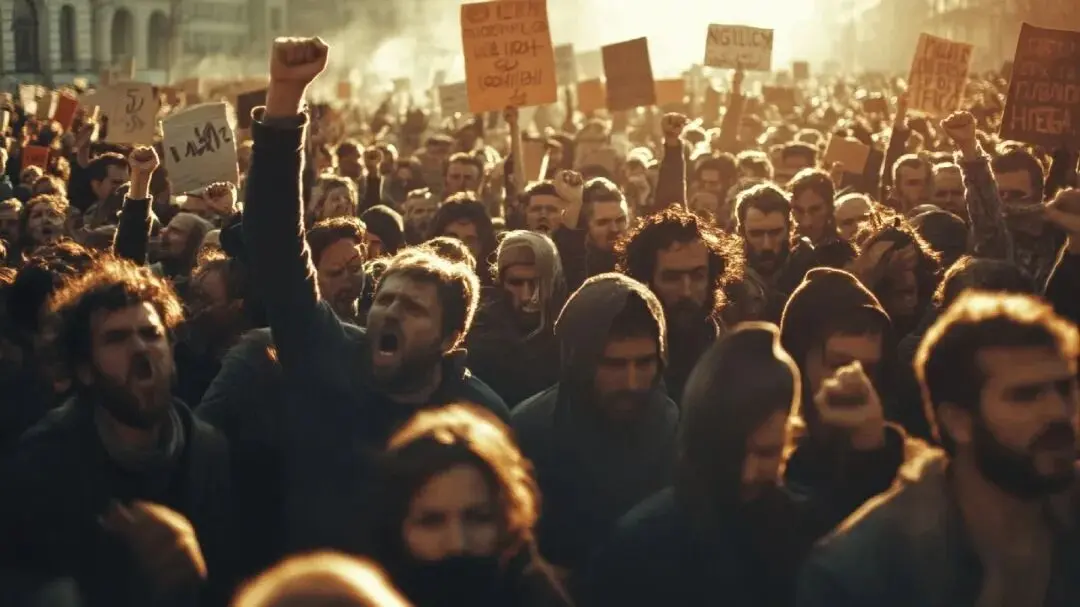
Augustine pointed out sharply in "The City of God": Once a country loses justice, it falls into a huge gang. Clemenceau, the Tiger of France, also said: Without justice, the motherland is a prison. But another value, such as the propaganda minister of Germany during World War II, believed that: Without a country, you are nothing. Obviously, those Venezuelan spirits uphold the latter value.
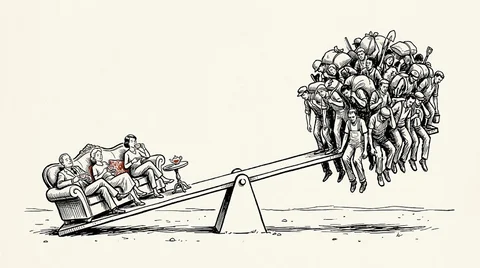
Reducing a country to a company, if the management of the company wantonly tramples on and exploits the workers, do you still think that this is the internal affairs of the company, and the management rights of the company should not be interfered with from the outside? Unless you are not a worker at all, but a member of the management, you will of course not empathize with the workers.
Hugo wrote in his last novel, "Ninety-Three": The motherland is the place where you will shed tears when you have to leave. These tears are shed for the beautiful mountains and rivers, for the people of the hometown, for the cultural memory, and absolutely not for those in power. Those in power are not equal to the country, and the enemies of those in power are not equal to the enemies of the country.
So, who is the enemy of Venezuela?
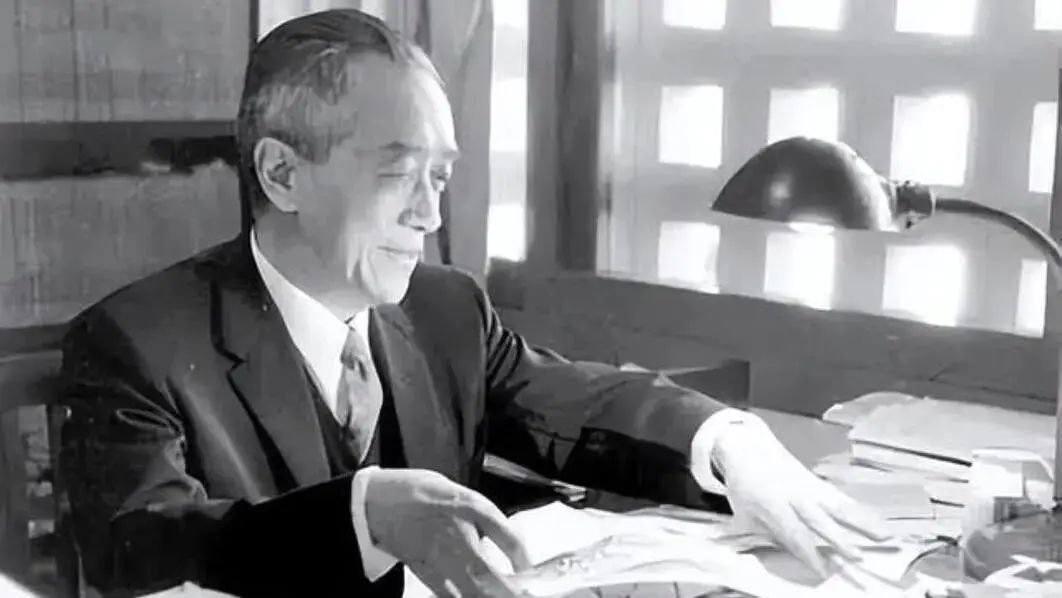
In 1930, Hu Shi's collection of political essays, "Which Road Do We Take?" was published, and it instantly stirred up the turbulent intellectual world. In July 1930, Liang Shuming wrote to Hu Shi, questioning: The first major enemy recognized by everyone is imperialism, followed by feudal warlords. But you don't think so, but rather poverty, disease, ignorance, corruption, and disturbance. What is the reason for this?
Hu Shi's reply revealed a sense of anger and disappointment: If everything is attributed to imperialism, then who should Zhang Xianzhong and Hong Xiuquan be blamed? Today, the poppy is everywhere, is it all forced by imperialism to plant? Why did Japan rise because of the opening of the gate by imperialism?
This is the famous Liang-Hu question.
When the people of Venezuela are struggling to make ends meet, the Maduro group monopolizes almost all the money-making industries such as oil, telecommunications, and finance. Being rich with the common people, even if they are poor together, power is also stable, but if they are poor together, what is the use of power? Therefore, class differentiation is inevitable, and the privileged class is endogenous.
So, who is the real enemy of Venezuela?
The answer is already clear. The West and the United States are just historical passers-by, and autocracy, ignorance, and servility are the enemies lurking in Venezuela.
Only when the Venezuelan people decide not to continue to be slaves can they gain true freedom. At that time, those who act as tyrants will be like a giant statue with its base removed, collapsing and shattering.