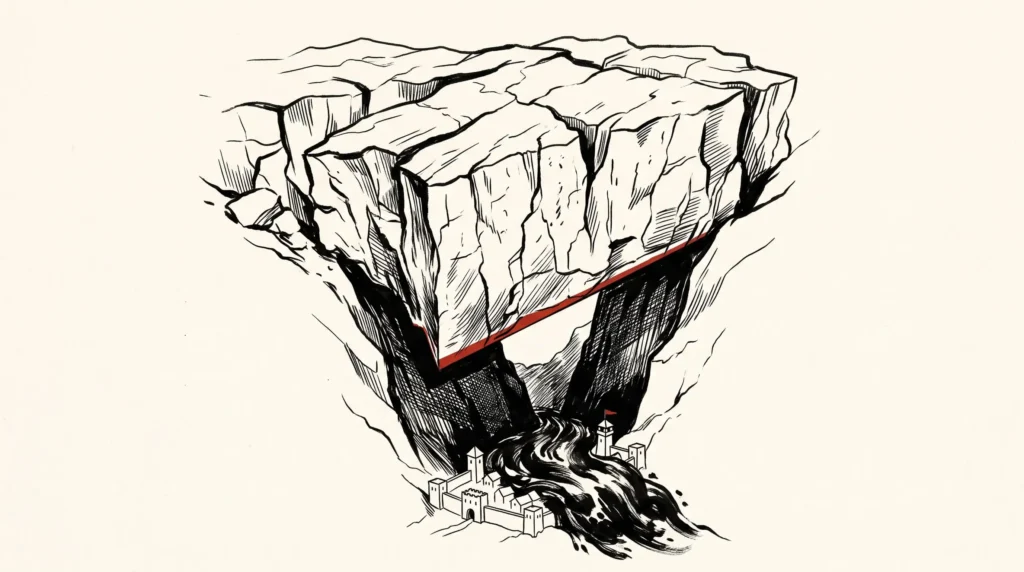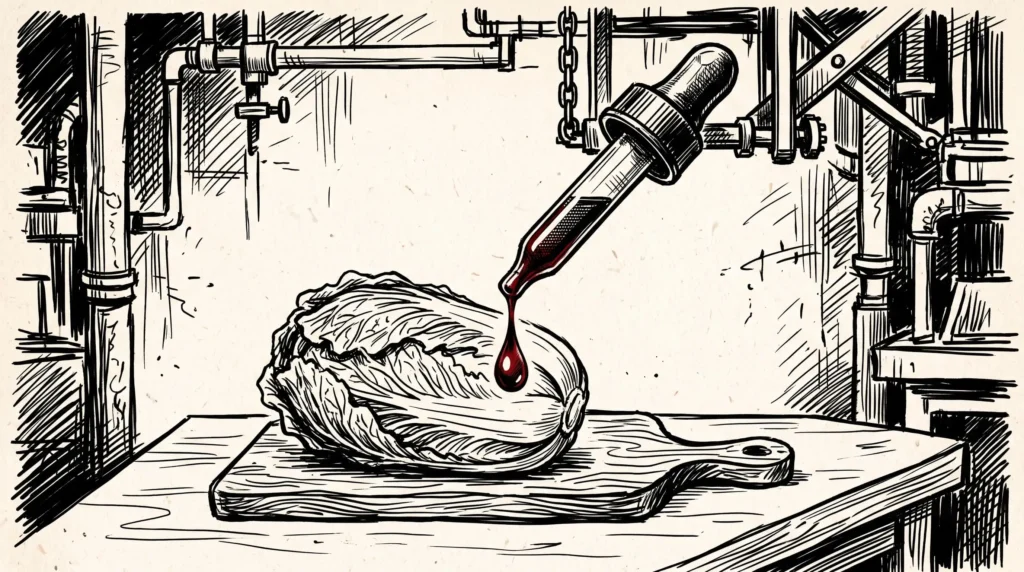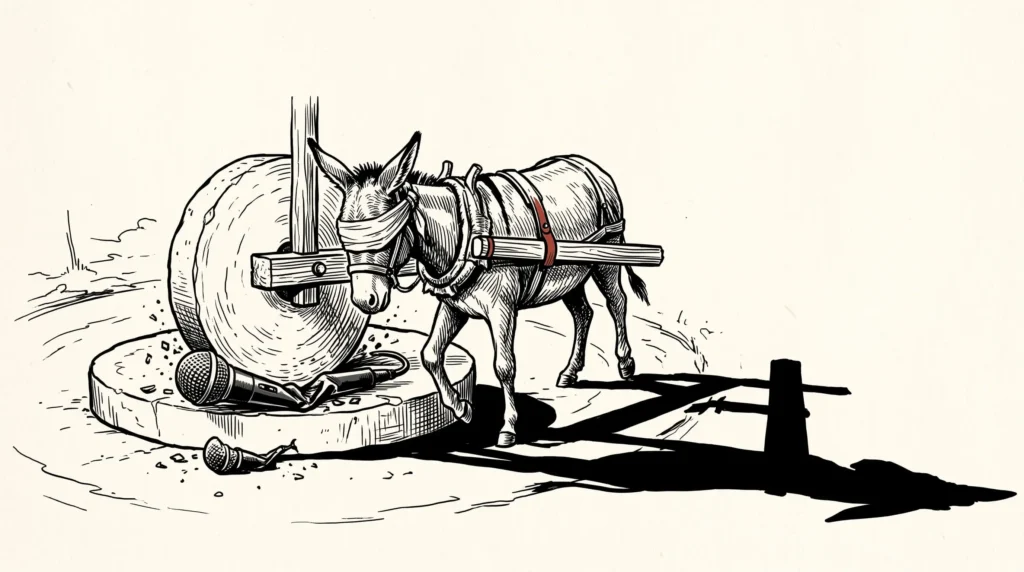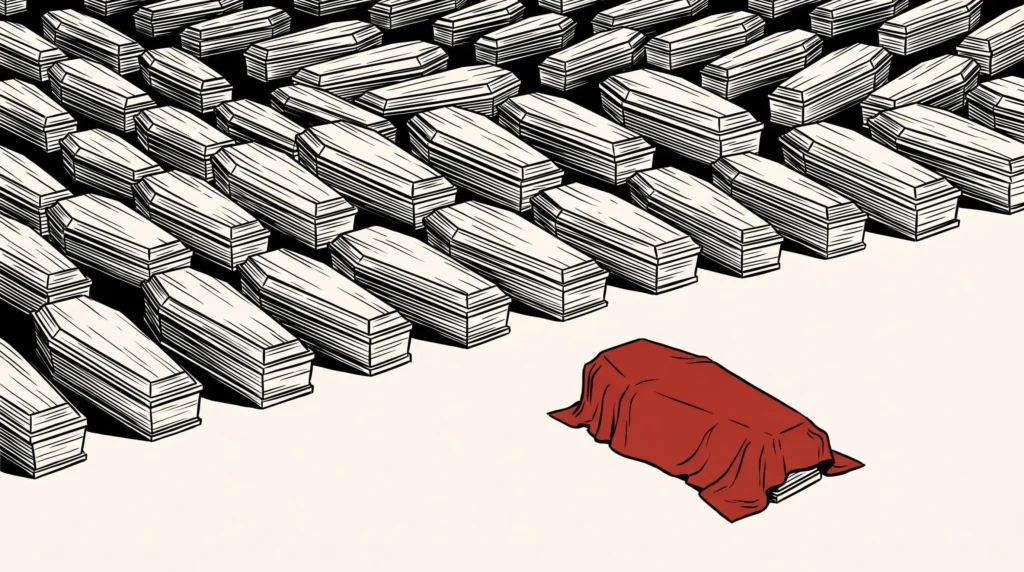
Historically, he was indeed capable of governing the world, but not in the way you imagine.
In the history of Chinese civilization, the Southern and Northern Song Dynasties can be said to be a constellation of stars, but in terms of influence among the common people, Yue Fei is the first in the Southern Song Dynasty, and Bao Zheng is the first in the Northern Song Dynasty.
The former can still make a director of a thousand years later shoot a “Full River Red” to earn enough box office, while the latter can still make the people of a thousand years later go to cry and worship when they encounter injustice. These two cultural IPs are really unmatched throughout the ages.
But what’s interesting is that the gap between the folk image of Yue Fei and Bao Zheng and their historical image is exactly huge. I have analyzed the story of Yue Fei in the article “The Real Cause of Yue Fei’s Death: Plan B Not Allowed“.
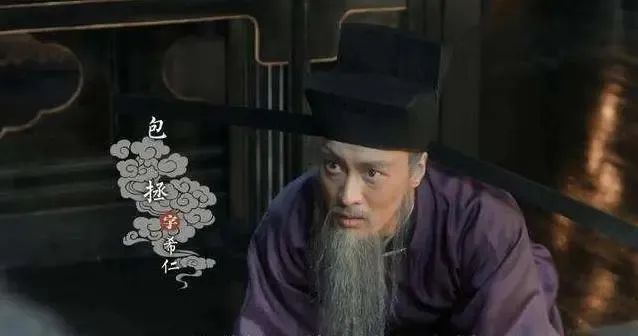
Today we are going to talk about Bao Zheng.
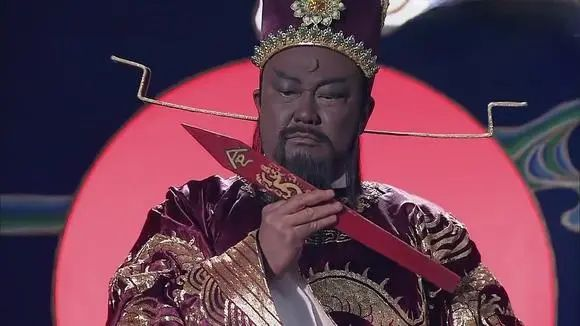
When it comes to Bao Qingtian, the first thing people think of should be those cases in the novels, such as the case of beheading the beautiful woman, the case of the black pot, the case of the cat replacing the prince, etc. In these cases, Bao Qingtian’s image is not only iron-faced and selfless, not afraid of power, but more importantly, he is wise and discerning, able to distinguish right from wrong, just like the famous detectives in Western detective novels of later generations, who unravel the case and restore the truth, giving the parties a clear conscience.
But what’s interesting is that the image of distinguishing right from wrong, “Detective Bao Longtu”, is exactly the same as the black face in the drama, which is the farthest away from Bao Zheng in the historical materials.
In the “Biography of Bao Zheng” in the “History of Song”, there is indeed a case of Bao Zheng “distinguishing right from wrong”. It says that when he was a county magistrate in the local area, one day someone complained that the tongue of his cow was cut off.
This kind of case, similar to the case of your bicycle being deflated today, is of course very difficult to solve. But Bao Zheng said, you go back and kill the cow and sell the meat.
This order can be described as shocking, because according to the laws of the Song Dynasty, it was illegal for the common people to kill their own cattle and horses without reason.
So soon after, someone came to report that someone had killed his own cow.
Magistrate Bao slapped the gavel: Be honest! The one who cut the cow’s tongue in the first place, is it you, boy!
Bao Zheng’s logic is this: The people of the Northern Song Dynasty are not from Sendai. Cutting a cow’s tongue is harmful to others and not beneficial to oneself. Who would do such a thing? It must be someone in his neighborhood who has a private grudge against him, venting his anger with this kind of insidious and difficult-to-pursue matter. Since there is a private grudge, and he stole and cut off his cow’s tongue, he will definitely stare at how he disposes of the cow. Seeing that this family actually killed the cow, of course he wants to add insult to injury and report it.
So the person who reported that this family slaughtered the cow privately must be the person who cut the cow’s tongue in the first place, and this question is proved.
This seems to be very consistent with the image of “Qingtian” (Upright Official) that was added to Bao Zheng in later generations. But there are two problems:
The first is that although this set of reasoning is ingenious, it lacks evidence according to modern judicial standards. If the criminal defends like in “Detective Conan” with a sentence “Your reasoning is wonderful, but where is the most critical evidence?” Bao Zheng is estimated to be as clueless as Kogoro Mori.
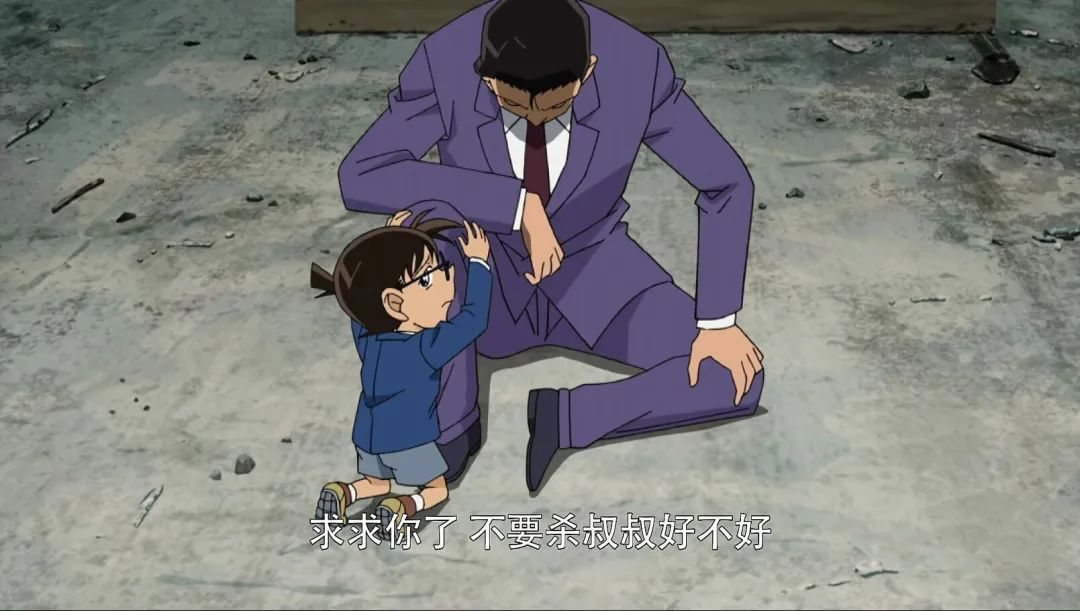
So this reasoning story is not as good as “Conan”…
Of course, this problem does not exist in ancient China. The so-called “Under the five trees, what can’t be offered?“, ancient Chinese justice did not pay attention to “evidence chain”. Once you enter the yamen, you will be beaten up, and see if you confess or not?
Like Bao Zheng, who can first roughly determine who the criminal is through reasoning, is already considered the conscience of the industry at that time.
There is another problem, that is, although it is in the official history, this story itself is very likely to be false.
According to the research of historians, the anecdote of “cutting the cow’s tongue” had too many similar scripts at that time. In the Northern Song Dynasty alone, it happened six times on different honest officials, including Zeng Gong, who is also a relatively famous minister. In other words, if we do not assume that the Northern Song Dynasty had a habitual offender “Zhang San who cut the cow’s tongue” like “Jack the Ripper”. We can basically conclude that this case happened once by accident, and then it was spread by word of mouth, and gradually used by the common people on all the honest officials they wanted to praise – the reason is the same as when you wrote about good people and good deeds when you were a child, and you really had nothing to write, you wrote about helping the old lady cross the road.
So the only time Bao Zheng, who was recorded in the official history, was a “detective”, also became a suspense case with questionable authenticity.
So why is Bao Zheng famous? Is it really because he is honest and iron-faced and selfless?
If it is only because of this, he has to be so praised in later generations, doesn’t it mean that there are too few honest officials who enforce the law impartially in ancient China, and having one has become a very rare thing like an endangered animal?
If you read the official history, you will find that Bao Zheng’s official career is actually relatively “Buddha-like”.
He passed the imperial examination at the age of 28. According to “thirty old Mingjing, fifty young Jinshi”, he is indeed a young talent, but when the court appointed him to “know Jianchang Prefecture”, he “refused to accept” – the work location was too far away, his parents were alive, and he was unwilling to go.
So the court patiently changed the appointment of this “Young Bao Qingtian” to Hezhou, which was less than 300 miles away from his hometown – it is said that this has already broken the convention that officials must be officials in different places under the Qin system.
As a result, Bao Zheng still refused. The court was completely crazy this time, you don’t want to be an official at all! I have seen people who resigned, but I have never seen anyone who resigned as soon as they passed the imperial examination? If you don’t want to be an official, why did you take the imperial examination?
Bao Zheng’s reason on the surface was to support his parents, but I don’t think this is the real reason. The real reason is actually related to the truth of Bao Zheng’s official style in his life.
Bao Zheng’s father was named Bao Lingyi, who also passed the imperial examination at a young age and was once the highest official, the Nanjing Governor (approximately equivalent to the mayor of a municipality directly under the Central Government). So Bao Zheng, in today’s words, is actually a proper “official second generation”. He and his family never lacked money or status (so the story in Peking Opera that his sister-in-law brought him up with hardship is purely a performance).
Such a person participates in the imperial examination and gets the pass to the officialdom, mainly not to seek officialdom, but to prove himself – I have the ability, I can also be surnamed Zhao! At the same time, being a Jinshi is also equivalent to giving him a talisman, which constitutes a “potential deterrent” to local officials, preventing them from bullying him at will.
Interpreted from this perspective, you can more easily understand many of Bao Zheng’s behaviors after becoming an official – unlike Hai Rui of the Ming Dynasty, who demanded himself to be honest like a hermit, Bao Zheng’s honesty and integrity, more reflects the kind of wealth and self-sufficiency of the famous officials of the Song Dynasty.
For example, when he was in charge of Duanzhou, he changed the bad habits of his predecessors who arbitrarily extorted and demanded “Duan inkstones” from the people. Apart from the ten inkstones that were presented to the emperor every year, he did not take any inkstones. Why? In addition to Bao Zheng’s high moral character, there are three important auxiliary reasons: first, his family is well-off and has seen these good things; second, he has a strong background and does not have so many needs for welcoming and sending; third, Bao Zheng is a “Buddha-like” official. In the name of supporting his parents, he can “take leave” from the age of 28 to almost forty before taking office. You can imagine how little ambition he has to be a high official.
So unlike Ouyang Xiu, Fan Zhongyan and other “Qingli famous officials” of the same era who wanted to “do great things” and also experienced ups and downs in their official careers, the “Buddha-like” Bao Zheng’s official career in his life was actually very uneventful, just going up like that. And along with it, his political views are also very peaceful.
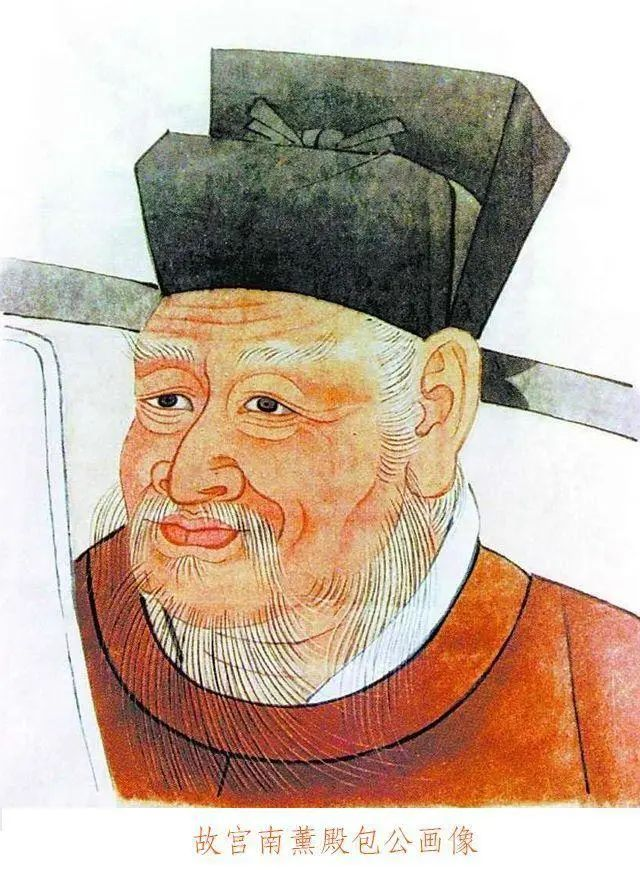
The era of Emperor Renzong of the Song Dynasty experienced by Bao Zheng was a rare “not tossing” era in Chinese history, but the Qingli New Deal still occurred during this period.
The so-called “Qingli New Deal” is actually the prelude to the later more famous “Wang Anshi’s Reform”. Ouyang Xiu, Fan Zhongyan and others realized the various problems of the Song Dynasty and were determined to carry out reforms, and their reform method was to conduct official evaluations. The reform ideas of the Qingli famous officials were very idealistic: they only needed the court to select twenty or so inspectors to inspect and assess local officials, and it would “be enough to clear up the world” in just half a year.
And when this reform movement was about to start, who was the “reactionary” standing on the opposite side of the Qingli New Deal? It was Bao Zheng.
In the fourth year of Qingli, Bao Zheng submitted a memorial “Please do not use harsh people to fill the supervisors”. Just looking at the name of this memorial, you can roughly guess that he was “outputting on the face” to Ouyang Xiu and others, and in the specific wording of the memorial, Bao Zheng, with his own and his family’s experience as officials, pointed out many problems with this seemingly beautiful new policy:
First, the court is now conducting official assessments, but the supervisory officials are also human beings. Those officials with real backgrounds in the local area, the supervisory officials dare not manage, so the final result of the assessment is nothing more than to catch some officials without any background to make up the numbers, which further leads to the power of the officialdom.
The so-called “those who are isolated and weak are pressed with deep words, and those who have power and wealth are released and ignored”.
Second, officials who are truly of high moral character, work seriously, and are upright and unyielding are easily offended in the officialdom, because if you are honest and benefit the people, you will inevitably offend the interests of your colleagues, so the so-called sending inspectors to “examine the customs”, after a wave of “public opinion tests”, the evaluation is often the worst of them.
The more strict the assessment, the more reverse elimination.
The so-called “then make the officials who keep their integrity or bear the stain of their lives”.
Third, what is the effect of strengthening the assessment? It is that officials will do anything to brush their performance in order to establish KPIs for the court, and the people are helpless in front of these harsh officials and cruel officials, and the burden will only be heavier.
The so-called “Nowadays, the people’s strength is declining, and the national use is in a difficult situation. If we only use officials who are harsh and eager to advance, the people will not be able to live, and I am afraid that it will not be the blessing of the country.“
Because Wang Anshi’s Reform has been affirmed by modern historians, the image of the Qingli New Deal as its “prequel” is also relatively positive. So in this way, these words of Bao Zheng’s opposition to the Qingli New Deal are simply standard “reactionary remarks”.
But if we look at it with the hindsight of history, Bao Zheng’s worries did accurately predict the drawbacks brought about by the Qingli New Deal, and these drawbacks, in the Wang Anshi’s Reform, which indirectly led to the party disputes and even the demise of the Northern Song Dynasty, showed a more violent outbreak.
Then you ask what Bao Zheng’s official principles and political ideals were in history?
I think four words can sum it up – rest with the people.
For example, Bao Zheng once wrote in a memorial that the Zhanghe River Basin is now designated by the court as an official horse farm, but this place has fertile soil and it is a pity to use it to raise horses. If it can be unblocked and the common people are allowed to reclaim land and plant crops there, the extra food produced can “save countless people”.
For another example, he also suggested that the court now has a heavy army in Hebei, and the annual military pay and grain consumption and transportation costs are an amazing expense. The generals are shouting every day to recover the Youyun Sixteen Prefectures, but they haven’t seen any action? The court’s annual tribute to the Liao people has not been reduced either… If the court decides not to fight, then it is better to reduce the amount of elite soldiers, and it is enough to stop the Liao people’s sneak attack. Use the saved grain and pay to support the people, and organize some militiamen and township braves in Henan. In case the Liao people really want to invade. We can quickly gather and let them fall into the vast ocean of people’s war…
Yes, if you restore the image of Bao Zheng in real history, you will find that he is a person who is not very liked by the “big chess party” on the Internet today – he not only does not have the brain of a detective, the character of decisive killing, but also a bit Buddha-like, even a bit long-winded. He opposes the Qingli New Deal (if he lived to the time of Emperor Shenzong, he would definitely oppose Wang Anshi’s Reform even more), opposes the court using “preparing for war” and “recovering Yanyun” as slogans to use fertile land to raise horses and hoard heavy troops in Hebei…
He even implicitly opposes the recovery of the Youyun Sixteen Prefectures, this absolutely politically correct banner in the Northern Song Dynasty.
What’s even more fatal is that the era of Emperor Renzong of the Song Dynasty was clearly a rare period of peace and prosperity in Chinese history in the eyes of later historians. But in Bao Qingtian’s memorial to the emperor, it became a dangerous time of “nowadays, the people’s strength is declining, and the national use is in a difficult situation. If we only use officials who are harsh and eager to advance, the people will not be able to live”.
Bao Zheng is simply outputting on the face of Emperor Renzong, saying that the people have just had a few years of good life, and they have just eaten a full meal, and they can’t stand the tossing, and if they toss, the people will not be able to live again, so you must be careful.
In the final analysis, where is the most unbearable place for officials like Bao Zheng in the ancient imperial dynasty?
It is not at all in the imagination of folk legends, such as beheading Chen Shimei, the emperor’s son-in-law, or finding trouble with the empress dowager or the imperial uncle many times, what is that? Which emperor really wants to cosplay Li Shimin and can’t tolerate a Wei Zheng?
The most unbearable place for the emperor in the real history of Bao Zheng is that his position is really on the side of the common people – he is constantly warning the emperor, you should toss less, raise fewer horses, hoard fewer soldiers, and let the hard-working common people breathe more.
And at the same time and after that, other famous ministers, from Ouyang Xiu, Fan Zhongyan to Wang Anshi, Lu Huiqing, no matter how their reform methods change, their positions are actually on the side of the emperor, and the ultimate goal is to build a more efficient extraction system, to extract more material and financial resources from the people to support the emperor’s “great achievements”.
These people are essentially the heirs of Shang Yang, who “specially planned for the monarch”, and their awakening is at best the seemingly self-sacrificing and tragic famous line in “Da Ming Dynasty 1566” –
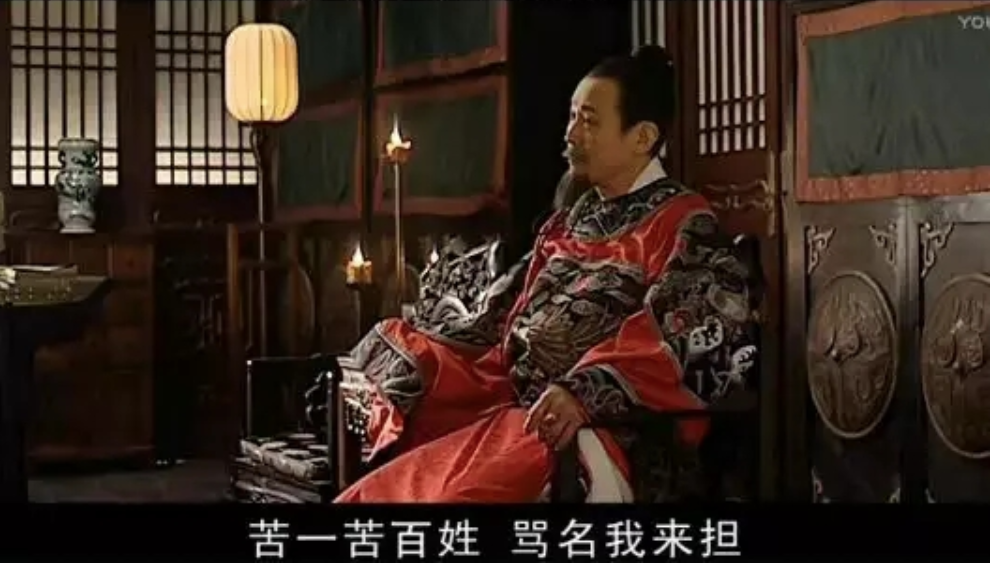
“Make the people suffer again, and I will bear the infamy!”
And Bao Zheng, who really stands on the side of the common people, is unbearable for the emperor, unbearable for his colleagues, and even unbearable for many common people who eat Guanyin soil and worry about the affairs of the government.
So I often think, perhaps only Emperor Renzong, the good emperor who is hard to find with a lantern in Chinese ancient history, the benevolent monarch who wants to eat mutton in the middle of the night and has to endure it because he is afraid of tossing the people, can tolerate a minister like Bao Zheng, let him know the affairs of Kaifeng Prefecture, let him become a scholar of the Longtu Pavilion, and also let him leave a legend of “Kaifeng has a Bao Qingtian”.
So the final comment in the “History of Song” is accurate: “When Zheng was in Kaifeng, his administration was strict and clear, and people still praise him to this day. But he does not advocate harshness, and he pushes the foundation of loyalty and honesty. Isn’t he the one who is strong as Confucius said?“
This person Tuotuo, who wrote the History of Song, is indeed intelligent, but in the Yuan Dynasty, his talent and time were really insufficient, so the History of Song was not well written. He could say some things accurately, but he could not fully explain them.
In Chinese ancient history, although there are not many officials who are honest, enforce the law strictly, and are iron-faced and selfless, they are by no means so few, but these people often have another label “cruel officials” – while they are honest and iron-faced in judging cases, they are also ruthless to the common people. They will also strictly implement the instructions issued by the court to exploit the people and exhaust the people’s resources. The “honesty” and “strictness” of these people are essentially one with their harshness and cruelty, and they all exist in order to become the emperor’s tools to implement his instructions.
So there are actually two kinds of officials in Chinese ancient history. One is mediocre officials, who are lenient but selfish from their own standpoint. The other is cruel officials, who are honest but harsh from the emperor’s standpoint. Most officials swing back and forth on the spectrum of these two extremes.
And the reason why Bao Zheng is special is that on the one hand, “his administration is strict and clear”, he does not engage in favoritism and malpractice, and on the other hand, he “does not advocate harshness, and pushes the foundation of loyalty and honesty”. The reason for this is that he is not for enriching himself or for loyalty to the emperor when he is an official. He is a person who really wants to “rest with the people”.
Such an official is indeed too rare.
I have recently been reading Mr. Guo Jianlong’s “The Financial Code of the Central Empire“, and he said that there is a rule in Chinese ancient history. At the beginning of the establishment of a dynasty, the people’s livelihood is often in decline and the country is in a difficult situation, so the imperial power will be forced to implement a policy of inaction and rest with the people, leading to the recovery and prosperity of the economy. However, once this prosperity is achieved, the court will find that most of the economic benefits produced by the prosperous society cannot be used by the power, and sometimes even corrupt or even deconstruct the power. Then, at this time, the dynasty will have its self-preservation mechanism, and the emperor will still use a group of strict but harsh cruel officials to govern.
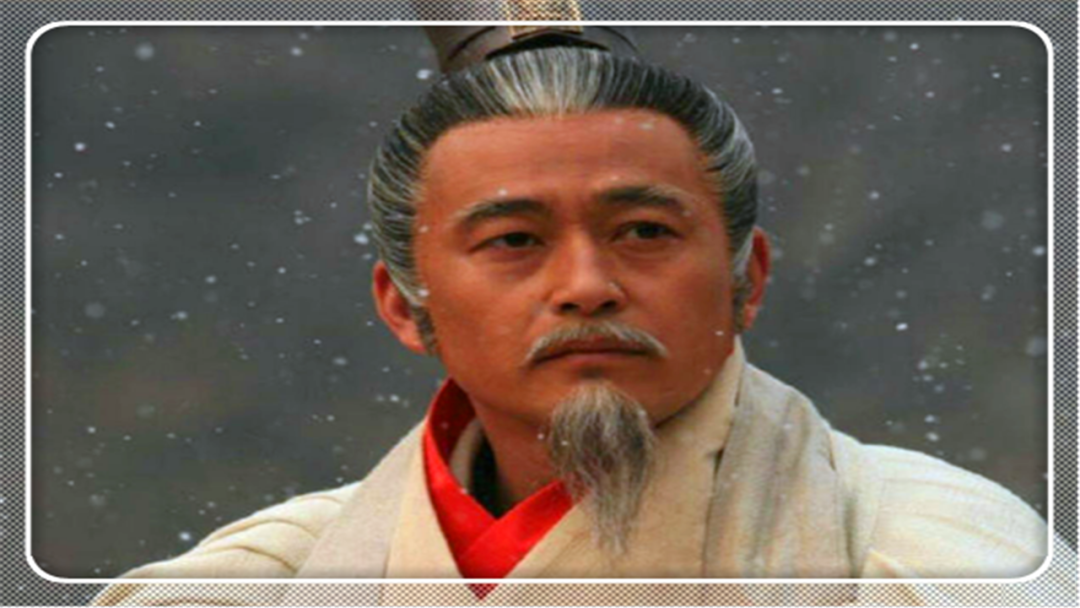
While they are honest in their administration, their main goal is to use harsh means to re-tame the wild horse that has regained its spirit in society, and let it be re-tamed by the reins of the dynasty. Then the dynasty will enter the “first cruel official period”. The emperors of the Han Dynasty, Emperor Jing and Emperor Wu, successively used Zhidu and Sang Gongyang. The period of Wu Zetian in the Tang Dynasty is a classic presentation of this rule.
And we see that in the Song Dynasty, this “first cruel official period” should have begun to appear in the Qingli period of Emperor Renzong, but it did not.
The people have had a good life of “Qingping Le” for more than a decade, until Wang Anshi’s Reform in the era of Emperor Shenzong, which made this rule reappear.
I think this should be thanks to emperors and ministers like Emperor Renzong and Bao Zheng. Their character of “not advocating harshness, and pushing the foundation of loyalty and honesty”, their position and benevolence of truly thinking about every meal and clothing for every small person, is indeed rare in the ancient dynasty.
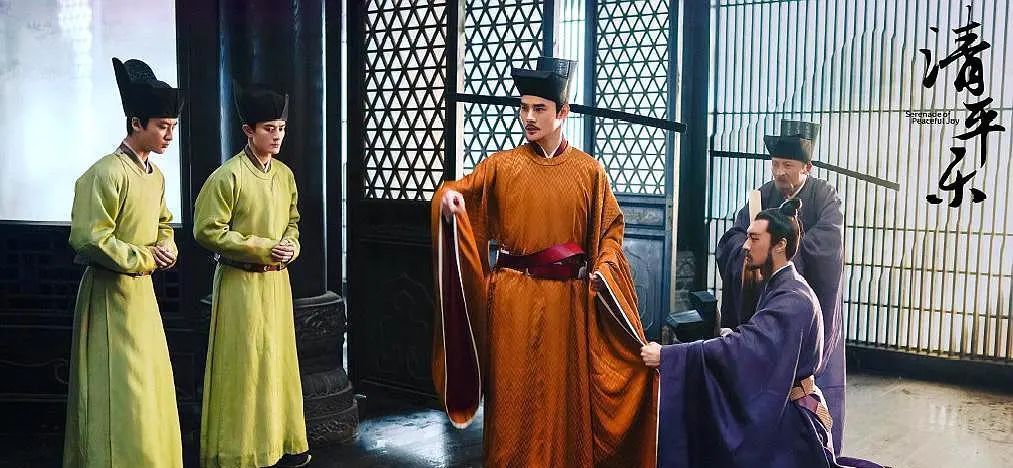
So from this perspective, Bao Zheng and his emperor, and the era in which they lived, are indeed worthy of people’s permanent commemoration.
It’s just a pity that the real shining points of Bao Zheng are difficult for most people to appreciate.
Because in our cultural aesthetics, a person, even if he is just a commoner himself, but if he is long-term brainwashed by the “grand pattern historical view” of decisive killing, iron horses, corpses of millions, and opening up territories, he is also very easy to forget his identity, and regard a person like Bao Zheng who really thinks about the people as weak, conservative, or even a “saint bitch”.
And what’s more unfortunate is that in later history, the proportion of such people among the Chinese people is actually quite high. They forget about benevolence and only cheer and look forward to the harshness of treating everyone equally.
So the folk propaganda and commemoration of Bao Zheng’s legend, in order to meet the psychological expectations of the people, has also gradually gone wrong.
In the story, Bao Zheng has become a god who can behead the emperor’s son-in-law, try the imperial relatives, and even communicate with ghosts and gods.
Even if you go to the Bao Zheng Temple in Kaifeng today, what you see as eye-catching as the statue is the three legendary executioners – the dragon head executioner for imperial relatives, the tiger head executioner for officials, and the dog head executioner for gentry, which are still bestowed by the emperor, and can be executed first and then reported…
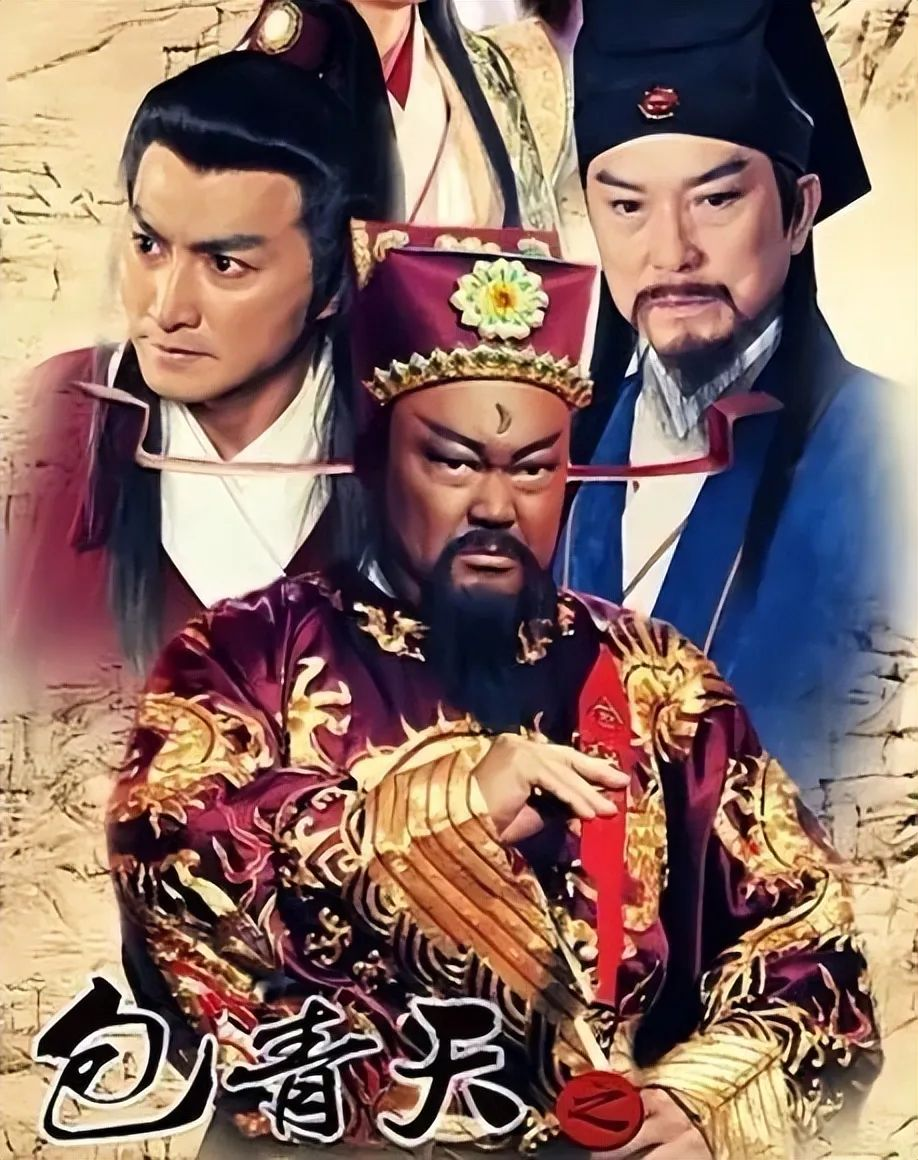
That’s not all, Lord Bao must also collude deeply with the heroes of the rivers and lakes (folk underworld organizations), and have Dynasty Ma Han and Zhan Zhao, the guards, “by his side”.
In other words, the people imagine Bao Zheng as a “Qingtian Daren” who has almost unlimited power, is black and white, and likes to execute people with the executioner, using the logic of the legalist school, or even the Zhang Xianzhong model of “equality before the executioner” to “rectify the world”.
Bao Zheng and Emperor Renzong, if they knew about it, would probably faint together – don’t you know how cautious we were in the Northern Song Dynasty when we killed someone? “Do not kill the scholar-officials and those who write memorials” was the personal training of Emperor Taizu of the Song Dynasty! Where did so many “kill kill kill kill kill kill kill” come from?
But “kill kill kill kill kill kill kill”, without knowing it, this has become an effective way to “rectify the world” in the eyes of many ordinary people.
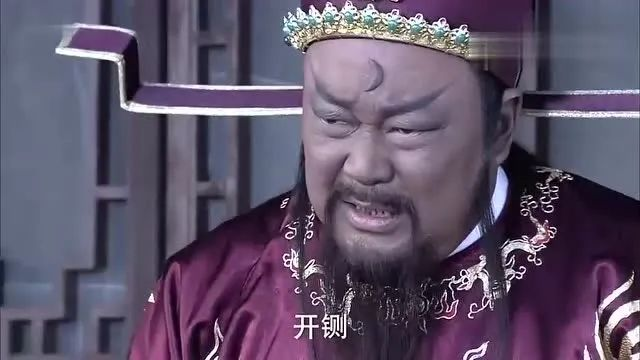
Even, many people are not so much worshiping Bao Qingtian as they are worshiping the three executioners in front of his statue, and yearning for the extremely satisfying “open~execution~”!
It can only be said that the thoughts and the times have been too far apart, and the people have imagined Bao Zheng as a person who is completely different from the real him, and even whose personality and propositions are completely opposite.
Dostoevsky wrote a paragraph in “The Brothers Karamazov”, saying that even if Jesus really resurrected, his followers would not recognize him.
Because they worship him, and worship is the emotion that is farthest from understanding.
I think this logic is the same for Bao Zheng. If a real Bao Zheng really stood in front of you, most Chinese people today would probably not worship him, and might even hate him very much – because their three views and ideals of governing the world are too far away from him.
Discover more from 自由档案馆
Subscribe to get the latest posts sent to your email.