Source: Chinese concept stocks listed in Hong Kong and the US
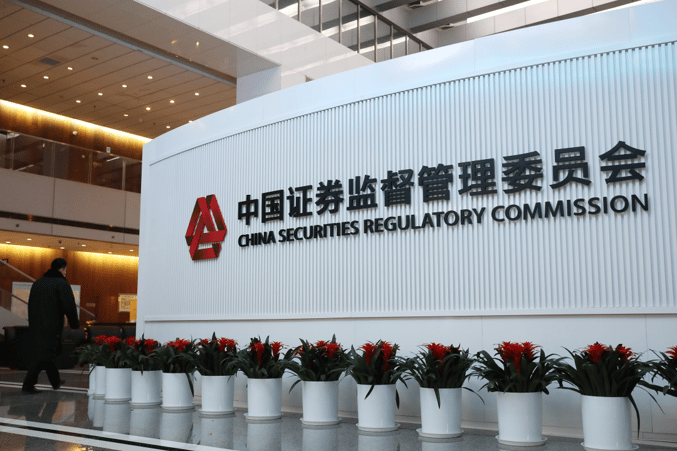
According to sources, the China Securities Regulatory Commission (CSRC) has asked law firms to downplay the wording describing business risks related to China in the listing documents of Chinese companies overseas, and warned that failure to do so could cost them the opportunity to go through the overseas IPO channel.
This move, which has not been previously reported, is the latest in a tightening review of offshore listings by Chinese companies.
Sources said that the CSRC met with local lawyers on July 20 and asked them not to include negative descriptions of Chinese policies or the business and legal environment in the company’s listing prospectus.
It is reported that representatives from the CSRC’s International Cooperation Department, more than 10 Chinese law firms, and other government and industry institutions attended the July 20 meeting.
Prior to this closed-door meeting, regulators had provided informal so-called window guidance to companies applying for overseas listings in the past few months.
Last week, the U.S. Securities and Exchange Commission (SEC) said it had instructed Chinese companies listed on U.S. stock exchanges to disclose more details about the role of the Chinese government in their operations and the impact of the 2021 law prohibiting imports from China’s Uyghur region.
The letter is part of the SEC’s implementation of a 2020 law that strengthens scrutiny of Chinese companies listed in the U.S.
Publicly disclosed information shows that Chinese companies planning to issue shares overseas usually list changes in China’s changing economic, political, and social conditions, as well as changes in government policies and regulations, and trade tensions with the United States as business risks.
An anonymous source said that Chinese law firms serving as IPO advisors have been asked to abandon such risk disclosures.
Sources said that the CSRC’s latest guidance may cause Chinese companies to adjust their stock offerings in the United States, mainly focusing on the wording of the prospectus, because U.S. regulators require comprehensive risk disclosure.
In China’s new overseas listing rules, which came into effect on March 31, any statement that “distorts or disparages Chinese laws, policies, business environment, and judicial conditions” is prohibited in the listing documents. However, the rules do not specify what qualifies as such comments.
However, in fact, all major trading markets around the world require issuers to disclose risks related to the company itself, its business units, and the country where it is headquartered to potential investors.
Regarding this matter, this morning the CSRC and the All China Lawyers Association convened a symposium with some law firms, and the main spirit conveyed was that the central leadership saw the descriptions of China’s regulatory environment and business environment in the overseas listing prospectus, and believed that they were seriously untrue, depreciating, and smearing China, and attached great importance and attention to this. Now it is strictly notified to all domestic law firms that they must strictly implement the provisions of Article 12 of the new overseas listing rules, which clearly stipulates legal obligations, and those who do not fulfill their obligations shall bear responsibility. Improper descriptions in the prospectus will have a significant adverse impact on project filing. This includes such descriptions in the prospectus: 1) The domestic regulatory system is uncertain and may take effect without being announced to the public, and may be retroactive; 2) Administrative procedures and judicial judgments, enforcing agreements through the court or arbitration system may be more difficult and time-consuming than in other countries and regions; 3) The government excessively controls the economy and distorts resource allocation; 4) China’s economic growth may not be sustainable; 5) The government has strict foreign exchange controls; 6) It may be difficult to enforce foreign court judgments and arbitration rulings in China; 7) The government may interfere in the operation of enterprises.
Discover more from 自由档案馆
Subscribe to get the latest posts sent to your email.