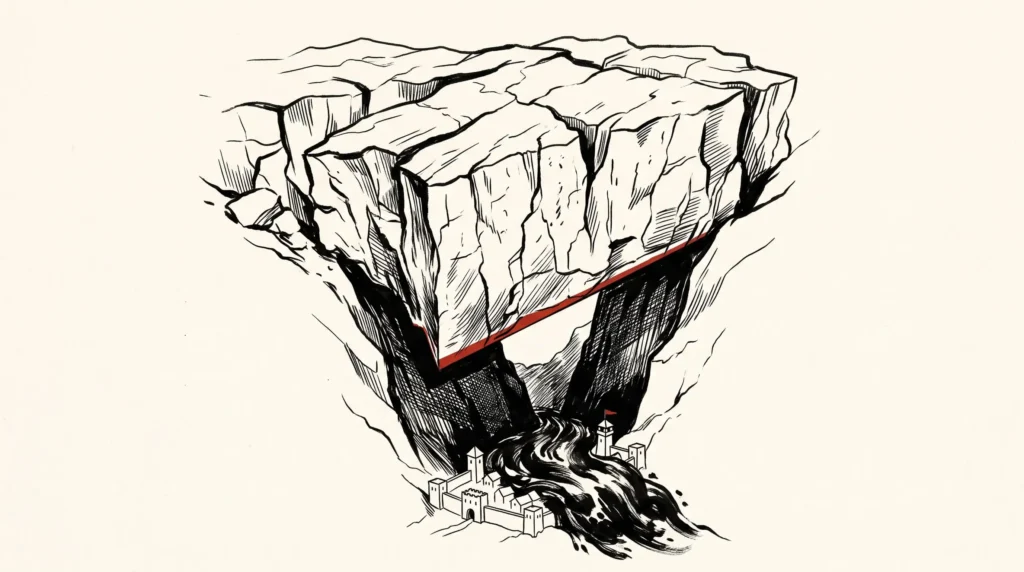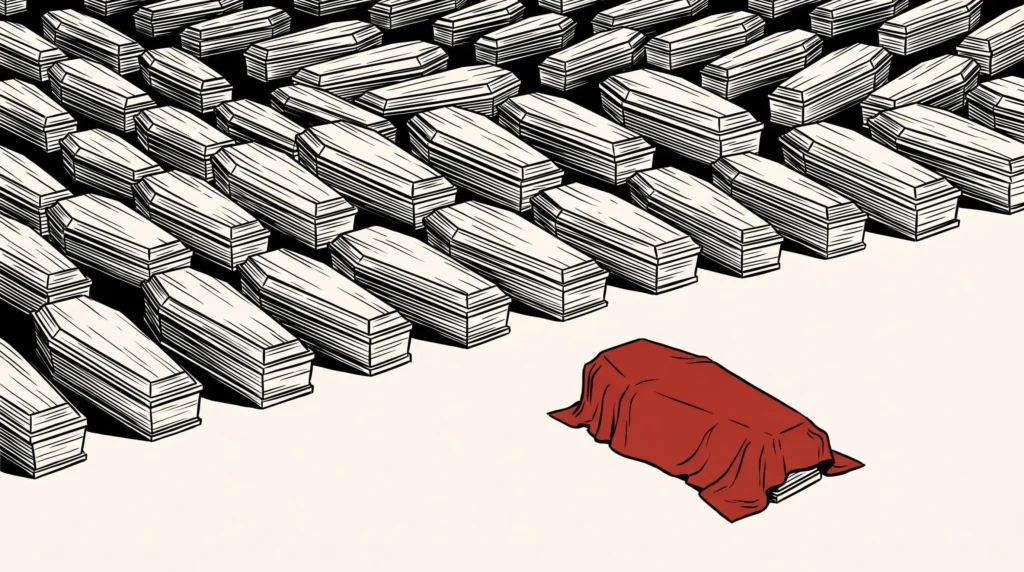
The current situation of foreign trade makes many people anxious because it involves too many people and is a major issue of people’s livelihood.
Manufacturers generally lack orders, and many factories only have 20% of the orders from previous years. The worst factories only have inquiries, but no orders. The boss that Cat Brother knows decided to close his factory, which he had been running for more than a decade, and return to his hometown to run for village secretary after the Chinese New Year.
Freight trucks also cannot get work. Truck drivers who specialize in running ports in Zhejiang feel the most. They could run more than 20 orders per month in 2021, and 17 or 18 orders per month last year. But it quickly deteriorated from the second half of last year. After the Spring Festival, many people only have three or four orders per month.
Drivers with loans are the most difficult. They basically rely on savings, and both business and life have fallen into a low ebb.
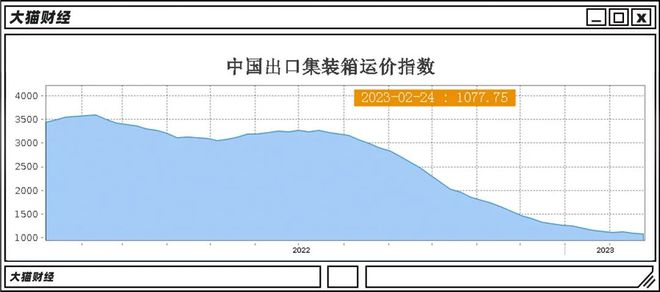
Shipping companies are also very difficult. There are no goods to transport. In the past, goods were competing for ships, but now ships are competing for goods, and freight rates are falling rapidly. For example, the US West route, freight rates have fallen by nearly 90%.
The most visually impactful is the towering stacks of containers at the port. The control boxes of Shanghai Yangshan Port were once transported to Taicang. The parking lots where trucks used to park are now used to stack cargo containers, but they still can’t fit.
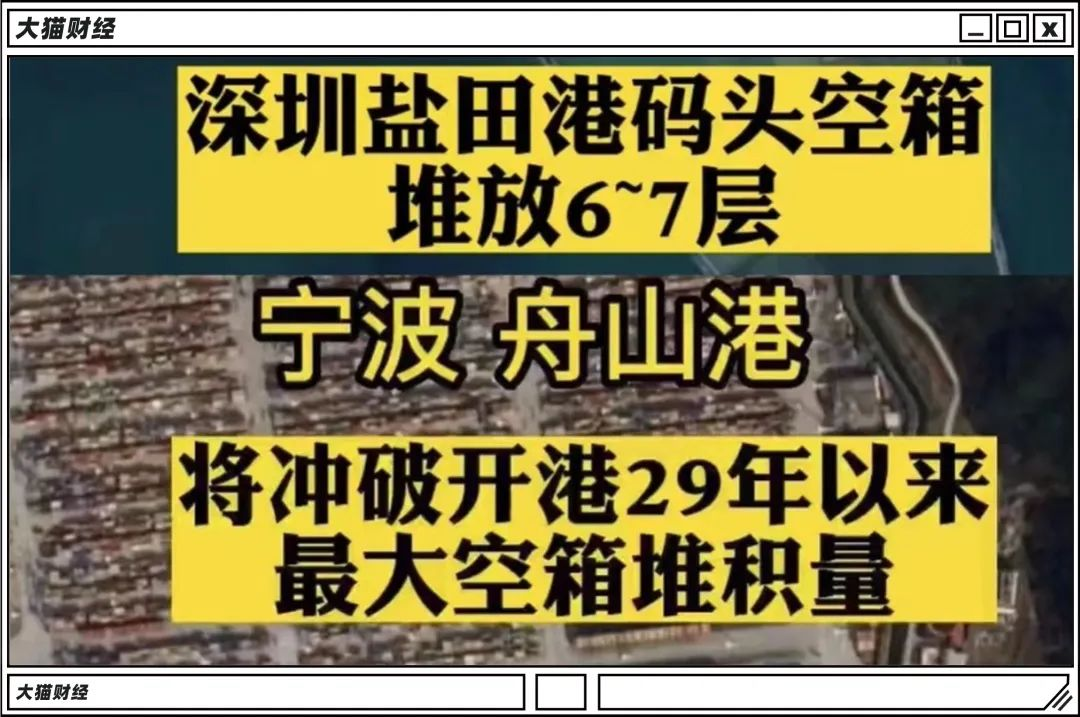
Moreover, this situation is common in the seven major ports.
So why is this happening?
Some say it’s industrial transfer, some say it’s complete decoupling. In fact, this result is the combined effect of too many factors. The situation is not optimistic, but it’s not as pessimistic as many people think.

Let’s talk about shipping companies and containers first. In addition to the lack of orders, there is obviously an imbalance between supply and demand here.
Foreigners all say that China is an infrastructure madman. One kind of infrastructure is shipbuilding. In the past three years, Chinese shipyards have received so many orders that their hands were soft. Now, there are 30 shipyards in the world holding orders, of which China has 18, and the order volume cannot be completed in two or three years.
If there are orders, then work hard. China’s annual new shipbuilding tonnage is more than 38 million tons. South Korea is also working hard to catch up. In this way, in three years, the total tonnage of global merchant ships has increased by 12%.
Building large ships is still quite difficult, but building containers is much easier. In 2020, shipping prices soared. The contradiction at that time was that there were goods but not enough containers.
So the Ministry of Commerce issued a document in December to encourage the manufacturing of containers.
Then it directly exploded.
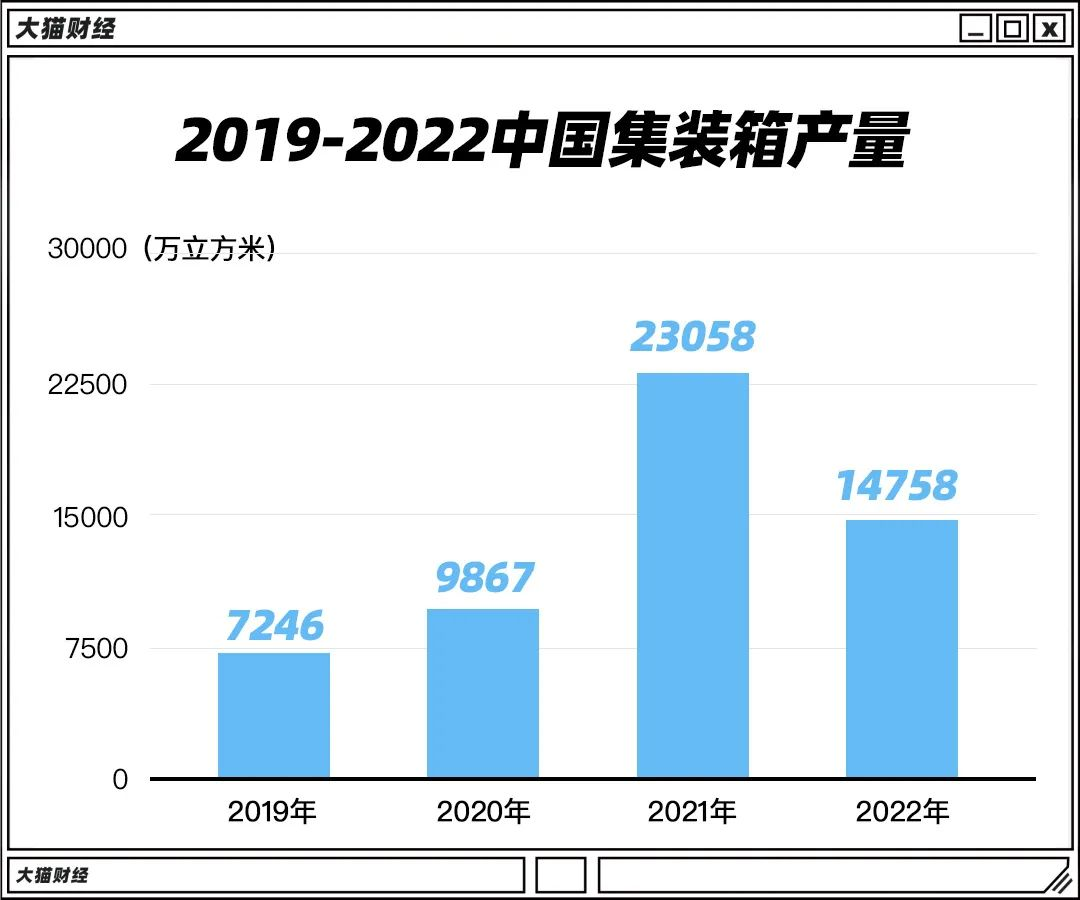
In 2020, China produced 98.67 million cubic meters of containers. After the document was issued, it increased to 230.58 million cubic meters, an increase of 2.3 times. Last year’s output decreased slightly, but it also reached 147.58 million cubic meters.
What’s the concept?
China basically monopolizes this field, accounting for 96% of the world’s total output. In the past three years, a total of 476.83 million cubic meters have been produced, which is equivalent to about 19 million standard containers, an increase of 50% compared to the global total before the pandemic.
This increase is very terrifying. In fact, there were 6 million idle containers worldwide in mid-2022. If the growth rate of containers was a little slower, the current perception would not be so stimulating.
But this doesn’t explain where the orders went?

There are many reasons.
For example, great power games. The United States insists on returning manufacturing to the country. There are indeed factories that have moved out. Many Japanese companies have left, and so has South Korea. Samsung mobile phones have the largest shipments in the world, but they are basically not made in China. The factories have left, and many supply chains are also required to be transferred. Many domestic suppliers of US companies are facing this problem. Either they build factories overseas, or they won’t get orders.
With one cut on the left and one cut on the right, many orders are gone.
Then there’s the lockdowns in some places during the pandemic. Companies definitely have to support this special situation. The supply chain is affected, and workers stay at home, so many orders cannot be fulfilled. But overseas customers still want to do business, so they look for factories in Vietnam and Southeast Asia, and a supply chain transfer has occurred.
Speaking of which, Vietnam also started its reforms in the 1980s, and its political and economic reforms were very strong, but after more than 20 years, it can only be considered average. When did Vietnam’s big explosion start?
It started to rise after 2018 and developed greatly after 2020, which means it took off while the United States was imposing sanctions on China and during the pandemic.
Later, the sea freight prices soared. European customers found that it was acceptable to set up production in a low-lying area in Europe, including logistics and other total costs, so they directly looked for European factories. For example, Poland is a beneficiary of this wave.
But there are still some orders that are gone, and that’s exactly our own reason. Let’s take an example from our surroundings.
A factory got an order from the United States, and he also had to find a supplier to produce some things. So he discussed the requirements, price, time, etc. with the supplier and waited for the goods.
As the delivery time approached, he had to urge the progress, but the other party didn’t arrange production. When urged, the other party began to scold the first party: “Traitor! Why do we Chinese take orders from the United States? Why do we make things for Americans?”
And it’s not just a scolding once, it’s a daily scolding. The second party even made the first party depressed, and the order couldn’t be completed.
It can only be said that this party’s mindset is too small. Everyone saw what happened between China and the United States last year, but the trade volume hit a new high. Business is business.

But all of the above are not the main reasons. Even if they play a role, it will be slow and gradual, and it will not change so drastically as it is now.
So what’s the main reason? It’s simple, the financial backers are in trouble.
Who are the financial backers? Europe and the United States. Don’t rush to criticize, there is data to prove it.
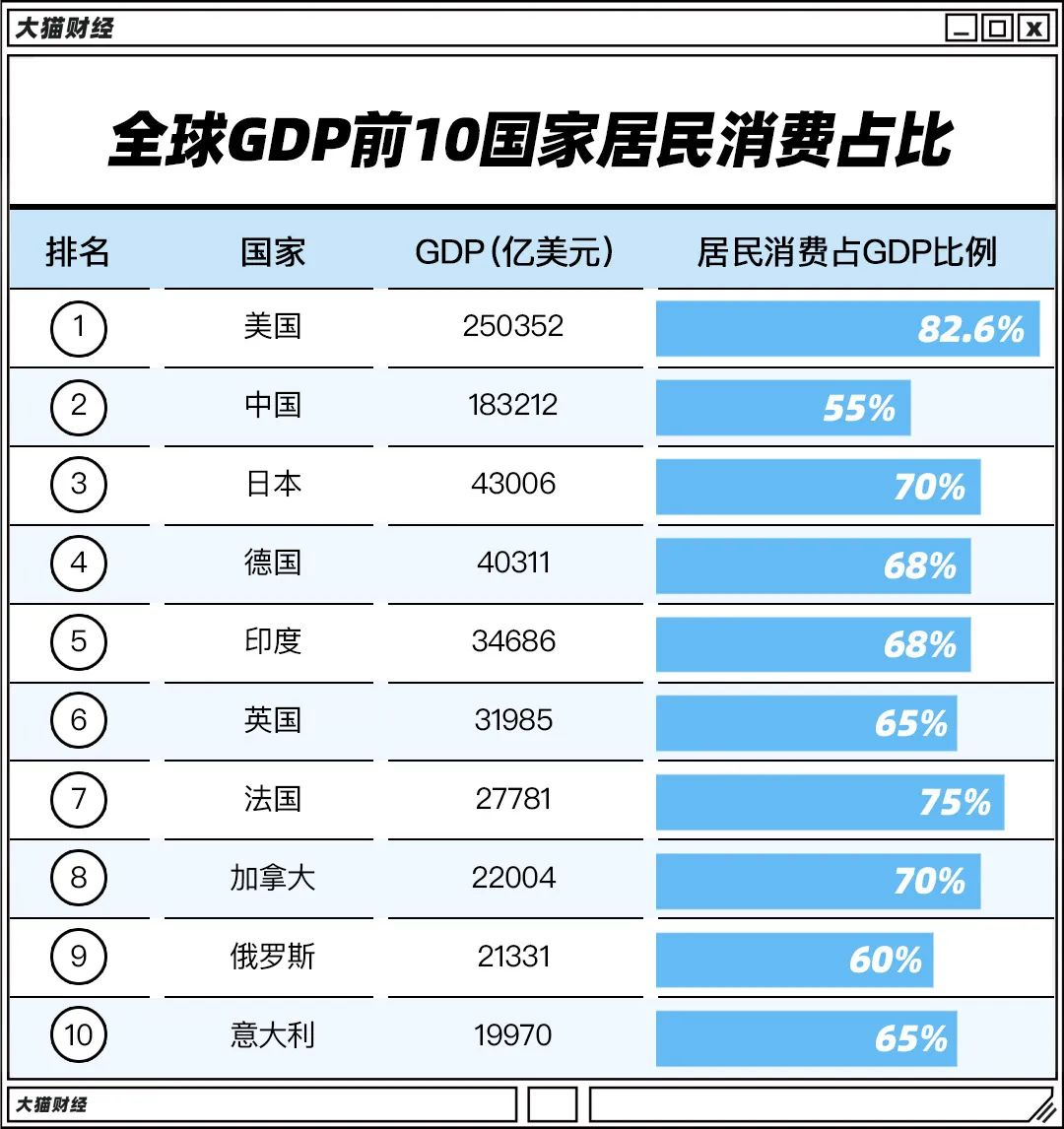
In 2022, the top 10 countries in the world by GDP are these:
The total GDP of these countries exceeds 67% of the global total. Except for China and India, they are basically European countries. Most of the GDP of these countries is still driven by consumption, basically above 65%, and as high as over 80% in the United States.
In other words, these countries can earn money and spend money. Most people not only spend all their money every month but also live on credit. Consumption accounts for more than 50% of the world.
In fact, we can generously admit that China’s manufacturing used to make money by joining the global supply chain, manufacturing at low cost, and then selling to these Europeans and Americans.
If Europeans and Americans don’t pay, our foreign trade will naturally be difficult.
Europeans and Americans are much more difficult than before. Why?
The cost of living has risen sharply, and everyone is busy fighting inflation.
Electricity bills are the most direct. For example, the electricity price in Beijing is about 50 cents, and a general family spends one or two hundred yuan a month, which is basically negligible. In Europe, the electricity price used to be 0.2 euros per kilowatt-hour, and now it’s 0.5 euros. Imagine, if you live in Beijing and your electricity bill is 1,500 yuan a month, then many people really can’t afford it.
Not everyone in Europe is a millionaire, so the people are trying to save electricity. It goes without saying that they turn off the lights at will, and they even carefully calculate the difference between peak and valley electricity prices. Some people use ovens and washing machines at 4 a.m. because these appliances have high power consumption, and the electricity price is the cheapest at this time.
For example, buying an electric car, although there is mileage anxiety, but charging is not expensive. But it’s not the same in Europe. After Tesla adjusted its prices last year, the car owners calculated that the energy cost per 100 kilometers was about the same as that of gasoline cars in Japan.
Those who drive oil cars are even worse, and the cost of using a car has also increased by 50%.
Energy prices are rising, food prices are rising, and the CPI in Europe is high. 6% is considered good, 8% is the average, and some countries are at 10%. Generally speaking, below 3% is relatively healthy, so Europeans are now also worried about high prices.
What will be the result?
Human nature tells us that the answers are similar: preserve essential consumer goods, such as basic food, clothing, housing, and transportation, and greatly reduce optional consumer goods, those that can be bought or not, and absolutely not buy them.

Therefore, the total demand is shrinking, so can our orders increase?
Everyone knows the reason for inflation in Europe, which is mainly the Russia-Ukraine war, plus the Nord Stream pipeline being blown up, and the prices have soared.
So how to control inflation? We have to look at the United States.
Inflation in the United States is also very serious, and it has become a norm of over 6%. The solution is to raise interest rates.
The United States has entered the interest rate hike channel for some time. Now the deposit interest rate is 5.5%, but inflation is still out of control. The interest rate hike has not ended yet, and it is normal for the interest rate to break 6.
So now ordinary Americans are also fighting inflation, calculating their accounts every day. A survey by the Federal Reserve found that 35% of people are anxious about their financial situation.
When the United States raises interest rates, the currencies of many countries depreciate too quickly, so they have to follow suit and raise interest rates, which further worsens the finances of some people, such as mortgage slaves.
Cat Brother’s relatives borrowed money to buy a house in Europe. The loan interest rate at that time was 1.65%. They felt relaxed to pay 1,500 euros a month. But seeing that many countries around them had launched zero interest rates, they wanted to take advantage of it and chose a floating interest rate. What happened? Now the interest rate is 4%, and the monthly repayment amount has increased from 1,500 euros to 3,600 euros, an extra 15,000 yuan in expenditure per month. It’s not easy for the people of any country.
The whole world is experiencing the same cold and heat. Everyone is spending more on basic living expenses, and the income side has not improved. Demand is not strong, and China, as the world’s factory, is naturally difficult.
The interest rate hike in the United States has also led to some strange events that have never been seen before.
Recently, many small Chinese bosses are worried about letters of credit. What’s going on?
Some customers give orders, but they can’t open a letter of credit, and the transaction can’t be done.
Why can’t the customer open a letter of credit? Because their country doesn’t have enough US dollars to pay.
Why don’t these countries have US dollars? Because the United States raised interest rates, and the US dollars all ran to the United States…
This situation will definitely increase this year, and many bosses will be troubled by it because the US interest rate hike cycle has not ended.

So what should domestic manufacturers do?
It’s a bit difficult to expect the trade situation to return to its original state in the short term, because we are not the decision-making party in this transaction. We can only wait for the US interest rate hike to end, wait for them to end the fight against inflation, and restore their enthusiasm and ability to consume. This is the reality.
The good news is that now there are fewer orders from Europe and the United States, but there are many inquiries from Asia, Africa, and Latin America, which is also an opportunity.
The migration of the industrial chain is a problem, and the low end is inevitable, because we don’t need it either. But it’s also a bit pessimistic to say that there will be a large-scale industrial chain migration. After all, China’s complete industrial chain has been tested. Vietnam lacks our scale, and Europe lacks our efficiency. The most important thing is because the people are different.
The Chinese people are somewhat similar to the Wuling Hongguang, the best-selling car in China. It can carry passengers and cargo, go up mountains and down rivers, go to the countryside and enter the city, run on highways, and also dare to go off-road. In short, it is extremely “durable”, which is our core competitiveness. We are not afraid of competition, accept competition, and take the initiative to compete. You have to believe that even if the competitiveness is declining now, it won’t be long before these people can come up with new things.
As for the present, to borrow the lines from “Furong Town”: Live on, live on like an animal!
Discover more from 自由档案馆
Subscribe to get the latest posts sent to your email.