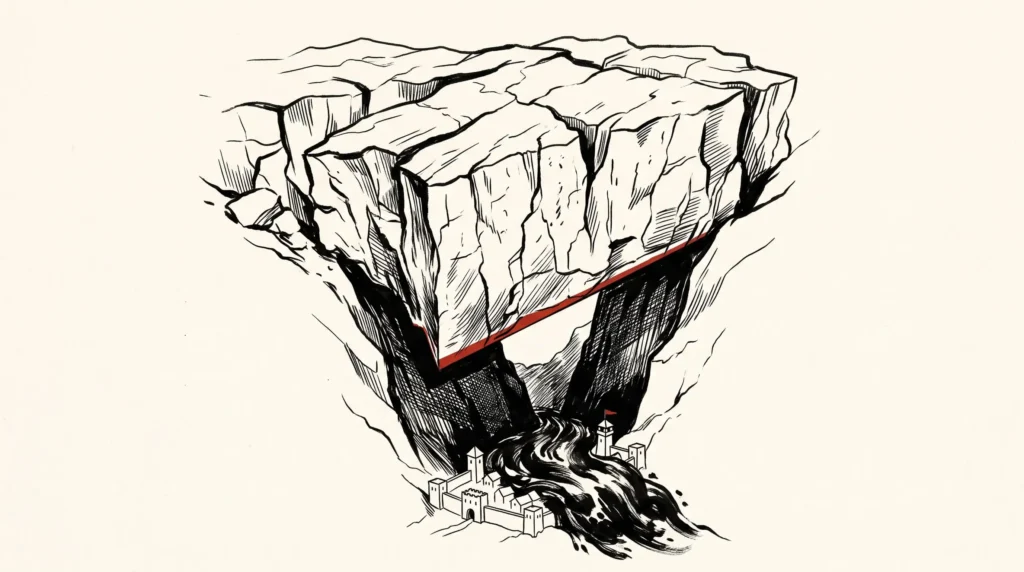
What is a great power in the modern sense? Ancient Ottoman, ancient Roman, ancient Chinese? None of them! Is Britain? Yes!
But Britain was originally a weak country with few resources and a small population. Anyone who knows a little European history knows that Britain was once bullied by everyone.
The advent of the Age of Discovery changed the existing rules.
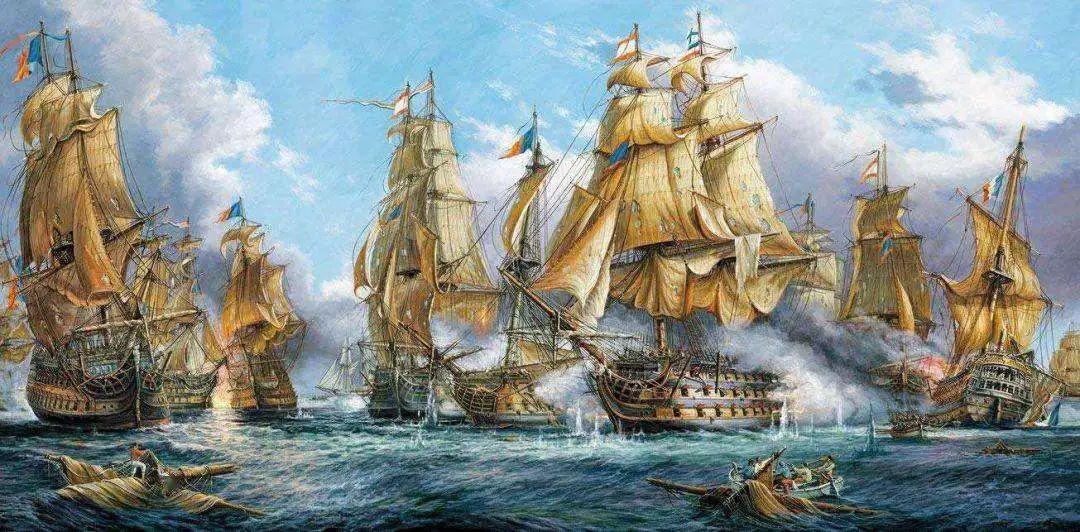
When the gate of the Qing Dynasty was opened in 1840, it was facing the British Empire, which had already developed to the steam engine era. The world’s number one power in the era of land civilization was vulnerable in the era of maritime civilization.
When the earth was divided up, the development of traditional maritime powers like Britain and France slowed down.
And with the popularization of science and technology and the failure of the external aid after the geographical discoveries, the golden key of the navy and merchant fleet was not so dazzling. Unified Germany was aggressive, and the world began to change again.
But Germany’s development needed more resources, and Britain and France, the monopolists of global resources, suppressed Germany, and eventually war broke out. The biggest beneficiaries were the United States and Russia – the typical “mantis stalks the cicada, unaware of the oriole behind”.
Although Britain and France won the First World War, the price was huge. The United States and Russia, two countries with vast territories and leading technology, began to show their potential.
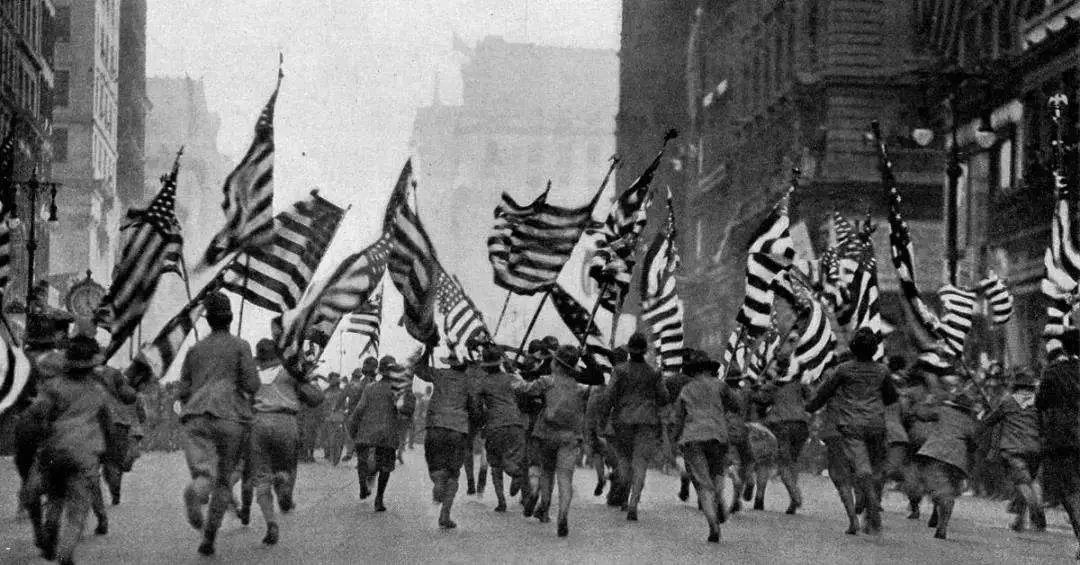
The First World War put the United States and the British Empire on an equal footing, and the Second World War completely turned the British Empire into a second-rate country. When Europe was destroyed, the colonies that enjoyed resources and markets naturally disappeared.
Under the guise of free trade, Britain, France, and the Netherlands, the maritime powers that once led the way, lost their territorial resources and population, and the glory of the past was gone forever. The United States took the opportunity to obtain European talents and technology.
What truly made the United States far surpass other countries was the Cold War.
During the US-Soviet rivalry, the United States gained wealth by controlling global trade and currency rights, and the crisis stimulated demand, eventually developing high-end technologies that far surpassed other countries.
The Soviet Union also developed high-end technologies second only to the United States, but the price was too high, the economy was out of balance, and it eventually disintegrated.
Besides the United States, China is another major beneficiary of the Cold War.
Just like the United States, which benefited from the rivalry between Britain and France, China preserved its territory, population, and resources in the chaotic world, and the only thing missing was technology – we have long realized this, and since 1949, we have never relaxed our efforts to climb the ladder of science and technology.
As long as we climb a little faster, it may not take long from a century of humiliation to a superpower. It is too early to say that China has become a truly strong global power, but China is already on the road to becoming a strong power.
In the modern perspective, whether some great powers are actually great powers is worth studying.
At the beginning of modernization, in the three continents of Europe, Asia, and Africa, a very large power, the Ottoman Empire, rose up at that time.
The rise of the Ottoman Empire of Islamic civilization was almost simultaneous with the geographical discoveries and the Age of Discovery in the West.
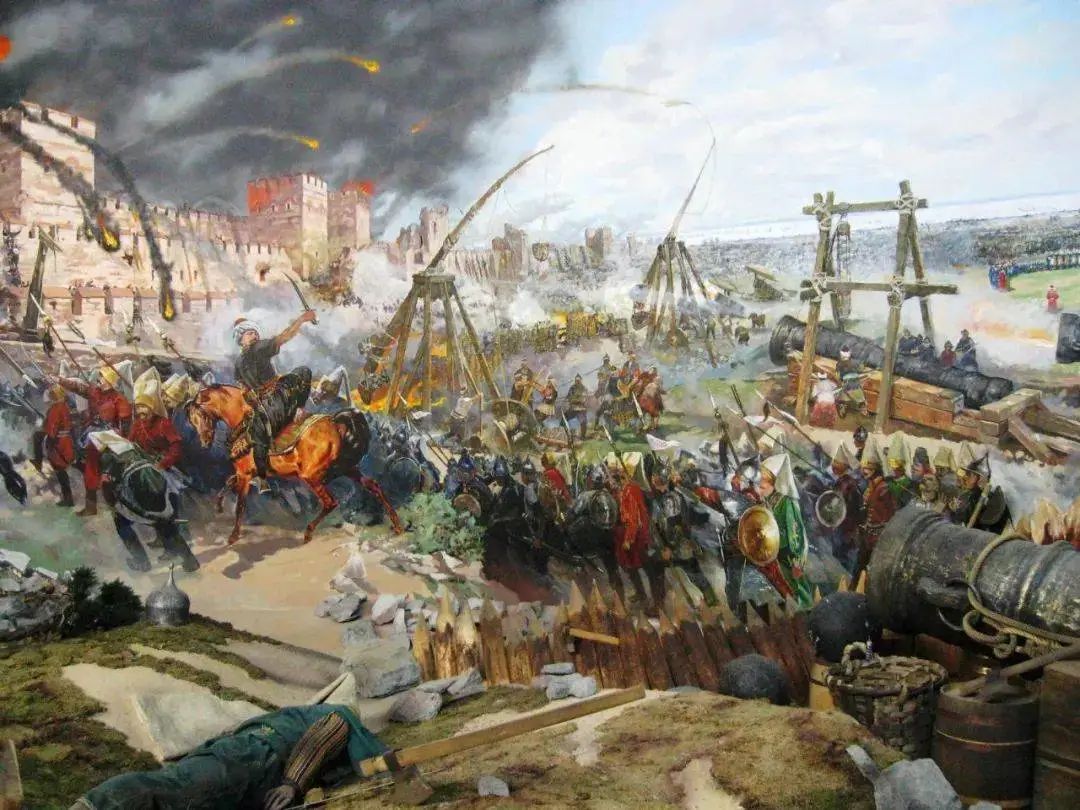
In 1453, the Turks captured Byzantium, which has always been regarded as the two major signs of the end of the Middle Ages and the beginning of modern times in traditional European historiography.
The maritime hegemony of countries like Spain, Portugal, and the Netherlands, and the land hegemony of the Ottoman Empire, are two things that exist at the same time. Why is the Ottoman Empire a traditional great power, while the later rising countries like Spain, Portugal, and the Netherlands are modern great powers?
First of all, it lies in the influence of the “system” of the founding of the country on the world and future generations, that is, the significance of the establishment of modern social systems, including economic systems.
The standard for evaluating the merits of a system is still the amount of benefits the people get from it. In this rise of a great power, the relationship between the country and the people is particularly important.
Many people say that in the process of the rise of Western powers, the conquered and the invaded suffered a lot, and we Chinese certainly have a deep understanding of this.
But in the expansion of traditional military empires, this situation was also very serious, even more so, which is not the difference between modern and traditional.
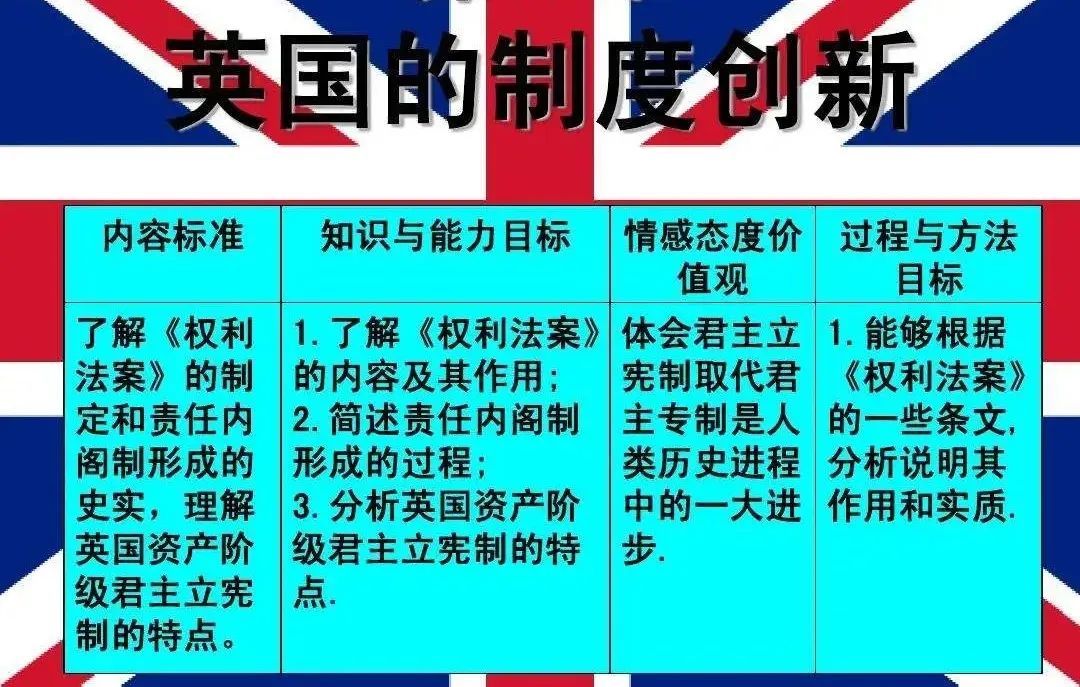
What is the difference? First, the background of the system, and second, what relationship this system brings to the people. First of all, it refers to the relationship brought to the people of the country – the pain of colonial conquest for the conquered areas is another issue. Under a certain social system, the strength of a country will of course enable its citizens to get a lot of benefits.
But we cannot say the opposite, that the citizens of a country must or can only benefit from this country, in the period of territorial expansion.
Historically, we have seen many examples, that is, under this kind of system arrangement with the people as the foundation, the country’s expansion can benefit the people, and the country’s cessation of expansion can still benefit the people.
The so-called rise and fall of a great power is by no means just the size of the territory and the strength of the military. The most essential thing is how much the rights of the people can be increased.
The truly meaningful colony in Dutch history was Dutch East India, which is today’s Indonesia.
Although we say that the Netherlands has maritime hegemony, it mainly refers to commercial hegemony. In terms of fighting, the Dutch are actually not very good.
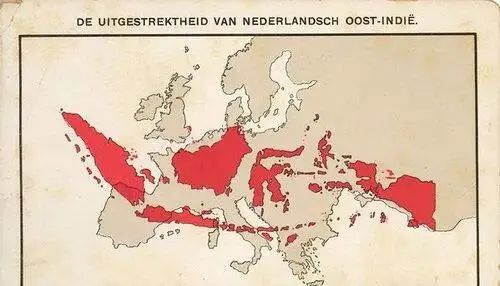
So, whether from the mainland or from the sphere of influence, the Netherlands cannot be called a great power. But why do we say that the Netherlands is a great power? Some systems created by the Dutch, such as the joint-stock company and the United Provinces Republic, have had a huge impact on later generations, and its commercial influence is far-reaching. Its cultural influence has also been widely spread in the world.
The influence of the Netherlands in the world at that time, to the extent that Japan regarded the Netherlands as a synonym for the West. Now, according to the saying of the rise of great powers, the hegemony of the Netherlands has long ended.
But today’s Netherlands is still a rich and civilized country, still envied by the world, and the national and national pride of the Dutch is no less than that of the past.
A similar example is Sweden in the turn of the seventeenth and eighteenth centuries, whose military and political power was very strong, possibly second only to Britain in Europe at that time, and on par with Russia, and had defeated Russia several times.
In the end, the Battle of Poltava ended Sweden’s military hegemony. But before that, Sweden’s military and political power was great, but Sweden had no status in the world at all.
In 1708, the Battle of Poltava was defeated, the king fled to Turkey, and the peace treaty signed after the war caused Sweden to lose troops and land, and its hegemony completely collapsed, and it has never recovered since. However, Sweden’s status in world civilization only truly rose after that.
After the defeat, Sweden abolished the autocratic system and began the famous “Age of Liberty” in Swedish history, establishing a modern social system in which its political stability and social harmony were among the best in Europe.
Under the support of this system, Sweden has no colonies and no sphere of influence, but Sweden’s industrialization later surpassed others, and its per capita output and income now even exceed those of Britain and the United States, and are among the highest in the world.
I don’t need to talk about Swedish culture, the Nobel Prize is awarded by Sweden.
Do the Swedes today miss the glory of the great king before the defeat of Poltava? Of course, there are some, but very few. The glory and pride of the Swedes today cannot be compared to that of the subjects of the past.
So as long as the citizens of a country can truly stand up, even in the so-called period of decline of the country, their citizens still have dignity.
The modern social system, which has been washed by maritime civilization, will bring dignity to the citizens of the country, which is not a problem. But the autocratic system of the past was not like this, the stronger the country, the more humiliated the people.
I think this is the biggest difference and the biggest progress between “maritime civilization” and “land civilization”.
Discover more from 自由档案馆
Subscribe to get the latest posts sent to your email.