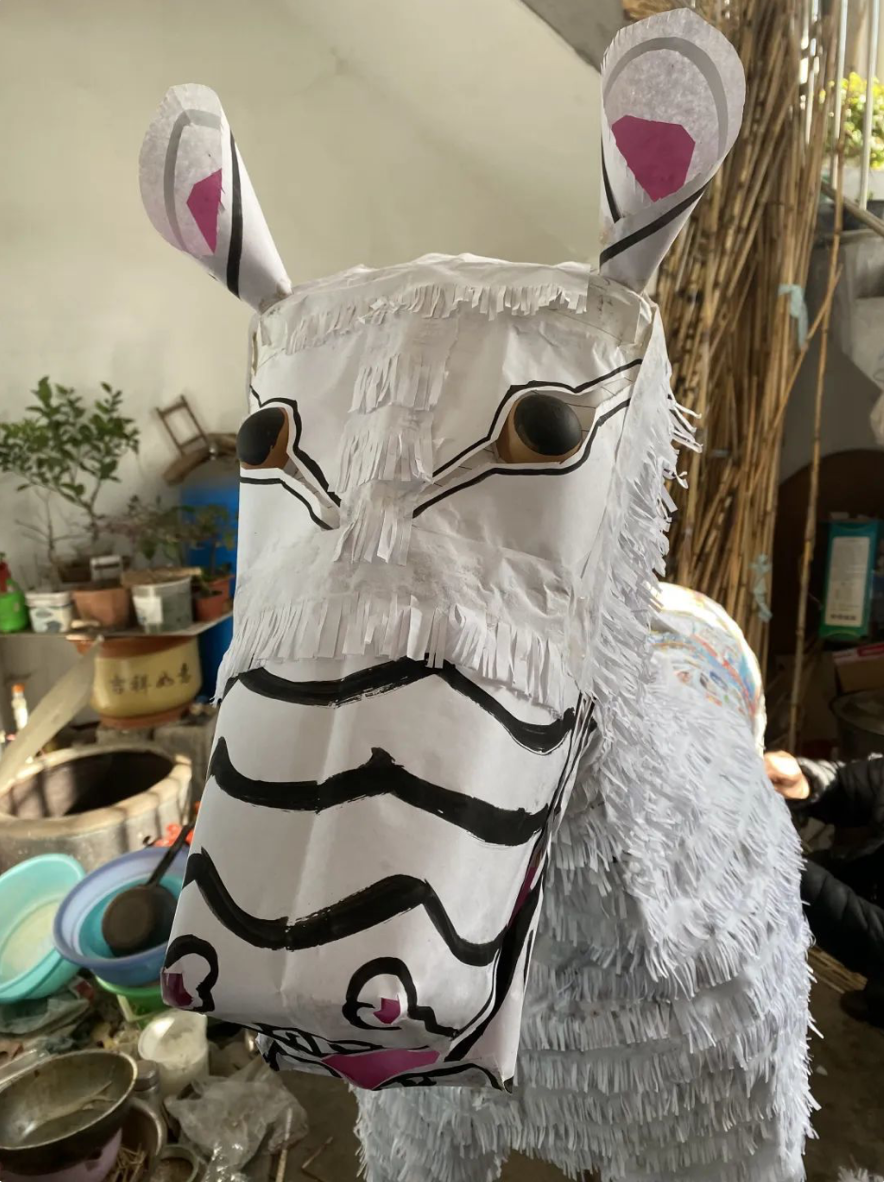
Paper horses are burned for the dead, and also for the living. They are both a ritual in the customs to show the dead the way, and also make the living feel that they have properly bid farewell to the deceased. It is the last interaction and connection between the living and the dead. Horses should be like horses, and people should be like people. People should mourn, commemorate, and see off the dead.
01, A horse is hard to find
After a person dies, on the next day, a paper horse is burned on the road, with the horse’s head facing west, to show the way for the deceased. This is a custom in some towns in Laiwu, Shandong.
The paper horse is as big as a real horse, purely handmade, and a sorghum stalk frame must be built first, and then paper is pasted on it. This winter is different from previous years, and it is difficult to find a horse in various towns. Too many people have died, and the hands of the horse makers cannot keep up.
Ning Qiang is recognized as the best horse maker in Kou Town, Laiwu. To catch up with the work, the time he takes to make a paper horse has been shortened from three or four days to a whole night. He and his wife, Wei Yuan, are both in their 50s, and they have been working continuously for three days and nights since the beginning of January.
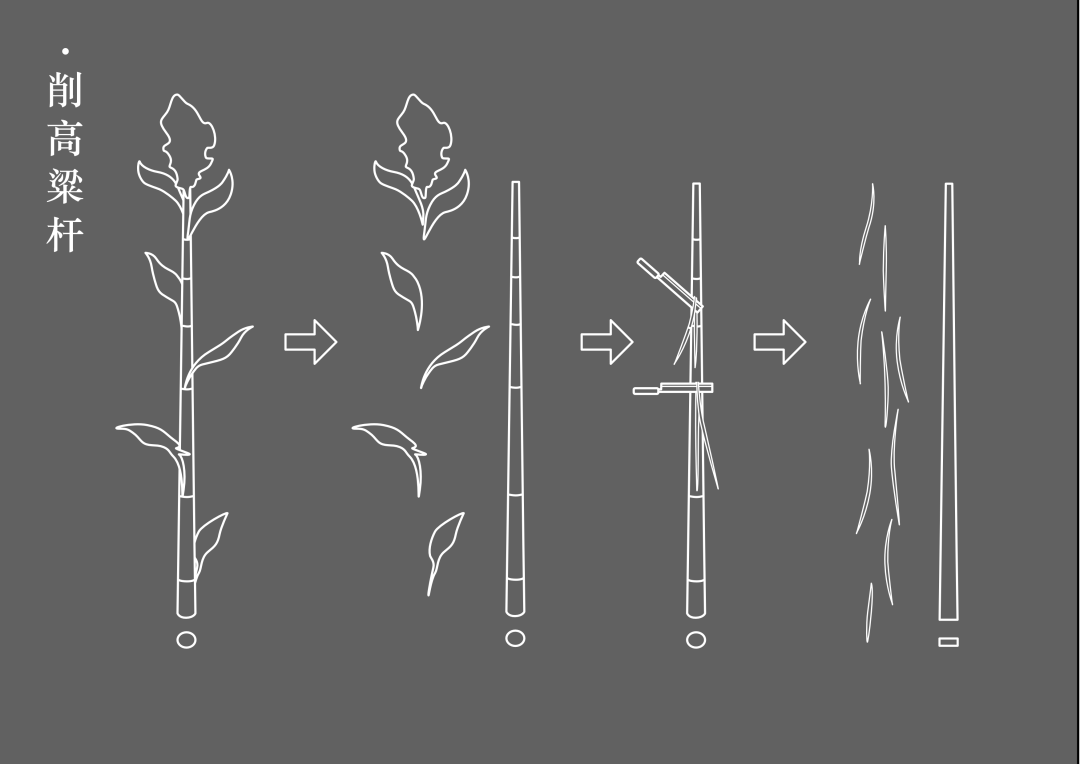
At 3 p.m., Wei Yuan was shaving sorghum stalks at the door of the shop. She held a sickle in her hand and shaved off large pieces of miscellaneous branches. The horse frame must be made of sorghum stalks, which are flammable and easy to bend. Their relatives have a small piece of sorghum field, which is far from enough to supply, so they often have to go to other people’s fields to pick up.
She also split some of the stalks, removed the core, and dropped many long, thin strips. She said that the stalks shaved in this way are soft and not easy to break.
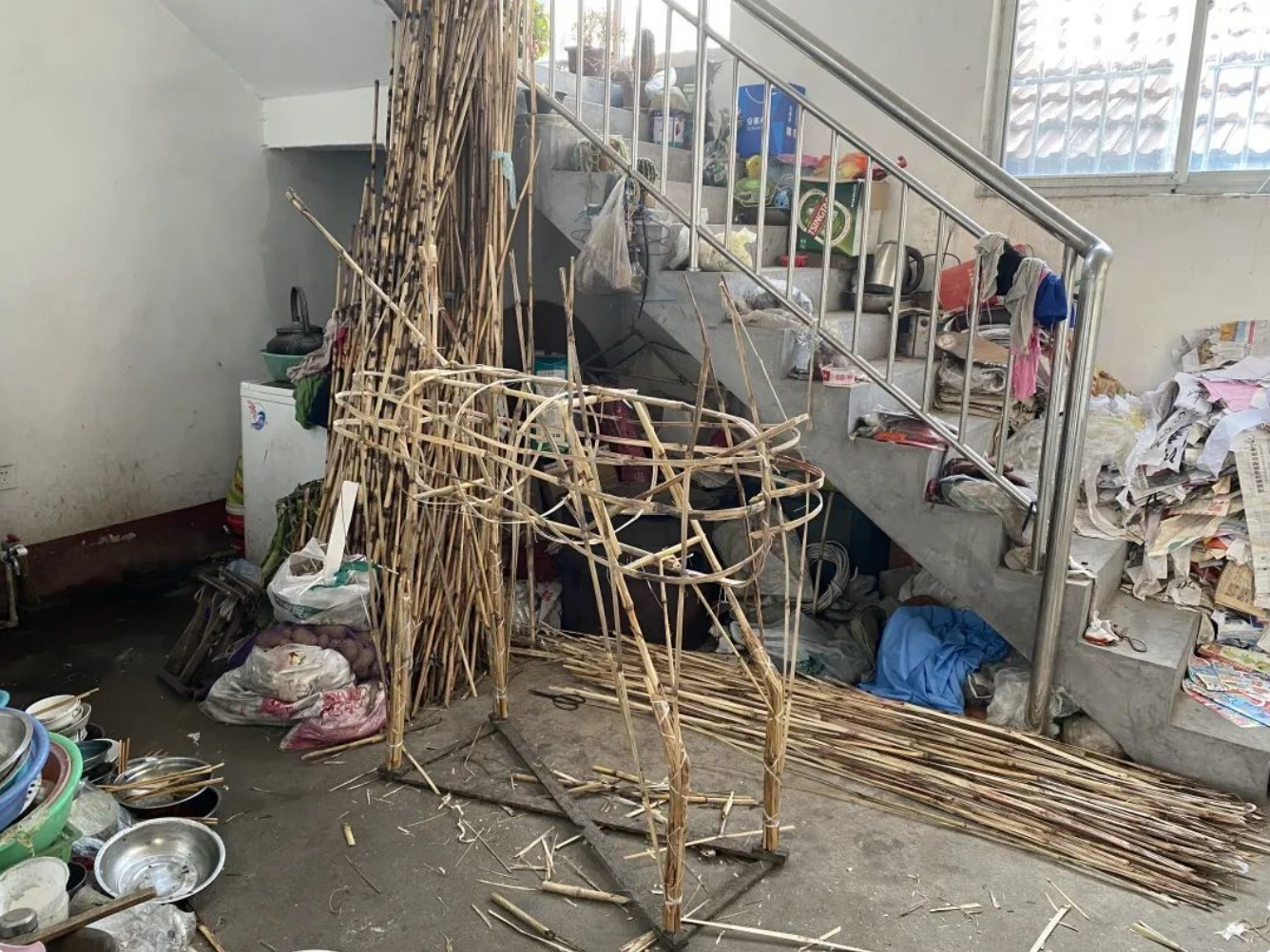
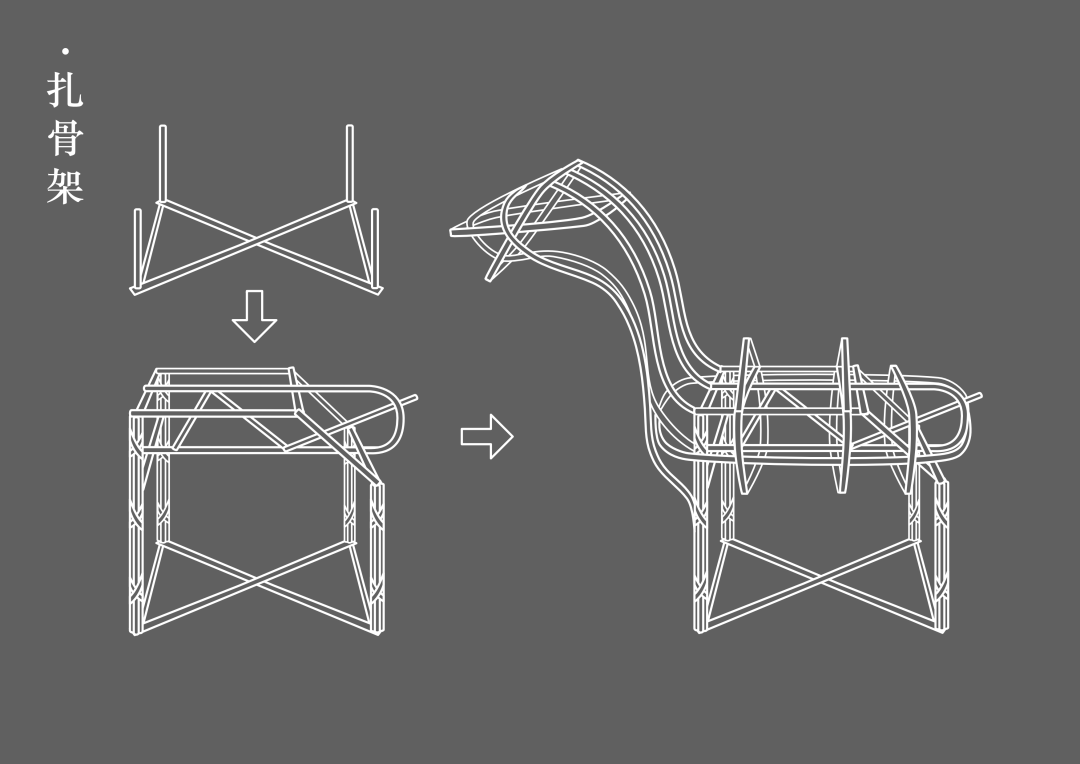
After dinner, Ning Qiang began to build the frame of the horse. An X-shaped iron plate was placed on the ground, with four nails erected at the four corners, which was used to fix the base of the horse, and a “horse” as big as a real horse would grow on it. Wei Yuan said that in the past, people made horses that were only half the size of the current ones. In recent years, for some reason, the horses have become bigger and bigger, perhaps because people think that big horses are more decent.
Ning Qiang picked up some hard stalks without cores, cut them short, bundled them together, and tied them into the four small legs of the horse, and poked them on the four nails. He also took two soft stalks without cores, connected them, and let the two stalks overlap a short section at the connection, pierced them with an awl, and then passed a wooden peg through the hole, and the two stalks were firmly connected, becoming the horse’s thighs. He made four thighs in this way, and then connected the large and small legs in this way. When connecting, he made the front legs of the horse straight, and the back two thighs tilted forward, forming an angle of about 160 degrees with the lower legs.
The four legs grew upwards, and Ning Qiang connected the top ends of the four stalks one by one, forming a rectangle, forming the horse’s back. He also placed a stalk horizontally at the thighs of the two front legs and the two hind legs, which was the height of the horse’s belly.
Paper horses usually sell for more than 100 yuan, and have risen to 300 to 500 yuan. In early January, a man came to the shop and said that his father had passed away, and he was willing to pay 1,000 yuan, just to buy a horse, but they really couldn’t make it, so they refused. In the end, the man had to use a bundle of hay to replace the horse and burn it. It is said that he still feels guilty and feels sorry for his father.
Similar stories are spreading in the town like air this winter. An uncle sells wreaths, rents crystal coffins, drives funeral cars, and also plays music for people at funerals. One night in late December, he received a request to find a paper horse for a family before dawn. He called seven shops, but none of them had it. Later, he finally found one in another town 20 kilometers away. He drove to get the horse in the middle of the night, got lost when he entered the village, and it took him two hours to get the horse.
A few days later, another family came to him and asked him to help find white coats for the family members to wear at the funeral. His wife went to a shop to ask. The shopkeeper said that they were gone, and showed her a dozen or so weaving machines hanging with fine white silk, saying that they couldn’t weave the cloth now. The shopkeeper only gave her a bag of white hats with little fabric.
02, The growth of the horse
Wei Yuan was sitting in a corner of the open space, washing dishes with two basins. She and her husband make horses at night, and they also run funerals during the day, helping out the same busy colleagues, renting out a set of tableware and then washing them. The dishes she is washing are the ones used at the funeral this morning. On the contrary, she doesn’t have time to wash her own dishes. There are three or four stacks of bowls, plates, and basins with leftovers piled on the ground.
She also hasn’t washed her little daughter’s hair for several days. The girl is 11 years old and has a disability in her legs, and she moves around the room with a square frame. She will watch the shop when her parents are not around, and she watches it very well, and no one bargains with her. She is the one who talks the most in the room, loves to quarrel and play with her sister, and acts coquettishly with her parents. One day she said, Mom, if you don’t wash my hair again, I’m going to get lice on my head. Her sister is in high school, and she also helps with paper making when she is not taking online classes.
This day was the second day of making horses. In the evening, Ning Qiang was going to complete the horse’s body.
He picked out two extremely long poles from the ground, one on the rectangular horse’s back, and the other on the front and back horizontal poles that marked the height of the horse’s belly. He grabbed the back half of the pole on the horse’s back and bent it down, and the pole drooped into an arc, and the surface of the bend burst open, but it didn’t break. He also bent the back half of the pole on the horse’s belly upwards. The two poles overlapped, forming a rounded horse’s butt, and he wrapped the overlapping section tightly with white plastic rope.
The next step is to build the horse’s neck. He walked to the front legs of the horse and confirmed that the pole on the horse’s back just passed through the midline of the rectangle. He fixed the intersection with bamboo skewers, and then held the part of the horse’s back pole that extended far beyond the front legs, and snapped it up, and then clamped it with the two vertical poles propped up on the horse’s belly to fix it again. This sloping pole is the support for the horse’s neck.
Finally, make the horse’s head. He picked out two thin poles, bent them into two trapezoids, crossed them into an “X” shape that is narrow at the top and wide at the bottom, and then drew a thin pole around the intersection to fix it. The horse’s head is done. The narrow side is the horse’s mouth. He connected it to the support of the horse’s neck.
The various parts of the horse have roughly taken shape. After that, he kept adding thin, soft poles to the frame. He added two circles horizontally on the horse’s body, and three circles vertically, gradually like a hollow cylinder. He also took many thin poles, connected the lower legs and the horse’s body one by one, and then connected the horse’s body and the horse’s head one by one. The legs and neck of the horse gradually grew from a single skeleton into a complete outline.
It took more than two hours to build the entire frame. During this period, Ning Qiang kept squatting down, picking poles from the ground, measuring the length of the poles with a self-made wide wooden ruler, standing up to fix the position, tying with rope or piercing with an awl, connecting them, and then squatting down to pick up the poles.
After it is built, the poles must be dried first. The horse should have been air-dried for a day. Now time is tight, so Wei Yuan uses a hair dryer to blow it.
03, The horse should be like a horse
Regarding the urgency caused by death, paper horses may be the least cruel of them all. The funeral car drivers in the town have the most say in this matter. They said that they had never seen such a scene, so many people died, and no matter how hard they tried, they couldn’t pull them all. One of them has been doing this for 50 years, and at most, he only received 20 orders a month. But since mid-December 2022, he has to complete two or three orders a day, and more can only be rejected.
There is only one funeral home in Laiwu. Usually, it can burn a maximum of 40 bodies a day, but recently, more than 100 people line up every day. The funeral home opens at 8:30 and closes at 16:00. During this period, the deceased cannot be burned. It is said that 60 kilometers away, many deceased people in Zhangqiu cannot get in line locally, and they are also pulled here. Every day after the funeral home closes at 16:00, the queue for the next day starts in front of the window for handling procedures. The family members bring small stools and sit in the cold wind all night, waiting until the next morning. Some families send three people to take turns, and some people are responsible for delivering food.
“Thanks to a rogue, everyone has food to eat,” said a funeral car driver. A gangster in the town saw the business opportunity and opened a mobile food truck next to him in the middle of the night, selling steamed buns and stir-fried dishes, at double the price, but everyone thanked him.
On January 4, the funeral home opened its furnace early at 5:30, and it could burn a maximum of 150 people a day before closing. It was also stipulated that those who came from other places would not be given a receipt if they did not bring the remains. Only then did the situation ease, and no one lined up at night.
However, the white affairs still have to be handled, and everything related to the white affairs is still in short supply. Ning Qiang and Wei Yuan still have to make horses day and night.
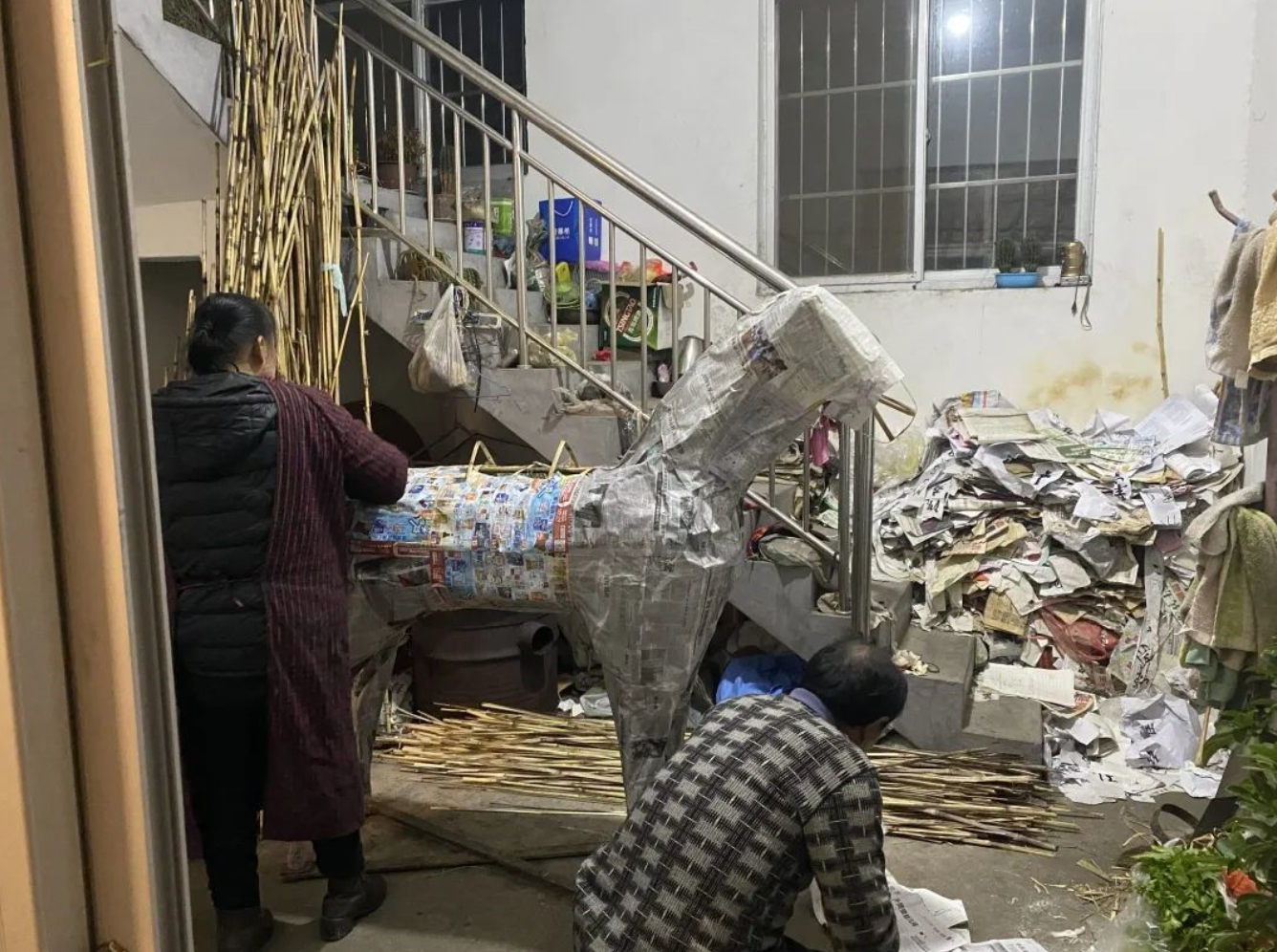
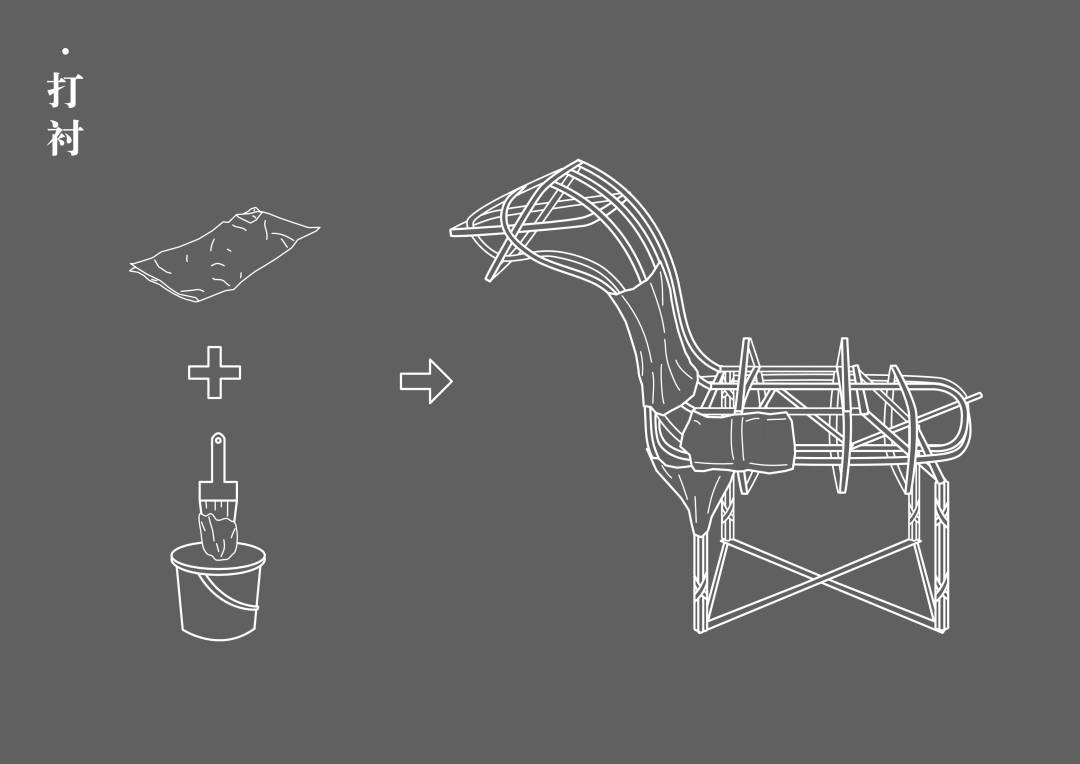
After the horse’s frame is dry, it needs to be “lined”, which is to paste newspapers on it. The paste must be made fresh, using their own flour. Originally, they used the ones that had been left for a long time and gone bad. Recently, the number of orders has been large, and the bad flour has been used up, so they started using the good ones. Wei Yuan took an iron basin, poured in water, grabbed a handful of flour from a bag in the corner of the wall with one hand, and kneaded it into the basin little by little, and then stirred it with a thick wooden stick until the smallest lumps of flour disappeared. She put the basin on the stove to boil. When it boiled, she took it out, steaming hot, and the room smelled of flour, like a bowl of rice was being served.
Wei Yuan squatted down, set up a small wooden table, and brought a thick stack of newspapers, brushed the paste on the newspapers on the table, and then pasted them on the frame, brushing one and pasting one. When pasting to the horse’s neck, she took a step forward, held the newspaper with both hands and pasted it up, as if she was putting a scarf on the horse. After pasting it, she patted it and touched it until the paper was smooth. The horse grew stronger, and it couldn’t be seen that there was only a frame inside, and it gradually became solid.
Later, Wei Yuan began to paste supermarket advertisements, her daughter’s math papers, and notices issued by the town.
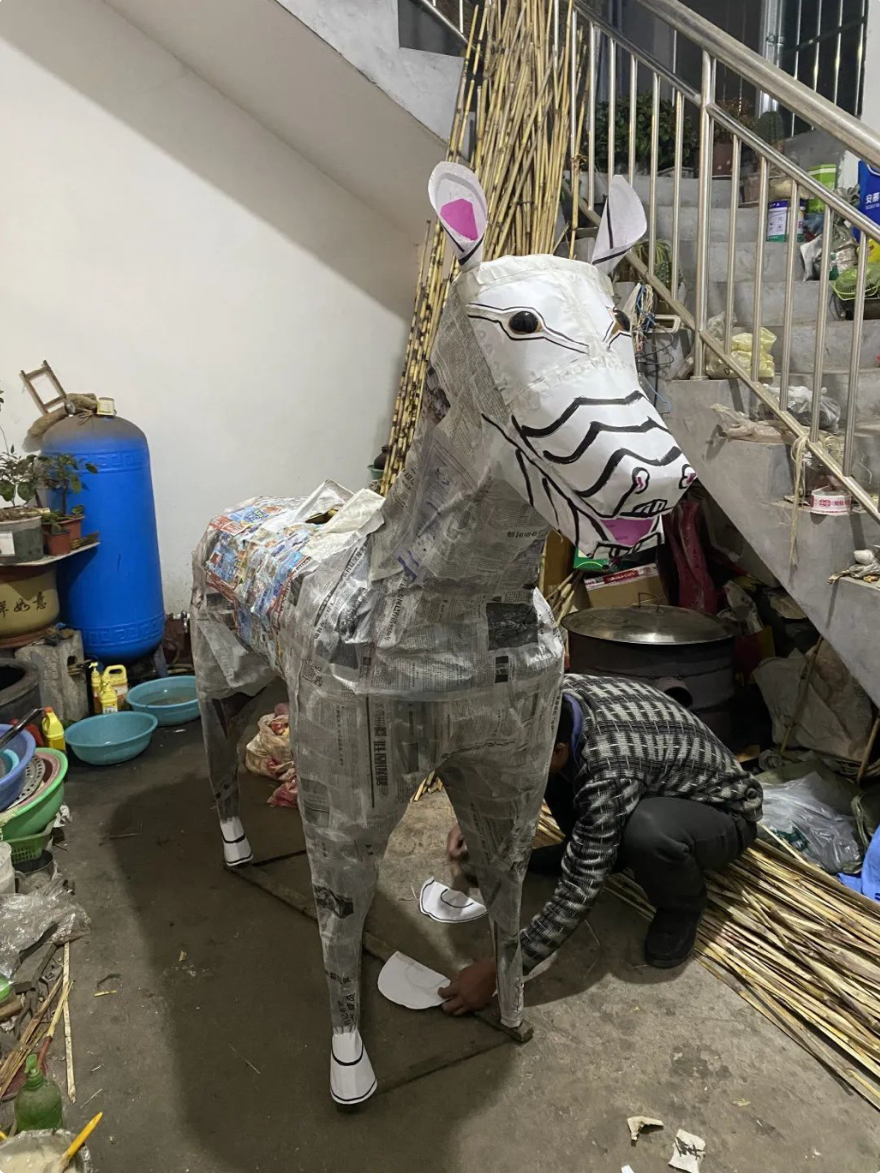
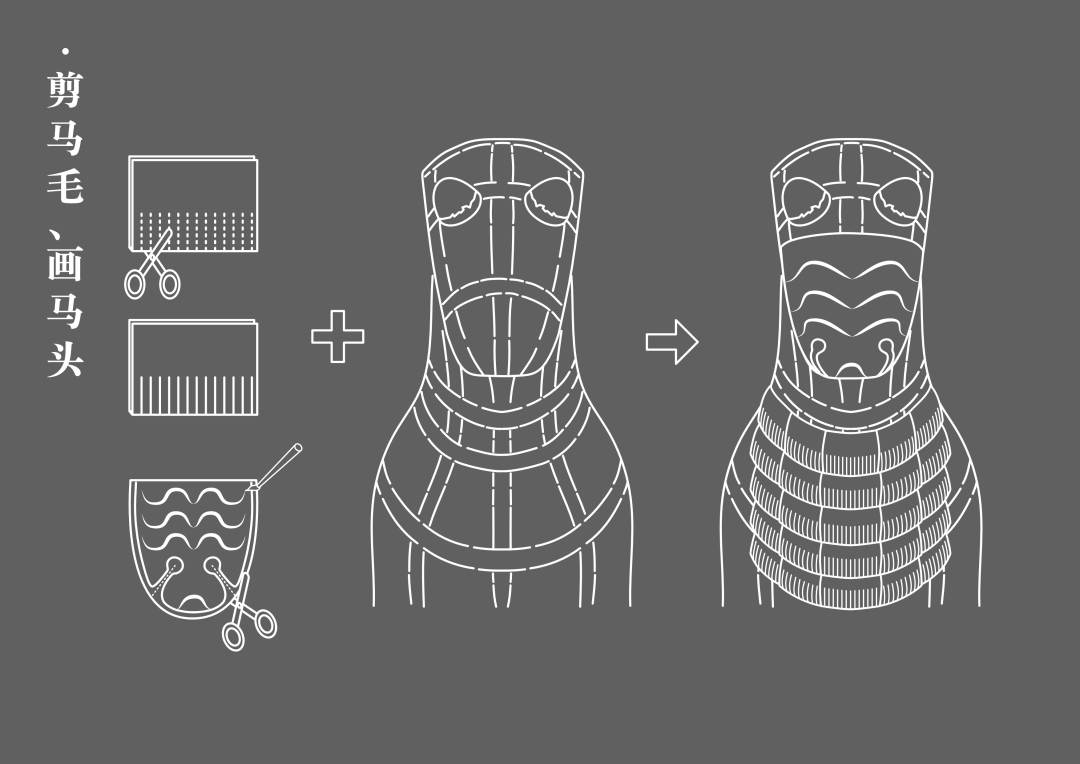
At this time, Ning Qiang went to the outer room, dipped a brush in ink, and drew a horse’s head on white paper. He took a semi-circular white paper, drew a line along the arc, drew three three-fold wavy lines in the middle, and then poked out two nostrils with an awl, drew two incisors on the top of the circle, and this is the upper half of the horse’s mouth. He used the same drawing method, but without poking the nostrils, and drew the lower half.
He cut out four triangles, which were used as the upper and lower eyelids of the horse’s two eyes, cut a concave arc in the center of the oblique side as the eye socket, drew a line along the oblique side, and outlined the upper and lower eyelids.
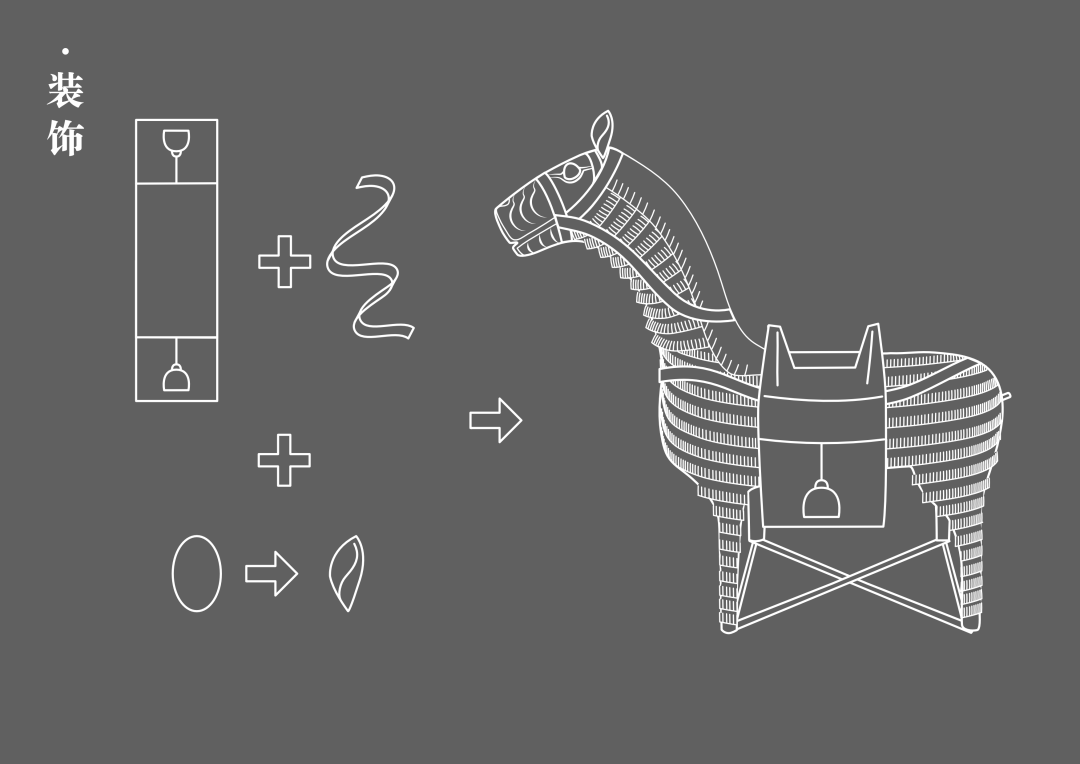
For the other two semicircles, he gathered them into paper rolls that are wide at the top and narrow at the bottom, and they will be inserted into the horse’s head as ears.
Ning Qiang’s lines are not necessarily straight, nor are they necessarily of the same thickness, and the ink is sometimes thick and sometimes light. But he emphasized that the horse should be drawn realistically. He picked up a pink notice issued by the town, cut it into small pieces, and pasted them into the horse’s ear holes and nostrils. He pointed to my ears: Look, aren’t our nostrils and ears red? I said yes. He hehe smiled and said that the horse is the same, so it should be pasted with some red paper to look like a real horse.
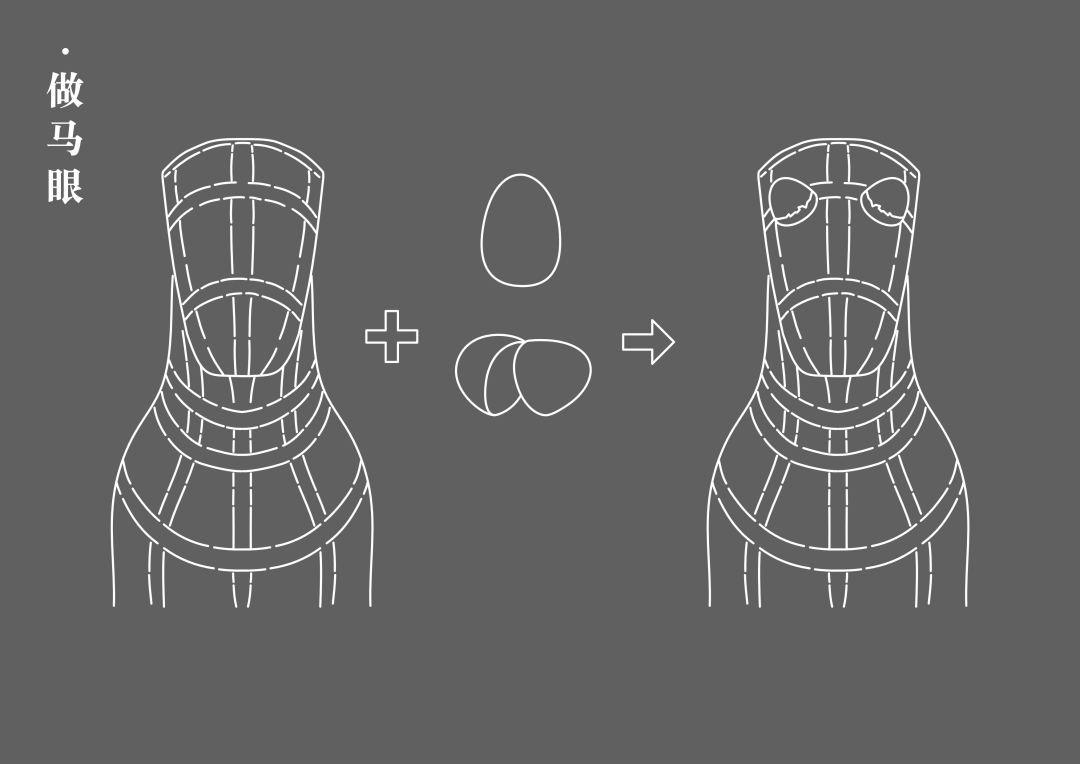
He used paste to paste the horse’s facial features one by one. When pasting to the horse’s upper and lower eyelids, he made the four huge triangles connect the oblique sides in pairs, and put them together to form two larger squares, covering the upper half of the horse’s face. The concave arcs cut on the oblique sides were aligned, forming oval eye sockets.
The horse’s eyes must be made with eggshells. There are more than a dozen eggshells in a plastic bag by the wall, which are usually saved after cooking. They split each eggshell in half early, cut the edges flat, and then pasted a layer of white paper on the opening end. Ning Qiang took out two eggshells, pasted the white paper side on the eye sockets, and drew circles and painted them black. The horse’s eyes are full of spirit.
Ning Qiang sometimes also makes sheep. He said that when painting the sheep’s eyes black, he should leave white space, while the horse’s eyes are all painted, and they must be distinguished. He also often makes cows. According to local customs, only horses are burned for the deceased men, and a cow must be added for the women, because women will wash clothes and have dirty water, and the cow can drink the dirty water.
He has also made countless other animals: hedgehogs, snakes… because of some fortune-telling sayings in the local area. Once, a woman asked them to make a 1.46-meter-tall little person wearing sportswear and sneakers, and the price was 600 yuan. Wei Yuan said, it’s not a matter of money, if you are in a hurry, only I can help you, then I am willing to help you. In order to match the right size shoes for the 1.46-meter-tall little person, she and Ning Qiang tried for a whole night. In the end, they only charged more than 200 yuan.
Ning Qiang has been making paper扎 for 20 years. It was first passed down to him by his grandfather, then his father, and after his father passed away, his mother made it, and after his mother passed away, he made it. He said that no one taught him, he learned it by watching since he was a child.
Wei Yuan said that there are also several other horse makers in this area, but there are too few who make them beautiful and standardized. She mentioned that in another town, someone only made them the size of a small pony, and no one usually wanted them, but now they are sold at the same price as the big horses, and they are still selling well. She shook her head and said that the person’s work “does not meet the standards”.
She also said that some other colleagues made the horses look like sheep, dogs, and rhinoceros. “Even if they are made small, the horse should be like a horse, not like a dog.”
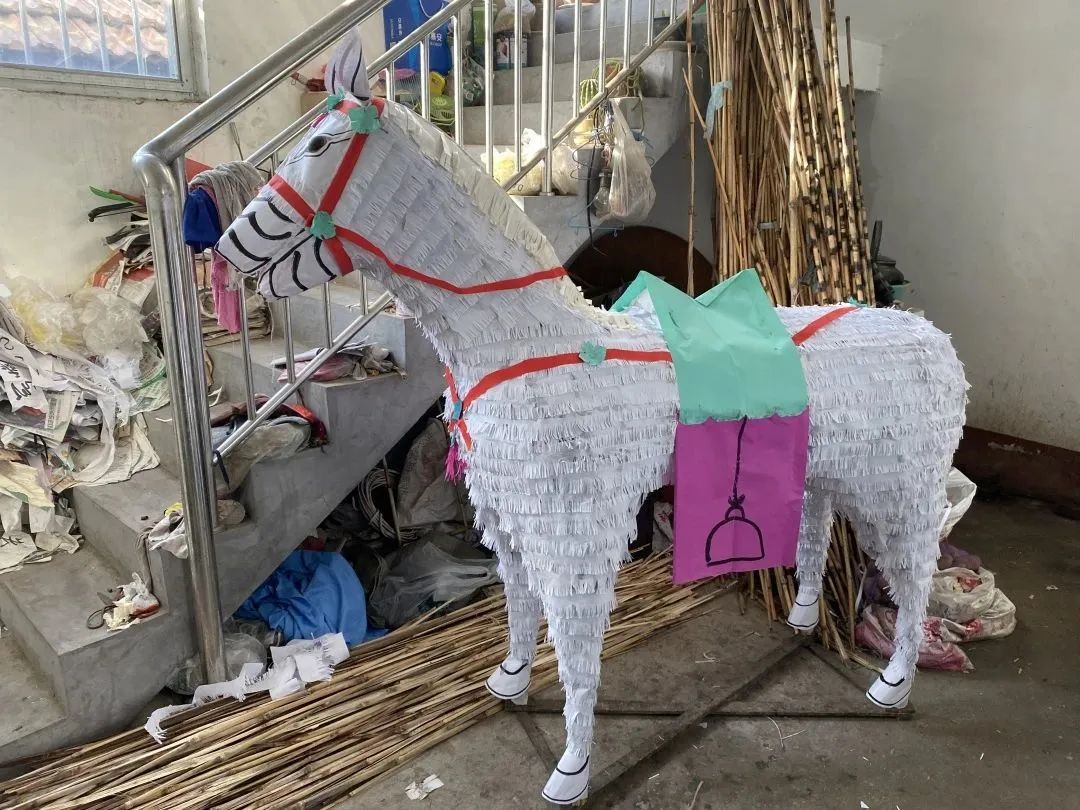
The semi-finished horse stood there, with its two ears pricking up, the pink inside facing the sky, and it looked a bit like a trumpet flower when inserted on the head. When viewed from a distance, the whole horse’s head looked a bit like Mickey Mouse. The horse was covered in newspapers, with colorful supermarket advertisements on its back, math papers on its belly, and notices from the town printed on the two saddles.
A funeral car driver from Laiwu was stopped by a person at the door of the crematorium one day. The person said, no matter how much money, please come home with me and pull the remains over. The person really couldn’t find a car. This driver, and two other drivers, all witnessed that during the week when people lined up all night, many remains were placed on the ground of the funeral home. Because the car couldn’t pull them over. The drivers could only pull one, put it on the ground, and then go back to pull the next one.
Some of the remains were only covered with bags, and some were also padded with stretchers, and each bag was accompanied by a family member. One driver said he saw at least 100 bodies, and another driver said it was 50 bodies. The one who said 100 bodies also remembered a little girl, who looked about eleven or twelve years old, carrying a schoolbag, standing beside her father’s remains. The team slowly moved towards the furnace, and she dragged the remains, moving forward little by little in the team.
The next afternoon, Ning Qiang and Wei Yuan pasted the hair on the horse together. The hair was cut by Wei Yuan in advance, cutting the white paper into long strips, and cutting fine and dense tassels on one side. They brushed the paste on the horse’s body and pasted the tassels one by one.
The horse gradually became alive. The dense white tassels covered the messy colors underneath. Occasionally, a gust of wind passed by, and the horse’s hair trembled slightly, and it even looked majestic from a distance. After pasting, Wei Yuan turned out a large cardboard box, which contained paper of various colors and shapes. She took out a string of light yellow tassels and pasted them as the horse’s mane; a long strip of red as the bridle; a rectangular piece of emerald green as the saddle; a rectangular piece of pink and purple as the stirrups; and some small emerald green flowers, which she folded herself, and pasted them on the horse’s ears, sides of the body, and tail as decorations.
Now, this paper horse does look like a real horse. White, tall, and fluffy. It no longer only reminds people of some ancient customs that will be eliminated sooner or later. It is indeed a kind of life. It is not numbers, policies, documents, slogans, cold language, it is eggs, flour, the daughter’s math papers, the constant labor of human hands, and the time of a day and a night.
I began to think that it was a pity to burn the horse, and asked Wei Yuan if she would think the same. She grinned: “Fortunately, people burn it, so we can make money.”
I asked her if she had seen the horse being burned with her own eyes. She said that she had seen a lot of it. Sometimes, when people are too busy, Ning Qiang also goes to help burn it.
04, Two funerals
Early on January 7, I went to Yangzhuang Town, 20 kilometers away, to attend a funeral. The deceased was a 95-year-old man. At 8 a.m., more than 20 people were already standing on the main road in front of the deceased’s house. A couplet was hung in the center of the road, and wreaths were placed on the side. Two sets of tables and benches were placed in front of the door, and someone was cooking for everyone.
An old man stood in front of the table, wrote two big characters “Yi Zhu” with a brush on a long piece of Xuan paper, and then wrote more than 30 names in a row, all of whom were villagers who came to help.
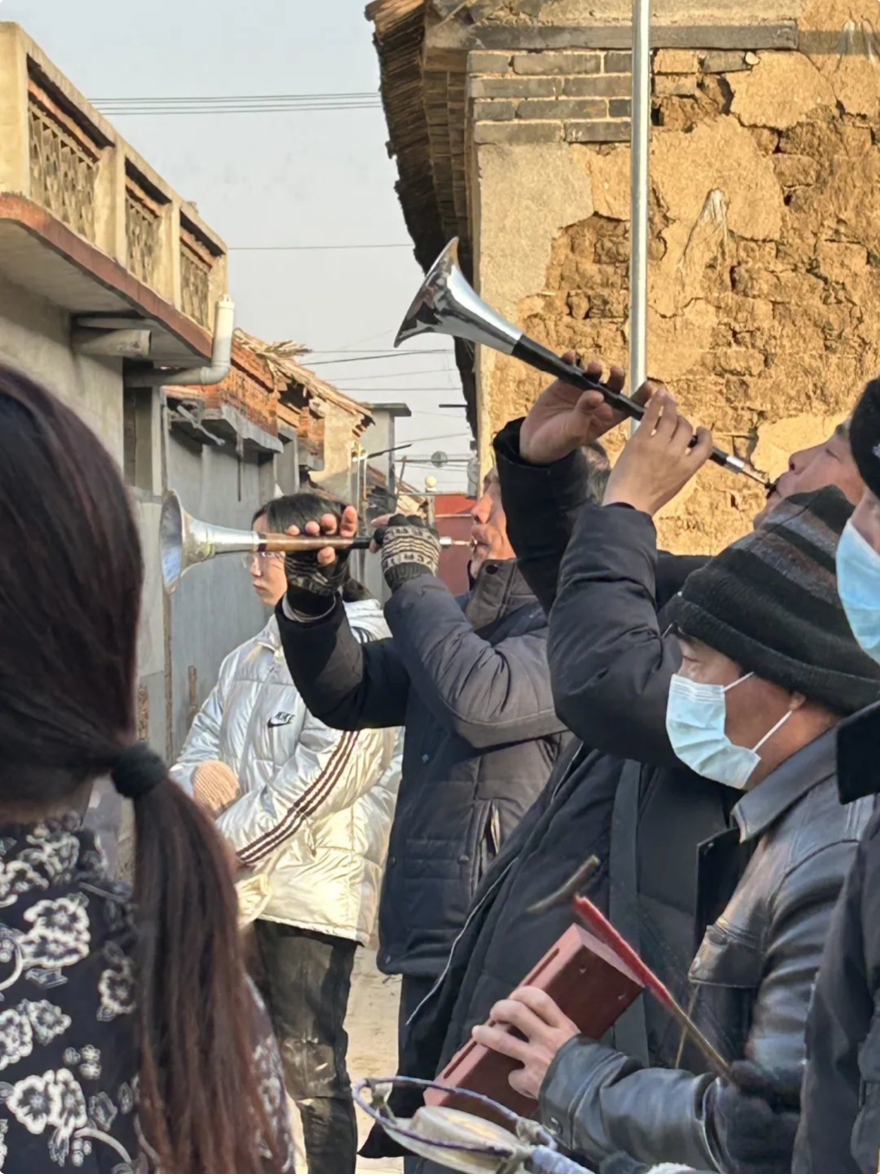
There was a band on the scene, with 6 people: a suona, an electronic organ, two cymbals, a clapper, and a cloud gong. They wore black jackets, and stood or sat in front of the door, waiting.
At 9 o’clock, a person came from afar to donate a wreath. The musicians quickly gathered at the door and played a dirge towards the door. More than a dozen white-clothed, white-hatted, and hemp-roped relatives of the deceased walked out in a line to the sound of the music. The first few people leaned on a wooden root wrapped in white cloth, bent over and walked forward (according to the custom, the close relatives of the deceased are “heavy filial piety”, and they cannot stand up straight when walking), and the people behind followed slowly. The team walked to the newly donated wreath, bowed down again and again, and then slowly got up and walked back to the house.
After that, a new guest would come every 10 minutes or so, and then the musicians would play, and people would line up to bow and go back, repeating this ritual more than ten times in the morning. Everyone ate at the door at noon. At 1 p.m., they continued to repeat this ritual.
In the afternoon, more and more people gathered. They were all old people, wearing colorful cotton jackets and woolen hats. Someone was recording the “human feelings” in front of the door. The old people would go and take a look when they arrived, and the table was always surrounded by a circle of people from morning to night. After reading, the old people dispersed, standing and sitting in twos and threes, mostly without speaking, as if they were sunbathing.
A woman in the band sang a section of Henan opera, and everyone applauded. The suona player performed “Hundred Birds Paying Homage to the Phoenix”, and there was applause again. The performance attracted young people passing by, and a couple with a child. They watched for a while and then left. Those who remained were still all old people.
Occasionally, in the intervals of the ceremony, the old people talked about death. One asked, who should die and who should not die? The other replied, people are too fragile, and it’s not okay to say no.
Three old people huddled together and discussed the cause of the deceased’s death. One said that he didn’t have the new crown, but his heart was not good. Another talked about the past few days, and so-and-so, so-and-so, and so-and-so she knew in the town had all passed away, and she didn’t know why, and some people hadn’t been to the hospital. They also chatted about the recent deaths they had heard. Finally, an old man said that the old man today “is blessed and didn’t suffer”.
I thought that before I came to Laiwu, at my home, even in festive occasions, such as my father’s birthday party, people also talked about death. A guest at the scene said that his father was in a coma in the hospital, and it took a long time to wait for a ventilator. My mother said that her grandfather was also lying in the hospital, conscious, but unable to speak. Grandpa waved his hand to remove the tube, but she couldn’t do it. She cried when she said this. She and the guest exchanged information about nasogastric feeding and tracheotomy aspiration. They showed each other photos of their fathers lying in the hospital.
The funeral lasted until 3:30 p.m. In one day, the rituals of playing music, lining up to bow, and returning to the house were repeated no less than 30 times. By the 10th time, I felt that the proposal of “simplifying funerals” was not unreasonable. But by the 20th time, I felt that this cumbersome process had its meaning. In many places, when a person dies, they are dead, but at least here, a person’s death can be taken seriously. People gather together for it and repeat the actions over and over again.
In addition to the sound of music, the ceremony was always silent. But at 2 p.m., people had to walk in a line for several hundred meters in the music and burn a paper sedan chair on the road. On that road, people cried for the first time. That line was the longest, and all the relatives of the deceased joined in. The cries of more than 30 people echoed on the rural road, as if death was completely, clearly, and unreservedly spread out under the sun. All the musicians followed the team closely, the sharp suona never stopped, the gong sounded heavily, and it sounded from time to time, until the fire of the sedan chair burned out, and people turned around and walked back to the house again.
The suona player is the most hardworking one in the band, and his volume is also the loudest. His cheeks bulged very high again and again, and it could be seen that he used a lot of strength. During the intervals, he said that there was too much work recently, and he couldn’t find anyone to form a band, and he was so anxious that he broke two mobile phones. Originally, a funeral should be equipped with 3 suonas, and playing together would sound magnificent. Today, there is only one of him, and he lamented that the effect was not good.
The day before, 7 people came to him, and he could only accept 1, give 4 to his colleagues, and the other two could only be rejected. Those two could only play the sound system in the end.
The next day, I attended such a funeral in Kou Town. At 9 a.m., someone turned on the sound system, and the dirge was played, which was a recording of the band playing at the funeral before. The men in the courtyard knelt silently, and the women in the inner room surrounded the coffin, crying bitterly, and their expressions were sad every time they looked up, and they patted the coffin and the ground with their cries.
The music suddenly stopped, as if the sound system was broken, and it made a “didi” sound.
The sound system suddenly vibrated and emitted a mechanical female voice broadcast: “U disk mode”. It was somehow good again, and it continued to play.
05, Burning horses
That afternoon, I witnessed the burning of the horse at another ceremony. This ceremony was only for burning horses, and it was called “showing the way”. A man in black clothes carried the horse and walked in front, followed by a line of more than 30 people. People were dressed in mourning clothes like the team at the funeral, and the first few people leaned on wooden sticks and bent over and walked forward.
The team walked more than 300 meters and stopped. The man put the horse’s head facing west, put it on the ground, and also put a pile of colorful paper people and a stack of yellow paper next to it. He lit the yellow paper with a lighter, and two people used a shovel to shovel the burning yellow paper and lead it to the horse.
The horse caught fire. In an instant, the legs broke first, and it knelt down, and the two people used a shovel to press the horse’s back down.
The horse melted into the fire and disappeared in a second. People bowed down and cried, and after 1 minute, they slowly stood up and walked back, leaving four men to shovel the yellow paper and accelerate the burning. Dark gray smoke rose from the ground.
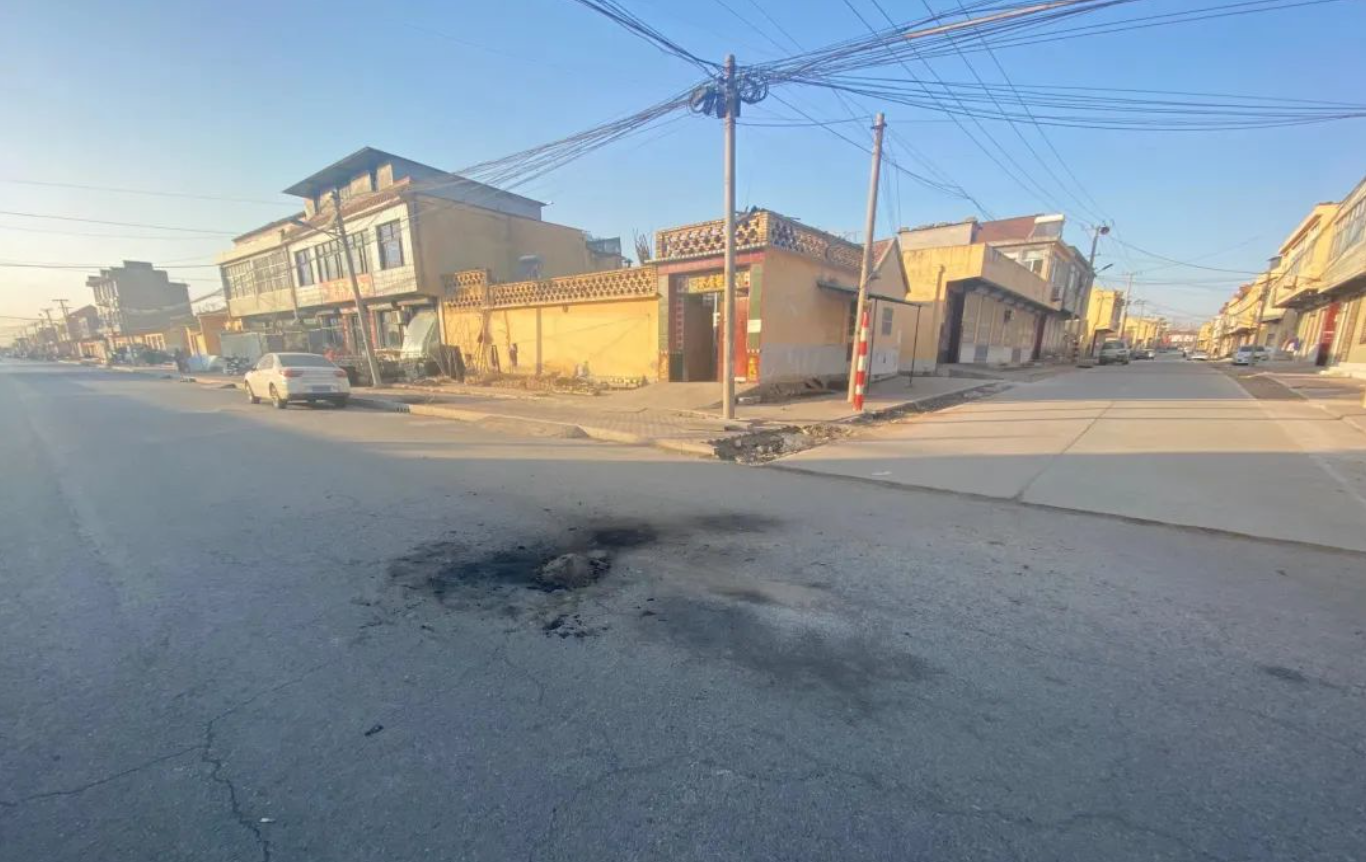
The fire went out. A man shoveled a handful of soil from the road and buried the ashes.
The men left. A small mound suddenly appeared on the ground, like a tiny tomb.
Ning Qiang and Wei Yuan in the text are pseudonyms
Thanks to Ali and Han Longyu for their help with this article
文中宁强、魏媛为化名
感谢阿离、韩隆钰对本文的帮助
Discover more from 自由档案馆
Subscribe to get the latest posts sent to your email.