It’s been nearly two weeks since the lockdown ended, and now the epidemic is recurring. More and more people around us are infected with Omicron, and cold medicine, masks, and antigen detection kits are once again out of stock – we sigh as if we’ve returned to the winter three years ago when the virus first broke out. Friends infected with the virus are being tormented by high fever and body aches, and many frail elderly people are even facing life-threatening situations due to infection, so some friends感慨, the strict lockdown measures of the past were really “well-intentioned”, and some of the opposition to the lockdown was “inevitably impulsive”.
Two weeks ago, we did oppose the lockdown. What exactly did we oppose?
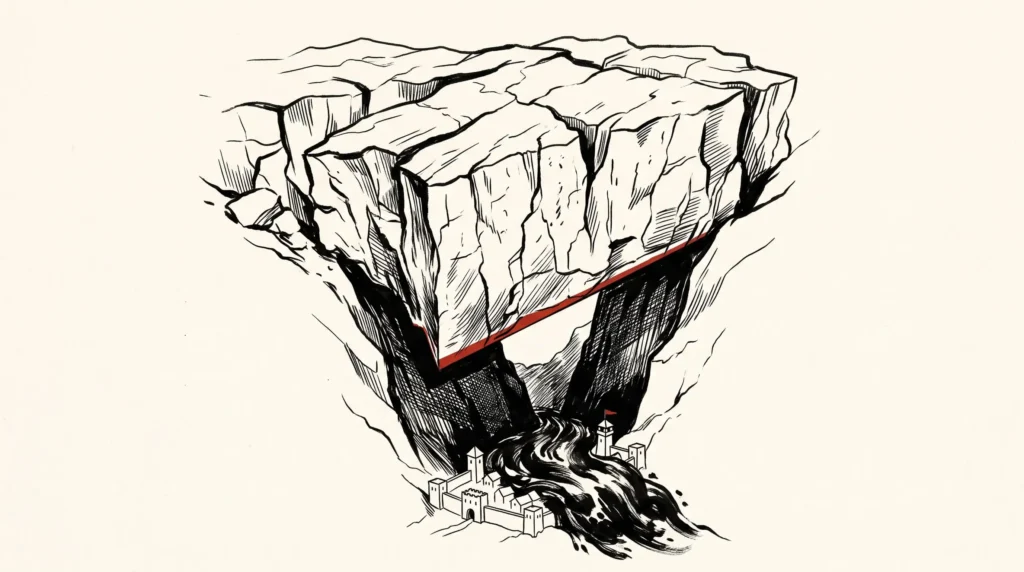
In fact, no one has ever opposed reasonable lockdowns as an effective epidemic prevention measure. What people oppose is the “one-size-fits-all” use of lockdown measures, which has caused more serious harm to people’s lives, health, and dignity than the epidemic itself.
In the three years of the spread and development of the COVID-19 epidemic, people in various places have consistently cooperated with epidemic prevention and lockdown policies; in this process, even if there have been unfair punishments for doctors like Li Wenliang, and shocking handling of anti-epidemic materials by the Red Cross, the opposition voices could not become mainstream because the overall epidemic was under control.
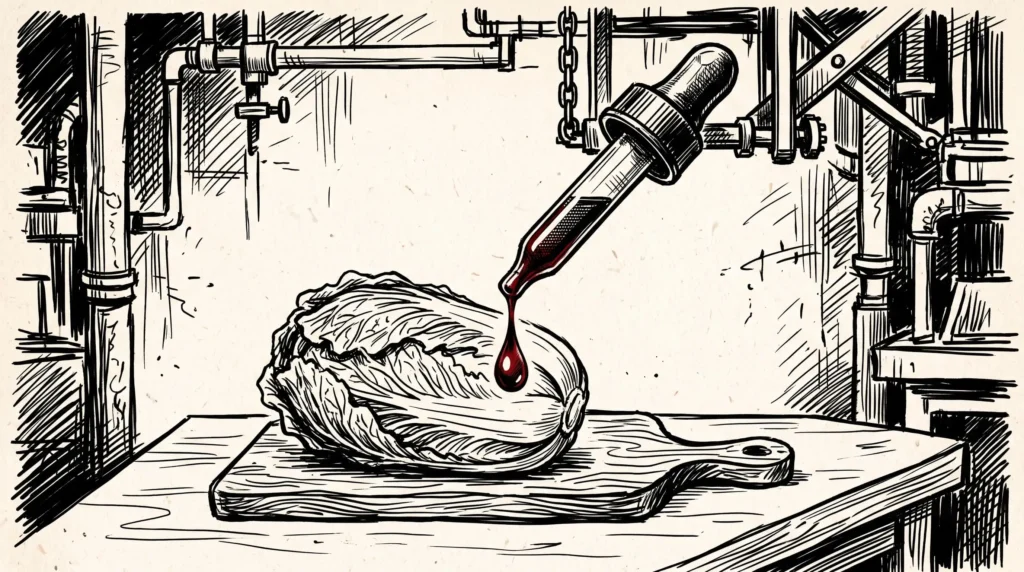
Time came to 2022. Shanghai, an important economic city, ushered in a three-month citywide lockdown. At first, there were no obvious voices of opposition. But soon, the elderly, children, and even doctors themselves who were critically ill were blocked outside the hospital because of “untested nucleic acid”, waiting helplessly for death to come; residents and workers locked down at home could not receive enough food, and were even locked in their rooms with a crude iron chain; on the one hand, fresh food was inexplicably discarded, and on the other hand, spoiled meat full of lymph nodes was delivered to their homes – the corresponding supply guarantee enterprises were even expanding their branches and planning to go public… People were no longer afraid of the virus, but of the Fangcang isolation they had to face after being infected with the virus: Fangcang, where they didn’t know where it was, Fangcang, where they didn’t know the conditions, Fangcang, where they didn’t know if there were any death messages.
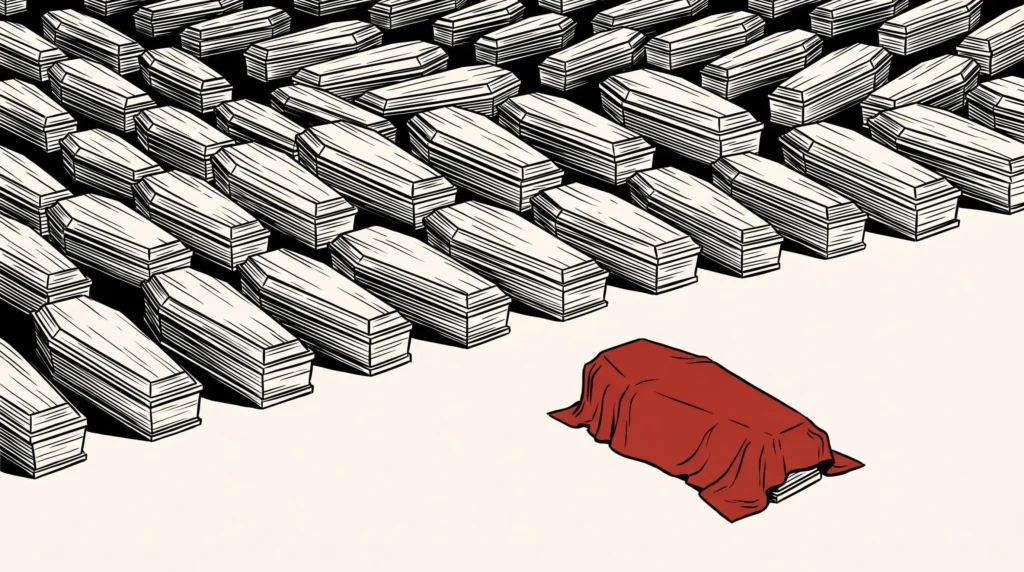
The voices of opposition had already been issued, but they had not yet spread across the country. We soon found that the various farces in Shanghai were not isolated cases across the country, and many cities were just difficult to get on the headlines in media information. But those most painful events still broke into our vision: the train in Inner Mongolia filled with transferred students, the transfer bus in Guizhou rolling down the cliff late at night, and the Foxconn employees in Zhengzhou leaving on foot. And the fire in Urumqi that night.
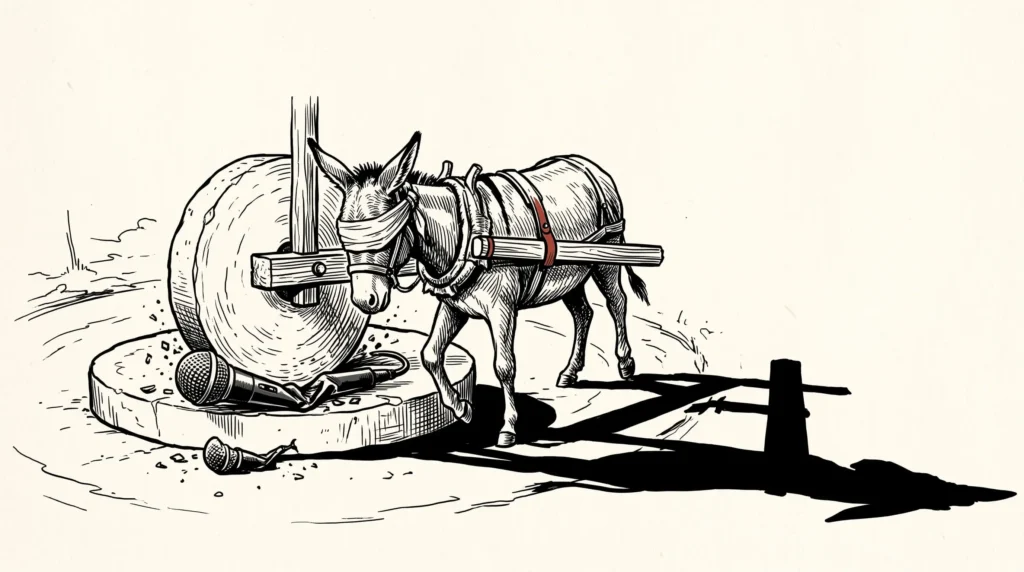
Originally, it was just the loss of freedom. For three years, we have been losing freedom intermittently. For many people, in the face of life and health, freedom can sometimes be compromised; so for three years, the voices of opposition to the lockdown have never reached the level of two weeks ago. But when people give up their freedom and seriously accept all arrangements, their lives and health may still be taken away at any time – not only in the news across the country, but also in their own real life experiences. Then the suppressed anger will erupt overnight, surging from people’s hearts onto the streets.
Therefore, no one has simply opposed “lockdown”, and no one has pursued a “freedom” that is only a slogan. What people demand is to minimize the interference of viruses and non-viruses in their daily lives. This itself is a right that should be protected.
Therefore, the problem has never been “lockdown” and “no lockdown”, but the effects of these two measures. The so-called effect is whether the people’s lives and rights are guaranteed.
In the era of “lockdown”, the urgent medical needs of patients with serious illnesses should be considered; in the era of “no lockdown”, how to protect the needs of this part of patients when medical resources are limited should also be considered. In the era of “lockdown”, nurses should not lose their lives because they are denied treatment due to nucleic acid problems; in the era of “no lockdown”, young doctors under 23 years old should not work with illness and die at their posts. In the era of “lockdown”, workers without enough daily necessities should not be brutally locked in their homes with iron chains; in the era of “no lockdown”, employees should not be required to “not do nucleic acid tests privately” and “bear the losses of the enterprise’s work stoppage and production stoppage”. Regardless of the era, an active and responsible government should always put the lives and rights of the people first.
The Internet can quickly lose its memory, but we cannot. Because we are carrying heavy burdens, we need to pass through all kinds of mists to protect ourselves, our families, our friends, and all the people we care about. And our own warm hearts.
Discover more from 自由档案馆
Subscribe to get the latest posts sent to your email.