Those that weren’t sold last year were taken back this year.
It is said that Li Ka-shing has a keen investment eye and a sharp political sense, and this is indeed true, otherwise he wouldn’t have become the richest man in Asia.
But no matter how brilliant the vision, no matter how keen the sense, it is vulnerable in the face of real political power.
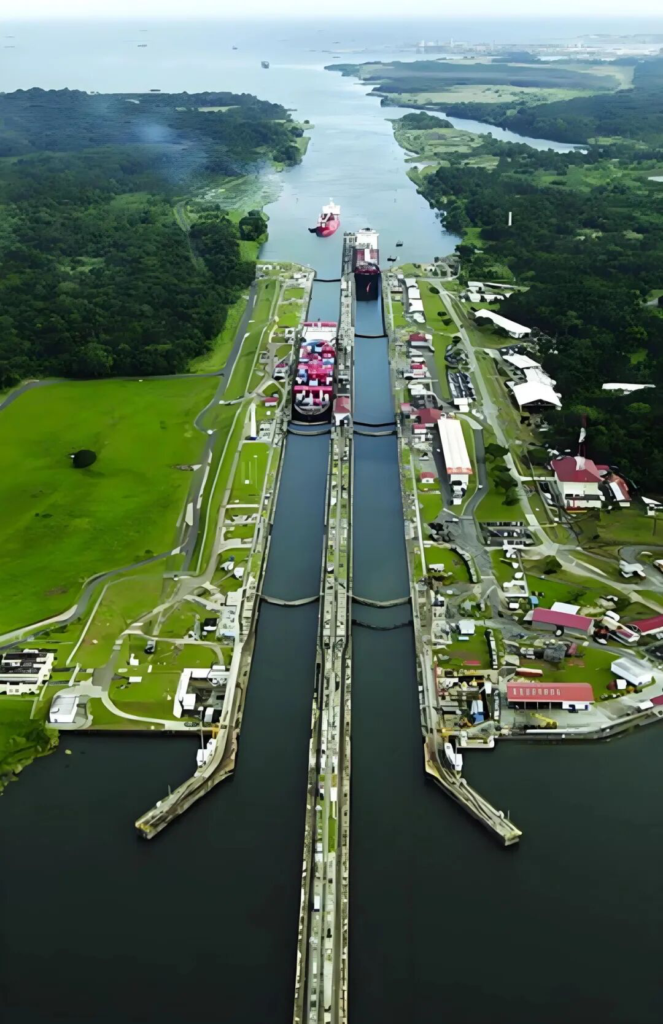
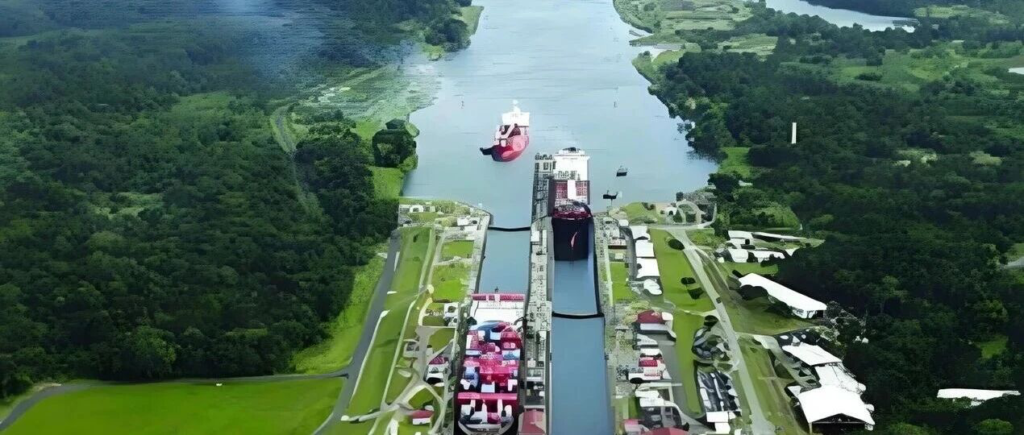
In January 2025, the Panama Comptroller General’s Office began auditing the port company under the Hutchison Whampoa Group, and then the Attorney General said that the company’s contract to obtain the concession rights for two Panamanian ports was “unconstitutional”.
Of course, whether it is illegal or not is up to the court to decide, and whether it is unconstitutional or not is up to the Supreme Court to decide. The statements of the Panama Comptroller General and the Attorney General are a dangerous signal, but they are not a verdict on these two ports.
At this time, there was still a chance to save it.
Li Ka-shing was also very decisive and quickly made the decision to retreat, finding buyers for the two Panamanian ports. If he couldn’t handle the Panamanian government’s relationship, he would sell the ports to those who could handle it, and he would be safe, even if the price was a little lower, it would be better than nothing. The classic plot of “landlord selling urgently abroad” is also a business strategy of stopping losses in time.
Moreover, Li Ka-shing not only planned to sell the operating rights of the two Panamanian ports, but also planned to sell the operating rights of 43 ports around the world in one go, and no longer do port business. So many ports, worth billions of dollars, no company can swallow it all at once, so Li Ka-shing asked the American BlackRock Group to take the lead in integrating investors from all over the world to take over.
Great courage, and a big deal.
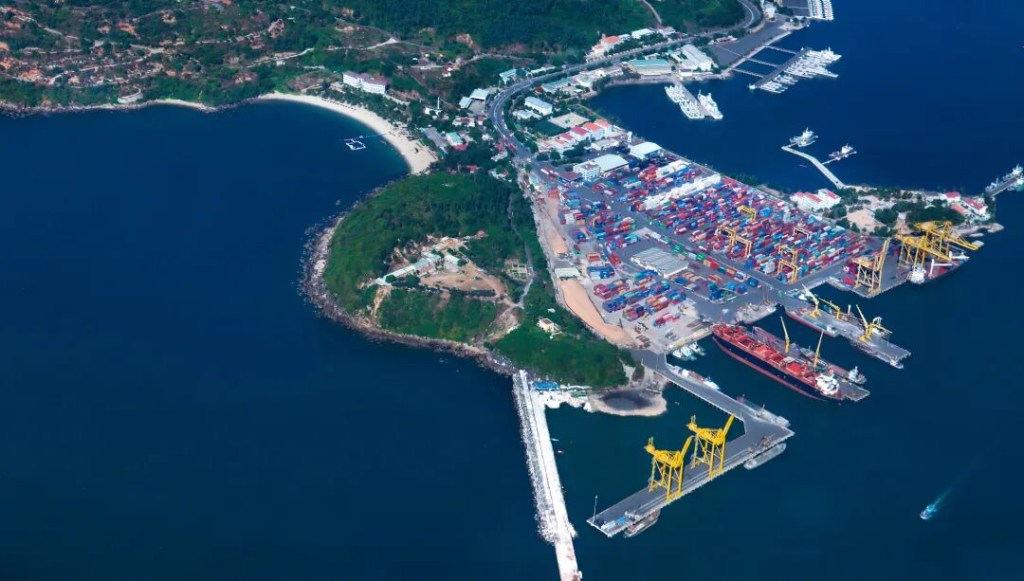
So, why did Li Ka-shing decide not to do the port business, which was a good source of wealth? Because the ducks know the spring water first, the port business is the barometer of the global trade economy. When global trade is increasingly affected by geopolitical factors, when the port operating rights are becoming more and more like politics, the alarm in the top businessman’s head starts to ring frantically:
Get out quickly, it’s too late if you don’t get out.
So, in March 2025, Hutchison Whampoa Group, under Li Ka-shing, announced that it had reached an agreement with a consortium led by BlackRock Capital to sign an agreement as soon as possible to sell the operating rights of 43 ports.
At this time, there was still a chance to save it.
After the news was released, not only the international shipping market was greatly shocked, but also the international political field was turbulent. On March 28, 2025, the State Administration for Market Regulation of China issued an announcement stating that it would review the port transaction of Hutchison Whampoa Company in accordance with the law.
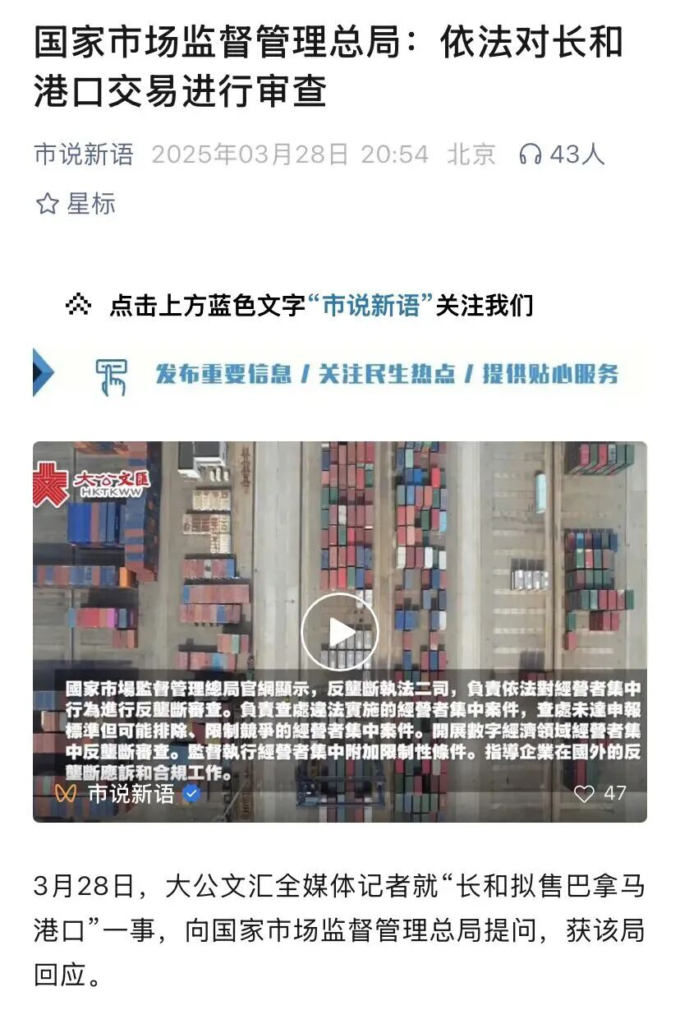
Although it is a Hong Kong-listed company selling assets in Panama and other countries to American and European consortia, Hong Kong SAR is Chinese territory, so the mainland market regulatory authorities of China have the right to conduct a review of the transaction. This is the logic at the political level, and it seems naive to judge it with right or wrong.
In fact, at this point, there was still a chance to save it.
Hutchison Whampoa Group then invited some Chinese-funded institutions to join the consortium to purchase the ports, and tried to split the 43 ports for sale. This was Li Ka-shing’s decision to recognize the reality under pressure and seek a way out by making timely compromises.
However, it is obvious that some institutions did not want to spend so much money to buy a few ports with “sinking risks”, or wanted to buy but could not raise enough cash to take over, or maybe they hoped that the patriotic businessman would take the initiative to offer the ports… In short, there was no new progress in the transaction until the end of 2025.
At this point, Hutchison Whampoa’s two ports in Panama were basically beyond saving.
The Panamanian prosecutor’s accusation that Hutchison Whampoa’s port operating rights contract was suspected of violating the constitution had already been brought to the Supreme Court of Panama. Once the judgment was made, there was no room for maneuver.
On January 29, 2026, the Supreme Court of Panama announced its judgment, ruling that the contract of Hong Kong’s Hutchison Whampoa Limited to operate two ports near the Panama Canal violated the country’s constitution, and ruled the contract invalid, and would recover the port operating rights without compensation.
At this point, these two ports were really gone.
Readers with a little common sense know that the ruling of the Supreme Court has the highest validity in any normal country, and it is almost impossible to change it. Unless the SAR government also learns from the United States and sends special forces to rush into Panama and arrest the president and the judges of the Supreme Court…
Li Ka-shing is indeed politically sensitive, and his business decisions are indeed decisive, but so what?
In the view of some, these two key ports in Panama would rather be smashed, rotten, and lost, than be sold to an American company.
So it really fell into Li Ka-shing’s hands.
Guess who is the happiest?