

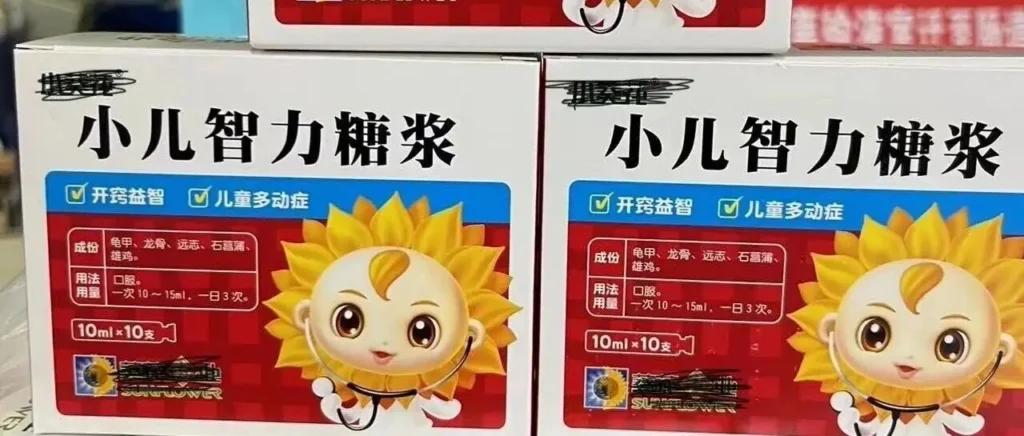
The 500 billion yuan market for Chinese patent medicines will not shrink annually.
Many people forwarded me an article from 21st Century Business Herald today: A large number of Chinese patent medicines will withdraw from the market, and they were quite excited. I understand everyone's feelings; everyone hopes that the pharmaceutical market will become more standardized and truly protect the health of us and our families.
But think about it, if there were such a good thing, the basic common sense of those who have long been following the topic of traditional Chinese medicine would definitely report the good news first.
Unfortunately, everyone was too happy this time.
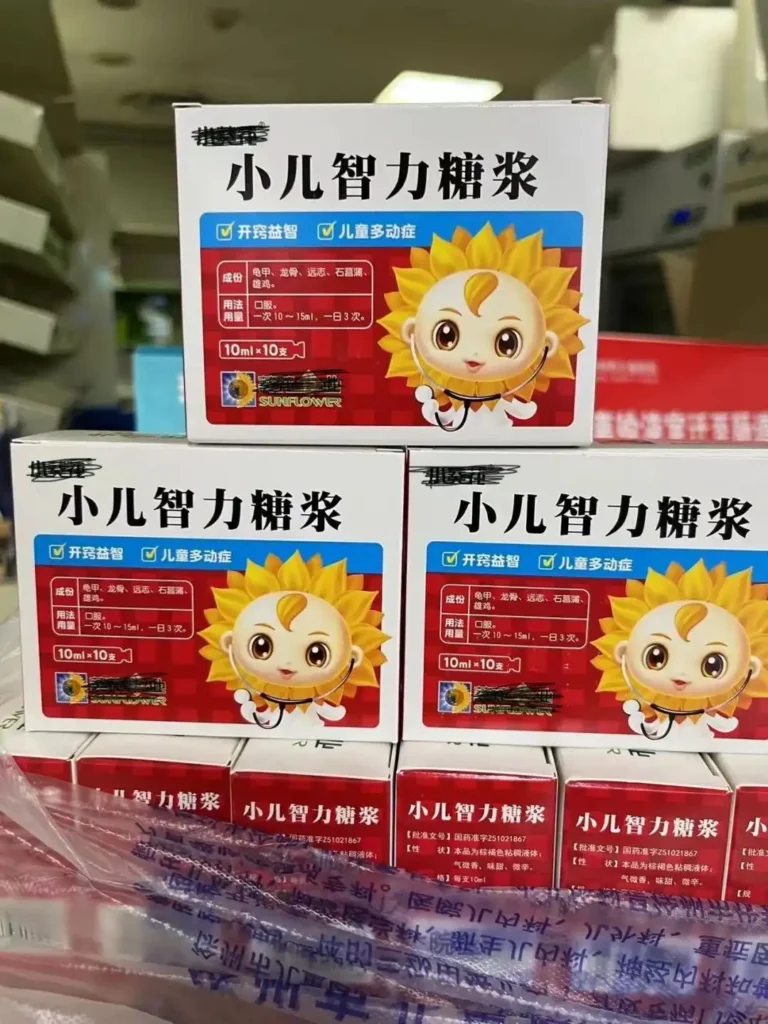
It's an industrial policy, not a health policy
The media's reports are not wrong at the factual level. The state does have a policy targeting Chinese patent medicines that will take effect from July 2026. This policy will indeed cause tens of thousands of Chinese patent medicine approvals to become invalid in the coming years.
However, the impact of this policy is not what everyone thinks. Its original intention and the actual effect are the structural adjustment of the Chinese patent medicine industry, rather than evaluating Chinese patent medicines from a medical and health perspective, let alone deliberately suppressing Chinese patent medicines.
In the next few years, the Chinese patent medicines people see in hospitals and pharmacies will not significantly decrease, and the Chinese patent medicines that Chinese people eat and inject into their blood vessels will not significantly decrease either.
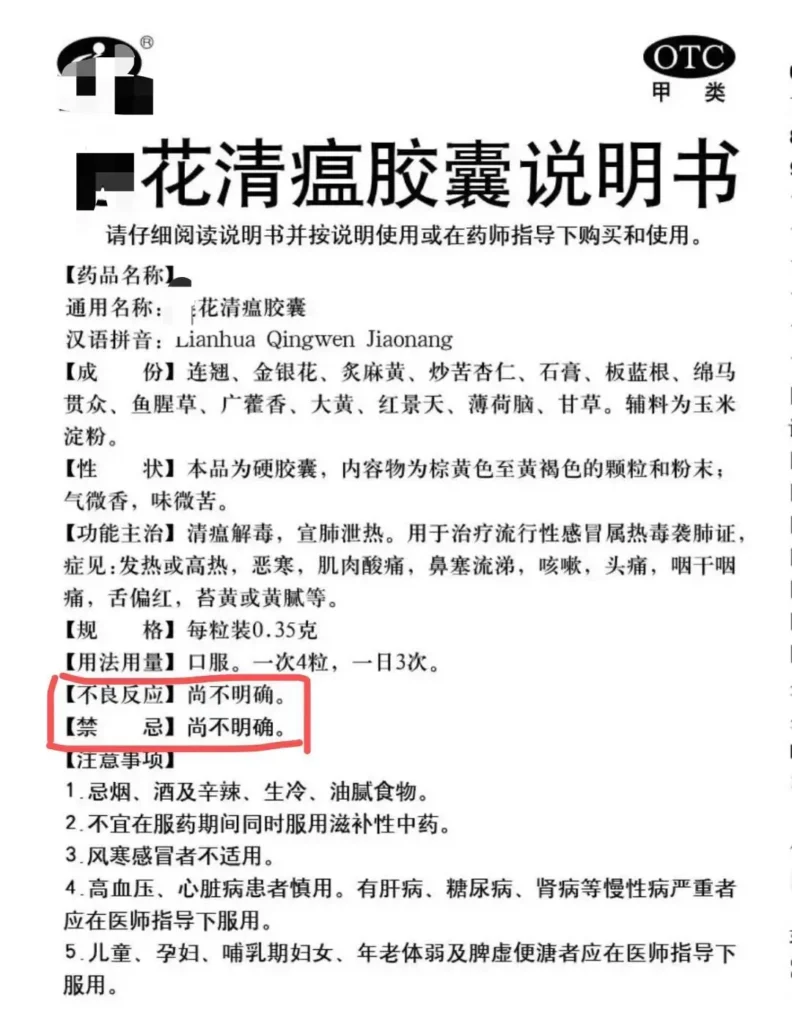
The reason is that the new policy requires that the instructions for Chinese patent medicines must indicate 【Contraindications】【Adverse Reactions】and【Precautions】, which means that toxicological research and real-world research need to be carried out. This requires a cost of tens of millions for each approval document, which is equivalent to setting a fairly high industrial access threshold. This will indeed eliminate a batch of Chinese patent medicines from small manufacturers with low sales.
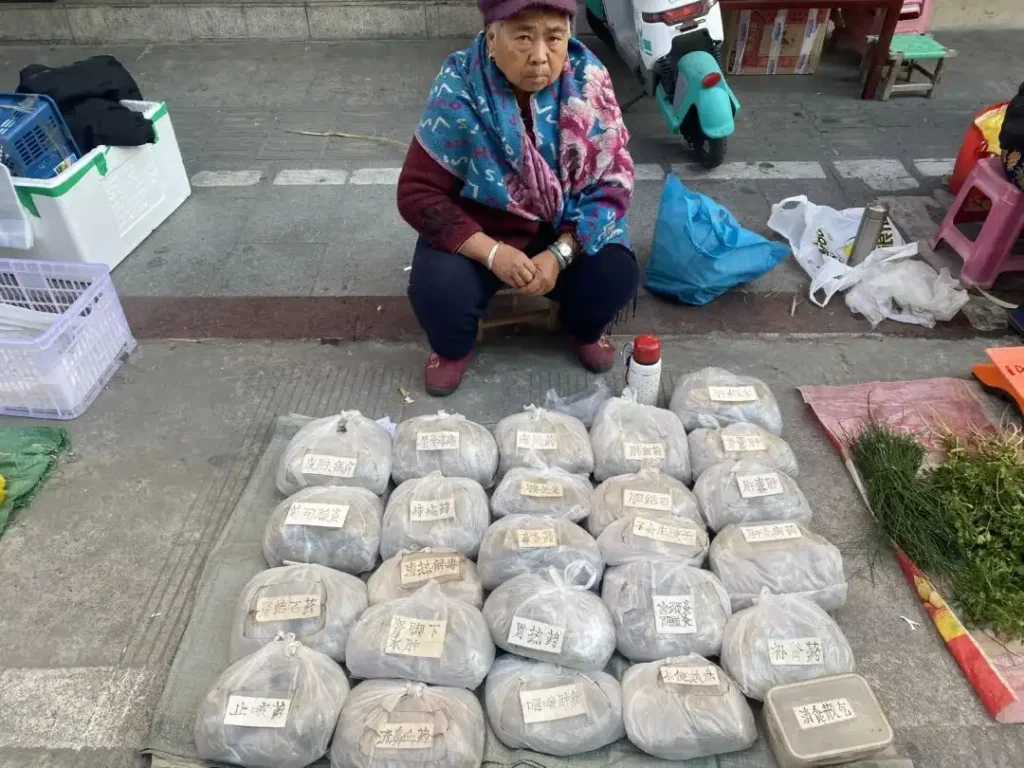
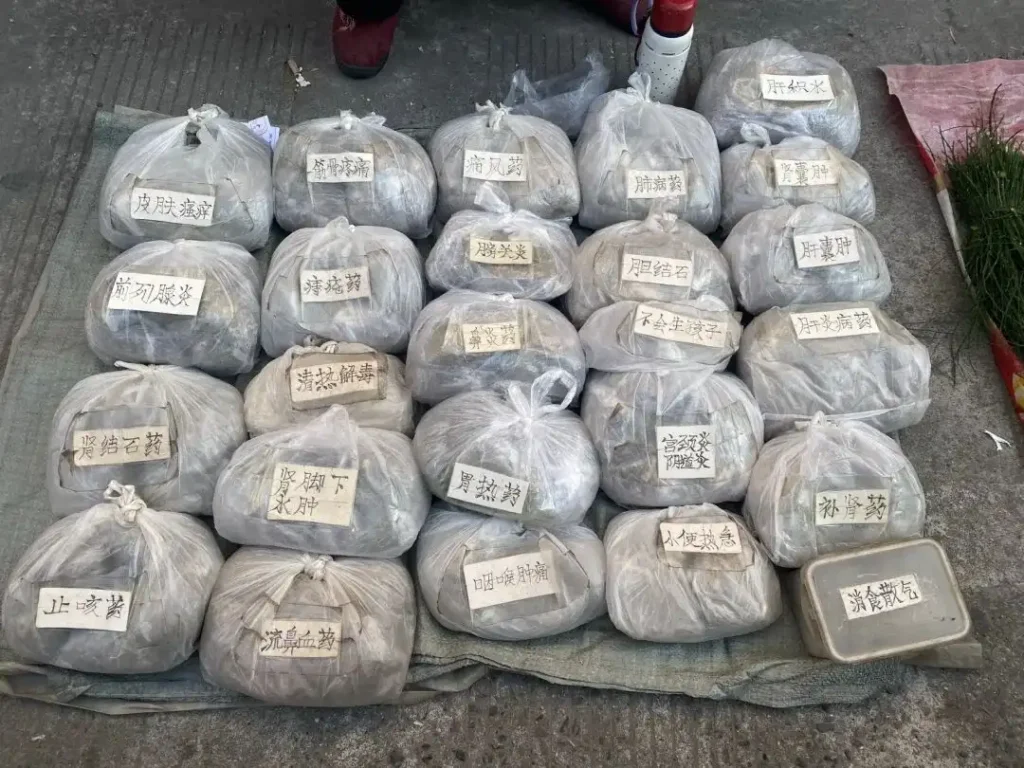
Xiang Dongliang, January 27, 2026, photographed in Yunnan
However, the new policy does not require Chinese patent medicines to conduct clinical trials to prove their efficacy, nor will it eliminate a drug because it is found to have adverse reactions. As long as the enterprise is willing to invest tens of millions to complete the information in the instructions for Chinese patent medicines, it can continue to sell.
The current Chinese patent medicine market has 57,000 valid approval documents, corresponding to about 9,000 Chinese medicine varieties, with an average of 6 approval documents for each Chinese medicine. In fact, in clinical applications, there are still a large number of overlapping indications for Chinese patent medicines, which can be substituted for each other. For example, so-called antiviral Chinese patent medicines and heat-clearing and detoxifying Chinese patent medicines have dozens or hundreds of approval documents. As long as one of these approval documents is willing to invest tens of millions to conduct toxicology-related research, it can keep the approval document and firmly occupy this ecological niche.
Therefore, the number of Chinese patent medicine approval documents will decrease in the next few years, but the ecological niches occupied by various categories of Chinese patent medicines will not be vacated.
The annual market size of 500 billion yuan for Chinese patent medicines in China will not decrease significantly.
Moreover, it is more likely that, according to the development rules of other industries, after eliminating the small, scattered, and chaotic enterprises and products from the market, the remaining large and medium-sized enterprises will gain more market share. These large enterprises usually have stronger marketing capabilities, and the unit price of their products is also higher, so the overall market size of the industry will usually become larger as a result.
It is also possible for 500 billion to become 800 billion or one trillion.
The real good news has not yet arrived
To promote the high-quality development of China's pharmaceutical market and truly safeguard the physical health of the people, the most urgent thing to do is the following three things to rectify and clarify:
First, any drug should be allowed to be marketed only after its efficacy has been proven through clinical trials, regardless of the region.
The biggest problem with Chinese patent medicines is that their efficacy is proven by ancient classics or is "self-evident." Currently in China, chemical drugs and Chinese patent medicines correspond to different approval numbers. Chemical drugs start with H, and Chinese patent medicines start with Z.
Chemical drugs and Chinese patent medicines not only have different numbers, but also have different listing approval processes and standards.
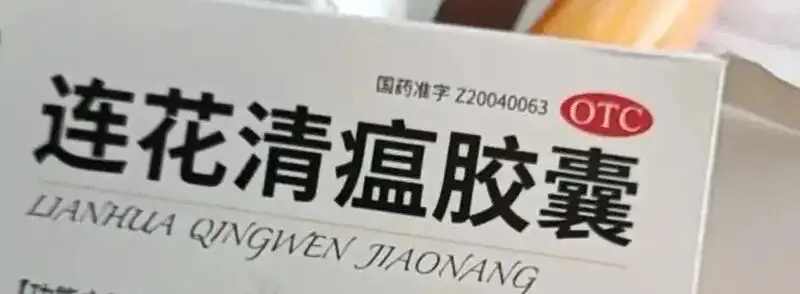
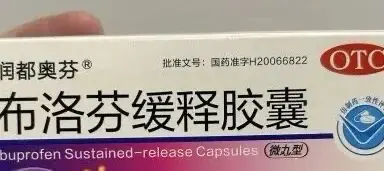
Each chemical drug needs to undergo clinical trials to determine that it is effective and that the toxic side effects are within an acceptable range before it can be approved for marketing. Many people say that Western medicine also has toxic side effects, which is true, but the toxic side effects of Western medicine are told to you through a long instruction manual before you take the medicine, and the benefits of treating the disease are higher than the risks of toxic side effects.
The basis for the efficacy of Chinese patent medicines relies more on ancient classics, classic prescriptions certification, and "TCM believes it is effective" after some people study it behind closed doors for 15 days.
In the spirit of being responsible for the safety and physical health of the people, this is inappropriate and unfair.
After all, whether it is Western medicine or Chinese patent medicine, the patients faced are all people, and the diseases of the patients are also the same, so there is no reason for the approval and listing standards to be different.
Second, for a certain disease, doctors are not allowed to prescribe Chinese patent medicines and chemical drugs at the same time, and no drugs are allowed to be used as substitutes.
To take a step back, even if Chinese patent medicines are not required to conduct clinical trials, and their efficacy is assumed by default, at least the problem of patients taking drugs repeatedly should be solved.
The current reality of China's medical industry is that for a certain disease of a patient, doctors usually prescribe a Western medicine and one or more Chinese patent medicines at the same time, which is called integrated Chinese and Western medicine treatment.
However, from the perspective of cultural confidence, since the state believes in and recognizes the efficacy of Chinese patent medicines, it should allow Chinese patent medicines to take the lead. For a certain disease, if Chinese patent medicines are prescribed, Western medicine should not be prescribed repeatedly, and if Western medicine is prescribed, Chinese patent medicines should not be prescribed repeatedly.
There is no need to say "Western medicine treats the symptoms, Chinese medicine treats the root cause." In reality, many Chinese patent medicines claim to be able to "treat both the symptoms and the root cause" and do not need Western medicine to cooperate.
It can be foreseen that if the principle of "only one type of medicine for one disease" is implemented in major hospitals across the country, the traditional Chinese medicine industry and Chinese traditional medicine culture will definitely achieve better development.
Third, separate the medical insurance funds for Chinese medicine and Western medicine, and let people choose the proportion of payment according to their own needs.
Taking another hundred steps back, even if the state must allow Western medicine and Chinese patent medicines to appear on the same prescription, at least they should be handled separately when reimbursing medical insurance, and they should be paid separately when paying medical insurance premiums.
Maintain the existing medical insurance payment standards unchanged, divide the medical insurance fund into two pools. Those who prefer Western medicine can put more money into the Western medicine medical insurance fund, and those who prefer Chinese medicine can put more money into the Chinese medicine medical insurance fund, and even 100% of the premiums can be paid into the Chinese medicine medical insurance pool.
Considering that the Chinese medicine community has always claimed that Chinese medicine is cheap and efficient in treating diseases, as long as the medical insurance fund for Chinese medicine is separated, I believe that more people will choose to pay their medical insurance into the Chinese medicine pool, so that the medical insurance fund can be used more efficiently, and the payment pressure can also be much smaller.
It is definitely a great thing that benefits the country and the people.
Looking forward to the above three points becoming pharmaceutical policies and being implemented as soon as possible, so that it will be the blessing of the people and the fortune of the country.