

If we consider the reform of the property system for rural residents, including housing, from the perspective of "assetizing all state-owned resources as much as possible, securitizing all state-owned assets as much as possible, and leveraging all state-owned funds as much as possible," then many ideas for solving the predicament can be greatly expanded.
By Ren Dagang
"Chinese people will not become lazy just because they are given some benefits."
For the past year, Professor Li Daokui, an economist, has been emphasizing this point. Recently, at a forum held by Caijing magazine, Professor Li reiterated:
The fiscal approach must be changed, (we must) reduce taxes and provide free services, and what needs to be subsidized is consumption. Chinese people are very, very, very hardworking and will not be made lazy by these benefits. Constantly worrying about how to prevent the people from becoming lazy is unnecessary. We cannot be like Europe and Latin America. Chinese people are very smart and hardworking. They will not become lazy with these benefits.
Professor Li's remarks on improving welfare have three layers of meaning:
First, this is one of the ways to boost the vitality of China's economy.
In the past two or three years, people from all levels have been trying to stimulate consumption. Some people feel that the welfare safety net is insufficient, leading residents to be afraid to consume; others feel that raising the pension benefits for rural residents can immediately convert their pensions into immediate consumption, reducing the burden of supporting their children, and allowing them to consume boldly. Professor Li believes that this move can boost domestic demand, increase sales and tax revenue for enterprises, and create a "win-win" effect.
Second, it is to narrow the gap in pension benefits between urban and rural residents.
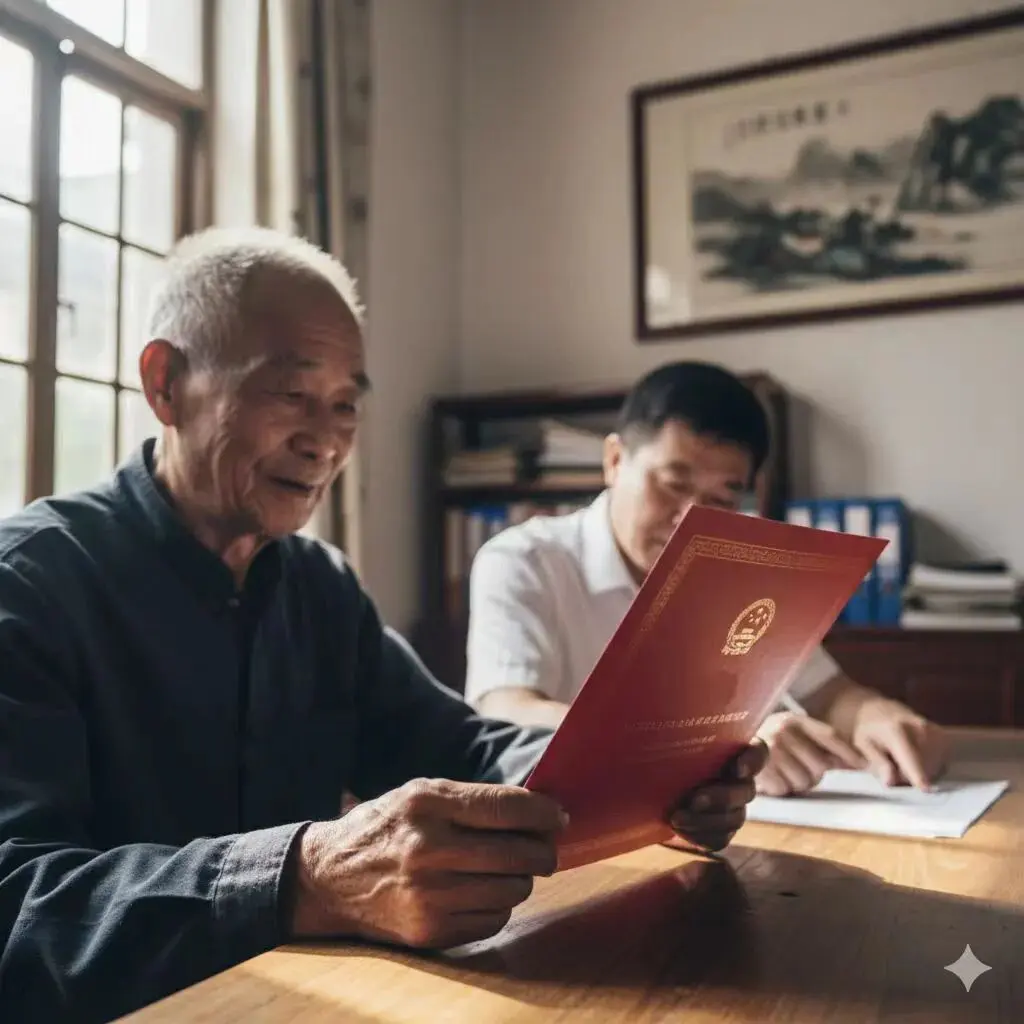
Professor Li mentioned on multiple occasions in 2025 that he hopes to gradually increase the basic pension for rural residents from the current level of about 200 yuan per month to 1000 yuan or 1500 yuan, or even 2000 yuan.
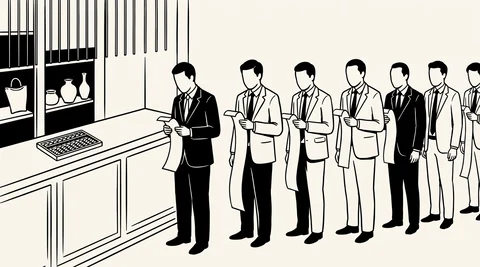
Figure/AI generated
Third, it is to respond to the doubts about raising the pension benefits for low-income earners.
Some scholars are worried about two questions: First, where does the money come from? Professor Li's answer is that raising the rural pension to 1000 yuan per month would cost about 1.25 trillion yuan per year, which is a relatively low proportion of China's annual fiscal expenditure (from January to October 2025, China's general public budget revenue was 18.649 trillion yuan); Second, will directly "giving money" to the people "make the Chinese lazy"? Professor Li believes that Chinese people are very smart and hardworking and will not be "made lazy".
01 Is there anyone more hardworking than the Chinese?
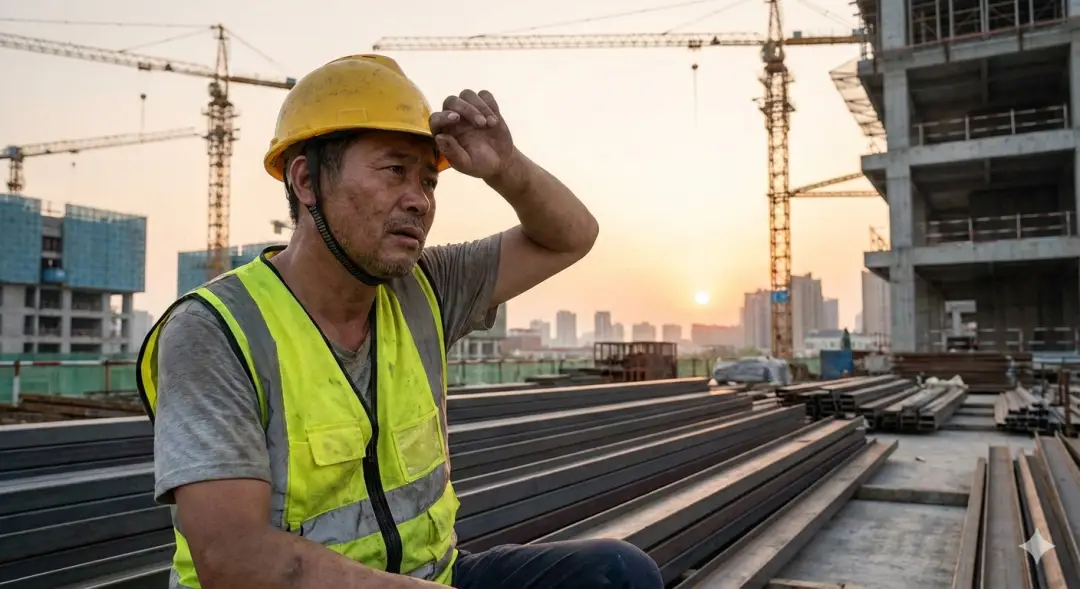
Hardworking laborers are not only the key creators of the miracle of China's 40 years of reform and opening up, but even today, they are also the most hardworking people in the world.
According to data, according to the new regulations of the Ministry of Human Resources and Social Security in 2025, the annual working days for Chinese employees are 365 days minus 104 days of rest days and 13 days of statutory holidays, totaling 248 days. Calculated at the standard of 8 hours per day, the annual working hours at the system level are 1984 hours.
But in fact, overtime is very common.
In 2023, a report stated that the average weekly working hours of employed people in enterprises nationwide reached 49 hours, which is equivalent to about 2548 hours of annual working hours; another report in 2025 showed that the average weekly working hours of Chinese workers were 46.1 hours, and the average annual working hours per person were close to 2350 hours. The actual annual working hours under different statistical calibers are basically in the range of 2350 to 2548 hours.
Different reports all show that the annual working hours of Chinese workers have always been at the forefront of the world, and in most statistics, they are second only to Mexico or rank first in the world.
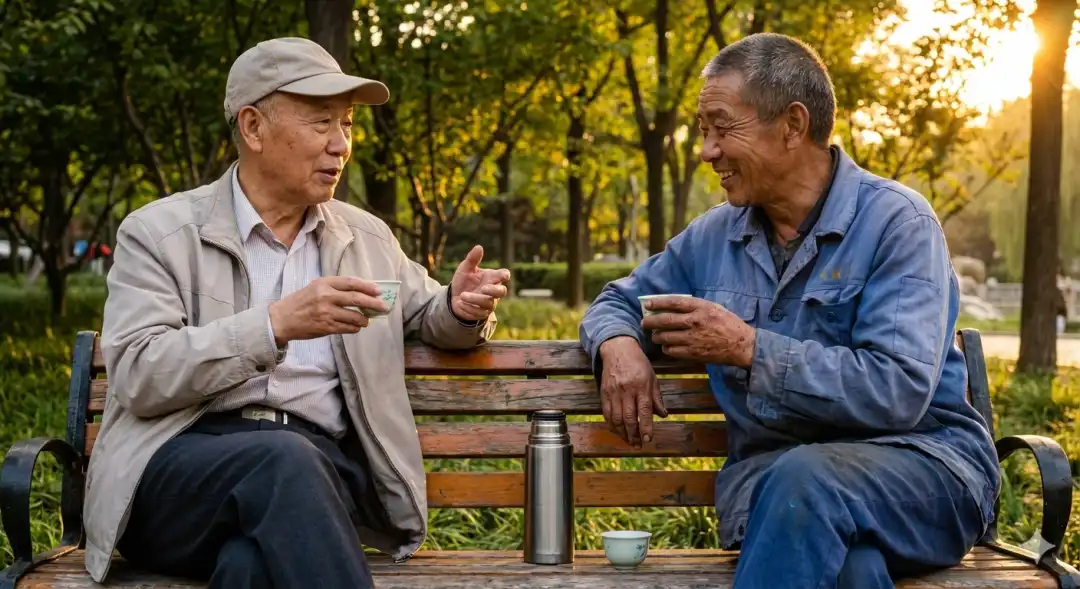
Figure/AI generated
For example, relevant statistics from the OECD (Organization for Economic Co-operation and Development) and multiple global working hours reports show that Mexico's annual working hours are about 2128 hours; while countries like South Korea and Japan, which were once known for their long working hours, had annual average working hours that were 578 hours and 839 hours less than China's, respectively, in 2023; the working hours in developed countries in Europe and the United States are even far lower than China's, with the United States at about 1779 hours and Germany at only over 1300 hours, which is less than 60% of China's actual working hours.
Another example is that according to the latest statistics from the ILO (International Labour Organization), among the 167 countries with data, there are 9 countries with an average working week of more than 44 hours, namely China, Bhutan, the United Arab Emirates, Mongolia, India, Brunei, Malaysia, Iran, and Colombia.
It can be said that Chinese workers are the most hardworking group among the world's major successful economies. And for 40 years, the most hardworking among the most hardworking undoubtedly belong to the labor force from rural China. The unremitting efforts of Chinese workers have enabled China's total economic output and national wealth to increase dozens of times in 40 years.
But what is puzzling is why some people would "prepare for a rainy day" and worry that the most hardworking people in the world will become lazy because of some welfare improvements? Even if they become as "unhardworking" as Japanese employees, who are known for "overwork deaths," there is still a difference of hundreds of hours that needs to be filled by lying flat (Japan is 1598 hours).
02 Why can't welfare be a little better?
Professor Li's remarks on improving welfare mainly refer to improving the welfare benefits of rural elderly people.
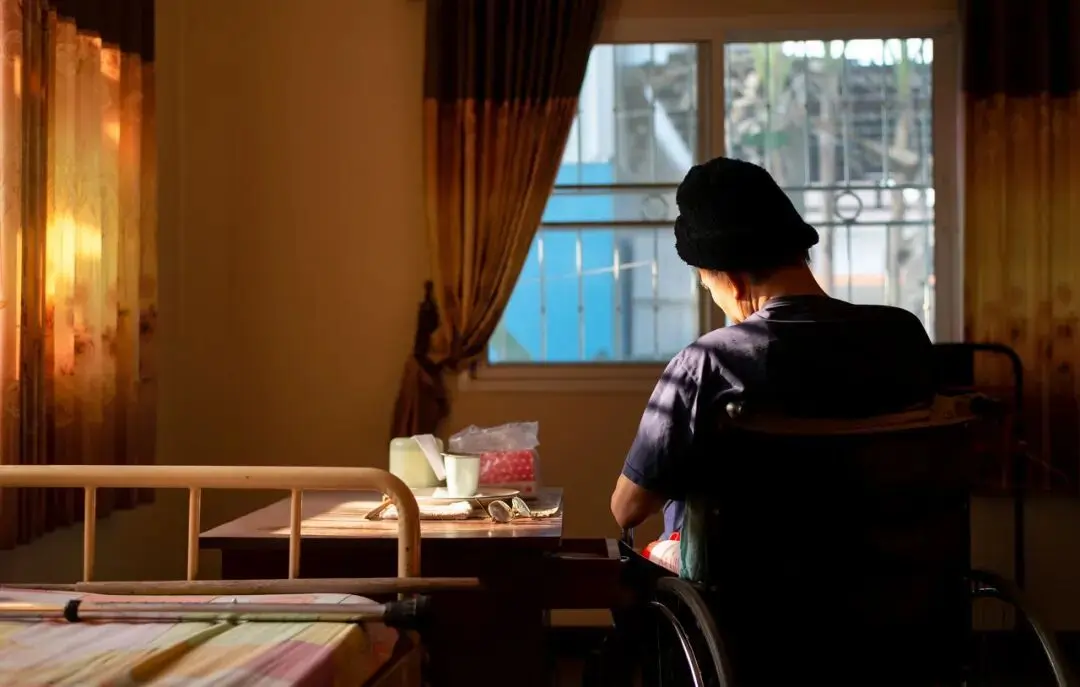
At the end of 2024, there were about 126 million people receiving basic pensions in rural areas, and they could receive 143 yuan per month. Various provinces and cities can add subsidies based on the actual situation, such as Suzhou reaching 705 yuan/person·month, Jiaxing reaching 680 yuan/person·month, Heilongjiang reaching 163 yuan/person·month after adding provincial subsidies, and Sichuan's adjusted minimum standard being 173 yuan/person·month.
There are about 120 million retired employees in urban enterprises, and the gap in retirement benefits is large. From the perspective of regions and contribution levels, if Beijing state-owned enterprise employees pay for 33 years, their monthly pension after retirement at the age of 60 is about 7363.4 yuan; Wuhan flexible employees pay the full social average wage for 25 years, and their monthly pension after retirement at the age of 55 is about 3054.5 yuan; Zhengzhou individual industrial and commercial households pay the minimum contribution for 25 years, and their monthly pension after retirement at the age of 60 is about 2413.3 yuan.
The scale of retired personnel in government and public institutions is between 22.5 million and 27 million. In 2025, the average monthly basic pension for retired personnel in government and public institutions nationwide is about 4860 yuan. There are obvious differences in regions and ranks. Ordinary staff members who have worked for 35 years in third-tier cities have a basic pension of about 4500-5500 yuan/month, and people with lower ranks in grassroots towns may only have 4000-4800 yuan/month; in first-tier cities such as Beijing and Shanghai, due to the high social average wage, the monthly income of such retired personnel can reach 8000-10000 yuan. In addition, after adding the statutory occupational annuity, they can also receive several hundred to a thousand yuan more each month.
In comparison, among the three types of people receiving pensions, rural residents have the lowest pensions.
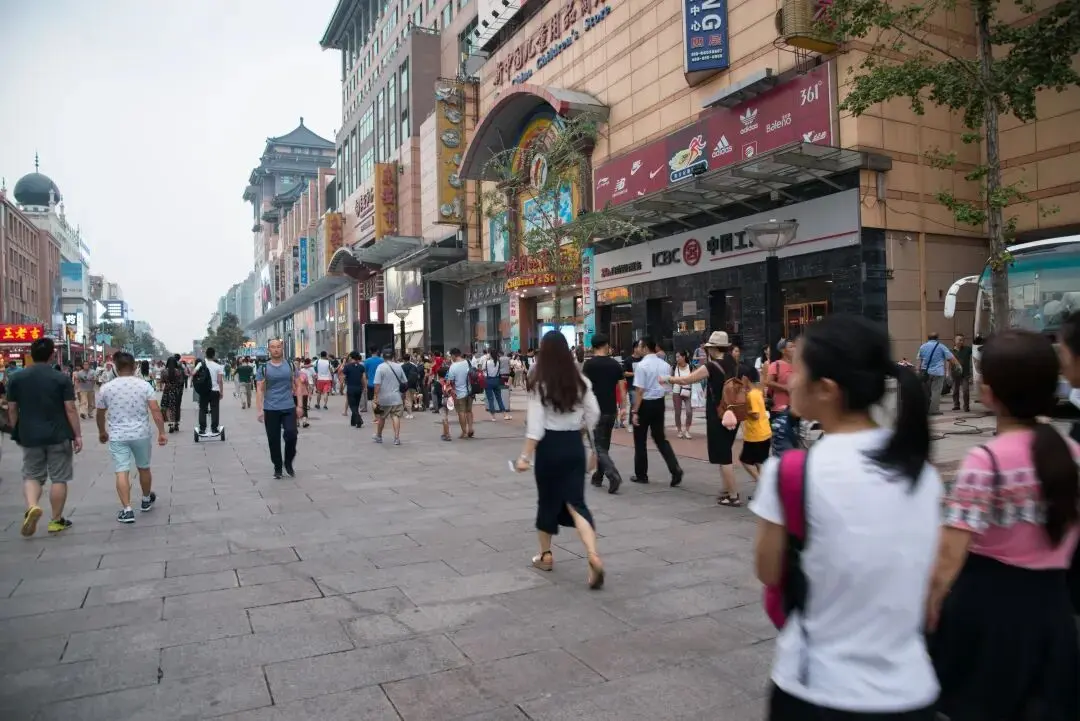
Figure/Tuchong Creative
In developing countries, Brazil implements a unified point-based pension system for all citizens, and farmers and civil servants apply the same standard. Their rural-related pensions are about 1700 yuan/month; Thailand's "500 baht pension plan", although about 100 yuan, but combined with local prices, calculated according to the local minimum wage standard, the replacement rate can reach 35%, while the replacement rate of rural residents' pensions in China is less than 20%; China's rural pensions are in the same echelon as India and other low-income countries, and the pension replacement rate of India's non-formal employees (including a large number of farmers) is about 18%.
The labor force with rural household registration in China not only made a huge contribution to the construction of the country before the reform and opening up, but they are also the greatest force of the reform and opening up, the main force of almost all labor-intensive industries, made outstanding contributions to the completion of the original accumulation, and are the main force in urban construction, and should have better welfare.
03 Where does the money come from?
If you want to increase the pension for rural elderly people, where does the money come from? Some friends are worried and ask, they believe that it may increase taxes and fees, and increase the extra burden on ordinary people.
Indeed, to win public support for reform, we cannot harm the interests of some people to fill the interests of others, otherwise the reform will face heavy resistance.
Professor Li's method is to reduce infrastructure investment.
It is undeniable that China has always had a high investment in infrastructure in the past, which has created the world's highest level of infrastructure, and at the same time, it has provided important assistance for attracting investment and the sustainable development of the economy.
But at the same time, we must also see that the long-term and large-scale infrastructure investment has formed a huge path dependence and a special pattern of interests.
Because good infrastructure has brought huge economic benefits in the past, so even today, many places are still keen on infrastructure, it can be said that the pension money that should have been distributed to the ordinary people at the bottom is also used to build infrastructure that is not really necessary. As a result, after the infrastructure is completed, enterprises do not use it much, ordinary people cannot afford to use it, and the maintenance costs are high.
Under normal circumstances, investment and consumption should have a dynamic balance for the economy to develop healthily. And infrastructure, as a kind of investment, the excessive investment scale, in turn, compresses the proportion of residents' consumption. The final result is that no matter how to stimulate consumption, the effect is not great, in addition to keeping the wallet tight and not daring to consume, another important reason is that they do not get much, cannot afford to consume, and do not form real demand, which in turn restricts the production end, leading to more serious "involution".
If you want to understand why consumption is sluggish, look at the high-speed highways with few cars, the high-speed trains that are empty, the wide green belts, the parks and wetlands that are rarely visited, and so on, you can probably understand a large part of the reason. You will also understand why Professor Li said that infrastructure investment should be reduced.
It is undeniable that China's infrastructure has gradually shifted from "iron rooster" to transportation network upgrades, energy system restructuring, and 5G base stations, data centers, artificial intelligence platforms, etc., but it is undeniable that these new fields still have a large amount of space that can be compressed, and can still "squeeze" out a large amount of resources for the people's livelihood at the bottom.
This is not an extra levy of taxes and fees, but the change of thinking on fiscal matters that Professor Li mentioned.
Figure/AI generated
Another is to implement the property rights of rural residents, which can also alleviate the pension problem.
The reason why farmers' pensions have become a problem is, in the final analysis, because they are poor. And the reason for poverty is fundamentally the lack of property. Although the real estate market is declining today, the most important property of urban residents is still real estate; and the houses of farmers on the homestead, because they are in fact non-tradable, are not essentially different from collective dormitories, and are not a property that can be fully utilized except for the function of living.
7 years ago, I wrote an article "The First Step for the Decaying Countryside to Regain Vitality: Nationalization of Homesteads", which mentioned—
The occupation and use nature of homesteads and cultivated land are vastly different: one has rarely changed the boundary for a long time in the past, and the other often changes the boundary; one in fact has relatively permanent use rights, and the other has a use right with a maximum term of 30 years; one occupies a very small number of all the land, and the other occupies the majority of all the land; one is used for living, and the other is used for production.
Therefore, it can be said that the homestead does not bear the morality of "cultivators have their own fields", nor does it bear the realistic needs of the "red line of cultivated land".
The uniqueness of the homestead and the confirmation of rights, its collective ownership has not much substantive content. Changing the land nature of the homestead is conducive to its listing and trading, which should be a matter of course.
And it can be predicted that after rural homesteads can be circulated on the market, it will be a win-win situation for all parties:
First, there is no doubt that the real estate of rural residents will definitely gain great appreciation opportunities, and farmers will gain the huge dividends of urbanization for the first time.
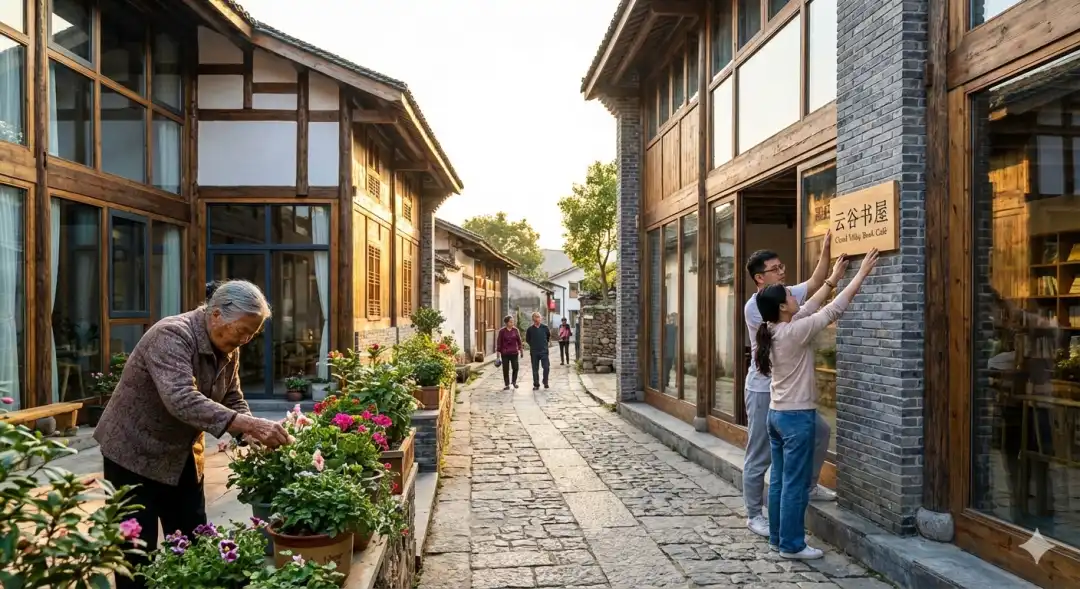
Second, urban capital will go to the countryside in an orderly manner, not only bringing capital and employment opportunities to rural development, but also more advanced residential concepts, more civilized modern humanistic concepts, and the architectural styles of houses and public facilities will gradually sprout and blossom in the countryside, and the decaying countryside may completely regain its vitality.
Figure/AI generated
Third, because there is more supply in the housing market, it will definitely play a huge role in stabilizing urban housing prices.
Fourth, urban residents can have more investment channels.
Fifth, in the case that urban commercial housing has already paid 70 years of land transfer fees, which is actually equivalent to paying real estate tax, it is difficult to levy real estate tax again, and it is more legitimate and justified to levy real estate tax on rural homesteads that are converted into state-owned land in their transfer links.
Sixth, although rural small产权房 (property rights housing) is regarded as illegal, it is after all social wealth, not drugs, nor counterfeit and shoddy products that deceive people, and the quantity is amazing. With the nationalization of rural homesteads, it should be given the opportunity to be legalized, and it can also be legally traded on the market, but the premise is to pay real estate tax.
In this process, who are the losers? No one. It can both maintain and develop revolutionary morality, and also enable all parties involved—the government and urban and rural residents—to gain huge benefits from it.
With farmers having real estate that can be freely traded, they actually have money, and is the pension still a big problem? At this time, what really needs to be taken care of is only a very small number, not hundreds of millions of elderly farmers.
I even think that if we consider the reform of the property system for rural residents, including housing, from the perspective of "assetizing all state-owned resources as much as possible, securitizing all state-owned assets as much as possible, and leveraging all state-owned funds as much as possible," then many ideas for solving the predicament can be greatly expanded.
I also know that many cultural scholars who are now studying the "three rural issues" are very opposed to farmers having complete property rights. They take it for granted that once farmers have property rights like urban residents, including land and houses, farmers will be displaced, society will be unstable, and the collective economy will collapse, and they will no longer have nostalgia.
But may I ask, urban residents are free to buy and sell houses, why are they not displaced? Why is urban state-owned assets still expanding rapidly? Since urban residents without houses can get care from public rental housing, why can't rural areas provide care for public rental housing (and it is much cheaper)?
Neither providing policy suggestions to improve the pension benefits of farmers, nor allowing farmers to have the right to dispose of their property on their own, so as to trap farmers and think they can rest easy, what is the intention of these "three rural" scholars who claim to care most about farmers?