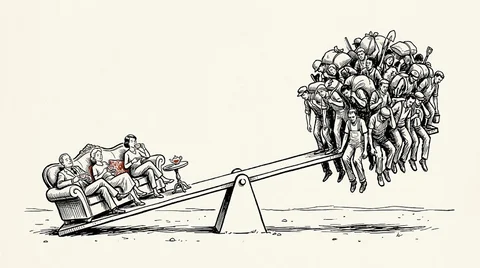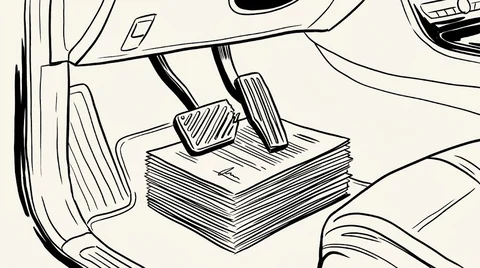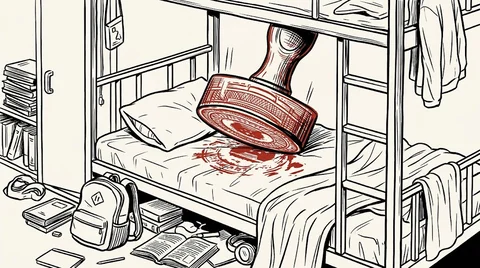



I saw this on a blogger's Weibo. Another "gong-beating woman."
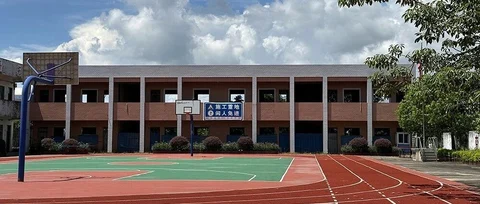
Actually, I did see related news over the weekend: "A female teacher died in her school dormitory, and was only discovered two days later. Her family claims she was working while sick. The school: We didn't know she was sick when she returned to school, and suggests they sue." The matter was reported by the media. The family believes that she worked while sick before New Year's Day, and returned to work while sick after New Year's Day, and the school is also responsible.
The school, on the other hand, stated that they didn't know she was working while sick, and told the family to sue.
Finally, the reporter interviewed the family, and the matter gained social attention, reported in another form.
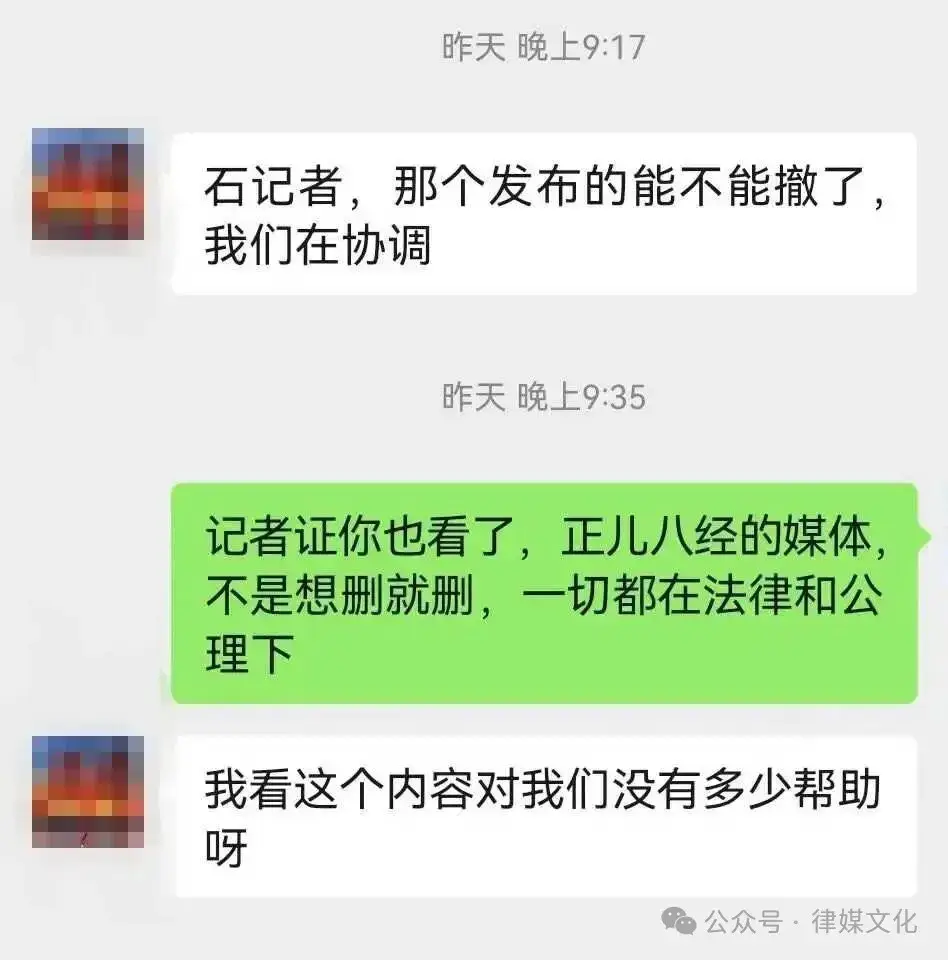
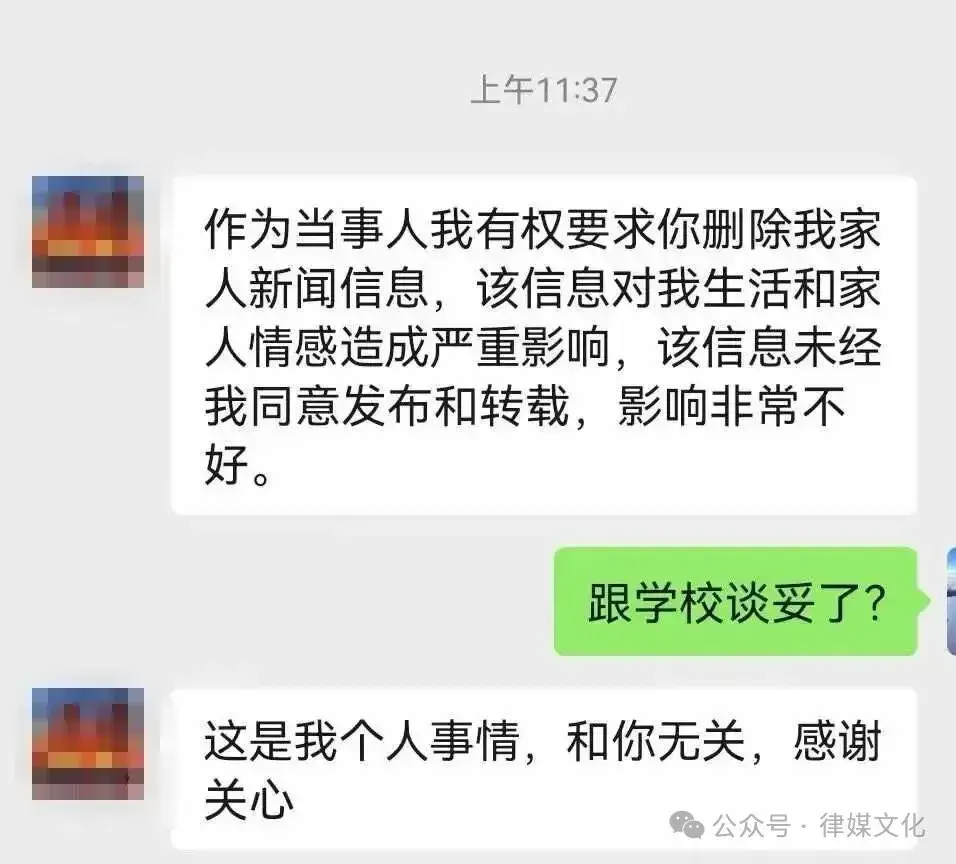
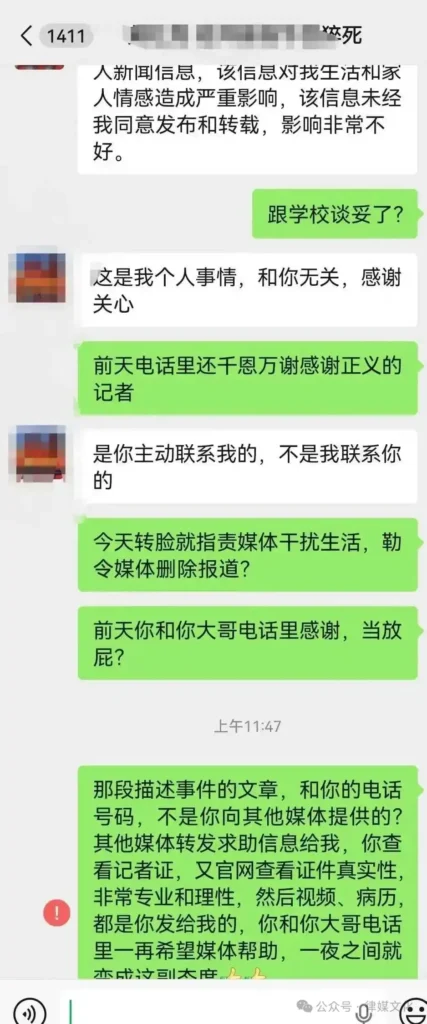
But now the family contacted the reporter, saying they were already negotiating with the school and asking them to delete the report. When the reporter said that this was a proper public event, not something you can just delete, the family began to exercise their power as the "person involved."
Before seeking help, they were extremely grateful, calling the reporter a righteous person. After gaining public attention, they started negotiating with the school, and then turned around and claimed that deleting the report was their right, and also claimed that the media didn't help them. This scene is not the first time it has been staged.
I'm too lazy to discuss the matter itself; it doesn't mean much. Next time, the same phenomenon will still occur, and a small group of people will have this kind of attitude.
But it's obvious that this kind of "ungrateful" behavior not only seriously damages the atmosphere, but even undermines public order. To put it simply, next time someone encounters a difficult situation, reporters and the media will not dare to help report it. What if, in the end, they hit the reporter on the back of the head with a gong for their own benefit?
So you can say "common," but don't say "understandable." Understand? I don't understand a damn thing. How can an unreasonable behavior be understandable?
What's the situation now?
In some ongoing public events that are still being reported, the media is bearing public risk. But that small group of people is still acting according to the standard of "maximizing private interests."
What does this mean? News is now being treated as a one-time transaction.
For example, the before-and-after logic in the above incident is very simple: Before the incident was exposed, the family was the weaker party, with unequal resources, and needed the media to leverage power or institutions. But once this goal is achieved, entering the controllable stage of negotiation or compensation, the attitude of power and institutions begins to soften, and the family also becomes "afraid of exposure," because they are afraid of the negotiation breaking down: the news continues to exist, leaving them with only risk and no benefit.
But news and public supervision are not private tools, and reporting should not be understood as simply "helping." It is a record of public information and a part of social supervision. In reality, almost half of the people cannot understand and accept this premise.
Their logic is this: You expose it to help me. Since you are "helping me," then I say I don't need it now, and you should withdraw.
How is this possible? According to this kind of logic, then the witnesses who testify in court, should they no longer accept the questions of the defense? Because the witness is from my prosecution, and the evidence that is favorable to me has already been provided, if you ask further questions, it will be unfavorable to me.
News and reports are helping "everyone," standing on the position of public interest, and pursuing fairness and justice. How many people are there in the country, and how many news organizations are there? Can they help one by one? Why do we think that we are the ones who can get help from the media and reporters?
Let me give you an example, you understand news or media as firefighters and fire departments, rather than the security guards hired by your home. When a fire breaks out, you call 119, but firefighters don't have to put out the fire in your home first. They come because it's a public fire, which may spread and endanger others. They need to act from the perspective of maintaining public safety and eliminating the source of the fire as much as possible. They will not stop just because you say "that's enough, don't spray anymore."
Media reports are also like this; they record public events. As long as the event is true, whether it is beneficial to you personally is not the standard for judging whether the report exists.
In other words, the family has the right to refuse interviews with reporters and can choose to remain silent. But when you have provided the facts and expressed your demands, and have not limited it to "reporting only before negotiation," then you have no right to ask the media to delete the report. This should be easy to understand, that is, the familiar saying: You have the right to remain silent, but everything you say will be used as evidence in court.
This is my understanding: news has public attributes. Once a public event enters the public domain, it no longer belongs to the individual. For example, a traffic accident was captured by surveillance, and after the at-fault party has paid compensation, can they ask the traffic police to delete the surveillance footage? For another example, a judgment has been made public, and both parties have reached a settlement, will the court remove the judgment from the files because "the matter has been resolved"?
Therefore, the person involved has no right and cannot arbitrarily revoke public records. Especially when the facts of the report are accurate, it should be protected by law. The media should also be protected by law in this regard, to avoid being backstabbed by the gong-beating woman again and again.
In addition, after the repeated exposure of human nature, reporters should also learn a lesson. For example, before interviewing the person involved in this kind of incident, inform the other party that this is a public report and cannot be withdrawn at will once it is released. And, also try to reduce the rhetoric of "helping you" and "seeking justice for you," and refuse those unnecessary thanks. Emphasize "this is a public event, not a private rights protection service."
I won't write more, let's wrap it up: public supervision in a society is like a bridge. Many people only thank it when they cross the river, and then find it an eyesore after crossing the river.
But I still have to say: once the bridge is demolished, everyone will have to swim across the river the next time it floods.