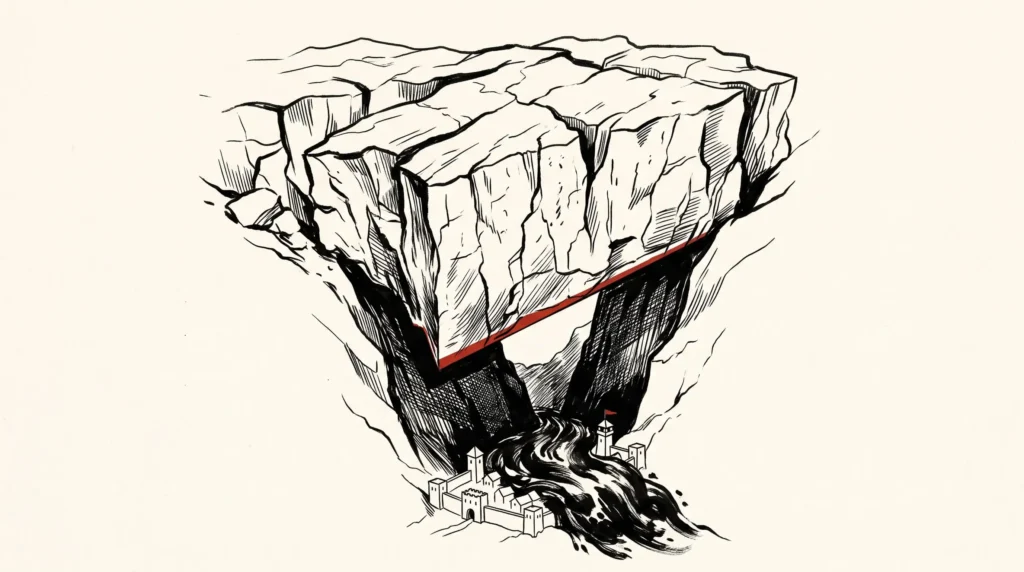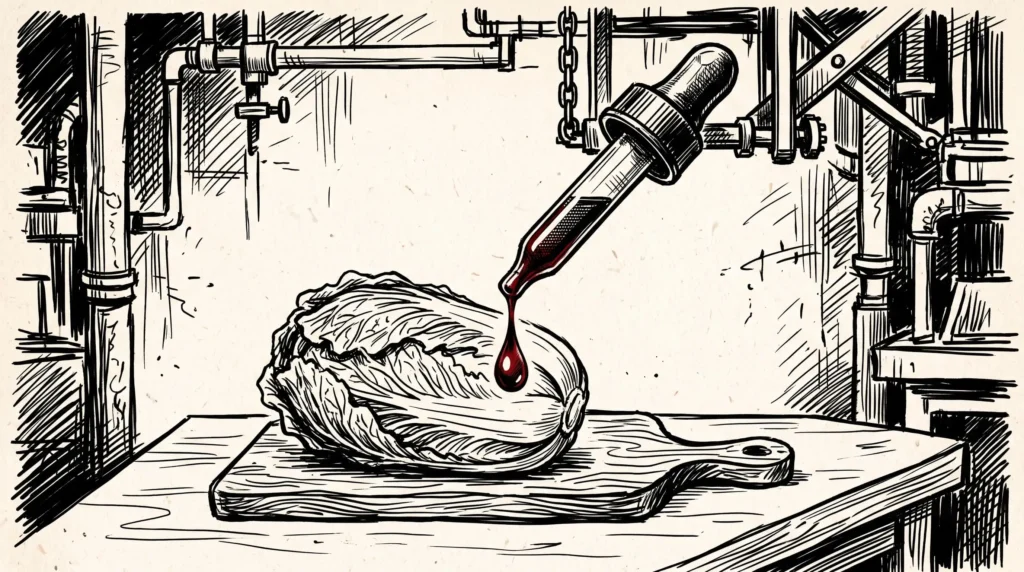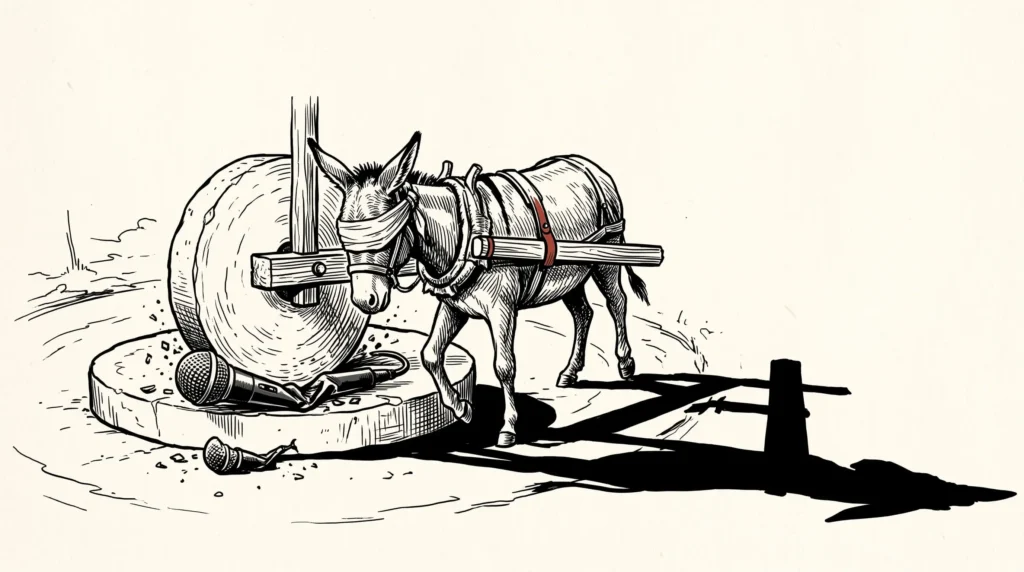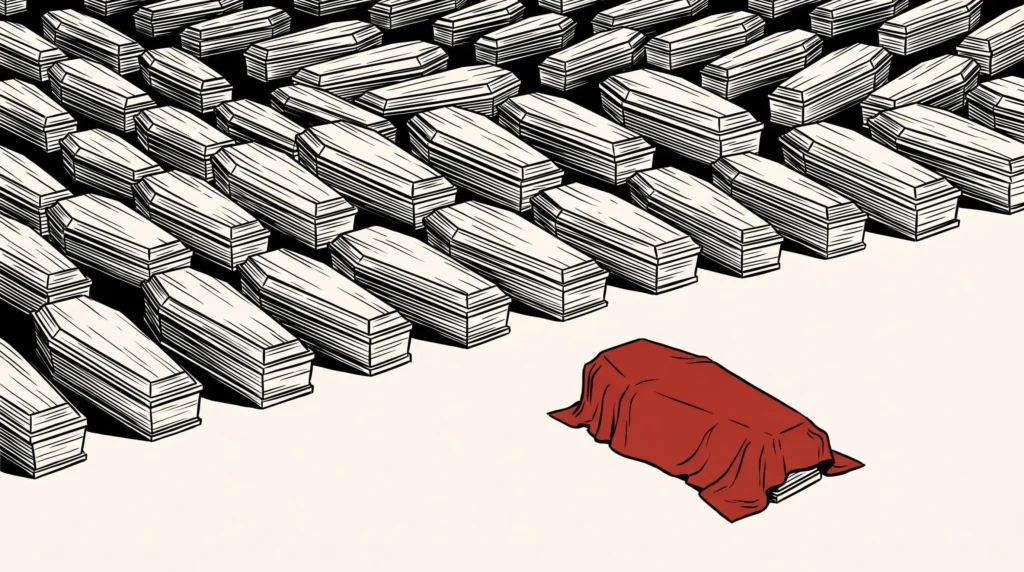

The current situation in the real estate market, the competent authority, the Ministry of Housing and Urban-Rural Development, certainly cannot stand idly by.
Anyone with a discerning eye probably knows that the current real estate market problems cannot be solved at the level of the Ministry of Housing and Urban-Rural Development. Many words and many plans, the Ministry of Housing and Urban-Rural Development dare not mention. But as the competent authority, the Ministry of Housing and Urban-Rural Development has to do something.
A few days ago, they held a national housing and construction work conference and proposed some measures to “stabilize the real estate market”, which can be summarized into about 9 points.
After reading these 9 points, my interpretation is: for the real estate market, in the past, it was to suppress demand, and now it is to suppress supply, hitting the left cheek and then the right cheek.
In the past, when housing prices soared, various regions successively increased restrictions on purchases, sales, and loans, simply put, it was to suppress demand. Of course, there were also some policies to suppress supply, such as the “three red lines” for loans. I also didn’t understand this idea: why is suppressing supply conducive to curbing the rise in housing prices?
Anyway, demand has indeed been suppressed, and now it is to “stabilize the real estate market”, so the idea has jumped to suppressing supply. Let me interpret the 9 points.
Measure 1: Implement differentiated policies in cities to control incremental supply, reduce inventory, and optimize supply, combined with urban renewal and urban village renovation to revitalize and utilize existing land, and promote the acquisition of existing commercial housing for use as affordable housing, resettlement housing, dormitories, and talent housing, etc. This point clearly states “control incremental supply”, just understand it literally. The acquisition of existing commercial housing for affordable housing is to reduce the supply in the market. Urban renewal and urban village renovation are to convert old houses into new houses, making the increase in supply limited.
Measure 2: Optimize and accurately implement the supply of affordable housing, implement a housing quality improvement project, and orderly promote the construction of “good houses”. This point is purely to show that the Ministry of Housing and Urban-Rural Development is concerned about the quality of living, and has no substantial impact on supply and demand, so there is nothing to interpret.
Measure 3: Further leverage the role of the “white list” system for real estate projects, and support real estate companies’ reasonable financing needs. This point aims to avoid unfinished buildings, and in fact, it will help increase supply.
Measure 4: City governments should make full use of the autonomy in real estate regulation and control, adjust and optimize real estate policies in a timely manner, support residents’ rigid and improved housing needs, and promote the stable operation of the real estate market. This point urges local governments to release some demand.
Measure 5: Accelerate the construction of a new model for real estate development, orderly build basic systems, and implement the project company system in real estate development. This point talks about the need for more closed management of project funds, and the developers’ fund liquidity is more restricted, which is also suppressing supply.
Measure 6: In terms of real estate financing, promote the main bank system. This point has the opposite effect of the third point, and will suppress real estate financing, thereby slowing down developers’ development and indirectly suppressing supply.
Measure 7: In terms of commercial housing sales, promote the current housing sales system, and achieve “what you see is what you get”, fundamentally preventing delivery risks. For those who continue to implement pre-sales, regulate the supervision of pre-sale funds, and effectively protect the legitimate rights and interests of home buyers. This point controls the pre-sale system, which is also suppressing supply. Because the pre-sale system can allow developers to obtain more funds to accelerate development, suppressing the pre-sale system is actually slowing down developers’ development. It is also pitiful to say that the pre-sale system is also used when housing prices rise, and the pre-sale system is also used when housing prices fall.
Measure 8: At the same time, deepen the reform of the housing provident fund system. This point is to release demand.
Measure 9: Implement the quality improvement action of property services, explore a new model of coordinated operation of the residents’ committee, the owners’ committee, and property service companies under the leadership of the community party organization, explore the “property service + life service” model, and promote “property service into the home”. This point has no substantial impact on supply and demand, so there is nothing to interpret.
Overall, the 9 measures, two have no substantial impact on supply and demand, two release demand, one helps increase supply, and the remaining 4 are suppressing supply.
In the past, when housing prices soared, it should have chosen to increase supply, but instead chose to suppress demand. The current situation of housing prices, it should have chosen to release demand, but instead chose to suppress supply.
There is a big problem, that is, once housing prices bottom out and rebound, there will be several years of insufficient supply, and then housing prices may rise abnormally again, will they then suppress demand again? It is highly likely.
Of course, whether housing prices will bottom out and rebound, this is a matter of opinion. I think it depends on whether the economy recovers. If there is a day of economic recovery, there will be a day of housing price rebound.
Discover more from 自由档案馆
Subscribe to get the latest posts sent to your email.