In the past few days, I’ve seen a lot of discussion about whether Dream of the Red Chamber is a lament for the Ming Dynasty. Strictly speaking, it’s not really a discussion; on one side, there’s a group that firmly believes in the lament for the Ming theory, resonating and celebrating, while the other side is mocking with the attitude of watching fools make a fool of themselves. There’s no effective communication between the two sides.
Those who mock the Dream of the Red Chamber as a lament for the Ming Dynasty, some may genuinely not understand what the so-called allegorical school thinks, believing they are simply lacking common sense and being misled by bad people. Others have seen through the collective emotions and demands behind this lament for the Ming movement, but are constrained by the boundaries and can’t openly say it.
I’ve always liked to speak the truth, so let me make it clear.

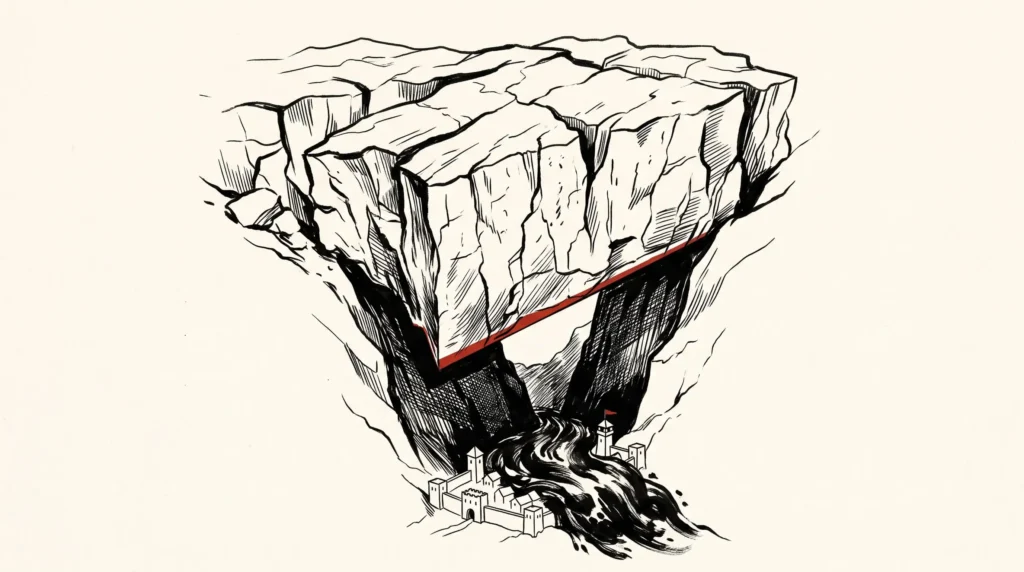
The current trend of using “Dream of the Red Chamber” and other various materials to lament the Ming Dynasty is actually a grand Han chauvinistic online carnival. “Dream of the Red Chamber” is just a material with a sufficiently broad audience base and influence, and whether there is any substantial evidence of lamenting the Ming Dynasty is not important at all.
Take a closer look at the two core viewpoints of the “lament for the Ming movement”:
1. The audience of the “lament for the Ming movement” believes that the Ming Dynasty was originally far ahead and powerful, with emperors throughout the dynasties being exceptionally talented. The Ming Dynasty had already completed industrialization with the support of the Yongle Encyclopedia. However, under the barbaric impact of the Qing Dynasty and the internal traitors of the Ming Dynasty, the Ming Dynasty, which represented the orthodox of China, collapsed, falling into the ignorant and backward rule of the Qing Dynasty for 300 years, which is truly regrettable.
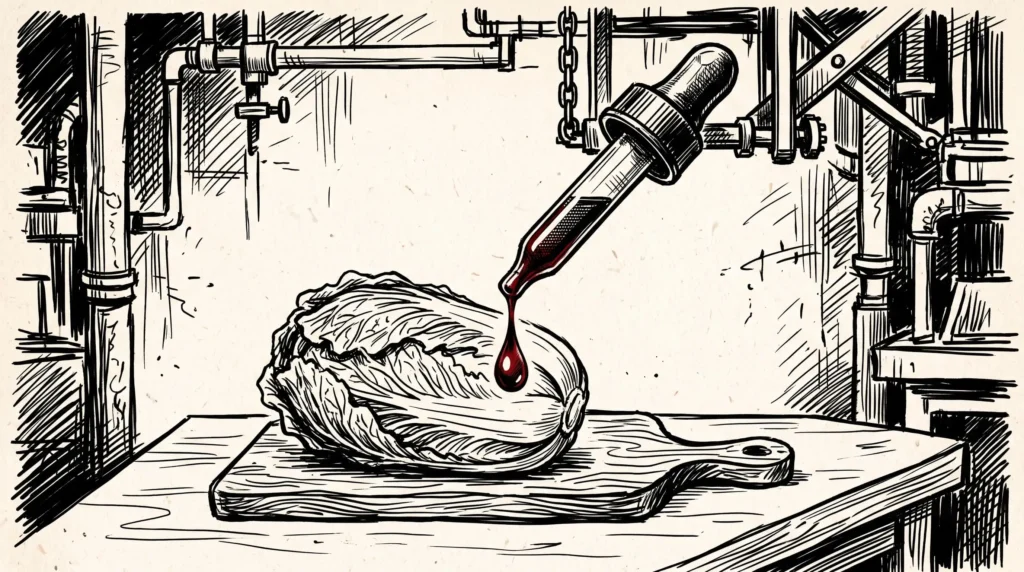
2. The audience of the “lament for the Ming movement” believes that the Qing Dynasty was not only barbaric in its attacks and wars, but also extremely cruel in its rule over China. For example, the Manchu-Han Banquet was a banquet where the Qing Dynasty dignitaries used the flesh and blood of the Han people as ingredients, and they also tried their best to suppress Chinese culture, so that the literati had to use such a tortuous and obscure way as “Dream of the Red Chamber” to mourn the Ming Dynasty.
These two points seem to be purely imaginary and full of loopholes, and they are also fabricated and contradictory, but the public sentiment they cater to is real and strong, even surging.
At the historical level, the “lament for the Ming movement” emphasizes the prosperity, strength, and civilization of the Ming Dynasty, and exaggerates the barbarity, cruelty, and evil of the Qing Dynasty, to express the humiliation of the noble and superior Han Chinese orthodox being usurped and trampled upon by the lowly and barbaric Qing Dynasty.
It is the constant interweaving and resonance of humiliation and pride that has accumulated the emotional volcano of the Han chauvinists who have been suppressed by the national and ethnic unity policies for a long time.
At the realistic level, the “lament for the Ming movement” wants to compare the current all-round leading strength of China, and to be vigilant against the aggression of barbaric foreign countries such as the United States, Europe, Japan, and to prevent the prosperous China from repeating the historical mistakes.
The positive energy self-media track that directly promotes China’s all-round leading position is too crowded, and the “lament for the Ming movement” has become a clever means for some self-media to find a new path.
Please note again that for the initiators and participants of the “lament for the Ming movement”, history is just a catalyst, and “anti-Qing and restore Ming” is just a carnival slogan. What they really want to express is very simple and straightforward:
The orthodox civilization of China, represented by the Han people, has been very excellent from ancient times to the present, the best in the world, but it has been consistently despised and besieged by barbaric and backward foreign barbarians. This was the case at the end of the Ming Dynasty, and it is also the case in the early 21st century. This time, we must not let the barbarians succeed!
Yes, no matter how you interpret it allegorically, no matter how many layers of logic you go through, that’s what it means, and that’s the emotion.
Getting entangled in whether “Dream of the Red Chamber” is a lament for the Ming Dynasty will not have any results, nor will it have any meaning. What really needs to be agreed upon are these few questions:
- Is today’s China the most powerful country in the world? Is it far ahead in economy, culture, military, and technology?
- Do Western countries such as Europe, the United States, and Japan have the intention to destroy us? Have they been trying to corrupt Chinese culture and steal Chinese technology?
- Should China take the initiative and avoid repeating historical mistakes?
As for whether the above questions can be agreed upon in Chinese society, I am personally very pessimistic, because people holding completely opposite views on both sides believe that the answer is self-evident.
What do you think?
Discover more from 自由档案馆
Subscribe to get the latest posts sent to your email.