

The withdrawal of several well-known imported drugs from the domestic market has recently attracted attention.
According to Jiemian News, on the evening of October 15th, the official WeChat account of the National Medical Products Administration showed that the registration certificates for 80 drugs, including loratadine tablets from Feca Huarui, were cancelled, meaning that these drugs will subsequently cease production and sales. More than half of these 80 drugs are products of foreign-funded companies.
In recent years, it's no longer news that many hospitals can't get imported drugs and that imported drugs are gradually withdrawing from the Chinese market. However, the repeated 'running away' of dozens of imported drugs still raises public doubts—will we still be able to buy imported drugs in the future? Are some rare diseases untreatable?
The aforementioned loratadine tablets are mainly used to treat symptoms such as allergic rhinitis. Many people rely on them to 'stay alive' during the high pollen season in the spring and autumn in the north. Feca Huarui is a Sino-Swiss (Swiss) joint venture pharmaceutical company and the original developer of loratadine tablets. It was later acquired by the German pharmaceutical giant Bayer, which still holds the product approval for loratadine tablets.
That is to say, regarding loratadine tablets, patients can still choose similar imported original research drugs or domestically produced generic drugs. However, the withdrawal of some other drugs, especially special drugs for rare diseases, leaves patients with no other choice, and the impact is significant.
Mucopolysaccharidosis IVA is a typical rare disease, with symptoms including growth retardation and abnormally short necks. 'Vimizim', produced by the American emerging biopharmaceutical company BioMarin, is the only drug approved worldwide to treat the disease, but it is expensive, costing 7,500 yuan (5mg) per dose, with tens of thousands of yuan needed for each treatment.
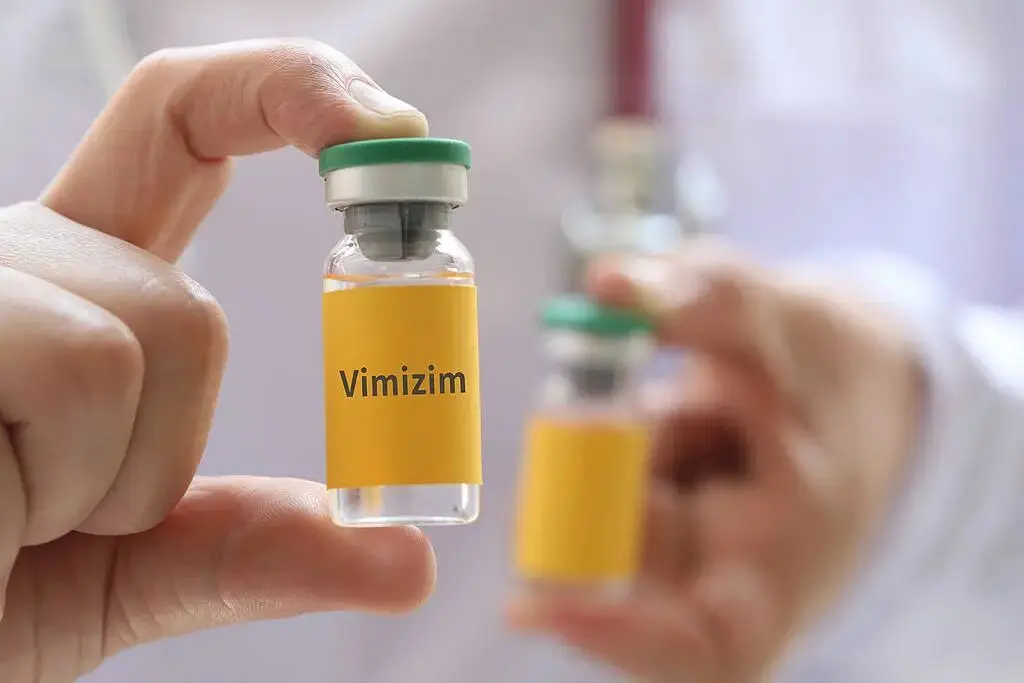
'Vimizim' was approved for listing in China in May 2019 and was subsequently included in the first batch of the 'List of New Drugs from Overseas in Urgent Clinical Need'. In 2021, 'Vimizim' appeared in the preliminary selection list for medical insurance negotiations, but the negotiations ultimately failed. In May 2024, after the import drug registration certificate for 'Vimizim' expired, the pharmaceutical company BioMarin did not renew it and withdrew from the mainland Chinese market.
BioMarin stated in its response to the media at the time, 'Complex market access rules make the supply of drugs unsustainable, especially in the treatment of rare diseases. Despite our best efforts in the past few years, we still have not been able to get 'Vimizim' into the medical insurance reimbursement system, and we have decided not to renew the import drug registration certificate for this product.'
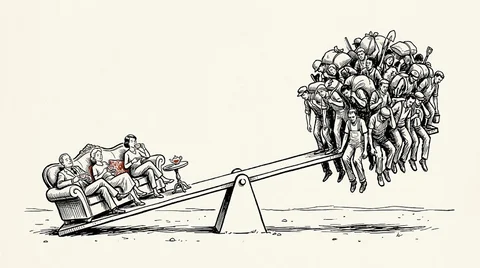
In fact, although most imported drug manufacturers that have withdrawn from the Chinese market have not detailed the reasons for their withdrawal, the high pricing of imported drugs, if they cannot enter medical insurance, makes it impossible to compete with domestically produced generic drugs in terms of price, and withdrawal becomes a very natural market behavior.
Last December, in the tenth batch of centralized drug procurement launched by the National Healthcare Security Administration, all original research drug companies either gave up bidding or made symbolic bids, and ultimately none were successful, which caused public attention. Prior to this, imported original research drugs had been continuously announcing their withdrawal from the Chinese market. According to incomplete statistics from the 'China Medical Insurance' WeChat public account, as of May 2024, 161 imported drugs have not been re-registered in China.
For the same drug, the price of imported original research drugs is nearly ten times that of domestically produced generic drugs. Under the logic of 'exchanging price for volume', domestically produced generic drugs have been widely selected in centralized procurement due to their price advantage. According to data from the National Healthcare Security Administration, in the first nine batches of drug centralized procurement, 1583 domestically produced generic drugs were selected, while 70 imported original research drugs were selected, with generic drugs accounting for over 95%.
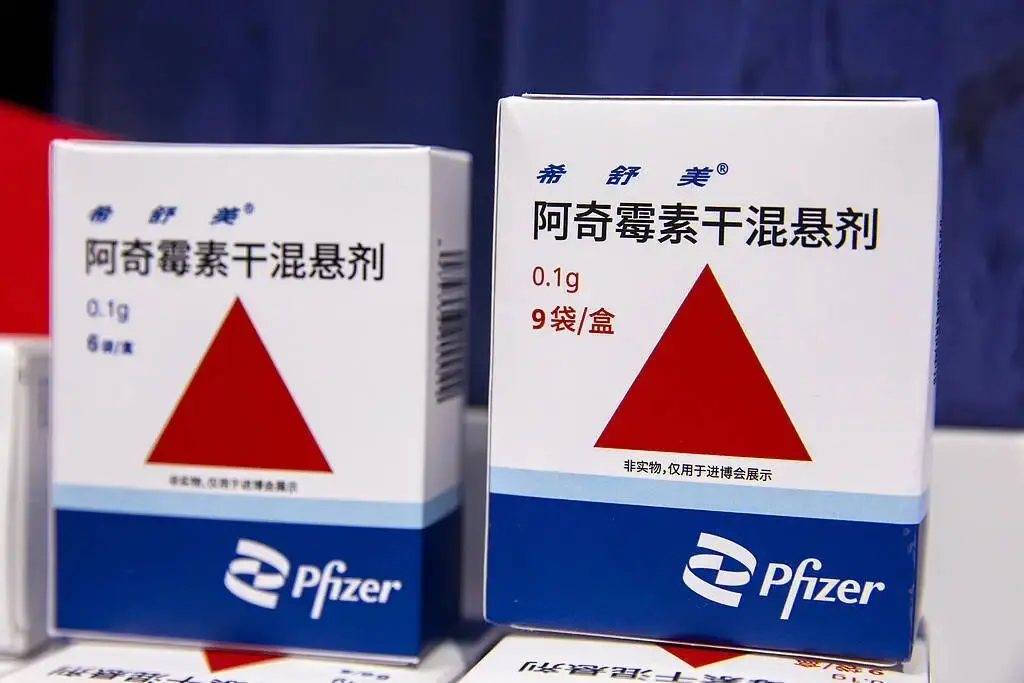
In previous years, even if imported drugs did not enter medical insurance or were not selected for medical insurance, they could still be purchased by some hospitals, but they have been prescribed less and less in recent years. The most important reason is that in order to meet national assessment indicators, almost all hospitals are working to reduce the drug ratio (the proportion of drug costs in treatment costs). Therefore, reducing the use of high-priced imported drugs has become an inevitable measure for hospitals when the efficacy is similar.
For multinational pharmaceutical companies, with the arrival of the patent cliff (patent expiration) of imported drugs, knowing that they cannot compete with the numerous domestic generic drug companies, proactively withdrawing in advance and focusing more on the research and promotion of innovative drugs also aligns with their own commercial interests.
Regardless of the reason, the withdrawal of imported drugs saves medical insurance money, and the burden on patients is also reduced. The reason why it repeatedly causes controversy is partly because there is still a relatively large demand for original research drugs in the domestic market. Although many generic drugs are not worse than imported drugs, each person's condition and physical condition are different. Some people can be cured with generic drugs, while others may be more suitable for imported drugs, so it is hoped that some space can be left for imported drugs to allow patients to choose independently.
Especially for 'orphan drugs' that do not have generic drugs, if they also withdraw from the domestic market, patients can only purchase drugs overseas, and these drugs need domestic hospitals to provide purchasing channels. Like the imported drug 'Vimizim' mentioned earlier, four months after its withdrawal from the mainland Chinese market, Guangdong Women and Children's Hospital imported the drug through the 'Hong Kong and Macao Drug and Device Connect', in a 'special approval' manner, allowing dozens of patients to reuse 'Vimizim'.
From a global perspective, replacing imported drugs whose patents have expired with domestically produced generic drugs is a normal trend, and the money saved from centralized procurement can theoretically be given to patent drugs and innovative drugs, allowing more patients with rare diseases and tumors to receive treatment.
However, the current anxiety of patients is not unfounded. Hospitals retaining some imported drugs can both give patients more choices and also encourage domestic generic drug companies to ensure quality control. If the efficacy of generic drugs is good enough, patients have no reason not to choose cheaper drugs.