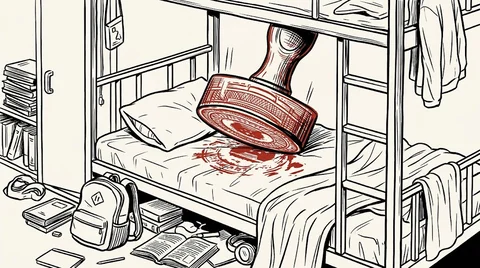


In a kindergarten in the western region, a lead poisoning incident occurred. The official report stated that the cause of the poisoning was that the kindergarten principal and others bought paint and diluted it to make food for the children and teachers to "consume." This official determination of the source of the poison was reported, but it was not recognized by the public. Various speculations and malicious guesses arose in the public, suggesting that there were other hidden facts behind the lead poisoning incident.
Regarding the various speculations surrounding the poisoning incident, whether they are true or not, it is impossible to comment. However, one fact cannot be denied: the "official report" is being cast aside by people and is not trusted. It has not calmed the public opinion but has instead become evidence, used to prove certain speculations unfavorable to the authorities. The ability of official reports to guide public opinion has reached a freezing point.
In an incident that occurred not long ago, we found that official reports fell into a similar situation. The report, which was originally expected to cool down public opinion, instead caused a secondary explosion of public opinion. The official stance represented by the report, no matter how meticulously worded, can hardly take the overall situation into account. The report is weak in the face of public opinion, which reminds people of the old appearance of news before the official announcements.
There are even more cases intended to prove that in the era of official reports that we have to face, the public opinion response model built with official reports as the core has passed its heyday, and its effectiveness is becoming increasingly short-lived—in fact, every report pushes the report itself to the brink. The report not only fails to quell public opinion but also plays the opposite role of amplifying public opinion.
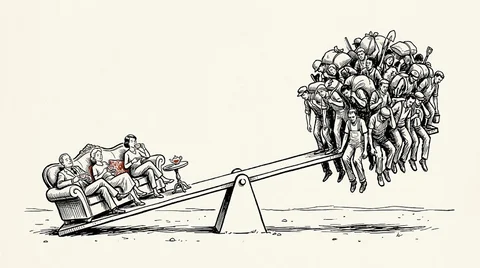
The gap between official reports and public opinion is widening, and it is now almost at the point of being irreconcilable. The main manifestations are that official reports know where the social questions lie, but either they speak for themselves and completely ignore them, or they skim the surface without explanation. Public opinion has also shifted from eagerly awaiting authoritative conclusions from official reports to the current state of contempt, ridicule, and abuse.
The nature of official reports is no longer concealed, cannot be modified or beautified. The small amount of information that constitutes the report serves the predetermined qualitative nature when selected; the report either apologizes insincerely, or does not apologize, or ends hastily with empty words of "drawing inferences from one instance." The concealment of public opinion by the report, the metaphor of public power, and the escalation of public opinion have never been so direct.
We are forced to enter the information structure of the era of official reports, and the price is that the public nature of the mass media is infinitely shrinking, and the society's ability to seek the truth is being compressed without limit. Before the two recent reports, there was indeed a short period of time when society was superstitious about reports. That was the moment when news and the public missed each other. Now people have awakened from the foolishness of "enjoying the decline of news."
Things have already deteriorated to this extent, that is: the absence of news media in major public events, even if there is no lack of criticism, does not mean that the persuasiveness of official reports has increased in the slightest. The abilities and credibility lost by the mass media can no longer allow reports to boast. People have accepted the social reality of the lack of news, and reports have also become a part of the lack rather than being detached from the lack.
Analyzing the ineffectiveness of official reports with a similar Tacitus effect is no longer very meaningful. In fact, the government's overall control over public opinion has not weakened but has become stronger. At the same time, the guiding role of reports as spokespersons for official opinions and official definitions on public opinion has not become stronger but has become weaker. A large government and a large public opinion coexist in a contradictory state.
In this situation, even whether the news media can publish the truth, its necessity and importance have also decreased. It is not to say that it is not important for institutional media to explore and disclose the truth with the logic of news, but rather, since public opinion can usurp news, why can't it also usurp reports? Especially after the target of the report has changed, it is common for it to be trampled by public opinion.
Finally, under the ever-changing torrent of public opinion, the importance of government officials and journalists has been uniformly lowered, and in a certain sense, they have become unimportant (but it does not affect them acting according to their own understanding of meaning). Their unimportance, coupled with the overall unimportance of truth in China, is equivalent to saying that it is meaningless to distinguish the abyss and its mirror image.
But unlike the truth that cannot be discovered by journalistic professionalism and then feels ashamed, the dwarfing and marginalization of reports in public opinion will not make those within the system feel morally deficient. The latter's interest in controlling public opinion remains unchanged, but under the premise of the decline of the report model, even if they realize that the report is inadequate, they are not very anxious or feel powerless for the time being.
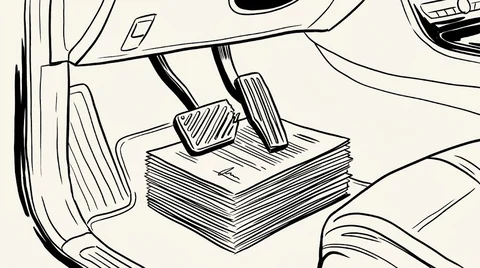
A direct reason is that reports are not fighting alone; after their paleness and weakness, there are other compulsory means that can be used. These thunderous means can immediately put pressure on public opinion and cut off the public opinion situation that has been escalated by the report. Therefore, even in the stage where the report is useful, the effect of guiding public opinion is not in the report itself, but in the thunderous hand behind it.
The various obvious "incompetence" of the "reports" can more or less break the superstition of two groups of people. On the one hand, it is the superstition within the officialdom, believing that once the report is issued, public opinion will immediately be clear; on the other hand, it is the superstition of the public, equating the report with the truth. Breaking these superstitious thoughts may not help much with the truth, but it is beneficial to a sound personality.
As people who have to be in such a public opinion environment for a long time, the most important concept to establish is the four words "the report is over": there will be reports, but the reports are just so-so. It's like a small stone thrown into a pond of frog calls, with a void of influence and no achievements. In this way, one can be neither humble nor arrogant in the ruins of the truth, pray for some possibility, and traverse the obscure truth cycle.
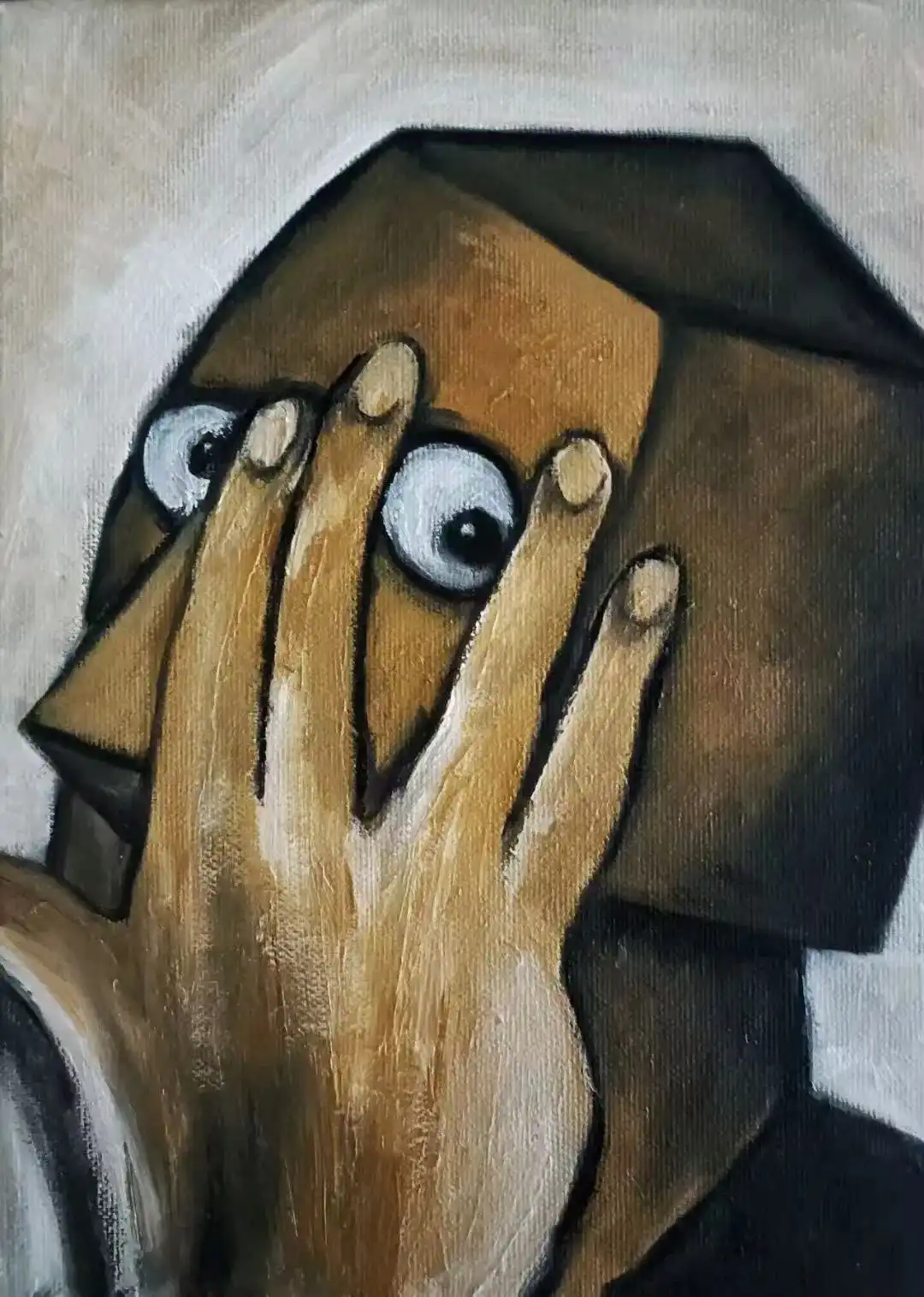
【The quoted image has been authorized by the artist, the bald-headed stubborn man】