167 million spent on image projects, while classrooms leak and students eat standing up, but no one cares?
According to media reports, the National Audit Office’s 2024 audit report recently revealed that there were violations in the use of special education funds in China.
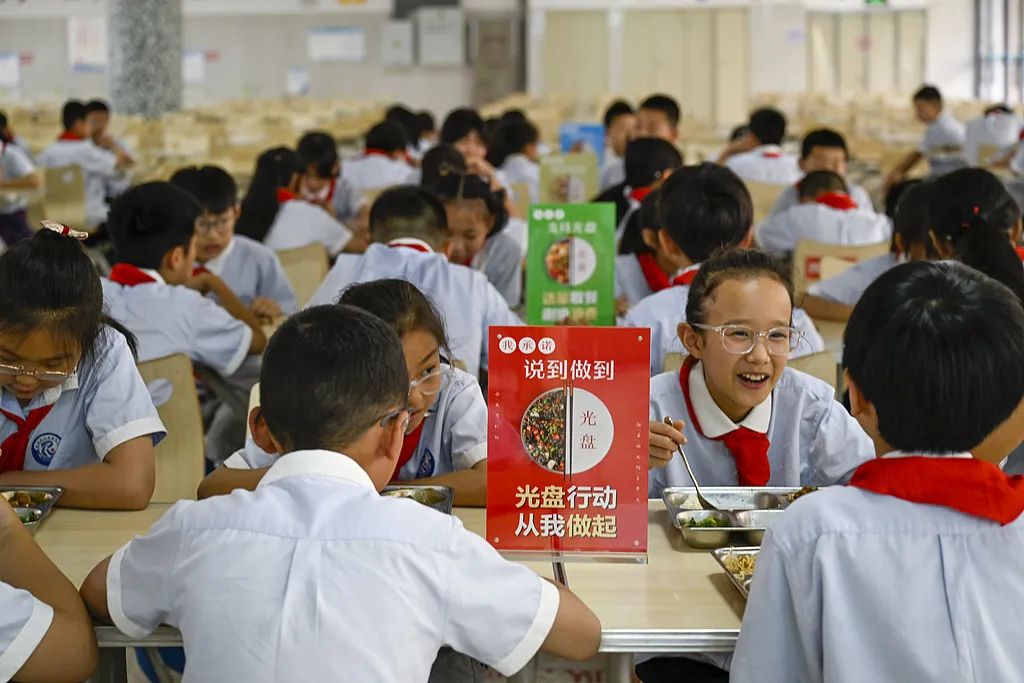
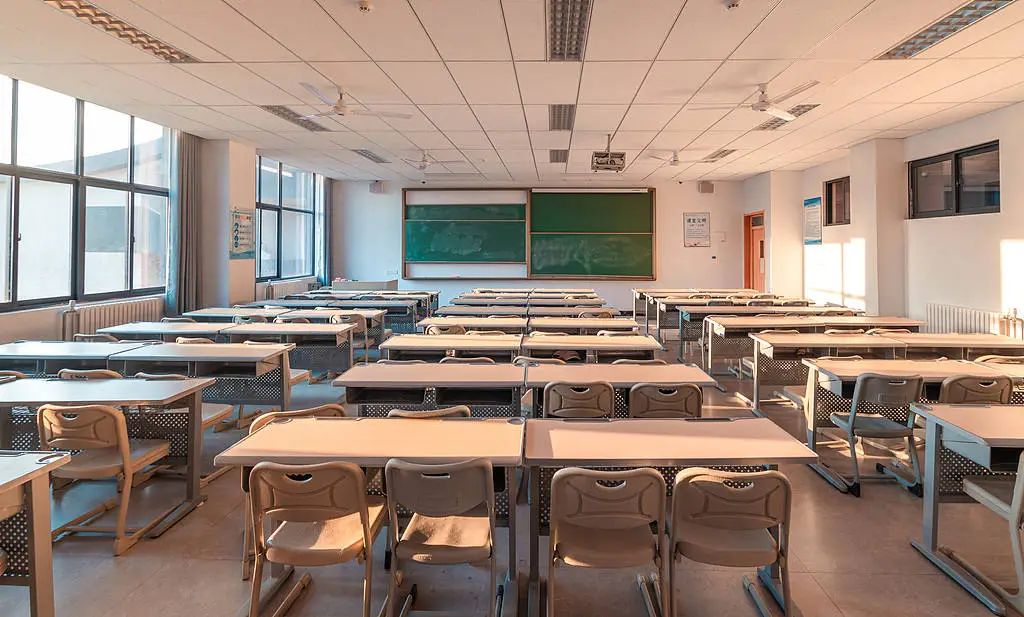
In over 100 counties and thousands of schools, some classrooms leak, some computers are scrapped and not replaced, and some students have to stand and eat because the cafeteria has no chairs, while over a dozen counties spent 167 million on image projects.
Let’s take a look at two cases specifically mentioned in the audit report—
In Tongchuan District, Dazhou, Sichuan, without addressing the shortcomings of student dormitories and canteens in a rural school, 3.8207 million yuan was spent in 2021 to purchase 190 yellow-wood trees, ginkgo trees, etc., for another middle school, with a unit price exceeding 10,000 yuan.
In Huai’ren City, Shanxi, without addressing the shortcomings of shower facilities in 5 rural boarding schools, 2.3891 million yuan was spent between 2021 and 2023 to build rockeries, pavilions, and other landscape projects or install colored lights for lighting projects in 2 county schools.
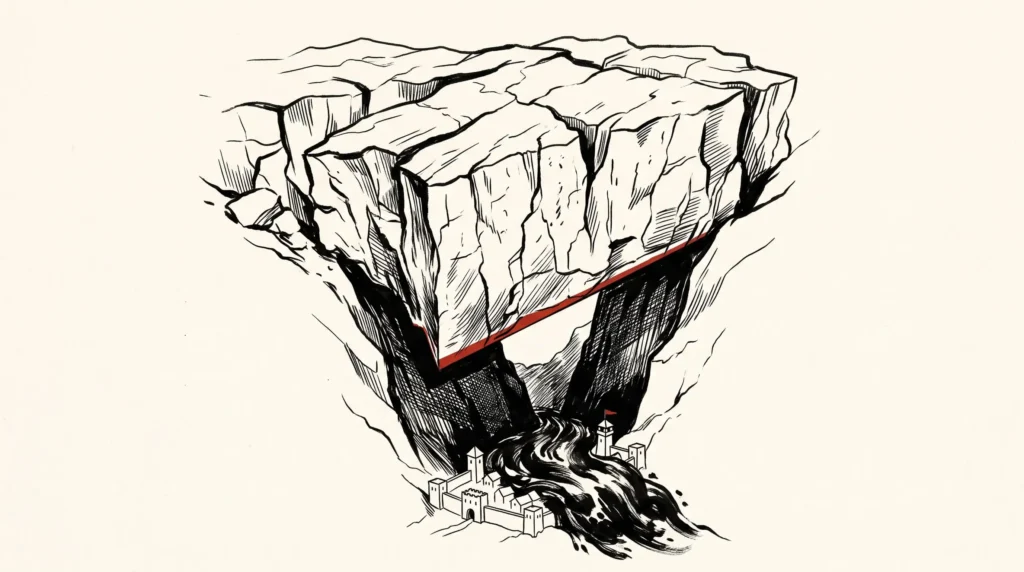
There is no money to improve the living conditions and dining environment of rural students, but millions are spent on flowers and rockeries in county schools. Improving the school environment doesn’t seem like a big mistake, but since it could clearly be used in more urgent places, why is it so “robbing the poor to help the rich”?
What is equally infuriating is that last year’s audit report highlighted the issue of the misappropriation of special education funds. Many places directly diverted the nutrition subsidy funds that should have been used for students to repay government debts and pay benefits to teachers. Unexpectedly, similar problems still exist this year—
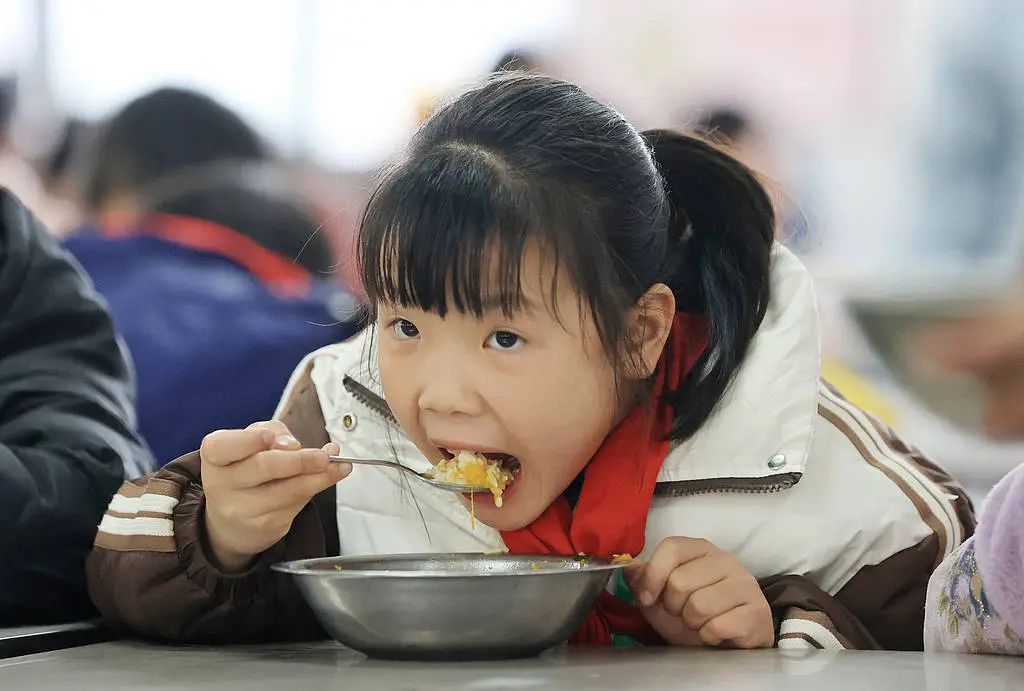
110 counties have eroded funds for short-board subsidies by directly diverting and falsely listing expenditures, totaling 4.089 billion yuan. Some were used to repay government debts, some to balance budgets, and some to build teacher office buildings, etc.
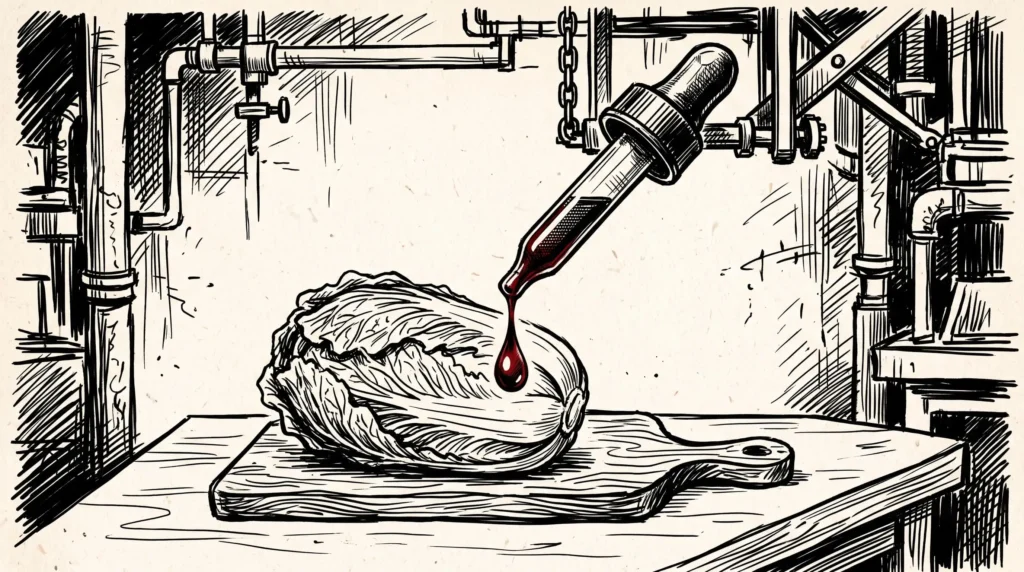
Education cannot be neglected, and children cannot be wronged. But looking at these cases, it is known that special education funds are still the “Tang Monk meat” in the eyes of some local governments and departments, and they want to find ways to get a share, no matter how strong public anger is.
What’s even more shocking is that, in addition to misappropriating special education funds, some places have also set their sights on agricultural subsidies and pensions.
The audit report mentioned that in the 20 provinces that accepted the audit of agricultural subsidies, 175 counties in 16 provinces withheld and misappropriated 4.164 billion yuan, which was used to repay local government debts and pay salaries to public officials. By the end of June 2024, the arrears of subsidies to farmers in relevant areas averaged 1 year, with the longest being 9 years.
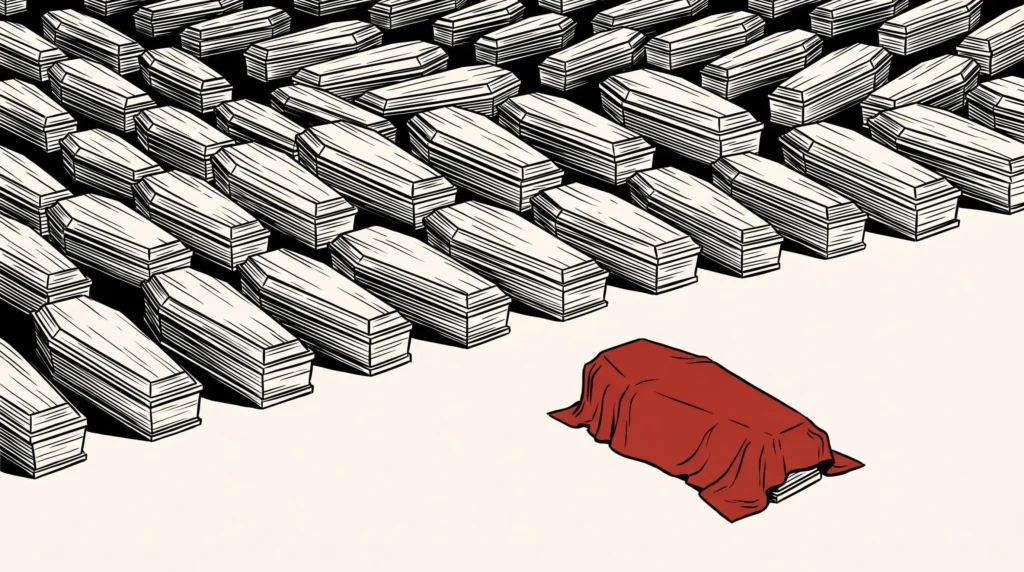
28,300 employees in 25 provinces illegally received pension benefits of 519 million yuan by providing false medical records or tampering with files to retire early. For example, a staff member of the Disease Control Center in Pu County, Shanxi, had 14 alterations in their personnel file, “working at 1 year old and retiring at 22 years old” and still passed the review and “retired”, receiving a cumulative pension of 690,000 yuan, while also working and receiving pay in a new unit.
It can be seen that whether it is special education funds or agricultural subsidies, the situation of being misappropriated by local governments to repay debts is very prominent.
It is a fact that the finances of some local governments have been unfavorable in recent years, but it is still incredible to blatantly withhold central financial funds and use the money in places where it should not be used, preventing those in need from enjoying national subsidies and pension benefits.
One of the root causes of these places daring to do so may be the lack of strict accountability.
By reviewing past news, it can be found that local officials engage in image projects or misappropriate funds to fill financial holes. Unless it involves corruption or the transfer of interests, they are generally not subject to very severe penalties, usually disciplinary actions, and at most, dismissal or demotion. After the storm passes, they may be able to find a better place or department to advance their careers, which is far from enough to deter officials.
And one of the important reasons why some places have huge debt problems is the reckless image projects. The reason why image projects are called image projects is because these projects are easy to be seen, can make some officials feel proud, and are also easy to get promotions.
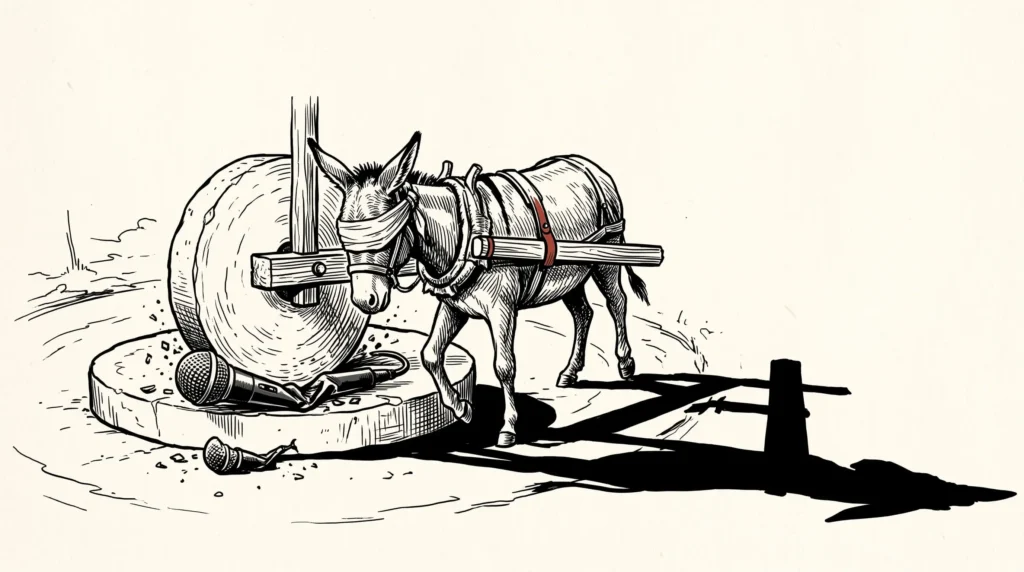
Projects like renovating campuses and improving the environment of student dormitories are thankless tasks, and officials have little motivation to do them. Over time, a vicious cycle is formed, and the officials’ vanity and the mines they buried need to be constantly squeezed out of people’s livelihood to remedy them.
It is also not ruled out that some places have a fluke mentality, thinking that they can first divert a little to repay debts and then make up for it when they have money, until they later find that they are completely unable to fill the holes.
The special funds allocated by the state, whether for education, agriculture, or pensions, are intended to allow more people, especially those with relatively poor economic conditions, to live better lives.
Therefore, no matter what the motive for misappropriation is, it seriously harms the interests of the people who should be taken care of. Those who misappropriate should be severely punished and sentenced, and it cannot be limited to the level of rectification.
Discover more from 自由档案馆
Subscribe to get the latest posts sent to your email.