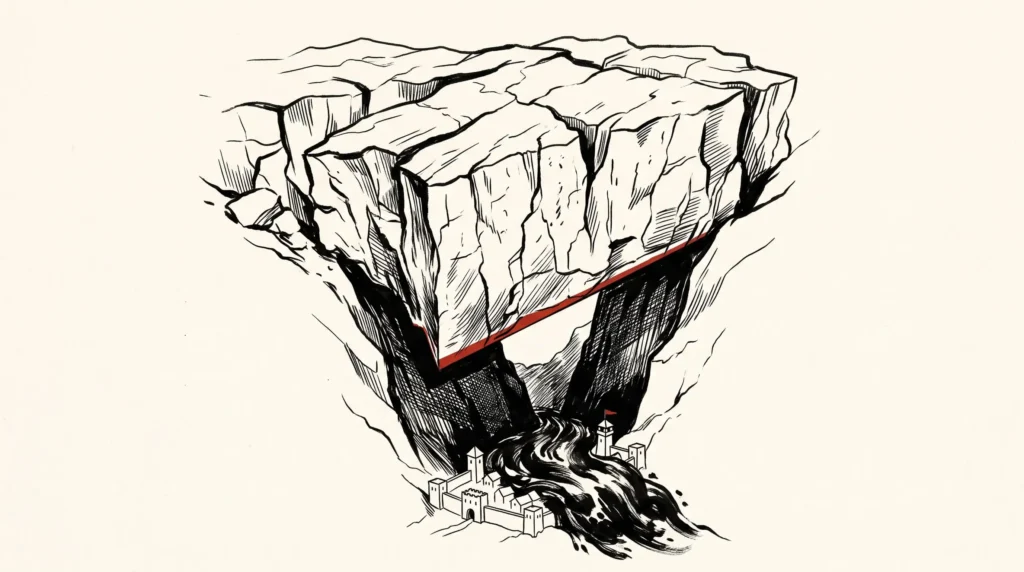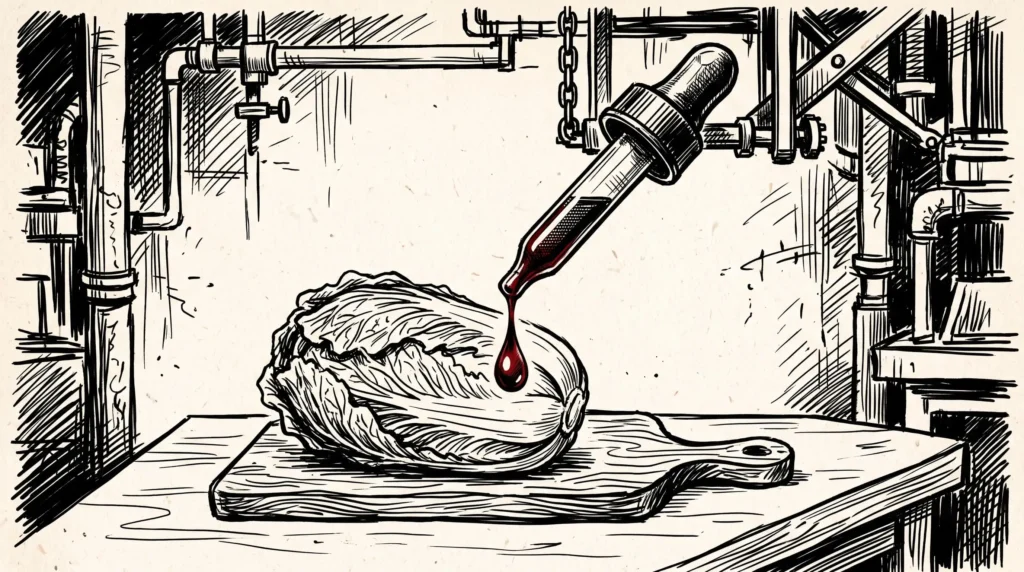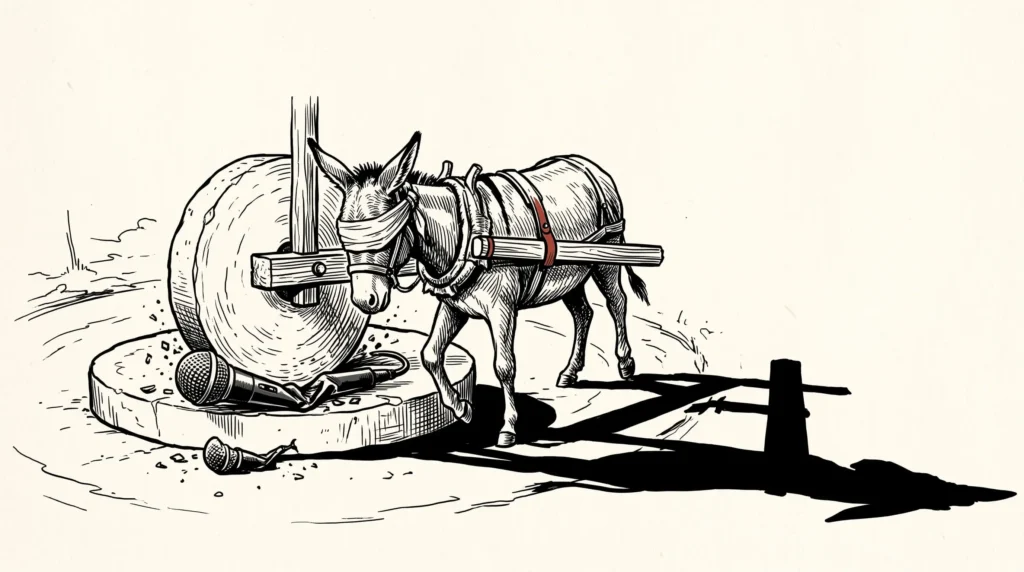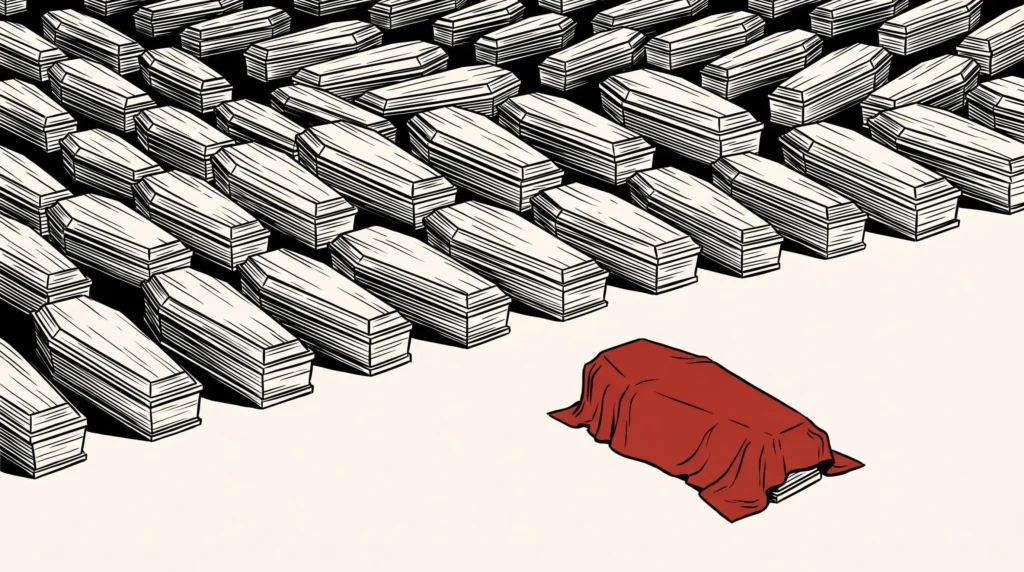
When it comes to the term “academic clique,” Chinese people are not unfamiliar. These power holders, cloaked in the guise of knowledge, possess resources, control certifications, and approve funding and projects, living a life of ease, as if having a degree could lead to high positions.
But don’t think this is only an ecosystem unique to academia. Looking around, a more massive and secretive “clique alliance” has already quietly taken shape: the science clique, the art clique, and resource monopolizers who are everywhere.
In the past, “scientist” was such a sacred title. Qian Xuesen, Deng Jiaxian, Yuan Longping, who didn’t dedicate their lives, willing to burn their souls for the motherland?
But today is different from the past. The selection of academicians has long become an “invisible talent show,” even more exciting than a talent show—but it’s not about ability, but about connections, circles, and channels.
The qualifications for the current selection of academicians are more about their ability to coordinate resources behind the scenes, rather than just focusing on their research capabilities.
The “science clique” is no longer the scientific researcher who stays up late in the lab until their hair falls out, but rather the “elite within the circle” who wear suits, ties, and are full of talk about “strategic emerging industries” and “chokehold technologies.”
Some experts in the review of major scientific and technological projects hold “national strategies” in their hands, but what they have in mind is “my disciple has been selected” or “my son is about to graduate.”
It is said that some academicians have dozens of postdocs under them, and the projects are so numerous that they have to outsource the writing of PPTs. Papers? There are already ghostwriters. Technology? It doesn’t matter if you don’t understand, as long as you can hold a press conference.
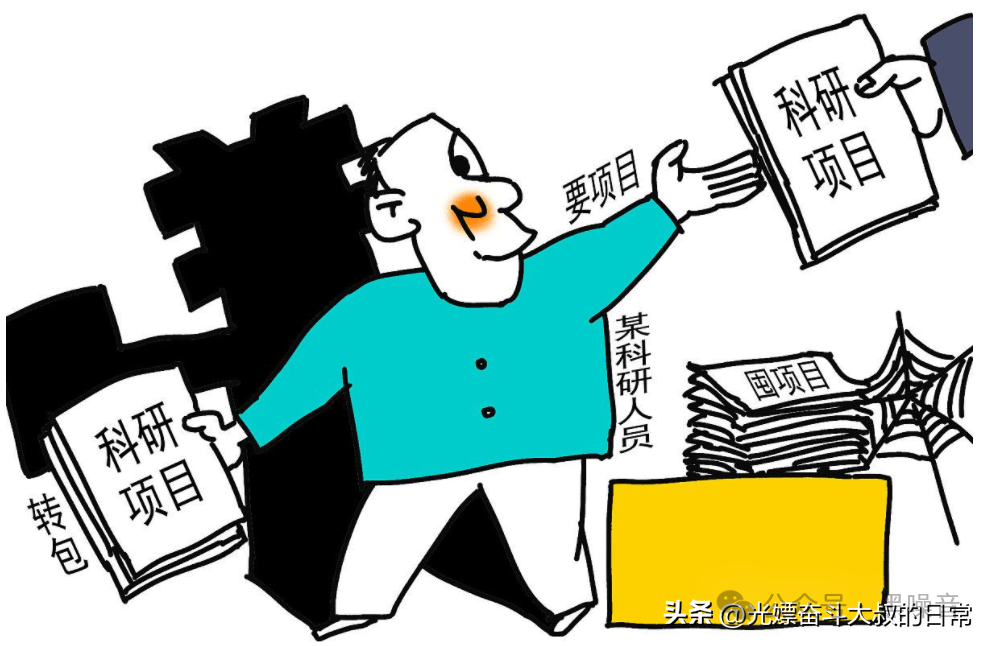
What is advanced technology, they have the final say; what is innovative achievement, they evaluate; how project funds are allocated, they sign and stamp. If you want to do scientific research, you have to get into their small circle, otherwise, let alone awards, even the light bulbs in the lab may not be approved.
When the evaluation criteria of a scientific research system are monopolized by a few people, when technological achievements become by-products of “human relationships,” the so-called “innovation ability” can easily become their cover, papers can fly to the sky, but technology cannot land.
What ultimately harms is the development level of China’s science and technology.
Let’s talk about the “art clique.” There is a tacit rule in the current painting circle: it’s better to be good at socializing than good at painting, and art academies are not studios but clubs.
Want to hold an exhibition? The ability to socialize in the circle is far greater than your painting level itself.
You may be hearing the term “art clique” for the first time. But once you enter the current art circle, it’s a revelation—what is “using painting to support power, and using power to support painting”? You’ll know when you see them.
The so-called “art clique” is the group of people who control the standards of painting evaluation, exhibition entry, and art resources. They often have amazing titles: chairman or director of a certain association or branch, and also some outstanding contribution figures in the XX field… It sounds like even the UN Secretary-General has to show them respect.
But if you really ask them to paint a picture, they might even tremble.
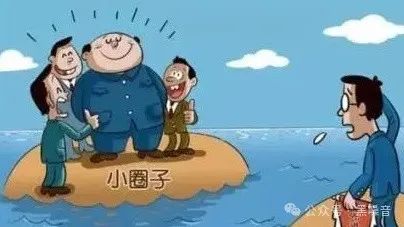
The real skill of some art cliques is not in their brushwork, but at the dinner table. Painting awards emphasize not the skill of brush and ink, but “which master they have been taught by,” “whether they are someone’s student,” “which art academy they entered in which year.”
Doing art? Better to get connections first. If you worship the wrong master, you’ll waste ten years of effort; if you stand in the wrong team, a work won’t be able to enter the exhibition hall.
Of course, genes are still the most important. If your father is a great painter, then you must also be a great painter, even if you don’t really know how to paint.
Therefore, “art exhibitions” have also become a display of power. In some “art exhibitions,” a painting is priced at 8 million yuan, depicting a thick red line with a few ink dots, and then a bunch of people nod and say “extremely rich in Eastern philosophical thought.”
Do you think they really understand? In fact, they are just betting on the network of relationships behind that piece of paper.
In the art clique world, these exhibitions are not for the public at all, nor are they used to cultivate new artists, but to support power.
Beauty is not the goal, fame and fortune are the main theme.
So you will see a nonsensical “celebrity,” leading a group of “talented students,” occupying exhibition resources, lecture seats, and government procurement channels, while the truly capable and willing young people can only struggle silently in the stalls, the internet, or the small corners that are always ignored.

The same is true in the literary world. Many talented young people don’t even have the opportunity to publish, but the “writing cliques” can publish several books a year with literary garbage, and they can also hold “work seminars” with great fanfare.
In fact, from the “academic clique” and “science clique” to the “art clique,” it’s essentially the same thing: the hereditary nature of knowledge, the circle-based nature of resources, and the implicit monopoly of power.
Just like the aristocratic families of ancient times, today’s “clique alliances” also have several common characteristics:
Based on seniority, with a clear hierarchy: no matter how capable you are, you are not as good as someone’s “student of so-and-so”;
Nepotism is rampant, inbreeding: father and son are both professors, teacher and student are both academicians, meetings are like family banquets, awards are like family trees;
Control resources, determine standards: it’s not your effort that determines whether you can succeed, but whether you have entered their drinking parties.
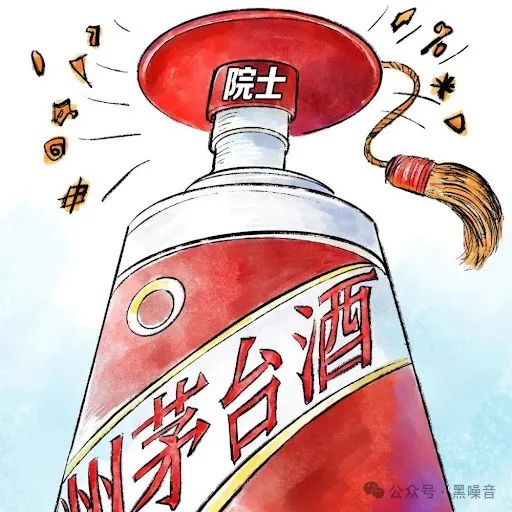
Over time, this phenomenon will gradually strengthen into a cultural gene and be silently absorbed by the next generation. When everyone firmly believes that “it’s better to rely on connections than on ability, and it’s better to hug thighs than to work hard,” then society will also slowly deteriorate.
Many people explain: “This is the Chinese characteristic of human relationship culture.”
But if even science, art, and education, which should be the purest places in society, become a mire of interests, then what will we use to shape the future of the nation?
Has it always been this way, so it’s right?
These “cliques” are not only wasting resources, but also undermining the foundation of China’s scientific, academic, and artistic development, and are exhausting the faith and enthusiasm of a generation. One of the most important reasons why so many young people are lying flat is because the “cliques” have been utterly disappointing.
There is a concept in philosophy called “negative freedom.” Faced with these realities that easily make people disheartened, young people can at least insist on not worshiping, not praising, not kneeling, and not blindly following.
Let us all remember one sentence:
True knowledge is the fire of burning free thought, not the incense of hereditary power.
Discover more from 自由档案馆
Subscribe to get the latest posts sent to your email.