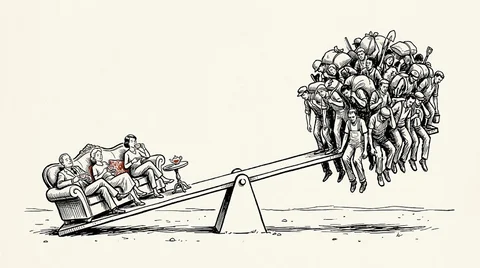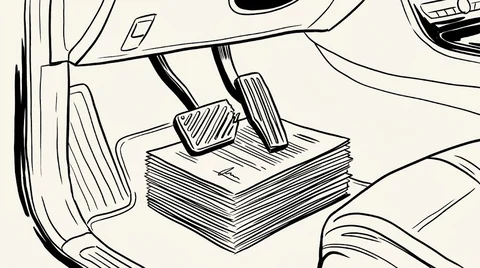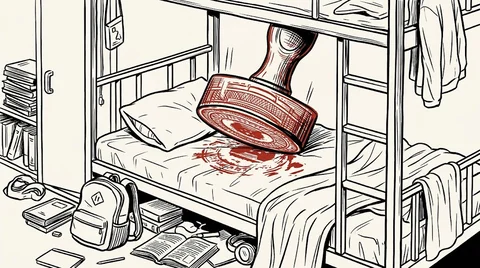


When I was drinking coffee this morning, I saw a new report from Caixin, and I almost sprayed my coffee out. It's humorous and funny, surpassing the sum of all the language programs of the 2025 Spring Festival Gala.
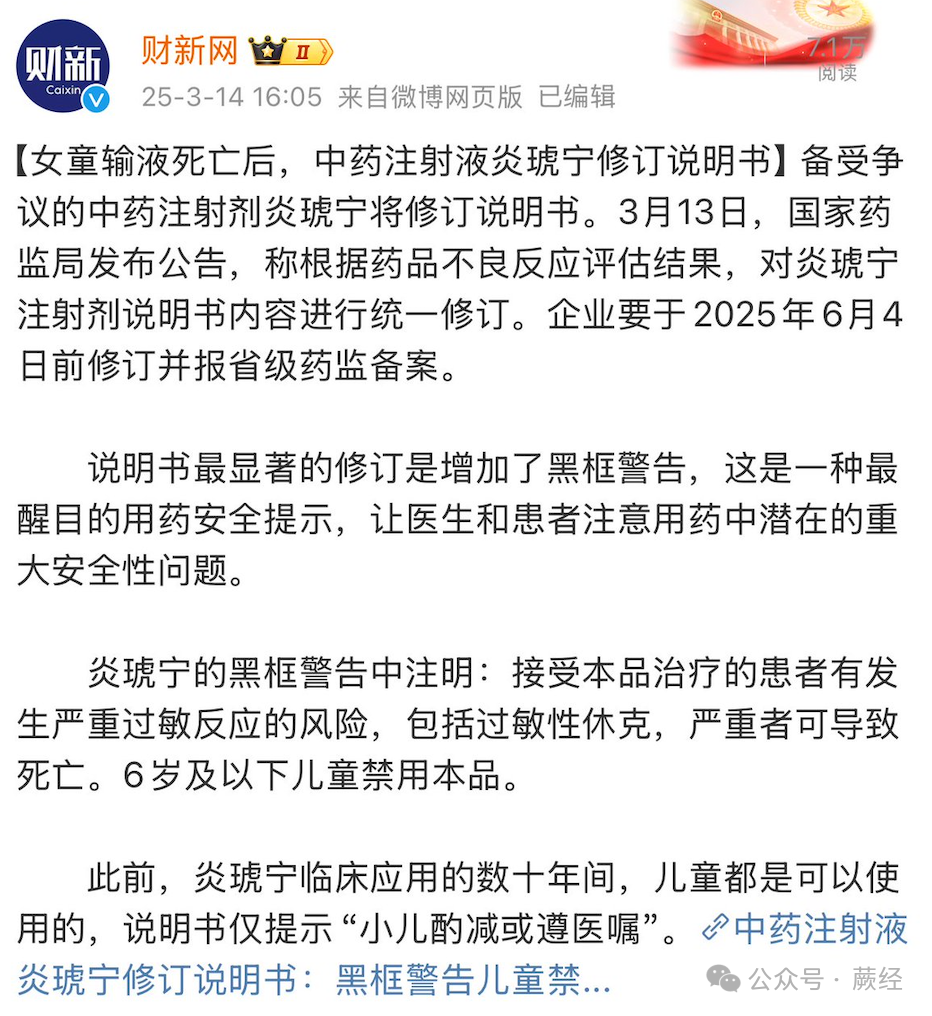
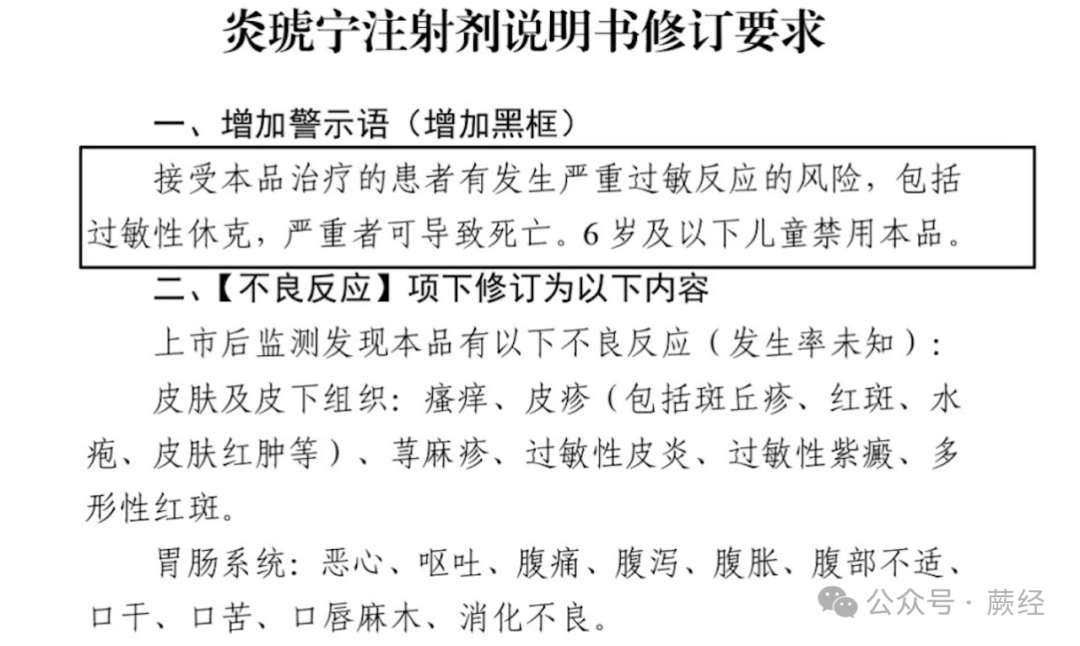
Awesome. Yanhuining, this famous and important injection, has actually been given a black box warning. It's amazing and I'm speechless (this is a euphemistic way of saying a certain idiom...). I decided that I must write something, or I won't be happy.
In the rigorous system of modern medicine, a 'black box (or black frame) warning' is a serious concept. A black box warning is the highest level of warning issued by the U.S. Food and Drug Administration (FDA) for potential serious risks or side effects of prescription drugs. It usually appears in a black box in the most prominent position of the drug's instructions, reminding doctors and patients: this drug may have significant risks in certain situations and must be used with caution. Black box warnings must be based on evidence-based medicine of modern medicine—a large number of clinical trials, case reports, systematic studies, and layer-by-layer verification to ensure the scientific and reliable of the warning.
There are many classic cases of black box warnings. For example, paroxetine (Paxil), an antidepressant, a selective serotonin reuptake inhibitor (SSRI) commonly used to treat depression and anxiety. In 2004, the FDA issued a black box warning for SSRIs, including paroxetine, pointing out that they may increase the risk of suicide in adolescents and children. This warning is based on multiple clinical studies, including observations of thousands of patients, and the data shows that paroxetine may increase the risk of suicidal ideation and behavior in patients under 18 years old by about 2-3 times → the absolute risk in terms of numbers is not large, but once it occurs, it may destroy an individual, a family). Another case is the famous CAR-T therapy for malignant tumors (especially effective for some refractory blood cancers and malignant lymphomas). However, the FDA added a black box warning for CAR-T therapy (such as Kymriah) in 2017, indicating that it may cause fatal cytokine release syndrome (CRS) or neurotoxicity. These warnings are also based on clinical trial data. For example, in the Kymriah trial, about 20% of patients developed severe CRS.
The significance of black box warnings is to remind doctors and patients to weigh the pros and cons after clarifying the risks. But the premise is that these drugs must be verified by modern medicine and have clear efficacy. But Yanhuining, a Chinese medicine injection, is actually trying to put a black box warning on itself, which is simply a joke.
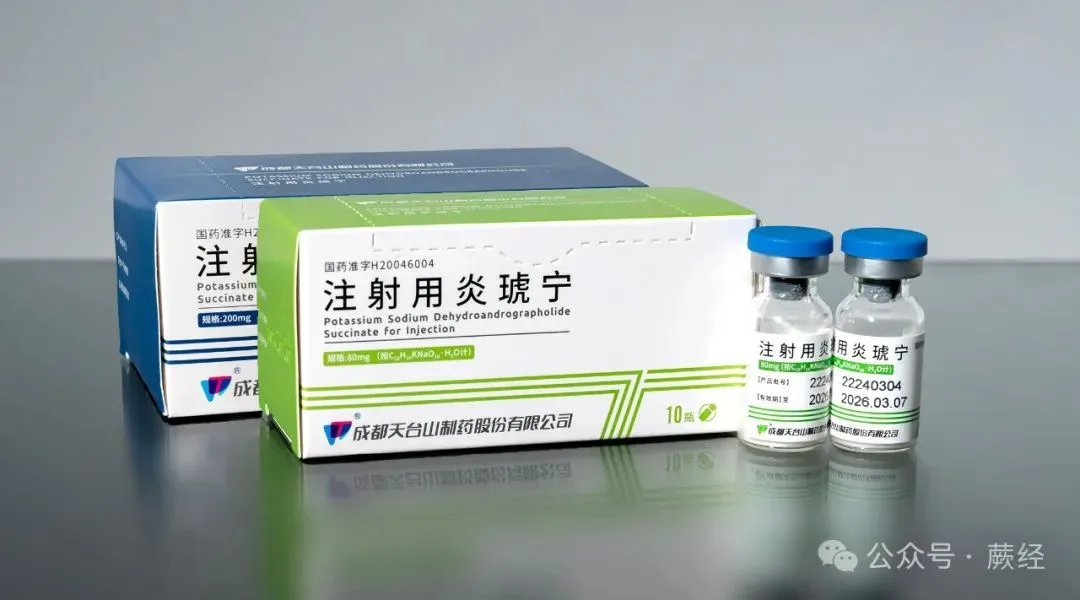
What is Yanhuining? From the perspective of modern medicine, it is a harmful and useless pseudo-drug. Yanhuining (sodium succinate for injection) is a Chinese medicine injection, claimed to be used to treat infectious diseases, such as upper respiratory tract infections, pneumonia, etc. Its main component is andrographolide, which claims the effect of 'clearing heat and detoxifying'. However, like other Chinese medicine injections, Yanhuining does not meet the standards of modern medicine drugs at all—it lacks rigorous evidence-based medical evidence to support it. Modern medicine has very clear requirements for drugs, and I have repeated it countless times on my public account for more than a decade: it must prove its efficacy and safety through scientific methods such as randomized controlled trials (RCT) and double-blind experiments. Yanhuining? According to existing medical literature and public information, the clinical trial data of Yanhuining is extremely scarce, mostly low-quality observational studies, lacking random grouping, blind design and control groups, with small sample sizes and non-standard trial designs. What's exaggerated is that the pharmacological mechanism of Yanhuining is unclear, and its so-called anti-inflammatory effect lacks verification at the molecular level. Simply put, the efficacy of Yanhuining depends on traditional Chinese medicine theory + case reports. If Jay Chou loves the era before the Christian era, then this drug is probably still before science (I don't know how I can improvise this kind of thing while writing...).
What's worse is that Yanhuining is not only useless, but also potentially harmful. Andrographolide, as a plant extract, has complex components and is prone to allergic reactions. According to the report of the National Adverse Drug Reaction Monitoring Center of China, the use of Yanhuining is associated with a variety of serious adverse reactions, including anaphylactic shock, difficulty breathing, and even death. The instructions for Yanhuining are required to add a black box warning, which is under this background. However, this just exposes an absurd logic: something that doesn't even have the qualifications of a modern medicine drug is allowed to use a black box warning openly?
Marking calories on food (as everyone who has eaten McDonald's knows, it's clearly written on the hamburger packaging paper, how much exercise you need to do to make up for this energy debt after eating one), is to remind consumers that the calories they consume may affect their health. But the premise is that this must be food—whether it's beef or chocolate. But what about feces and urine? That's right, feces and urine also have calories, and you can eat them if you really want to, and even eat and drink as much as you want, but only the people in the wards of 600 Wanping South Road, Shanghai will do this. But although feces and urine are disgusting, being disgusting and being poisonous are two different things after all. Chinese medicine injections like Yanhuining not only have uncertain efficacy, but also have the potential to cause serious consequences (anaphylactic shock, organ failure, etc.). From this perspective, I even feel a little lack of basic respect for feces and urine.
The harm of Chinese medicine injections is not an isolated case, but has a timeline. Let's briefly review it, and I guarantee you will be very emotional:
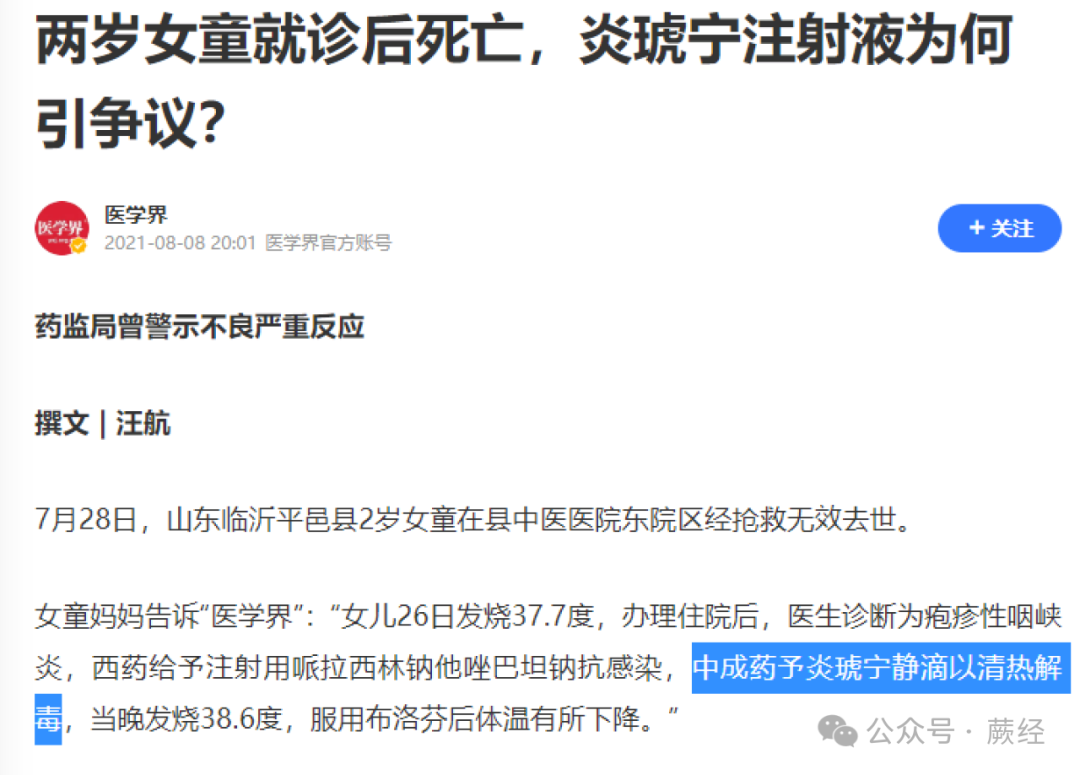
In May 2006, a 6-year-old child in Sichuan developed a severe allergic reaction after using fish gall injection and died after rescue. In the same year, the State Drug Administration received multiple reports of adverse reactions, including anaphylactic shock, respiratory failure, etc., with a total of 6 reported deaths and hundreds of serious adverse reactions. In the end, the State Drug Administration urgently stopped the production and use of fish gall injection.
In November 2008, a newborn in Hunan developed acute renal failure after using Yinzhihuang injection and subsequently died. Yinzhihuang injection contains a variety of undefined ingredients that may cause liver and kidney toxicity. From 2008 to 2009, the State Drug Administration received a total of more than 4,000 adverse reaction reports for Yinzhihuang injection, including more than 200 severe cases and more than 10 deaths. In the end, the injection was restricted for use.
In 2012, a patient in Henan died of anaphylactic shock after using Shuanghuanglian injection. According to data from the State Drug Administration, from 2004 to 2012, Shuanghuanglian injection caused more than 10,000 adverse reaction reports, including dozens of deaths. In 2012, the State Drug Administration required that a warning of serious allergic risk be added to the instructions for Shuanghuanglian injection.
Chinese medicine injections have complex ingredients, difficult quality control, and unclear pharmacological mechanisms. Modern medicine drugs must undergo strict GMP (Good Manufacturing Practice) to ensure that each batch has stable and safe ingredients, but for Chinese medicine injections, this is almost an impossible task → after all, the raw materials from the very beginning are diverse, the extraction process is difficult to unify and standardize, and the ingredients of the same batch of drugs may vary greatly, and some may even contain different amounts of toxic substances.
Under such a background, adding a black box warning. This situation will indeed be a little better, Why? Because the children who are most likely to have serious adverse reactions don't use it, and adults can withstand it more, and it's not easy to have problems if they go down the same way, it's that simple. But the problem itself has not changed at all, let alone been solved. This is very interesting, similar to the medical version of not being able to solve the problem, so solve the people who raise the problem (children).
The normal logic should be the opposite: Chinese medicine injections are not qualified to use black box warnings at all, because they are not modern medicine drugs, and they are not even wrong. Finally, a black box warning was put on them, but it is modern medicine that is being humiliated.