

Human trafficking is a serious violation of human rights. According to the United Nations Global Report on Trafficking in Persons, in 2020 alone, there were more than 50,000 victims worldwide, of whom about 40% experienced sexual exploitation and forced labor. And this is only the number of victims that were discovered. The official statistics on human trafficking have not yet been released by China, but on the public welfare website "Baby Home Search for Children", there have been more than 180,000 registration records for family searches so far.
The regulation of criminal law is one of the important means to address human trafficking. In the 1990s, human trafficking was rampant in China. In order to combat human trafficking, especially the trafficking of women and children, in 1991, the Standing Committee of the National People's Congress promulgated the "Decision on Severely Punishing Criminals Who Traffick, Abduct Women and Children", which established the crime of trafficking women and children and the crime of purchasing trafficked women and children on the basis of the crime of trafficking in persons in the 1979 "Criminal Law", so as to increase the punishment for trafficking women and children and criminalize the act of purchasing.
However, in this decision in 1991 and in the 1997 "Criminal Law", there was an exemption clause for the act of purchasing, that is, if the purchaser "does not obstruct the return of the purchased woman to her original place of residence according to the wishes of the purchased woman", criminal responsibility may not be pursued. This exemption clause was not cancelled until 2015 in the "Amendment to the Criminal Law (IX)", after which the act of purchasing was uniformly criminalized, but there was still room for a lighter or reduced penalty.
In recent years, many hot events have made the crime of purchasing a focus of attention, and many people have called for "no purchase, no trafficking", demanding "the same punishment for buying and selling".
Against this background, the research team of Beijing Qianqian Law Firm collected the first-instance judgments of 671 cases of purchasing trafficked women and children from 2014 to 2020, based on the crime of purchasing, analyzed the basic information, rescue situation and follow-up placement of the trafficked women and children involved in the 671 judgments, as well as the sentencing tendency of the court to the purchasers, in order to enhance the understanding of the current situation and judicial judgment of human trafficking in China.
This article is divided into three parts. The first part introduces the source and basic characteristics of the 671 judgments, the second part is "The TAs who are priced", focusing on the basic situation and experience of the trafficked women and children; the third part is "The invisible purchaser", focusing on the punishment of the purchasers in judicial practice.

(1) Sample Source
The research samples come from the judgments published by the alpha-legal intelligent operating system. The judgment date is from January 1, 2014 to December 31, 2020. The case is based on the crime of "purchasing trafficked women and children", and the search is conducted with "judgment" and "first instance" as the screening conditions. After removing the repeated, unpublic and invalid judgments, a total of 671 valid documents were obtained, involving 1194 purchasers, 601 trafficked women and 493 trafficked children.
Note: Data statistics time: February 2022.
(2) Geographical Distribution of Cases
The vast majority of provinces have cases of purchasing trafficked women and children in these seven years. As shown in Figure 1, Shandong Province has the largest number of cases, reaching 135, accounting for 20.10% of the total. Followed by Anhui Province (90 cases, 13.40%), Henan Province (74 cases, 11.00%), Fujian Province (73 cases, 10.9%), Hebei Province (68 cases, 10.10%), and Yunnan Province (46 cases, 6.90%).
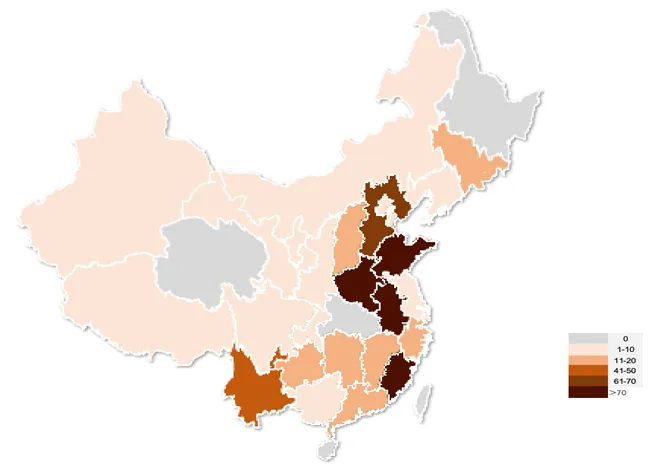
Figure 1 Geographical Distribution of Cases
(3) Time Distribution of Cases
As shown in Figure 2, the number of cases showed an overall upward trend from 2013 to 2017, and increased significantly after 2015, which is related to the amendment of the exemption clause for the act of purchasing to a lighter or reduced penalty in the "Amendment to the Criminal Law (IX)" in 2015.
The amendment stipulates: "Those who purchase trafficked women and children, and do not abuse the children who are purchased, and do not obstruct their rescue, may be given a lighter punishment; according to the wishes of the women who are purchased, and do not obstruct their return to their original place of residence, may be given a lighter or reduced punishment."
Previously, the content of the exemption clause in the 1997 "Criminal Law" was: "Those who purchase trafficked women and children, and do not obstruct the return of the purchased women to their original place of residence according to the wishes of the purchased women, and do not abuse the children who are purchased, and do not obstruct their rescue, may not be held criminally responsible".
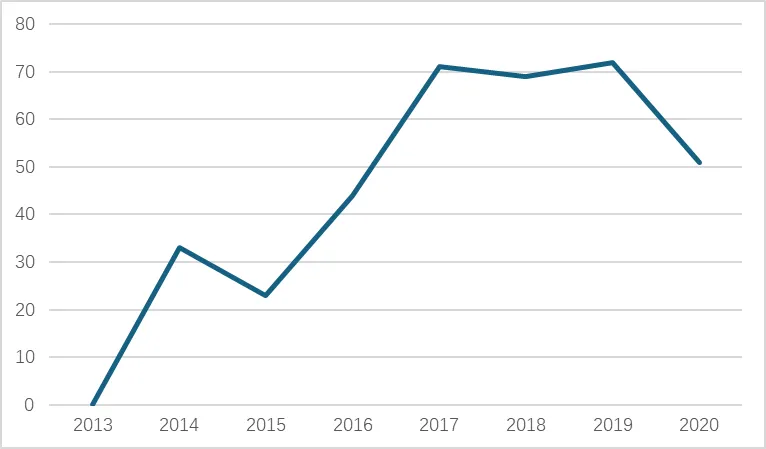
Figure 2 Judgment Year of Cases

Trafficked women——
· The age span of trafficked women is large, with nearly half being minors;
· The judgment clearly records that about one-tenth of the women have mental illness or intellectual disability;
· Foreign trafficked women account for 50%, mainly from Southeast Asia;
· Anhui Province is the province with the largest inflow of trafficked women, followed by Henan Province, Yunnan Province and Hunan Province;
· The methods of deception are diverse, and introducing marriage and working are the most common excuses;
· The trafficking price varies greatly, ranging from hundreds of yuan to hundreds of thousands of yuan.
Trafficked children——
· The total number of trafficked boys is more than the number of girls, and the number of trafficked girls over 10 years old is higher than the number of trafficked boys;
· More than 87% of the trafficked children are under one year old;
· The place of origin and the place of inflow highly overlap, mainly in Shandong, Fujian and Hebei;
· The price of trafficked children is concentrated between 30,000 yuan and 70,000 yuan, and the price of boys is generally higher than that of girls;
· Relatives trafficking is the most common;
· The follow-up is mostly received by social welfare institutions.

(1) Age of Trafficked Women
In the collected judgments, there are 36 trafficked women with known ages, nearly half of whom are minors, of whom the youngest is only 14 years old, and the oldest trafficked woman is 58 years old. As shown in Figure 3.
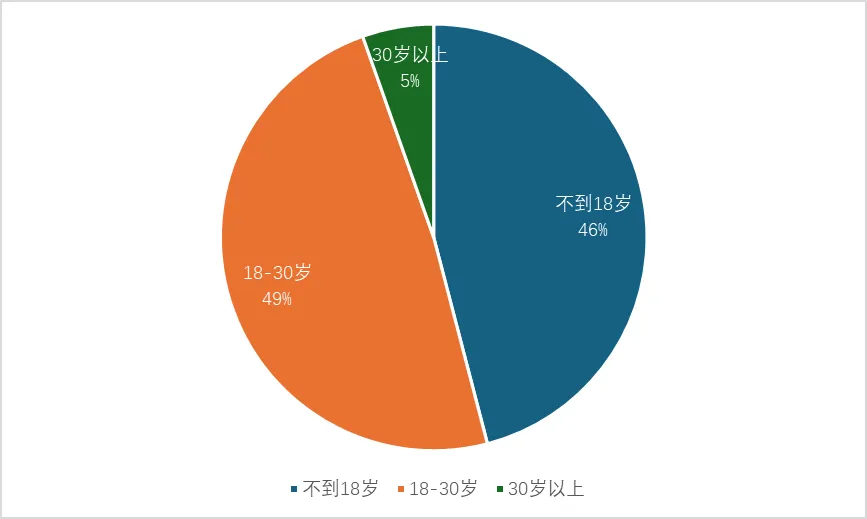
Figure 3 Age Distribution of Trafficked Women
(2) Whether Trafficked Women Have Mental Illness or Intellectual Disability
Among the 601 women, the judgment clearly recorded in the court's findings that 57 trafficked women had mental illness or intellectual disability. As shown in Figure 4, of which, 35 trafficked women had mental illness, 21 trafficked women had intellectual disability, and 1 trafficked woman had both mental illness and intellectual disability.
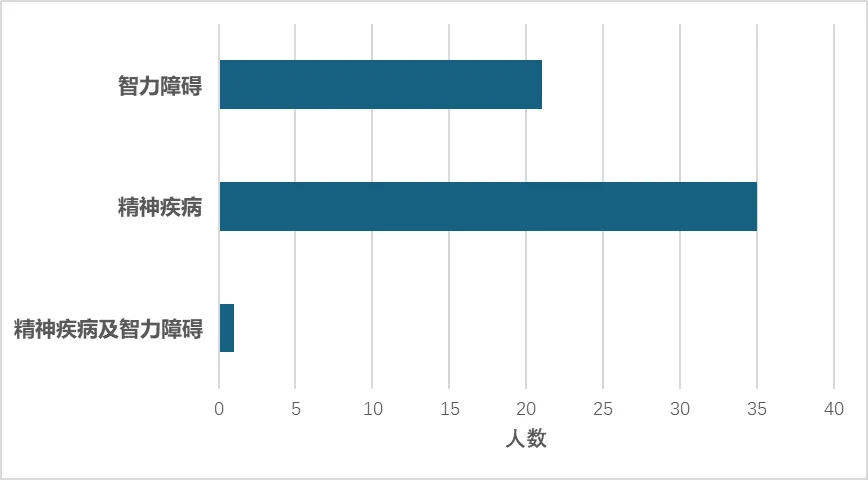
Figure 4 Mental Illness or Intellectual Disability of Trafficked Women
(3) Place of Origin of Trafficked Women
Among the 601 trafficked women, the information of nationality/household registration/usual place of residence of 557 women is known, of which 80 are Chinese women and 477 are foreign women.
Among the trafficked Chinese women, as shown in Figure 5, the number of trafficked women from Guangdong Province is the largest, with 11, accounting for 13.75% of the total number of trafficked Chinese women.
Secondly, there are 9 trafficked women from Yunnan Province and Guizhou Province, accounting for 11.25% of the total number of trafficked Chinese women; there are 8 trafficked women from Anhui Province and Guangxi Zhuang Autonomous Region, accounting for 10% of the total number of trafficked Chinese women.
In addition, there are trafficked women from Shandong Province (6 people, 7.5%), Henan Province (5 people, 6.25%), Hubei Province (5 people, 6.25%), Sichuan Province (5 people, 6.25%) and other places.
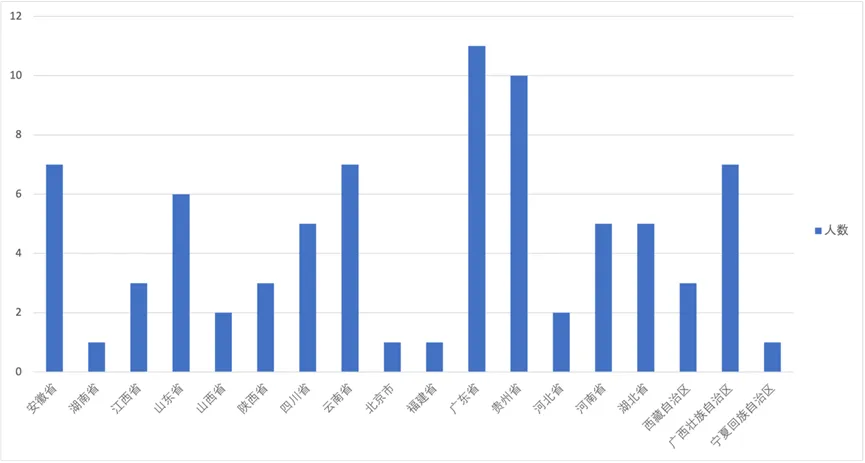
Figure 5 Original Household Registration/Original Usual Place of Residence of Trafficked Women
Most of the foreign trafficked women come from Southeast Asia. As shown in Figure 6, 299 trafficked women are Vietnamese, accounting for 62.68% of the total number of foreign trafficked women. Women from Cambodia rank second, with 62, accounting for 13% of the total number of foreign trafficked women. There are 52 women from Myanmar and 3 from Laos. In addition, there are 61 trafficked women from North Korea.
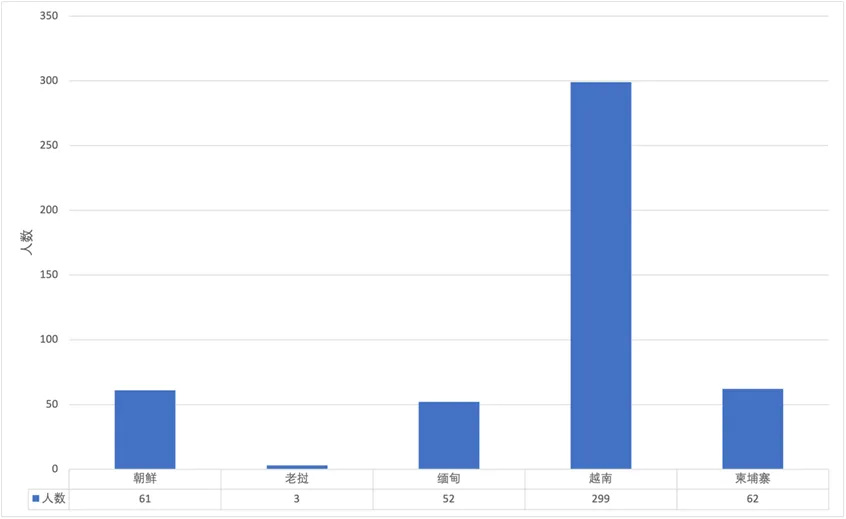
Figure 6 Place of Origin of Foreign Trafficked Women
(4) Place of Inflow of Trafficked Women
The sample judgments record the place of inflow of 583 trafficked women. As shown in Figure 7, Anhui Province is the province with the largest number of trafficked women, with 173 people; Henan Province, Yunnan Province and Hunan Province are followed by the number of trafficked women, with 82, 78 and 52 people respectively.
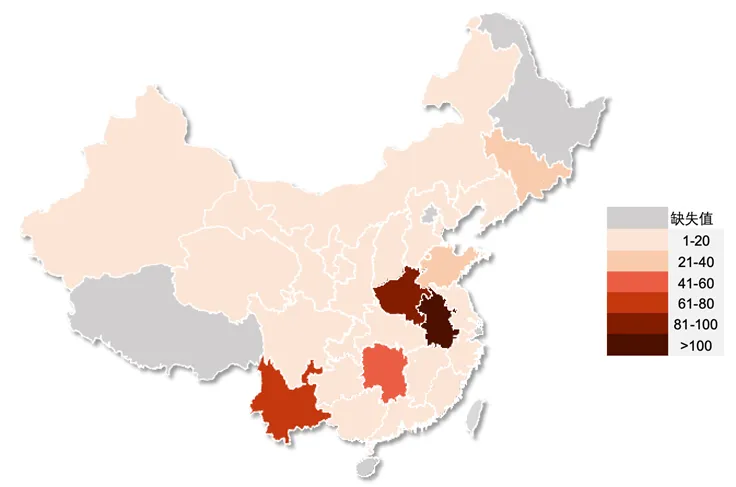
Figure 7 Geographical Distribution of Purchases
(5) Trafficking Methods
From the perspective of trafficking methods, more than half of the trafficking methods against women are reflected in the judgments. According to the description in the judgments, we divide the trafficking methods into the following ten types.
As shown in Figure 8, in the known cases of trafficking methods, most women were trafficked by being resold by others, introduced to marriage or work, or even directly taken away by force.
Other trafficking methods include: introducing to play (13 people, 4%), relatives selling (10 people, 3%), etc.
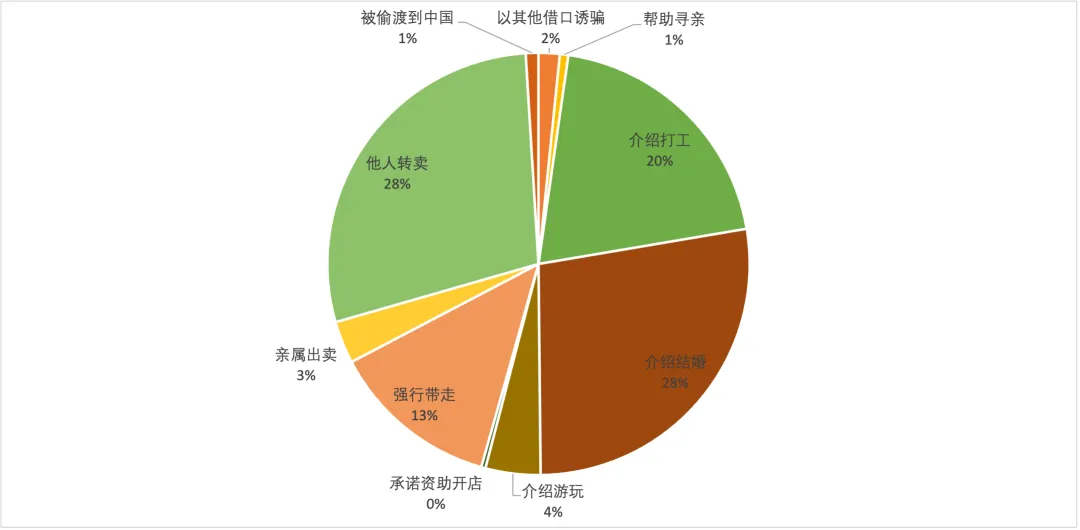
Figure 8 Distribution of Trafficking Methods for Women
(6) Purchase Price
In terms of purchase price, the lowest purchase price for trafficked women is 250 yuan, and the highest purchase price is 372,000 yuan. The purchase price of more than 80% of the women is below 100,000 yuan.
Compared with the bride price for marriage - from tens of thousands of yuan to hundreds of thousands of yuan, as well as "three golds", durable consumer goods, cars and houses, banquets, etc. - the economic cost of the price of trafficked women is much lower, with an average of about 61,000 yuan (see Reference 3).
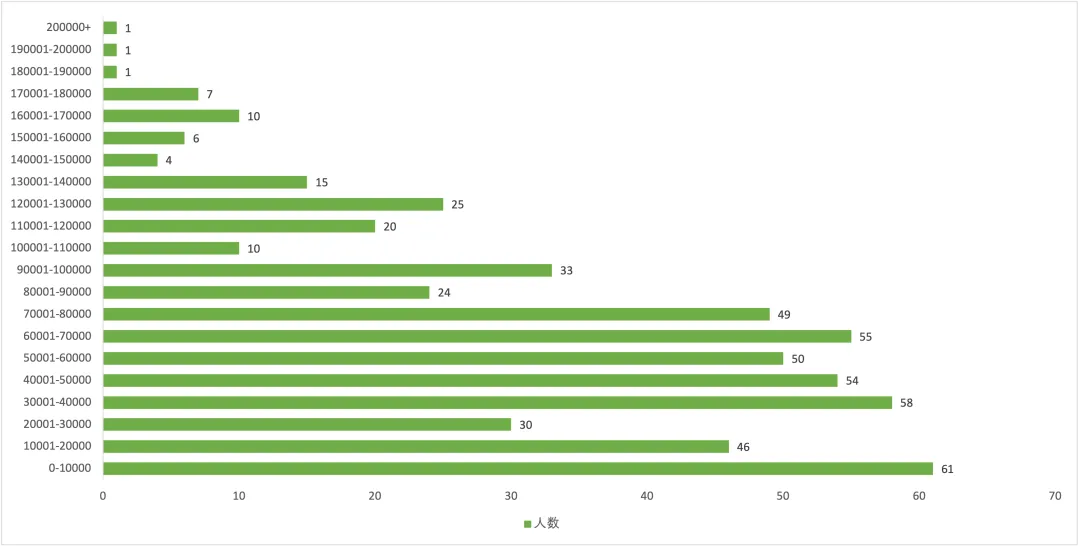
Figure 9 Distribution of Purchase Prices for Women
Note: Regarding the determination of the purchase price, if only one transaction is made, the transaction price is used; if there is a resale, the average value of all transaction prices is taken.
(7) Rescue and Follow-up of Trafficked Women
1. About 30% of trafficked women successfully rescued themselves
Among the 293 women with known rescue methods, 174 trafficked women were rescued by the public security organs, accounting for 59.38% of the total number of rescued trafficked women. 95 trafficked women successfully rescued themselves by calling the police or escaping, accounting for 32.42% of the total number of rescued trafficked women.
In addition, the channels for successfully rescuing women include relatives reporting to the police and the public discovering them.
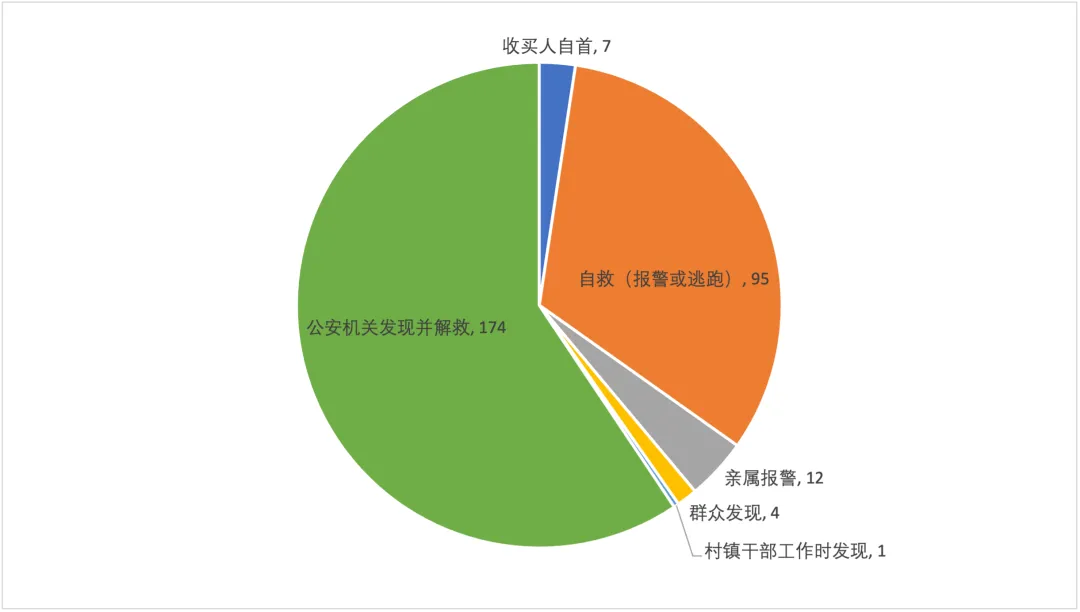
Figure 10 Ways for Trafficked Women to Be Rescued
2. Trafficked women mostly return to their place of origin after being rescued
In the cases involved in this report, we know the whereabouts of 223 trafficked women after being rescued. As shown in Figure 11, more than half of the trafficked women returned to their place of origin - returned to their original place of origin or usual place of residence.
However, 39% of the trafficked women did not choose to return, such as 18% of the trafficked women who chose to stay in the purchaser's home to continue living because they had already given birth to children in the place of trafficking, and 14% of the trafficked women who did not have children also chose to continue living in the purchaser's home.
In addition to these paths, some trafficked women went to a third place outside their place of origin and the purchaser's place, and some were sent to social welfare centers, etc.
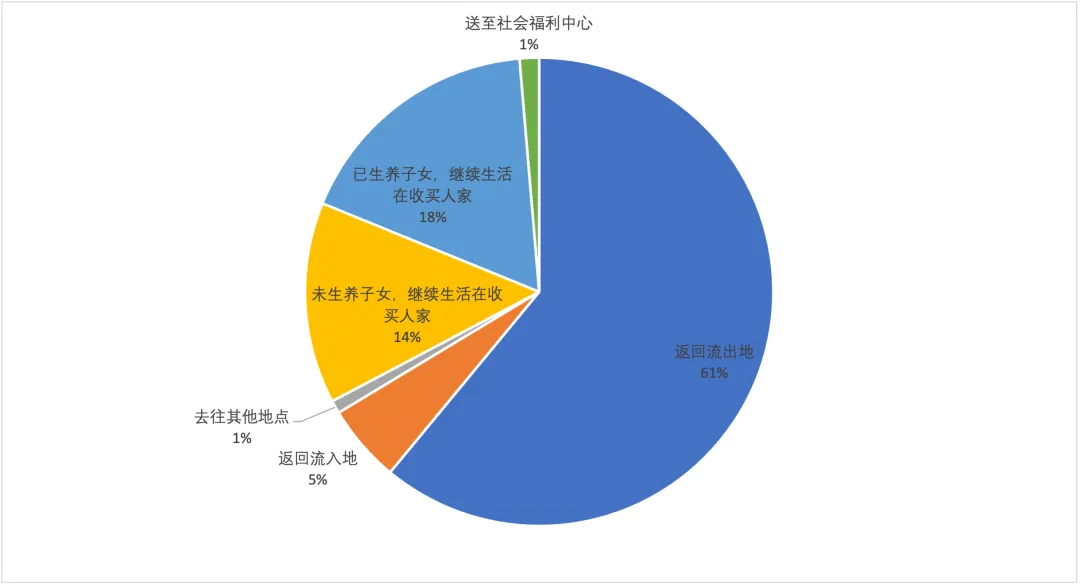
Figure 11 Whereabouts of Trafficked Women After Being Rescued

(1) Geographical Distribution of Child Trafficking Cases
This report includes 363 criminal first-instance judgments of cases of purchasing trafficked children. In terms of provincial distribution, Shandong Province has the largest number of cases, reaching 115; followed by Fujian Province (65 cases) and Hebei Province (54 cases). The geographical distribution of child trafficking is uneven (Figure 12).
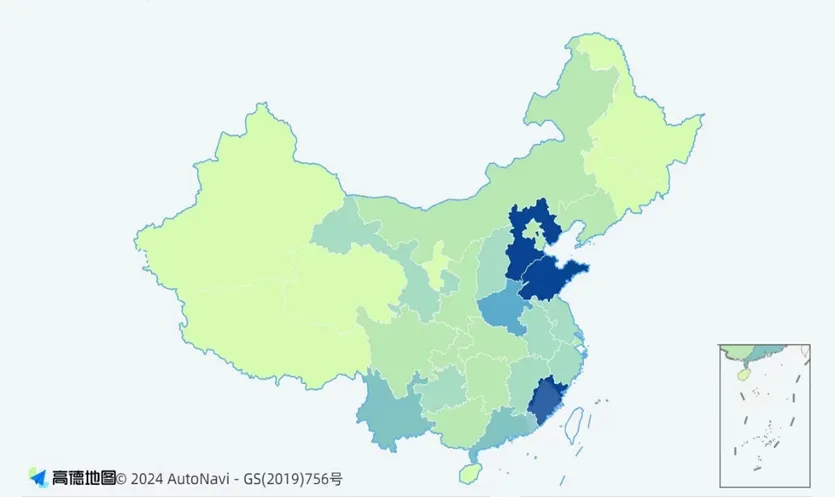
Figure 12 Geographical Distribution of Cases
(2) Sex Ratio of Trafficked Children
As shown in Figure 13, in the 363 judgments related to trafficking and purchasing children involved in this report, there are 493 trafficked children, including 304 males and 184 females, and the sex of 5 people is not mentioned, with a sex ratio of 1.65.
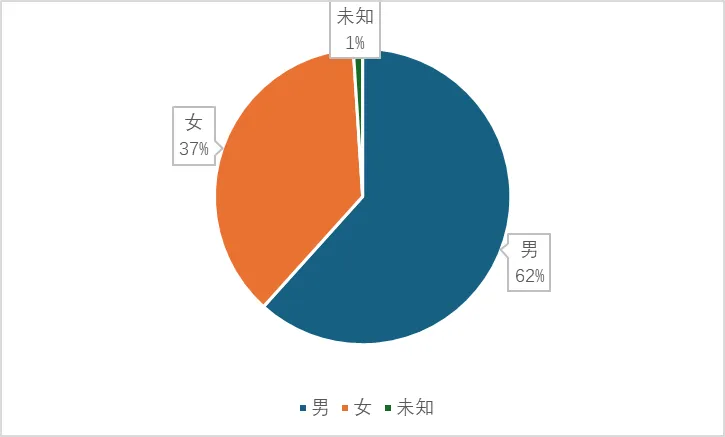
Figure 13 Sex of Trafficked Children
(3) Age of Trafficked Children
From the age of trafficked children, excluding 118 people with unknown ages, among the remaining 375 people, the number of infants aged 0 is the largest. Among them, according to the sex ratio of the trafficked children samples, the proportion of 0-year-old male infants (accounting for 70.07% of the trafficked boys) is greater than that of 0-year-old female infants (accounting for 62.50% of the trafficked girls).
In addition, the number of trafficked girls over 10 years old is higher than that of trafficked boys. In some areas, there is a phenomenon of "buying wives", so older girls are more likely to become the target of trafficking. The statistics on the purpose of purchase in the following text also show that in the 8 cases of purchasing girls over 10 years old, 7 cases are for the purpose of marriage.
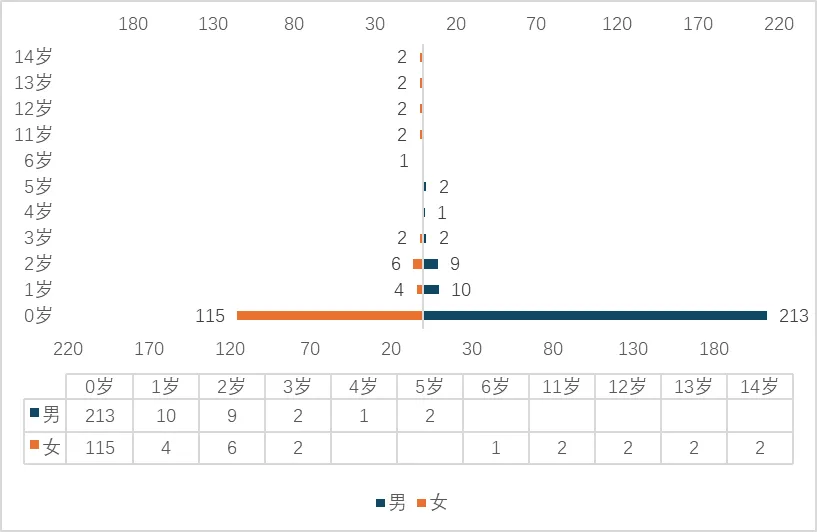
Figure 14 Age of Trafficked Children
(4) Place of Origin of Trafficked Children
From the perspective of the flow path of trafficked children, the number of trafficked children from Shandong Province is the largest (80), followed by Fujian Province (77), Hebei Province (38) and Shanxi Province (38).
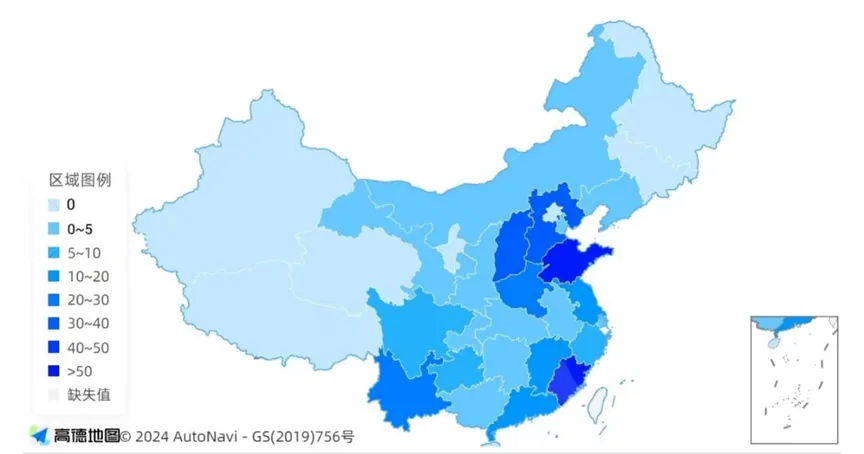
Figure 15 Distribution of Place of Origin of Trafficked Children (Mainland China). In addition, 6 children were trafficked from Myanmar to China, and 8 children were trafficked from Vietnam to China.
(5) Place of Inflow of Trafficked Children
The largest number of trafficked children also flows into Shandong Province (183), followed by Fujian Province (81) and Hebei Province (65). Overall, whether it is trafficking or purchasing, Shandong Province, Fujian Province and Hebei Province are the areas with the largest number of occurrences, which indicates that these three provinces are not only the main source of child trafficking, but also the main destination for child purchasing.
In a horizontal comparison, the geographical distribution of trafficking and purchasing numbers has a high degree of overlap. In addition, Guizhou Province, Hubei Province, Jiangsu Province, Inner Mongolia Autonomous Region, Shanxi Province, Shaanxi Province, Sichuan Province, Yunnan Province and other provinces have more trafficking than adoption, indicating that these provinces are more the source of trafficked children.
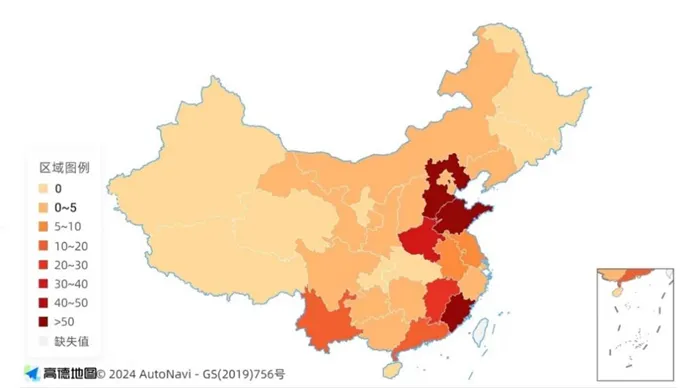
Figure 16 Distribution of Inflow Places
Combining the number of trafficked children from a certain place and the number of trafficked children flowing into that place, and analyzing the sex ratio, compared with the sex ratio of 1.65 of the trafficked children in the total sample, the sex ratio of trafficked children from Jiangxi Province and flowing into Jiangxi Province is far more than 1.65, which is 6.50 and 22.00 respectively, reflecting a strong traditional concept of favoring boys over girls.
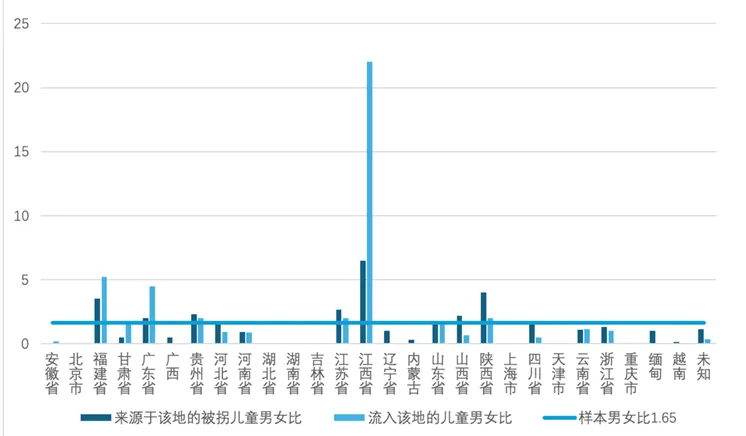
Figure 17 Sex Ratio of Children Flowing Out and Flowing In from Various Places
In addition, in the countries/provinces that do not show numerical bars in Figure 17, except for Inner Mongolia, there are no purchased boys, and Tianjin has no trafficked and purchased boys. The other countries/provinces cannot be displayed because there are no trafficked girls. The specific sex of the trafficked children in these areas is shown in Figure 18.
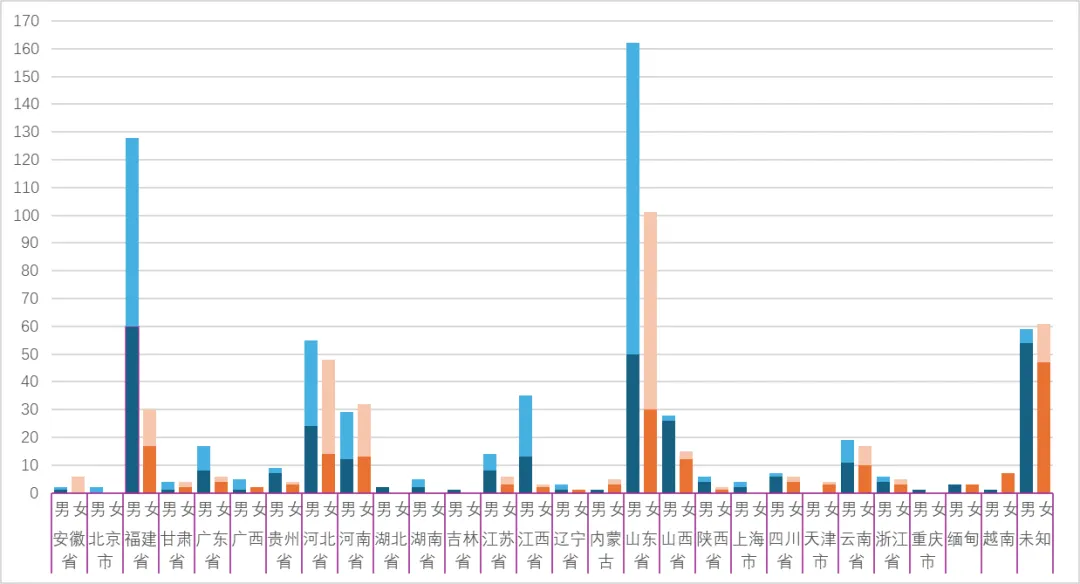
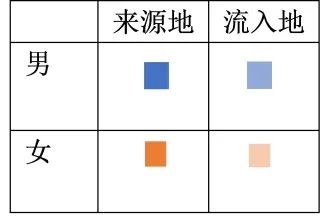
Figure 18 Relationship between Sex of Trafficked Children and Place of Origin and Place of Inflow
(6) Purchase Price
In terms of purchase price, as shown in Figure 19, the price of trafficked children is concentrated between 30,000 yuan and 70,000 yuan, with the range of 50,000 yuan to 60,000 yuan being the most concentrated. Among them, the price of trafficked boys is concentrated between 50,000 yuan and 90,000 yuan, and the price of trafficked girls is concentrated between 30,000 yuan and 70,000 yuan. The average price of trafficked boys is higher than that of trafficked girls.
In addition, the number of trafficked boys in the relatively high price range is greater than the number of trafficked girls; even though the total number of trafficked girls is less than the number of trafficked boys, the number of trafficked girls in the relatively low price range still exceeds the number of trafficked boys.
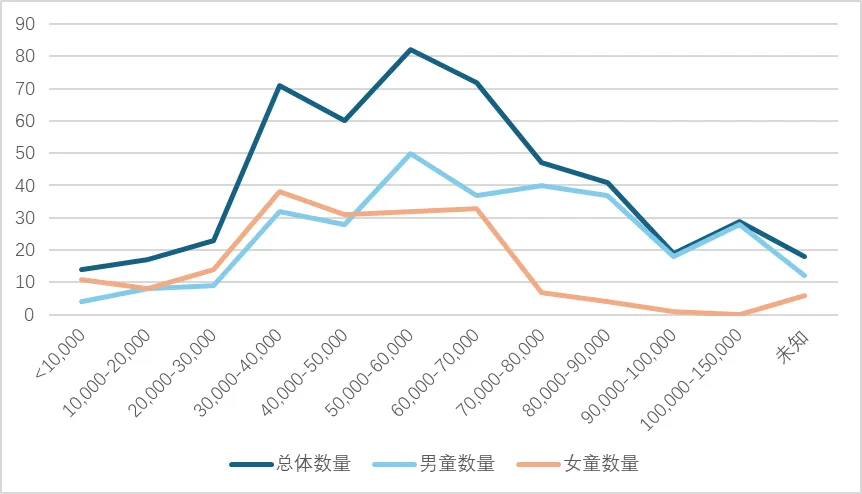
Figure 19 Distribution of Child Purchase Prices
Note: Regarding the determination of the purchase price, if only one transaction is made, the transaction price is used; if there is a resale, the average value of all transaction prices is taken.
(7) Methods of Trafficking Children
From the perspective of trafficking methods, the trafficking methods of nearly 40% of the trafficked children are not reflected in the judgments. In the known cases of trafficking methods, the number of relatives selling is the largest, accounting for 35.29%; followed by others reselling, accounting for 25.76%.
In addition, although there is only one case of introducing marriage in the trafficking methods, it can be seen from the statistics of the purpose of purchase that there are 8 cases of purchasing girls for the purpose of marriage, and the girls are all between 11 and 14 years old.
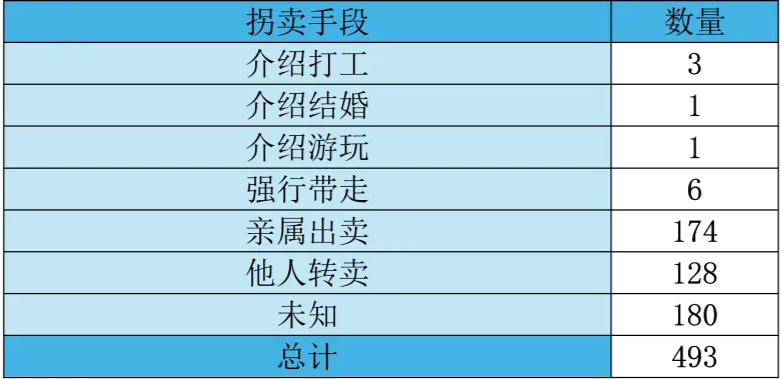
Table 20 Distribution of Trafficking Methods for Children
(8) Rescue and Follow-up of Trafficked Children
1. Rescued children are mainly rescued by public security organs
In the cases covered in this report, half of the cases did not mention the rescue of the abducted children. In the cases that mentioned the rescue, most of the abducted children were rescued by the public security organs (Table 21).
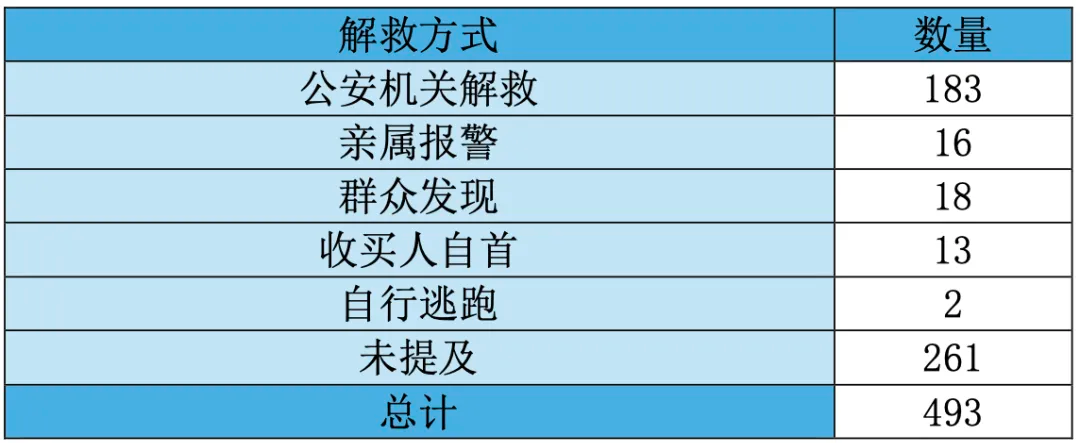
Table 21 Ways of Rescuing Abducted Children
2. Subsequent situation of abducted children
Similarly, more than half of the cases did not mention the subsequent situation of the abducted children. In the cases that mentioned the subsequent situation, nearly half of the abducted children were sent to social welfare centers, and the proportions of continuing to live with the buyers and returning to the place of origin were close, each accounting for a quarter.
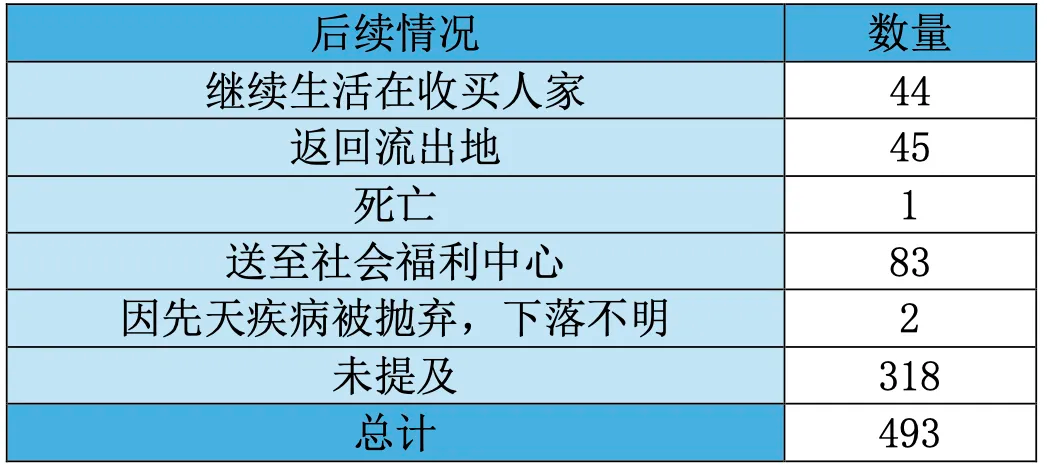
Table 22 Subsequent situation of abducted children

· The sentencing is lenient, with an average prison term of only nine months;
· Probation is generally applied, and the actual imprisonment rate is low;
· The court applies the lenient circumstances to the buyers to the maximum extent, considering both statutory and discretionary circumstances;
· Although the law stipulates that those who commit other crimes after buying women should be punished for multiple crimes, the proportion of multiple crimes in practice is extremely low.
(1) Prison term
In order to facilitate the calculation of the average prison term and visually represent the actual prison term of the buyers, referring to the provisions of Article 41 and Article 44 of the Criminal Law, the period of control is calculated by half, and the period of criminal detention is proportionally converted into a term of imprisonment.
Article 41 The term of control shall be calculated from the date of the execution of the judgment; if the offender has been detained before the execution of the judgment, one day of detention shall be converted into two days of the term of imprisonment.
Article 44 The term of criminal detention shall be calculated from the date of the execution of the judgment; if the offender has been detained before the execution of the judgment, one day of detention shall be converted into one day of the term of imprisonment.
Accordingly, it can be concluded that 90% of the buyers were punished with a prison term of less than 1 year; the buyers sentenced to imprisonment of 1 year to 3 years accounted for 10%, of which 6 buyers were punished with a prison term of 2 to 3 years, and only 2 buyers were sentenced to the maximum term of 3 years imprisonment.
Overall, the average prison term for judicial organs to sentence the crime of buying abducted women and children is 9 months.
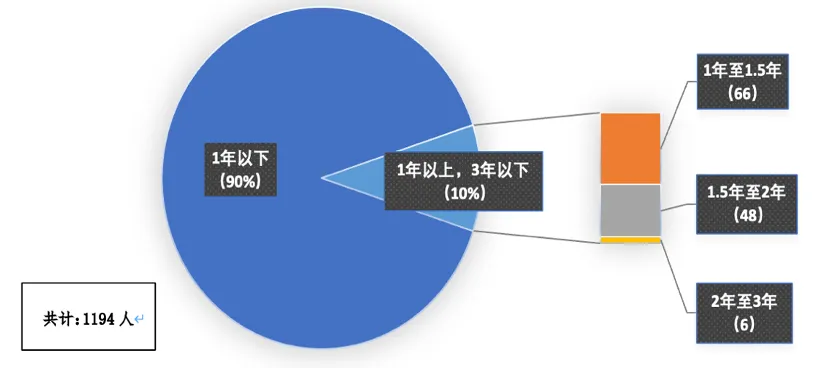
Figure 23 Prison term of buyers
The Criminal Law stipulates that the basic sentence for the crime of trafficking in women and children is imprisonment for more than 5 years and less than 10 years, and the traffickers with particularly serious circumstances can be sentenced to death; while the maximum statutory sentence for the crime of buying abducted women and children is imprisonment for 3 years.
Despite this, judging from the published judgments, the vast majority of buyers were only sentenced to imprisonment for less than one year, and a considerable number of buyers were sentenced to criminal detention, control or conviction without punishment, and the sentencing showed obvious leniency.
(2) Proportion of probation application
In the sample cases, the proportion of buyers who were granted probation was 74%, and another 4% of the buyers were sentenced to control, and 8% of the buyers were convicted without punishment. The actual imprisonment rate for the crime of buying abducted women and children was low, only 14%.
Article 72, Paragraph 1 of the Criminal Law For criminal offenders sentenced to criminal detention or imprisonment of not more than three years, if they meet the following conditions at the same time, probation may be declared, and probation shall be declared for those under the age of eighteen, pregnant women and those over the age of seventy-five:
(1) The crime is minor;
(2) There is remorse;
(3) There is no danger of re-offending;
(4) The declaration of probation does not have a significant adverse impact on the community where the offender lives.
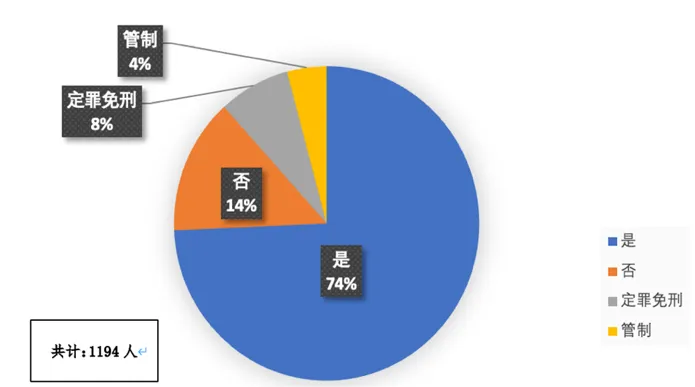
Figure 24 Whether the buyer was granted probation
(3) Application of lenient circumstances
Article 241, Paragraph 6 of the Criminal Law stipulates: "Those who buy abducted women and children, do not abuse the children who are bought, and do not obstruct their rescue, may be given a lighter punishment; according to the wishes of the women who are bought, and do not obstruct their return to their original place of residence, may be given a lighter or reduced punishment."
1. Wide application
As shown in Figure 25, only 49 buyers (accounting for about 4%) were not given lenient or reduced circumstances, 47% of the buyers were identified as having 1 lenient circumstance, and 49% of the buyers were identified as having 2 or more lenient circumstances. Therefore, as far as the crime of buying abducted women and children is concerned, the judicial organs almost universally applied lenient circumstances to the buyers.
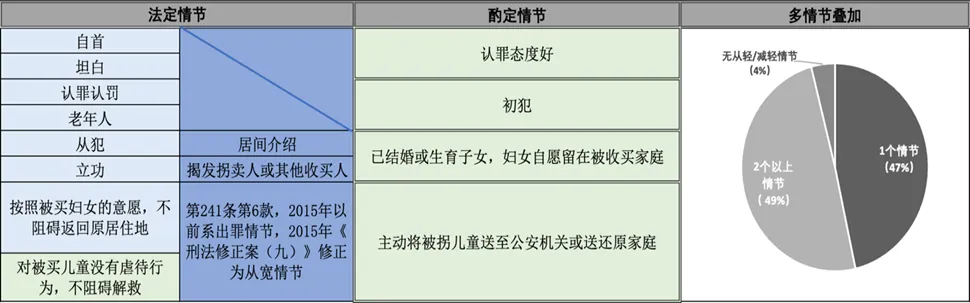
Figure 25 Common lenient circumstances and application of buying crimes
As shown in Figures 26 and 27, the court determined that a total of 192 buyers had the lenient circumstance of "not obstructing their return to their original place of residence according to the wishes of the women who were bought", and a total of 276 buyers had the lenient circumstance of "not abusing the children who were bought and not obstructing their rescue".
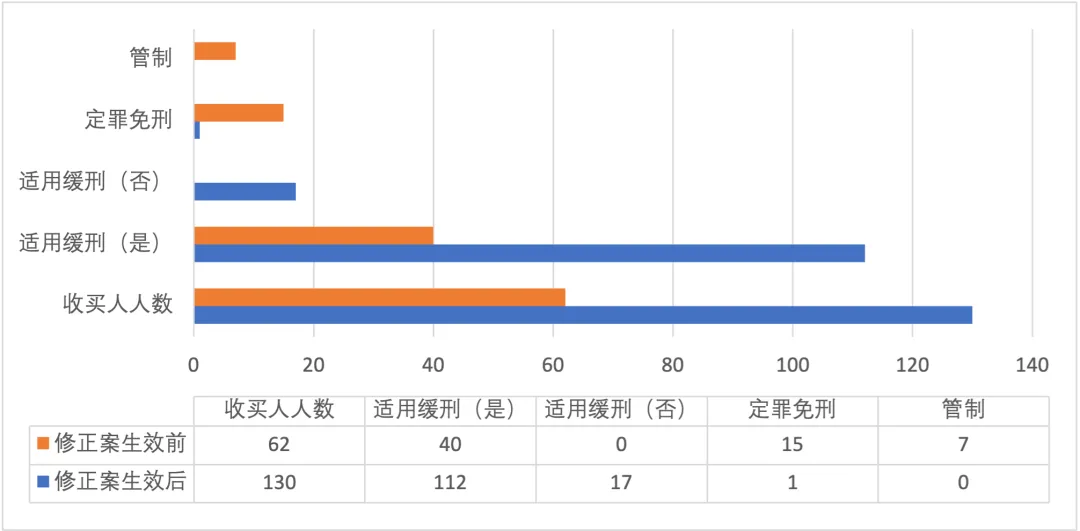
Figure 26 Sentencing of buyers who do not obstruct the return according to the wishes of women
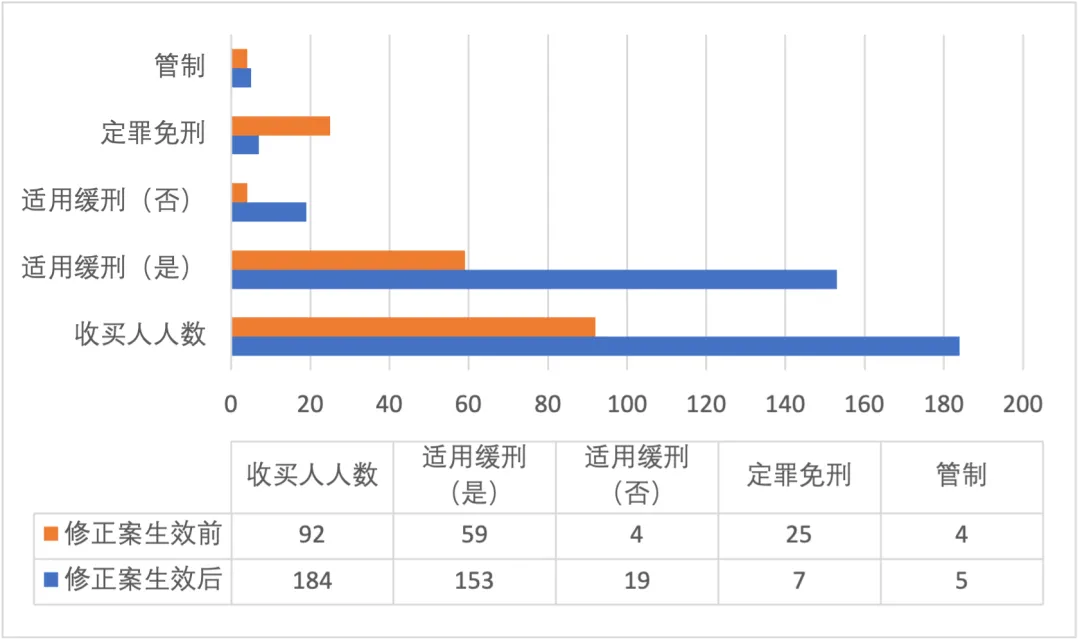
Figure 27 Sentencing of buyers who do not abuse children and do not obstruct rescue
2. The proportion of probation application has increased significantly after the amendment of the law
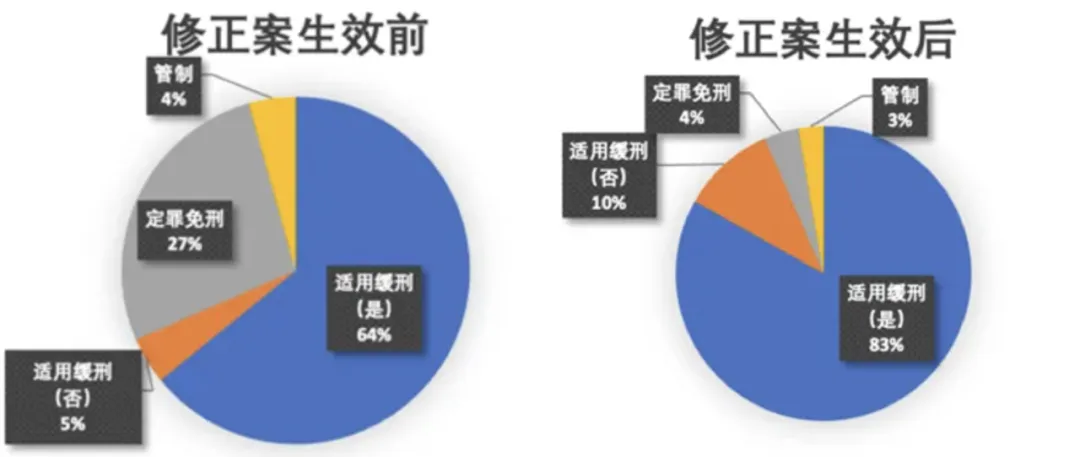
Left: Figure 28 Proportion of sentencing for buying women before the amendment; Right: Figure 29 Proportion of sentencing for buying women after the amendment
The legislative amendment in 2015 was intended to strengthen the crackdown on buying crimes. After the amendment came into effect, the judicial organs also made corresponding adjustments to the sentencing of buyers with the above-mentioned circumstances. As shown in Figures 28 to 31, the proportion of buyers who were convicted without punishment decreased significantly, and the proportion of those who were actually imprisoned increased.
It should be noted that after the amendment came into effect, except for the buyers whose criminal acts occurred before November 1, 2015, the "old and lenient" rule was applied, and Article 246, Paragraph 6 was no longer used as the basis for exonerating the perpetrators of buying abducted women and children.
However, this lenient circumstance is superimposed with other statutory and discretionary circumstances, and the court may determine that the buyer's "crime is minor" accordingly, and convict the buyer without punishment in accordance with Article 37 of the Criminal Law.
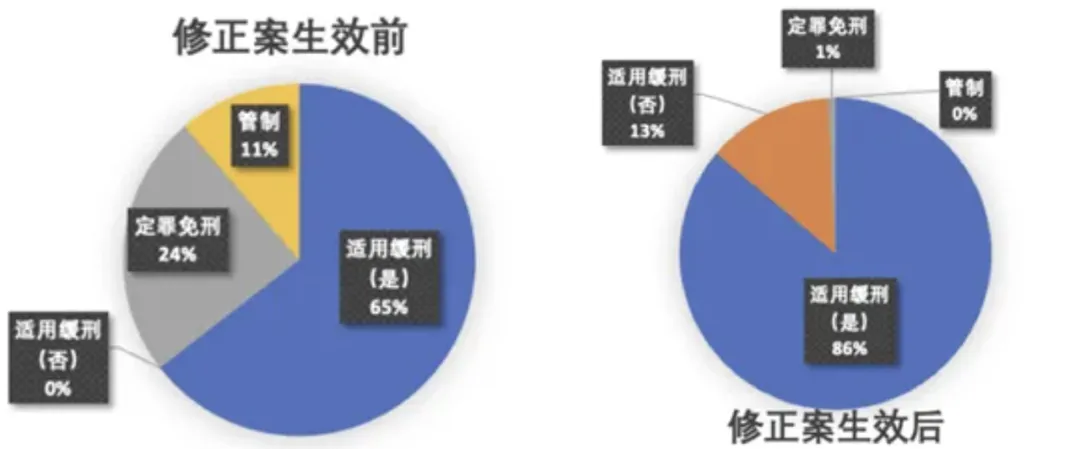
Left: Figure 30 Proportion of sentencing for buying children before the amendment; Right: Figure 31 Proportion of sentencing for buying children after the amendment
Although the proportion of actual imprisonment has increased, the proportion of probation applied to buyers has increased significantly after the amendment came into effect. The specific extent of lenient sentencing is at the discretion of the judge according to the actual circumstances of the individual case, and the judicial organs have applied this lenient circumstance to the maximum extent, resulting in an increase of about 10% in the proportion of probation applied to buyers after the amendment came into effect.
From this perspective, the judicial practice still adheres to lenient treatment of the perpetrators of buying abducted women and children, which is contrary to the spirit of increasing the punishment for buyers.
(4) Situation of multiple crimes and punishment
Article 241 of the Criminal Law stipulates that if a person commits other crimes such as rape, restriction of personal freedom, injury, and insult after buying women, he or she shall be punished for multiple crimes.
Considering that the vast majority of buyers buy abducted women for the purpose of marriage and childbirth, the buying behavior is very likely to be accompanied by other criminal behaviors: buyers commit indecency, force sexual relations, restrict freedom or insult and abuse the abducted women.
However, in the sample cases, 4 buyers (accounting for 0.3% of the total) were punished for this crime and the crime of trafficking in women, 7 buyers (accounting for 0.6% of the total) were punished for this crime and the crime of rape, 4 buyers (accounting for 0.3% of the total) were punished for this crime and the crime of forced prostitution, and 2 buyers (accounting for 0.2% of the total) were punished for this crime, the crime of rape and the crime of illegal detention.
Overall, the proportion of buyers who were sentenced to multiple crimes by the court was about 1.4%.
Taking (2016) Yu 1726 Xingchu 351 and (2018) Gan 0681 Xingchu 233 as examples, the abducted women were identified by judicial appraisal as women with mental illness and no sexual defense ability, and the buyers lived with the abducted women in the name of husband and wife for more than two and a half years.
In case No. 351, the court clearly stated in the factual determination section that "during the period, the buyer had sexual relations with the abducted women multiple times"; in case No. 233, the court found that the abducted women had given birth to a child with the buyer.
However, the buyers in the two cases were only sentenced for the crime of buying abducted women, and not only were they not punished for multiple crimes because of their acts constituting the crime of rape, but this crime was even given a lighter punishment: the buyer in case No. 351 was sentenced to 8 months imprisonment; the buyer in case No. 233 was sentenced to 8 months imprisonment, with a probation of 1 year.
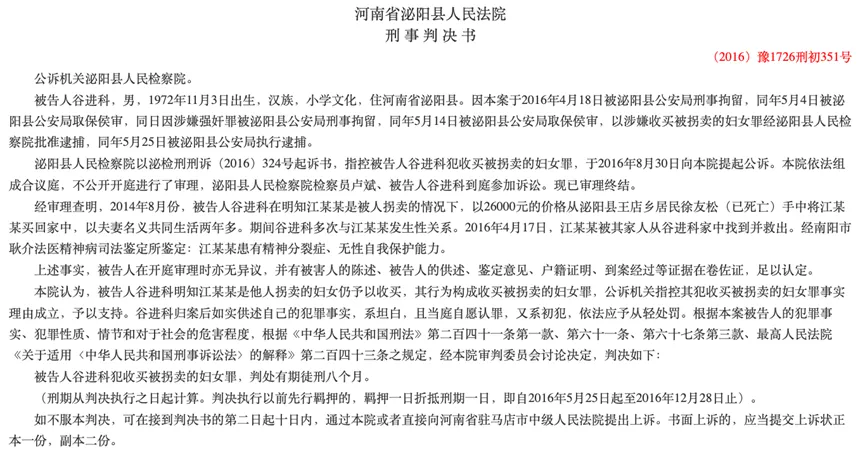
Figure 32 (2016) Yu 1726 Xingchu 351 Criminal Judgment
Under the current legislation, unlike the crime of trafficking in women and children, which is a serious crime, the crime of buying abducted women and children is a minor crime, and in judicial practice, the trial of this crime is even "lighter".
What we can see is that, whether it is criminal legislation or judicial practice, the crackdown on buying crimes is not sufficient, and there is an obvious situation of lenient treatment.
The average price for buying women is 61,000 yuan, and the buying price for abducted boys is higher than that for girls, and most of the girls who are bought are for the purpose of marriage. From these data, we can see that: whether it is women or children, they are all treated as commodities. The old-fashioned custom of favoring boys over girls is also revealed in the relationship between "market demand" and "price".
"Are you thinking about running away?" "I'm not thinking about it, I often run away."
"Interview Record of Trafficked and Married Women", Chief Editor Wang Jinling
We can see from the data the courage and wisdom of the abducted women to escape: 95 abducted women successfully rescued themselves by reporting to the police and escaping on their own, accounting for 31.35% of the total number of rescued abducted women. However, 5 abducted women lost their lives due to illness or suicide. And the visible data is just the tip of the iceberg, and the fate of more abducted women and children is unknown to us.
We also see the choices of the abducted women: more than half of the abducted women returned to their place of origin after being rescued, but 39% of the abducted women did not choose to return, but continued to live with the buyers, and half of the women had already given birth to children in the place of inflow.
"Don't you remember me?" "I don't remember." "Don't you remember Mom?" "I don't remember." "Don't you remember your sister? You have a sister." "I don't remember."
"Going Home", by Sun Yue
In the known subsequent placement of abducted children, nearly half were sent to social welfare centers, and the proportions of continuing to live with the buyers and returning to the place of origin were almost the same.
The pain caused by the trafficking of human beings to the victims and their families is immeasurable. One of the victims of the Yu Huaying case, Yang Niuhua, accused at the retrial court hearing: "(After being abducted) My mother became a madwoman, and my father became a drunkard."
However, this report shows that the legal punishment for buyers still shows the characteristics of leniency, mainly reflected in the short prison term, the high proportion of probation application, the wide application of lenient circumstances, and the low proportion of multiple crimes and punishment. This does not match the harm and loss suffered by the victims and their families, and the degree of social impact.
Many people believe that the buying behavior is mostly due to the marriage needs of men, and this need is human nature, and the buyers and the bought will form a family and raise children, so it is understandable to give lenient treatment to the buying behavior in law.
However, this view completely ignores the experiences of women in the situation of being trafficked and bought. They live with the criminals day and night, are not familiar with the language and environment of the place of inflow, and their personal freedom, personality dignity, and sexual autonomy are all in jeopardy, and it is difficult for them to live freely and safely as complete persons. The so-called marriage needs, family harmony and social stability cannot become an excuse to infringe on the human rights of abducted women and children.
People cannot be bought and sold as commodities.
References:
1. Yang Hua: "Intergenerational Responsibility, Marriage Circle and Rural 'Sky-High Bride Price' - Understanding the Rural Bride Price Mechanism", published in "Beijing Social Sciences", No. 3, 2019.
2. Xia Wei: "Research on the Rules of Conviction and Sentencing for the Crime of Buying Abducted Women and Children", published in "Journal of Southwest University of Political Science and Law", No. 2, 2022.
3. Lao Dongyan: "The Protected Legal Interests and Illegal Essence of the Crime of Trafficking in Human Beings - Based on the Legislative Review of the Crime of Buying Abducted Women", published in "Journal of the National Procurators College", No. 4, 2022.
4. Yan Xinhua: "Causes, Harms and Governance of Marriage-based Transnational Trafficking in Women", published in "Crime Research", No. 6, 2023.
5. Gu Ruihua et al.: "On the Governance Trend of the Crime of Buying Abducted Women - Based on an Empirical Study of 254 Judgment Documents", published in "Journal of Xinyang Normal University (Philosophy and Social Science Edition)", No. 2, 2024.