

It's so interesting, hahahahaha~
If it weren't for Fudan University's own official account releasing the news, and if I hadn't just logged into the website of The Lancet and found the original text of the paper, I wouldn't have believed it even if I were beaten to death. It's true that a traditional Chinese medicine is going to conduct a large-scale, multi-center, randomized, double-blind, controlled clinical trial.
But, there are those who are so confident and don't believe it, hahaha~
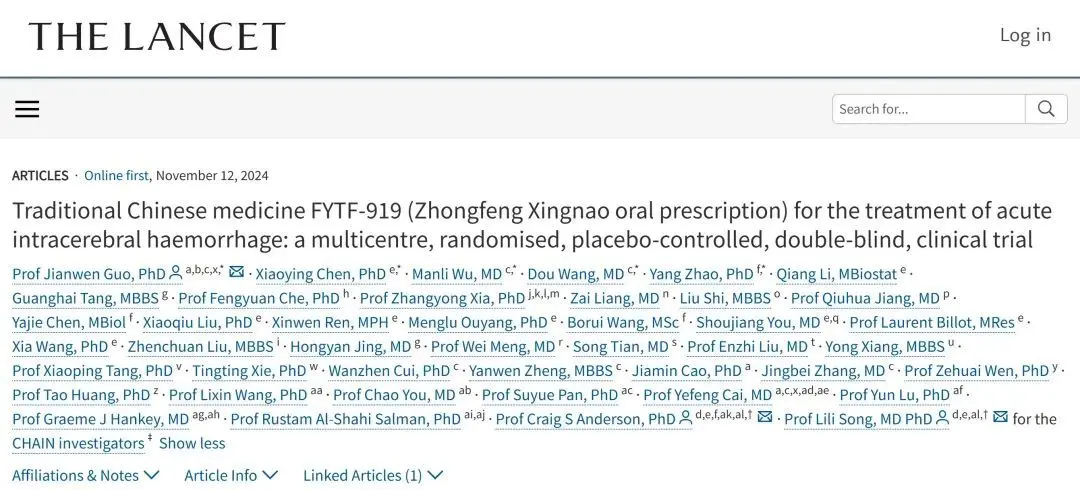
On November 12th, the medical top journal The Lancet published the research results led by Professor Song Lili's team from Fudan University. The research aims to verify the therapeutic effect of the Chinese medicine preparation "Zhongfeng Xingnao Fang" (main ingredients: red ginseng, notoginseng, chuanxiong, rhubarb) on patients with acute cerebral hemorrhage.
You know, this is the first time The Lancet has published a multi-center clinical study of Chinese herbal medicine since its founding in 1823.
A total of 1648 patients with acute cerebral hemorrhage from 26 hospitals in 12 provinces and cities in China were included in the study. According to the 1:1 control of the drug trial group and the placebo group, and the principle that doctors and patients were unaware of the trial grouping, this groundbreaking large-scale randomized double-blind trial of Chinese medicine was seriously launched.
Professor Song Lili, who presided over the research, said:
"We used a completely international standardized experimental method to evaluate the efficacy of Chinese medicine."
This is not bragging at all. No matter which hard indicators are used to evaluate, the clinical research on the efficacy of this drug is quite standardized and very solid.
You still don't believe it, but the research team not only has Chinese scientists, but also foreign scholars. Craig Anderson, a professor at the Institute of Brain-Inspired Intelligence Technology of Fudan University, is also a co-corresponding author of the article.
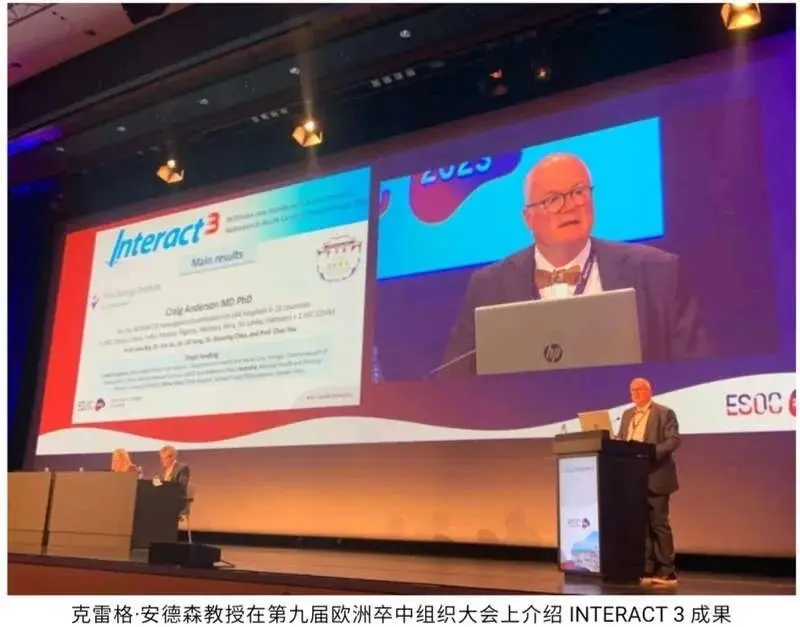
Not only that, the research also invited many internationally renowned experts and scholars, including Graeme Hankey, an academician of the Australian Academy of Health and Medical Sciences, and Rustam Al-Shahi Salman, a professor at the University of Edinburgh, to serve as consultants and provide professional guidance for the research. To put it bluntly, it is not a trial conducted behind closed doors, but one that invited senior experts from multiple countries to witness, and it cannot be faked.
I know that some people may have doubts. Although these professors seem very powerful, there is not a single old Chinese medicine doctor. Can the research on Chinese medicine be reliable by these outsiders?
Don't worry, the old Chinese medicine doctor is here! Professor Guo Jianwen of Guangdong Provincial Hospital of Traditional Chinese Medicine is also a co-corresponding author of the research.
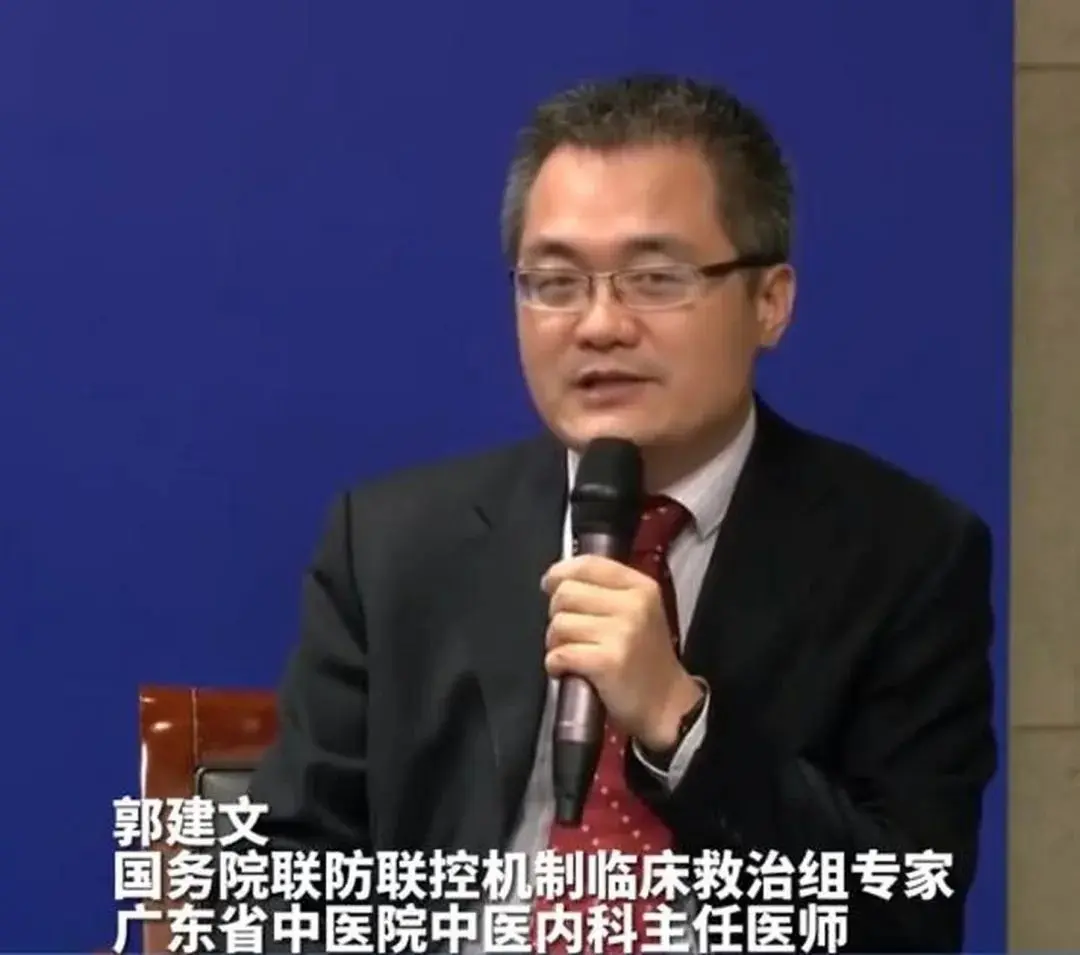
Although he didn't wear Tang suits and didn't have a white beard, which is slightly less impressive, Professor Guo's unit and title are enough to represent a very high level in the field of traditional Chinese medicine, right?
And this time, the "Zhongfeng Xingnao Fang" is not some junk developed by a wild manufacturer in 15 days, but a Chinese medicine hospital preparation made by the national medical master Professor Chen Shaohong's prescription, which has been used in clinical treatment of acute cerebral hemorrhage for more than 20 years. This is enough to represent a very high level of modern Chinese medicine, right?
Such a drug clinical research, which is jointly participated by experts from China and foreign countries, jointly carried out by top universities and top traditional Chinese medicine hospitals, and strictly follows the international medical research large-scale multi-center randomized double-blind "gold standard", and published in the medical top journal The Lancet, you should believe it, right?
Such research is enough to prove the efficacy of Chinese medicine, right? Humph!
Let's take a look at the conclusion of the research:
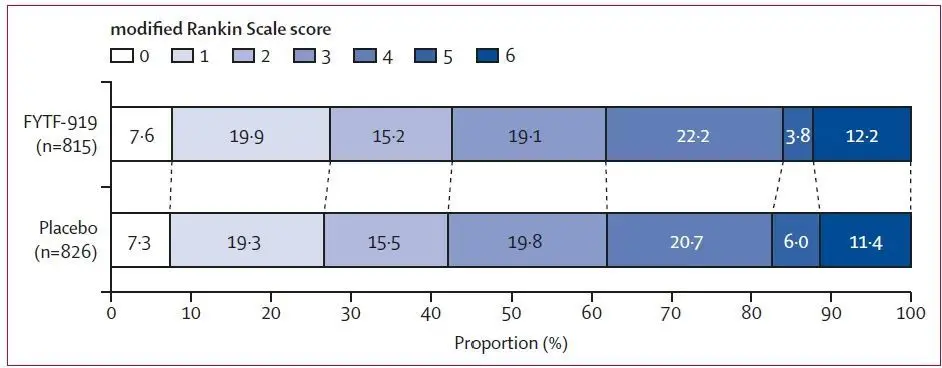
The research results show that: the average values of the experimental group and the placebo group on the 90-day UW-mRS were almost the same, and the results of various sensitivity analyses were consistent. In the subgroup analysis, the treatment effect showed significant heterogeneity in terms of hematoma volume and hematoma location.
The above academic language may be difficult to understand. Fortunately, the research team translated it into plain language when they accepted media interviews:
This large-scale randomized placebo-controlled double-blind trial failed to prove that "Zhongfeng Xingnao Fang" can significantly improve the functional prognosis, survival rate and quality of life of patients with moderate to severe cerebral hemorrhage, but it confirmed its safety, and there was no significant difference in adverse reactions between the two groups. In the pre-set subgroup analysis, patients with a cerebral hemorrhage volume of more than 15ml and intraparenchymal hemorrhage showed potential benefit signals. However, the subgroup results can only be used as exploratory conclusions, and the actual efficacy needs further verification.
Let me summarize it in simpler terms:
1. This "Zhongfeng Xingnao Fang", developed by a national medical master and used for more than 20 years, cannot treat patients with acute cerebral hemorrhage. Its effect is the same as that of a placebo, and it is useless to drink it.
2. Fortunately, this Chinese medicine has no disadvantages, and its adverse reactions are also the same as those of the placebo, so you can drink it with confidence.
3. If you have to find some positive evidence, it's not completely absent. In the specific subgroup analysis data, it still shows a little bit of potential effectiveness. Note that it is only a possibility, and this trial is not enough to prove that it has that little bit of efficacy.
So, that's the situation. Now it's a bit awkward that Guangdong Provincial Hospital of Traditional Chinese Medicine also held a results conference specifically to celebrate the publication of the paper.
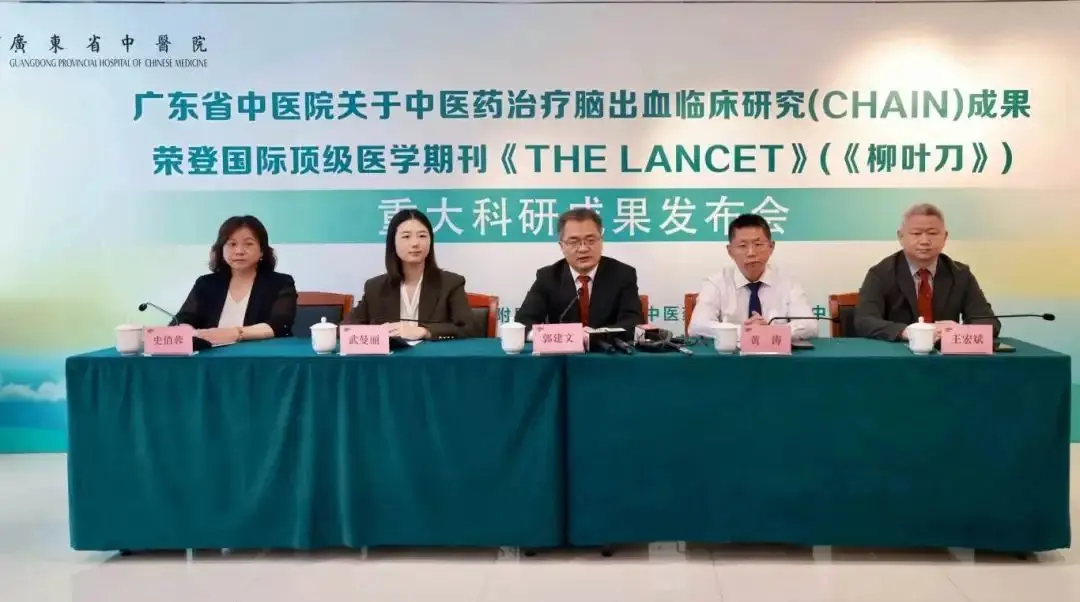
Professor Guo Jianwen said at the press conference:
The next step will be to conduct new drug development research to confirm the efficacy of the drug, so that more patients with cerebral hemorrhage can use Chinese medicine and gain more hope for survival and recovery.
???????????
This remark directly short-circuited my brain... I looked back and read the research conclusion again with a face full of question marks:
First, the efficacy of this Chinese medicine is the same as that of the placebo.
Second, the safety of this Chinese medicine is the same as that of the placebo.
Third, the subgroup analysis shows that there may be a little potential efficacy, but it has not been confirmed.
Based on these three conclusions, who gave you the confidence to continue drug development? Don't you need to spend money on research? Who gave you the confidence to let more patients with cerebral hemorrhage use Chinese medicine? Don't you care about the lives of patients?
Some constructive suggestions:
Since you have done such a solid clinical trial, then accept the results honestly, face reality, this Chinese medicine doesn't work, you can try the next one. It has been proven beyond doubt that the efficacy of "Zhongfeng Xingnao Fang" is not good, but you still want to try again and strongly promote it. This may not be in line with medical ethics and the bottom line of being a person?
In our hometown, those who don't admit defeat are called mangy dogs.