The Twilight Years of Migrant Workers
2023.5.27 Nanjing
My name is Qiu Fengxian, and I am from the Department of Social Work and Sociology at Anhui Normal University. I focus on rural sociology and the rural migrant population.
I came from rural Anhui. When we talk about migrant workers in Beijing, Shanghai, Guangzhou, and Shenzhen, they are often referred to as “floating population” or “outsiders”; but when we talk about migrant workers in Anhui, they are my fathers, mothers, brothers, sisters, or familiar neighbors.
When I left the countryside and now return to it, the migrant workers who first went out to work are already entering their twilight years. Therefore, since 2015, I have begun to focus on the issues of migrant workers, especially the livelihood issues of the first generation of migrant workers.
Academically speaking, the first generation of migrant workers refers to the group of farmers born before the 1970s and who went out to work in the late 1980s. The special thing about this group of people is that their experiences are almost synchronized with the course of China’s reform and opening up. In other words, they have witnessed the history of our country’s social reform.
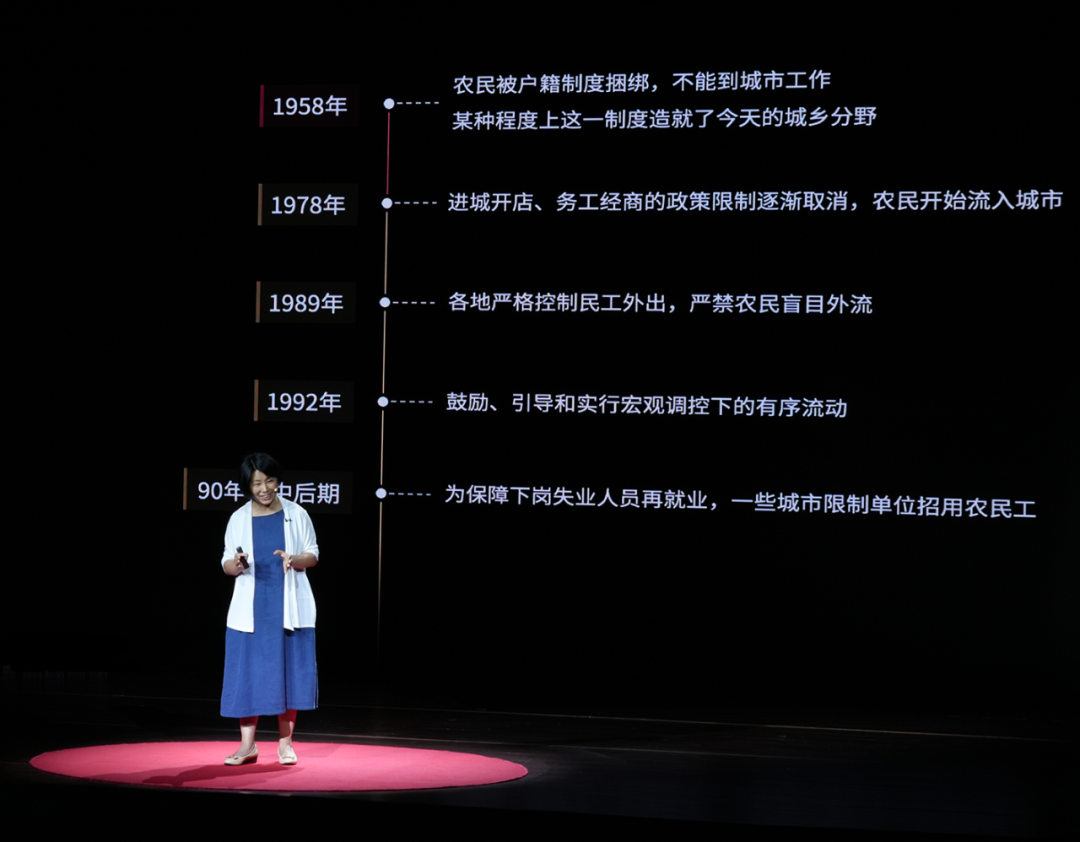
When it comes to the first generation of migrant workers, a key word is the household registration system. In 1958, the “Regulations of the People’s Republic of China on Household Registration” was promulgated (passed by the Standing Committee of the National People’s Congress on January 9, 1958). It was this system that first divided the population into two management areas: urban and rural.
Under such a management system, farmers were bound to the land and lost the right to free movement. Moreover, the development of this system should be said to be an important driving force for the division between urban and rural areas today. Many social policies and social welfare systems are attached to the household registration, which has also created a series of problems for the floating population.
After 1978, reform and opening up began, and the countryside implemented the “contract responsibility system”, which is the land contract system. Farmers gained some release and freedom from the land and had some right to move. The development of private enterprises also created a demand for labor in cities, so farmers had certain opportunities and space to enter the cities.
When I began to systematically focus on the first generation of migrant workers, I first talked to my most familiar father, brothers, sisters, and neighbors about their current situation and future. Then I began to actively look for the first generation of migrant workers in the city, on the streets, in factories, in small roadside restaurants… Whenever I met them, I would go up and talk to them.
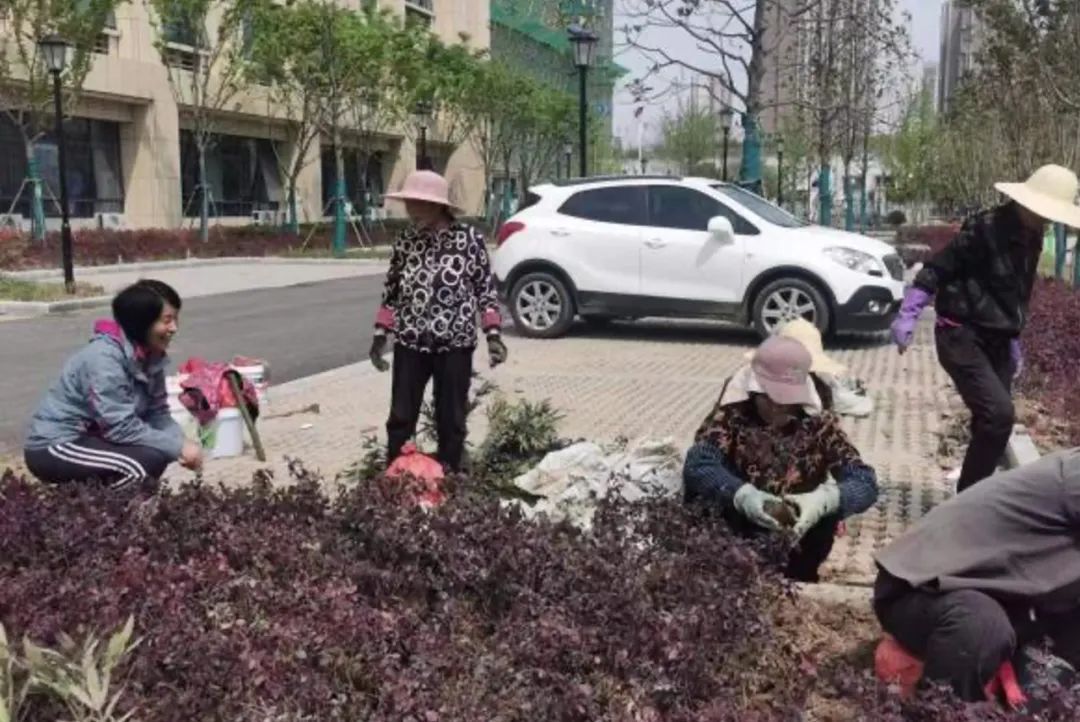
In the process of repeated conversations, they have three most typical sentences, which essentially reflect the greatest demands and greatest problems of the first generation of migrant workers in their working life:
I’m old, where do I go?
Once I get sick, who will I rely on in the future?
If I can’t work, what will I do in the future?
Around these three sentences, I interviewed more than 200 migrant workers and designed a questionnaire with 70 questions, distributing 2,500 copies. In the process of sorting out qualitative data and data materials, the group image and life process of the first generation of migrant workers slowly became clear, like developing film in a darkroom.

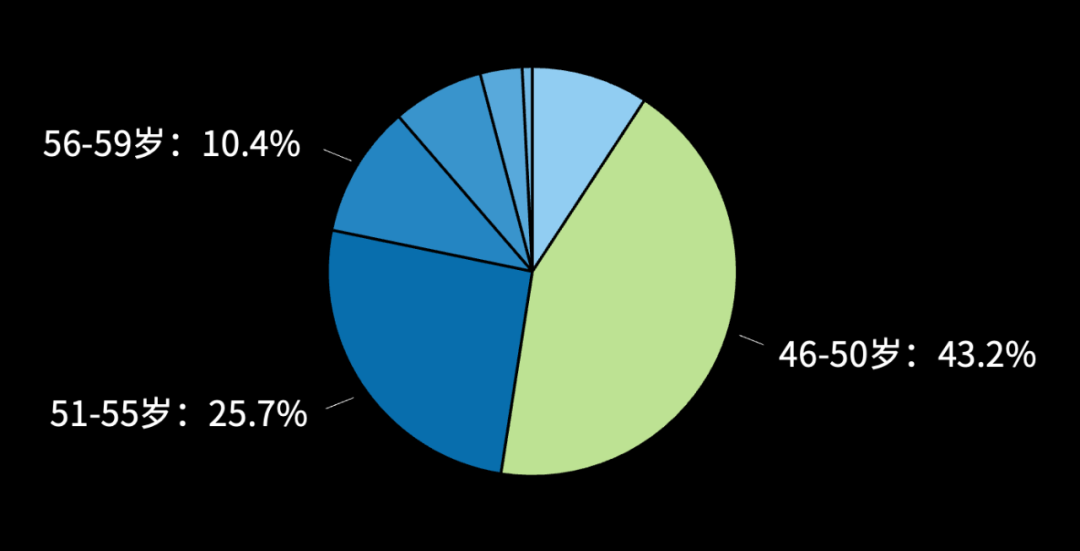
The age of the first generation of migrant workers is mostly concentrated between 46 and 50 years old, accounting for 43.2%. The oldest migrant worker in the interviewees was 72 years old, working in nursing; and another 72-year-old aunt was working as a community cleaner.
Their working life is very long, with 41.2% working outside for more than 21 years.
So why did the first generation of migrant workers go out in the first place? Like our interviewee, Brother Zhou, 58, has a family of 6 people, only 5 acres of land, and is in debt every year. He has no other income. “If I don’t go out, I’ll be really poor.”
After working hard for three years, he learned the bricklayer’s work, and his salary increased from 5 yuan, 7 yuan, and 12 yuan a day to 30 yuan a day, which was much better than farming at home. In 1995, the income of rural people was about 200 yuan per month, and he had an income of about 500 yuan when he was working outside.
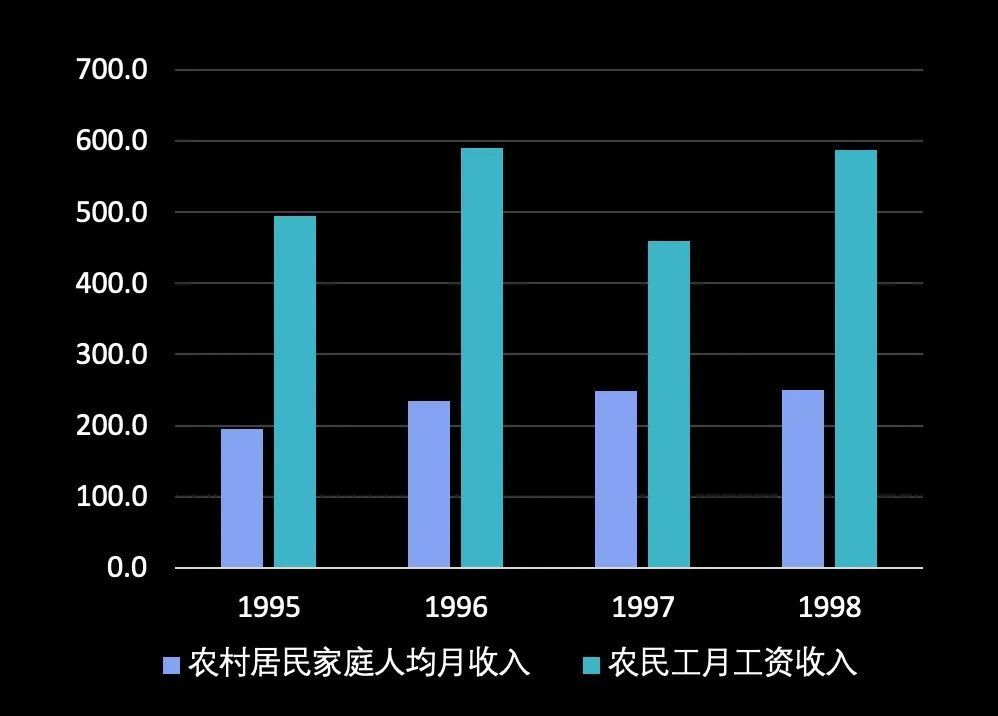
▲ Source: 2010 China Statistical Yearbook
Under the huge economic contrast, migrant workers began to flow out in large numbers, entering the cities to seek livelihood opportunities, which formed the migrant worker tide of 1988, with millions of immigrants going to the Pearl River.
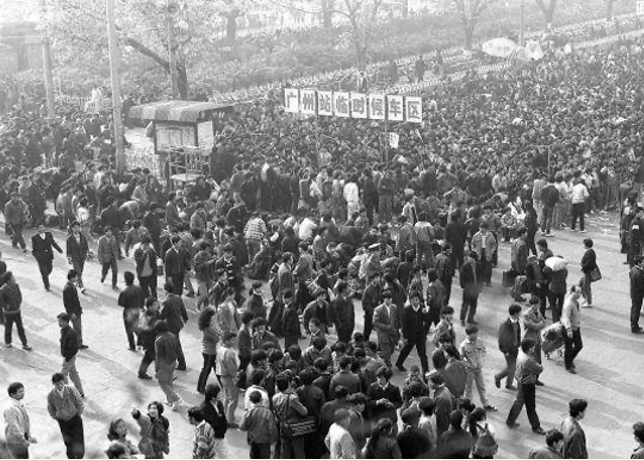 ▲ Migrant worker tide|Source: Network
The influx of a large number of people into the city brought about the pressure of urban management and order problems. Therefore, in 1989, the State Council, together with the Ministry of Civil Affairs and the Ministry of Public Security, issued various policies to strictly restrict the entry and flow of migrant workers into the city, strictly prohibiting farmers from blindly flowing. (Related policies: “Emergency Notice on Strictly Controlling the Outflow of Migrant Workers” and “Notice on Doing a Good Job of Further Controlling the Blind Outflow of Migrant Workers”)
Therefore, the door to obtain livelihood support slowly closed again, and the income of farmers plummeted. At that time, migrant workers had just had the hope of improving their own lives and improving the quality of family life, and it began to become渺茫.
By 1992, the income of farmers was already very low, and the growth rate was also very low. In order to increase the income of farmers, the state began to slowly open the door to enter the city a little, “encouraging, guiding and implementing orderly flow under macro-control”.
Farmers have a strong demand for livelihood. As long as there is a glimmer of light, a gap, they will go out. This led to the continuous outflow of rural population in 1993 and 1994.
By the mid-1990s, the reform of the urban economic system was fully launched, and the shareholding system reform brought a large number of layoffs. In order to ensure the re-employment of laid-off and unemployed workers, from the state to the city level, the channels for migrant workers to flow into the city were closed again. Many local governments passed policies that only recruited local household registration, making it almost impossible for migrant workers to gain a foothold in the city. They could only stay in the lowest positions in the most marginal markets of the city.
In my research, the occupational distribution of migrant workers also clearly reflects this point. You can see that most of them are concentrated in construction sites, and some construction sites have 90% of the first generation of migrant workers. Others work as restaurant waiters, security guards, and self-employed individuals. Migrant workers who work as technical workers in factories account for 18.9%.
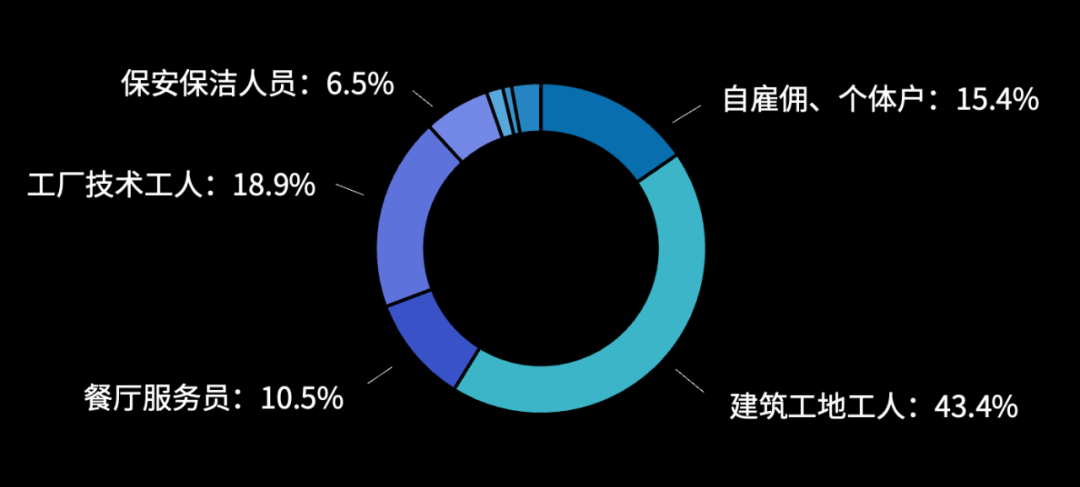
Under the pressure of the city, the road and livelihood opportunities for migrant workers to enter the city are very bumpy.
I met Brother Li, 62, at the Hefei Talent Market. He was already over retirement age. At that time, he looked sad and desolate. Because he was old, many companies didn’t want him, and he couldn’t get in, so he just stood there and watched others.
I asked him how his current job was, and if it was difficult to find. He had a lot of grievances, and he said a sentence that impressed me deeply, “People are worthless when they get old.”
It’s as hard to find a job now as it was when I was young! When we went out to work at that time, it wasn’t that you could go out if you said you wanted to. If you couldn’t find a way, and no one took you out, then you wouldn’t dare to go out. If you couldn’t find work in the city, and you had no place to live, you could only live under someone’s eaves, in a bridge hole, bring your own quilt, and have a quilt to cover yourself. But you couldn’t last long. If you couldn’t find work, you still had to pay money, and then you had to go back.
——Brother Li, 62 years old
Without job opportunities, they have to wander between the city and the countryside, like a piece of plasticine, constantly being squeezed by the city. Their livelihood opportunities are intermittent, and once there is a disturbance in the city, migrant workers will immediately go home. The city catches a cold, and migrant workers take medicine first.

In the 30 years of migration, the city may have given them nothing more than injuries.
Before the academic community paid attention to the health problems of migrant workers, the media had already started to pay attention. In 2009, “Southern Weekend” deeply reported on the rights protection of silicosis workers in Wanzhou, who died one by one on the road to rights protection. I have been repeatedly reading this article until now. In the same year, Zhang Haichao, a migrant worker from Henan, opened his chest to examine his lungs. These reports aroused great social concern for the health problems of migrant workers and also broke through the bottom line of many people’s cognition.
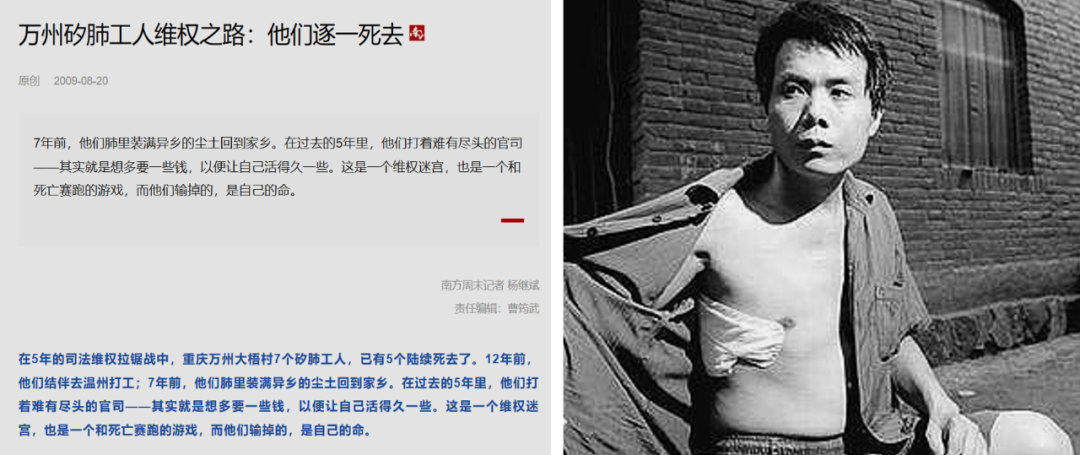 ▲ Source: Southern Weekend, China Youth Daily
Most of the first generation of migrant workers are engaged in “three highs and one low” work, which is high-intensity, high-risk, high-pollution, and low-income. Although their health problems are not typical of pneumoconiosis patients, they are more common in daily life.
From their individual life course, we can see the formation process of “disadvantage accumulation”. Like Brother He, who is only 55 years old this year, when I saw him, his hair was gray, his back was half arched, and he was holding an iron rake in the small vegetable garden at home, raking the ground, because he had almost lost his ability to work and could not do too much physical work.
I went to Guangdong to work in the early 1990s, carrying big bags on the side of the road, helping people unload and carry them to the company. A big bag weighed more than 100 kilograms, and I was paid 10 yuan for carrying one. Once I wasn’t ready, the person on the car handed the big bag to me, and my waist was sprained at the time, and the sweat was dripping down, but I still gritted my teeth and carried the big bag to the warehouse. At that time, where did I have money to go to the hospital? I just put some medicine on it. Since then, my waist has been unable to exert force. The older I get, the more painful it is. You see, I can’t straighten my back now, and I always arch my back when I walk. That’s what was damaged at that time. Now my arms also hurt, and I can’t lift them too high. I went to the hospital once, and they said it was muscle strain, which was all caused by working.
——Brother He, 55 years old
Carrying a bag of more than 100 kilograms only costs 10 yuan. In order to earn more money, he has to carry more bags. He sprained his waist at work and did not receive timely treatment. Due to the long-term engagement in high-consumption heavy physical work, his arms were in long-term pain and could not be lifted too high or carry heavy objects.
He went to the hospital, and the doctor prescribed a “good prescription” to rest and not work. But as a migrant worker, does he have the right to rest? No, he can only continue to work with his illness.
Another Brother Zhang, 57, is engaged in cement mixing and carrying work, which is highly related to pneumoconiosis.
I went to Shanghai Pudong with people in 1996, and I only earned 10 yuan a day. The work was heavy, and it was good to earn 300 yuan a month. The family needed money everywhere, and there was not enough money to spend. When I was young, I relied on my good health and worked overtime desperately. After the work was over during the day, I would work at night if there was work, which was more profitable than during the day. I was waving a shovel every day, and my arms were swollen; I was choked by cement every day, and I coughed, but I didn’t care. Now I have this emphysema problem, and I am breathing heavily, and my right arm can’t lift heavy things. Now I can’t do anything. I am breathing heavily when I walk, and I have to rest after a few steps.
——Brother Zhang, 57 years old
In his words, when he was young, he relied on his good health and would not miss any opportunity to make money. After the work was done during the day, he would continue to work at night if there was work. Because working overtime at night, the money given might be three or five yuan more, which was already a very good opportunity.
Working so hard when he was young left him with asthma when he was old. When I met him, he was bent over and stopped to pant after walking a few steps. Although he has not yet reached the occupational disease identification standard for pneumoconiosis, he has almost lost the ability to continue working.
In my questionnaire, there is a question, have you ever had a physical examination? 64.8% of the first generation of migrant workers answered “never participated in any physical examination”. I asked again, how many times have you seen a doctor in the place of work after you got sick? 63.4% of migrant workers have never seen a doctor in the place of work, and have not received timely and effective medical treatment.
If you don’t go to see a doctor, how do you deal with it? The most common is “endure as much as possible, buy medicine yourself”, accounting for 58.5%. For example, if your waist is injured, you buy a plaster and stick it on, and lie down. Only 11.9% go to regular hospitals for treatment, and another part chooses to go home to see a doctor.
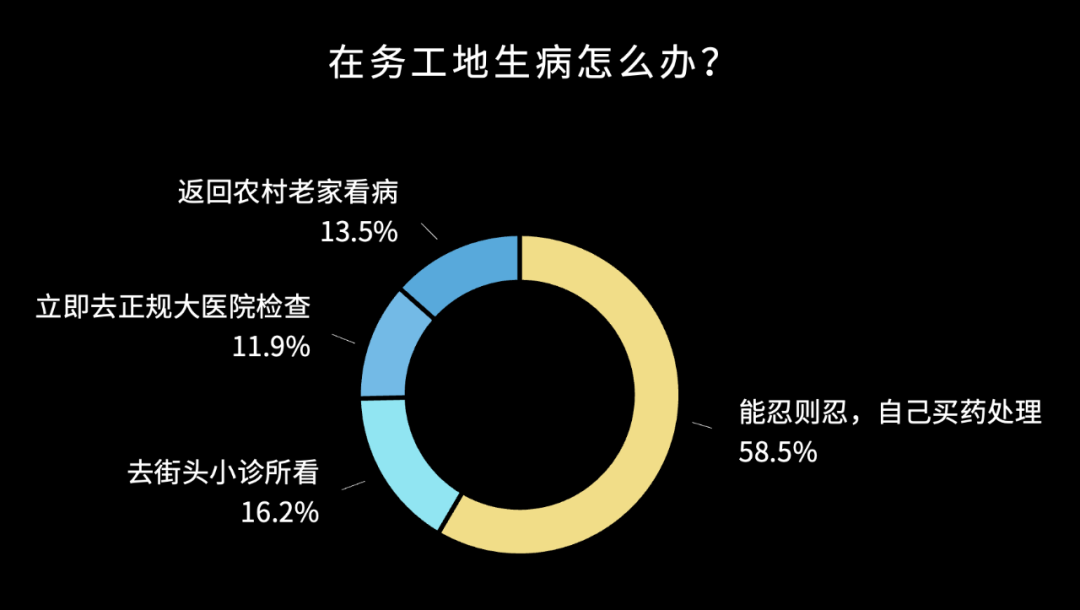

We can see that the health problems of the first generation of migrant workers are, on the one hand, due to the chronic disadvantage accumulation caused by their “three highs and one low” working nature, but there is also an important problem, which is the inaccessibility of medical services.
Why is this? Brother Du said a reason, and I felt particularly sad when I heard him say these words:
We basically don’t go home if we have a little pain. It’s troublesome to go home, and it delays making money. It’s far to go back and forth by car, and it costs money. We go to the rural hospitals and small clinics on the construction site, and the towns, and we haven’t been to the county-level hospitals. We don’t dare to go to the big hospitals outside. I’m not afraid of any serious illness, I just don’t know how much it will cost, and I’m afraid that all the money I earn will be thrown into the hospital.
——Brother Du, 55 years old
And Sister Xiang showed us another sad aspect of the first generation of migrant workers. She took a day off to see a doctor, and when she came back, someone took her place, and they didn’t want her anymore. Do they dare to take a few days off to see a doctor? It is very likely that they will not have a job when they come back.
Some diseases are not life-threatening at the time, and I don’t see them. I have been delaying until the end of the year to go home to see them. It not only costs round-trip car fare to go home to see a doctor, but also delays work. We rural people can’t afford to delay. Generally, we don’t dare to take sick leave. Once, I took a day off to see a doctor, and when I went back to work, they didn’t want me anymore. They said that someone took my place, sigh…
——Sister Xiang, 64 years old
Let’s talk about money, which is the new rural cooperative medical insurance policy. The new rural cooperative medical insurance is a local reimbursement and management, which is linked to the household registration system; and migrant workers have high mobility and cannot work in one place, so this kind of high mobility and local, fixed management has produced a high degree of contradiction.
Brother Zhou, because he did not dare to go to the big hospitals in Shanghai for treatment, received irregular treatment in small clinics, which delayed his condition. When it became very serious, he rushed to the big hospital. After the doctor examined him, he told him that he had lupus erythematosus, and he should go home and dismantle his family’s things, sell some of the things that can be sold, and treat the disease at home. You can’t afford it here.
I have had this disease for more than 10 years, and my kidneys are not very good now. I have to go to the hospital for treatment every month. I can only be treated in the province, and the reimbursement rate in the province is about 50%. If I go to a big city to see a doctor, I can only reimburse 20% – 30% of the expenses, and I can’t afford it. The expenses are all raised by the children, or I can only wait to die.
——Brother Zhou, 64 years old
From the policy regulations of the new rural cooperative medical insurance in Suizhou City, Anhui Province, you can see two key data. One is the deductible for hospitalization. The deductible standards from the township, county, city, to the province and outside the province are on the rise. The other data is the reimbursement ratio. The further you go, the lower the reimbursement ratio.
In the township, the reimbursement ratio can reach 95%, and outside the province, the reimbursement ratio is reduced to about 50%. Moreover, many medicines and medical services are not covered by medical insurance, so the actual reimbursement ratio is even lower, possibly around 30%.
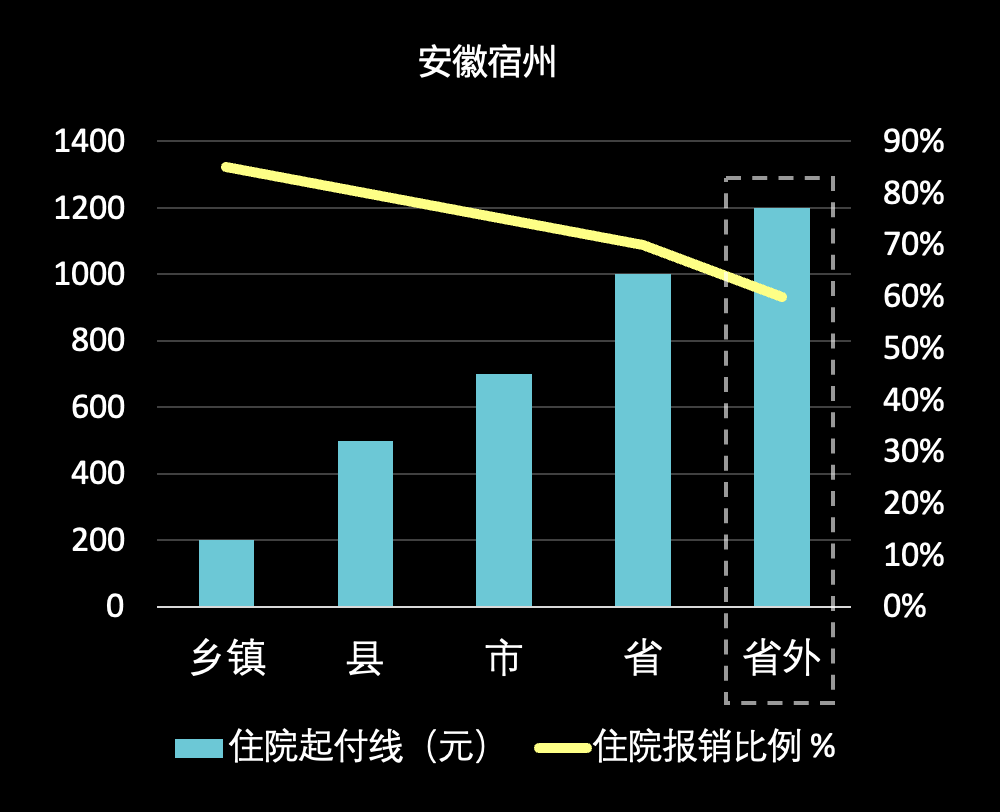 ▲ Source: Suizhou Municipal People’s Government
Therefore, the principle of local reimbursement has limited the first generation of migrant workers from obtaining the necessary medical services in a timely manner during their migration.

The health problems of the first generation of migrant workers will be amplified in old age. The body’s functions are already declining, coupled with long-term disadvantage accumulation, where will they go in their old age?
Regarding the pension issue, we all say that we can retire after the age of 60, but for most of the first generation of migrant workers, they do not have this ability, nor do they have a clear expectation. They do not have the word “retirement” in their concept.
Sister Zhang said, we don’t have any retirement, you are a rural person, you are the life of working.
In fact, retirement is the term used by urban people. For example, they can get a pension and retirement pay at the age of 60, but we haven’t bought any five insurances and one fund. The meaning of 60 years old is not particularly great for us. After the age of 60, the body is definitely a little worse, but we can still do some physical work.
——Sister Zhang, 64 years old
So there is another question in our questionnaire, when do you plan to stop working? 60.7% of the people chose “work until they can’t work”. The optional age range we provided is actually very high. People did not choose 66 to 70 years old, but chose to work until they can’t work. Another 76.1% of migrant workers said they would not go home to rest at the age of 60.
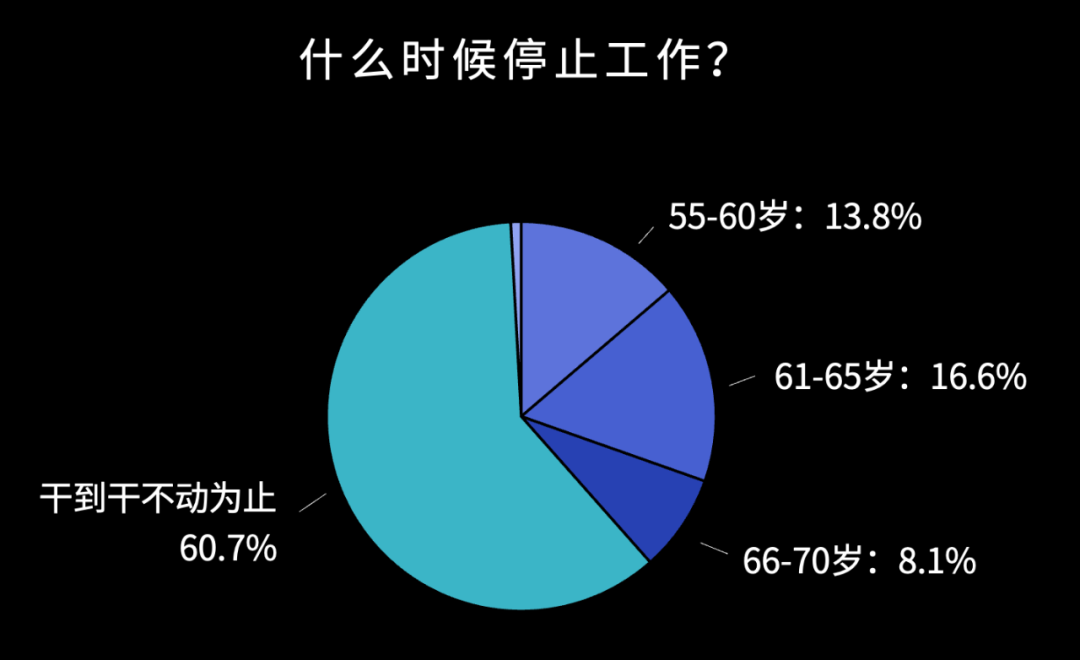
I feel very sad to see such a result. They have to keep carrying stones and earning money like Jingwei birds.
Regarding pension planning, how much money did they save? I originally thought that they could always save some money during the more than 20 years of working outside, although I knew that they didn’t save much money, but when the data came out, I was still very surprised. 15.2% of the first generation of migrant workers have not saved a penny, and they can’t save money; 55.2% have savings of less than 50,000 yuan.
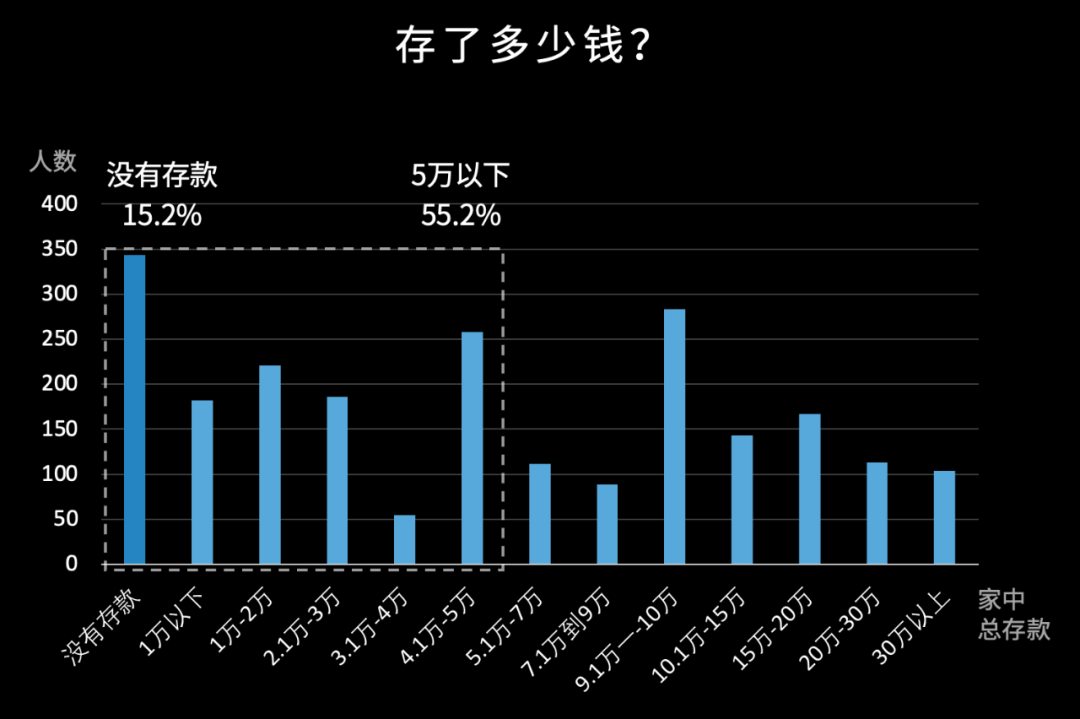
Where did they spend their money after working for so many years? They were all used for the development of the family, the marriage and education of their children, and buying houses. In the words of Sister Chen, nothing is more important than this, and they have to endure their own physical pain first. Anyway, there is no serious illness, and it can’t be cured if there is a serious illness.
I have two sons, one son is married, and almost all the money in the family has been emptied. I have to build a new house, and the bride’s family also needs 100,000 yuan in betrothal gifts. The younger son is also 28 years old, and he doesn’t have a girlfriend yet. If he can’t find one, I’m afraid he will be single for the rest of his life. We are working hard to earn money outside, preparing to buy a house for him, and find a girlfriend for him to get married. If he doesn’t get married for a day, we won’t have a good day. Nothing is more important than this. Save more money so that we can buy him a house and find a girlfriend to get married as soon as possible. Endure the pain in your body first. Anyway, there is no serious illness, and it can’t be cured if there is a serious illness, so just wait to die.
——Sister Chen, 56 years old
Therefore, when our first generation of migrant workers are facing family development and their own health needs, they are retreating step by step. As for where they are retreating to, they really can’t see the end.
All the assets of the first generation of migrant workers working outside are almost cleared in the marriage, buying a house, and education of their children. They are really working for themselves, basically after the age of 55.
Many people will ask, isn’t there a new rural social pension insurance in the countryside? Then let’s take a look at whether the new rural insurance can provide them with sufficient physical security in their later years.
From the data, we can see that 65% of the people participate in the new rural insurance, 26.2% do not participate in the new rural insurance, and the proportion of those who participate in the employee pension insurance and purchase commercial insurance by themselves is less than 10% in total.
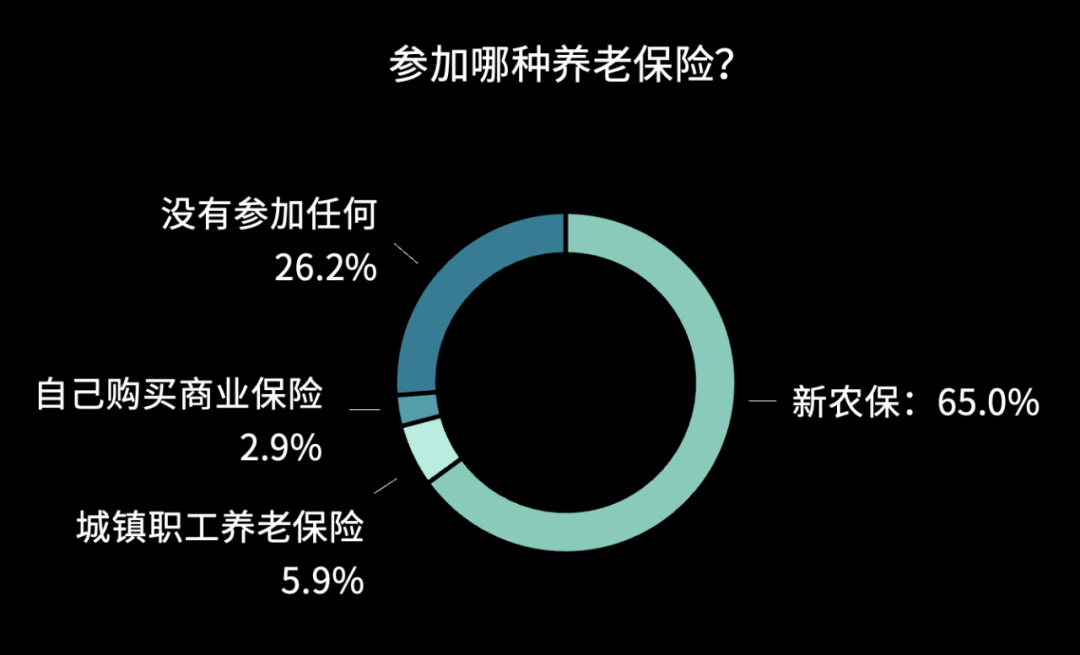
Among the migrant workers who participate in the new rural insurance, the payment ratio is in the range of 100 to 350 yuan per year, accounting for 69.4%. After paying for 15 years, they can receive a pension. Then we can calculate how much money they can receive after the age of 60.
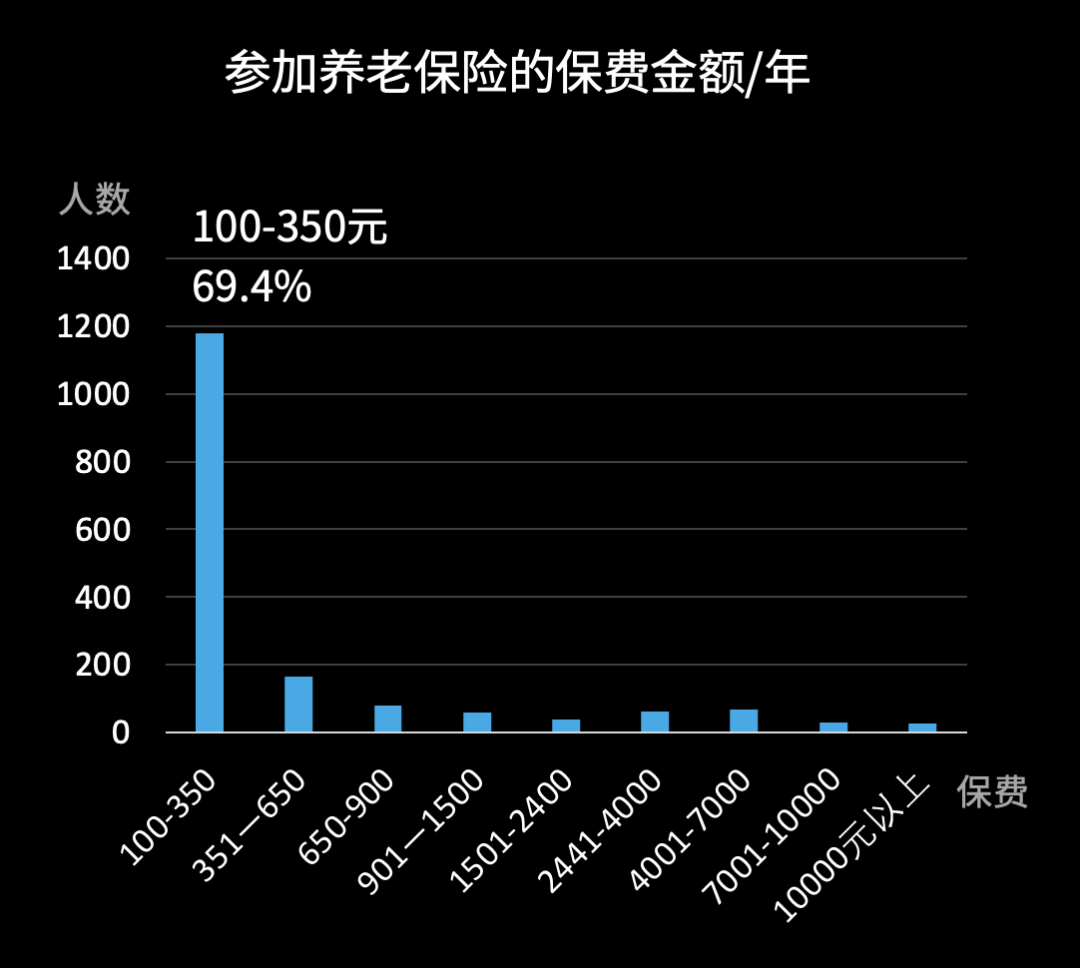
Brother Zhou, the interviewee, started paying the new rural insurance in 2012, and it will be 15 years in 4 years. I calculated a bill for him, and he was stunned after the calculation – he now has 2,600 yuan in his account. According to the method of calculating the pension, he can only get 40 yuan per month after retirement at the age of 60. Plus the basic pension of 140 to 150 yuan, which is universally available from the state, he may finally get 190 yuan.
Is this 190 yuan enough for them to survive? I think we should put a big question mark.
Therefore, the “eviction order” of construction sites for 60-year-old migrant workers is fatal, and it has almost blocked the only possible livelihood of the first generation of migrant workers.
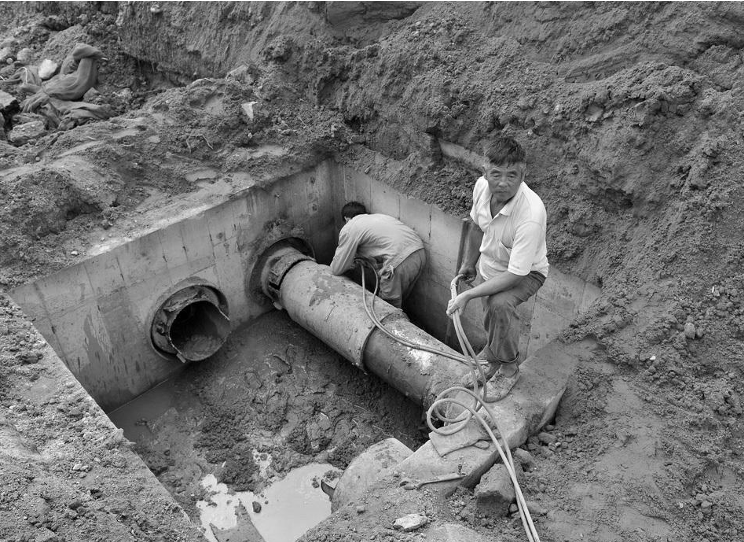 ▲ Source: China Daily
Why do they have to go to the construction site? Because even the first generation of migrant workers around the age of 60 can basically get a salary of about 300 yuan per day on the construction site. If this door is closed, their daily wage for doing cleaning or service staff in the community is 60 to 80 yuan.
For the first generation of migrant workers, saving money quickly and saving more money is their urgent need, but now this kind of opportunity is slowly becoming scarce.
But what is different from our cognition is that the first generation of migrant workers have experienced so many hardships in their working life, and most of them are still grateful to the times. They did not overemphasize their difficulties, but thanked the times for giving them the opportunity to work outside, giving them jobs and income, and making them feel more secure.
In the years of doing research on migrant workers, I often listen to their stories face to face, and my own parents and brothers and sisters are also the first generation of migrant workers, so I often feel moved. In fact, it is difficult to maintain academic value neutrality when organizing materials or writing articles.
As the brothers, sisters, and children of the first generation of migrant workers, I want to thank our family for the smoke from the ancestral tomb, because I was admitted to university. If I hadn’t been admitted to university, I would now be one of the millions of the first generation of migrant workers. Therefore, the concern and empathy for the first generation of migrant workers should be another nature of myself.
Thank you very much for the many first-generation migrant workers who accepted the interviews and shared their life course and confusion without reservation. I would also like to thank the students and the society for their help and support in this research.
Thank you all.
Professor Qiu and the team’s monograph on the first generation of migrant workers and rural elderly:
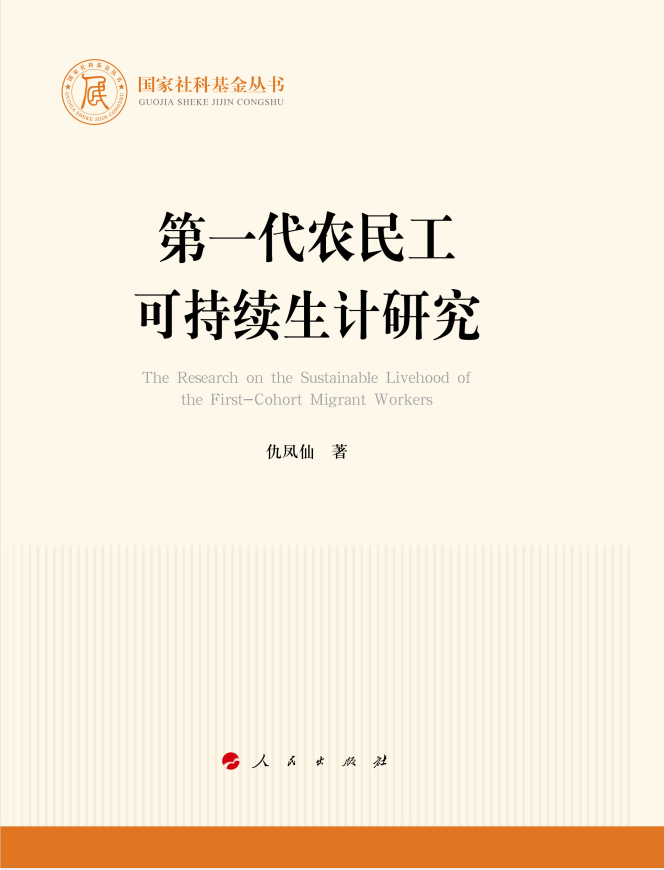
“Research on Sustainable Livelihoods of the First Generation of Migrant Workers”
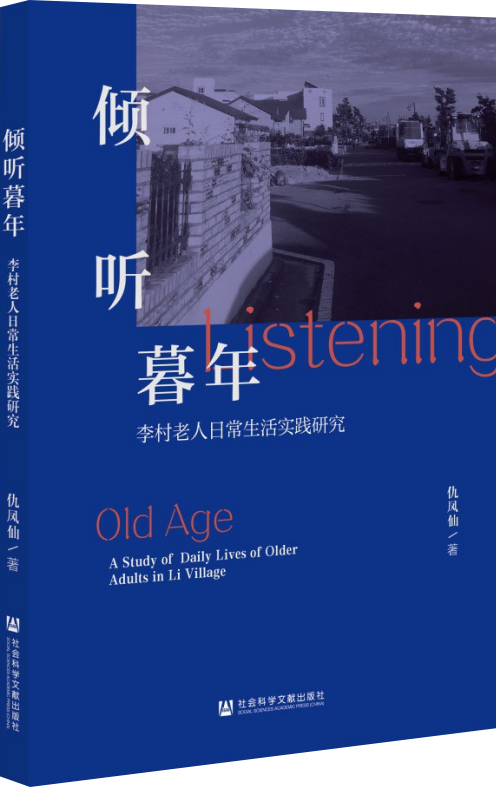
“Listening to the Twilight Years: A Study of the Daily Life Practices of the Elderly in Licun”
Editing丨Star
Discover more from 自由档案馆
Subscribe to get the latest posts sent to your email.