In August and September of last year, introduced by a friend, I had a brief collaboration with a local stand-up comedy company in Guangzhou (called “Dongduk Xiao” in Cantonese-speaking areas). They planned to have a show at the show venue on New Year’s Day. The script volume was huge, and time was tight, so they needed me to help co-create the stand-up comedy scripts.
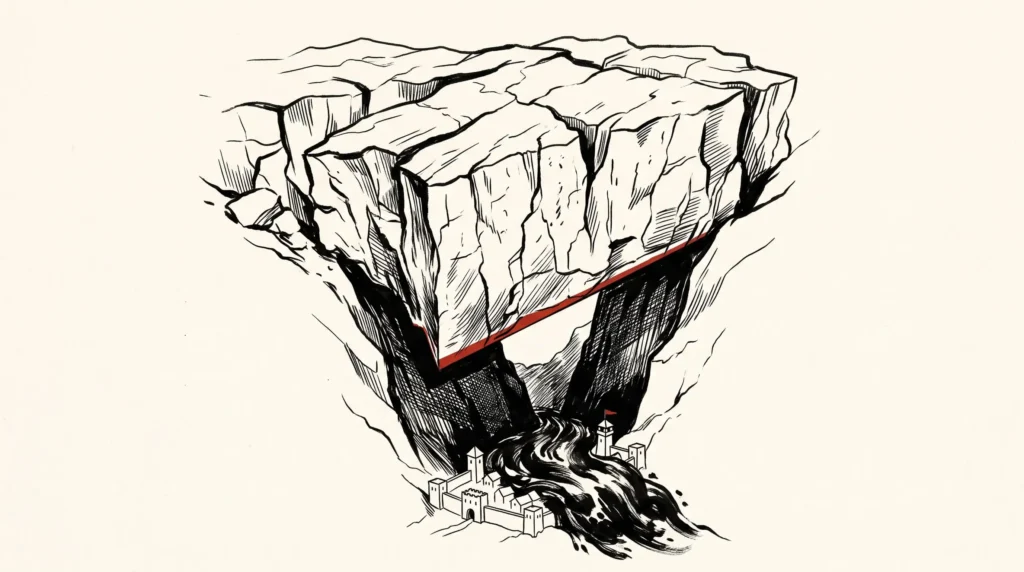
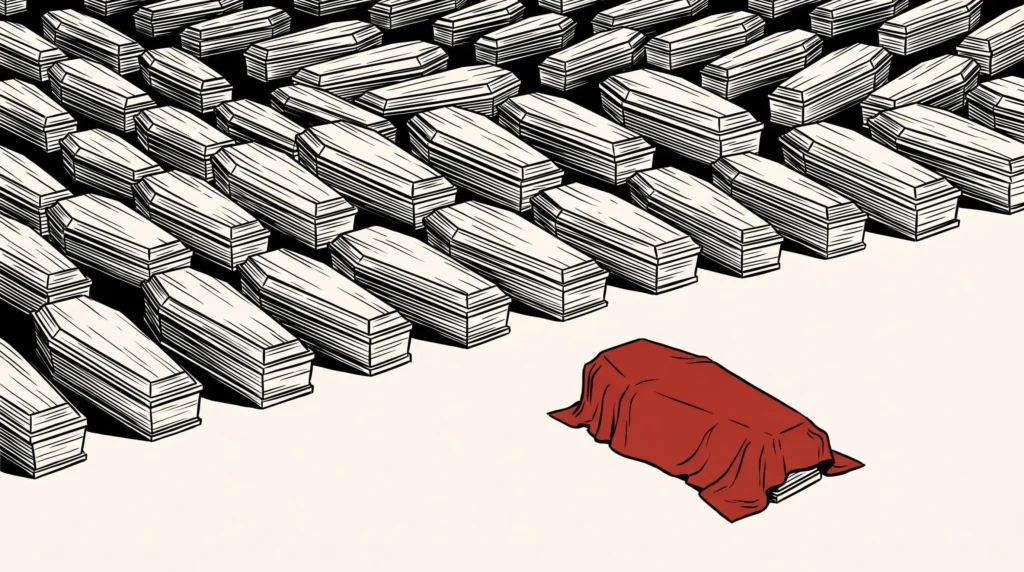
Before the work began, the person in charge of the company sent me a Word document, which contained some introductions to the company’s culture and a long list of taboo topics, which were arranged internally by the company based on industry conditions. It stated that the script content should not involve leaders, officials, affairs, homosexuality, gambling, poverty, epidemics, and other topics. There was no room for discussion of these topics at all, and they would be completely passed over. Writing them would be in vain and needed to be directly avoided.
At first, the screenwriters wrote their own jokes and then submitted them to the editor-in-chief for selection. The editor-in-chief deconstructed, categorized, and integrated the content, and then sent it to the screenwriters for polishing, adding details and connecting bridges.
When the script looked polished, it was handed over to the front of the stage for a trial performance. Some gags were generally effective, with no response or explosive points, so it was necessary to consider removing them; some gags seemed good, and everyone needed to “brainstorm” to see if they could be deepened, whether it should be used as a turning point, or to connect the previous and the following, or to echo each other.
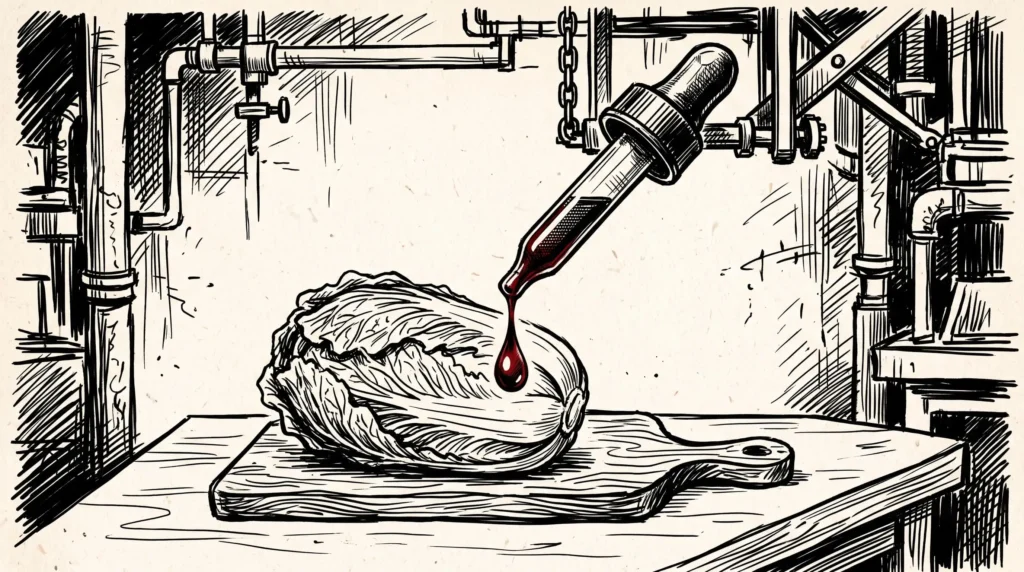
The most troublesome thing was dealing with the censorship. A lot of time had to be spent every day in meetings, and the discussion mainly revolved around “this gag is very explosive but too bold, make it milder”, “will this content produce additional negative associations?”, “will this gag cause negative comments, is there a possibility of being reported?”, “is it appropriate to use this topic to ride on the recent hot topic, will it be sensitive?”.
This internal censorship made me very tired. I remember that I wrote a “health code” gag, which was effective, but everyone held five meetings for this, discussing whether “health code” would involve the topic of “epidemic”.
There was also a gag about “how to identify Chaoshan people on the bus”, satirizing Chaoshan people as “mama’s boys”, “superstitious”, and “preferring sons to daughters”. Two meetings were held, and it was decided to remove the gag of “preferring sons to daughters” because of the fear of being reported for “fighting” (after all, the case of Sister Li).
Including some movie gags, such as the “Ah Gong” from Johnnie To’s “Election” and the integration of “I welcome tourism”, were also passed.
After the internal review, not a single word could be screened out (self-proclaimed), and it was passed unanimously. The next step was to report the performance to the relevant departments and submit the content and script for review.
The review by the relevant departments is never smooth, and it is necessary to hold back a few times, otherwise, it will seem that they are not professional. But the feedback is always vague, without any substantive explanation and accurate modification suggestions. Everyone can only continue to hold meetings, ponder the dissatisfaction of the superiors, and modify the script from the inside out.
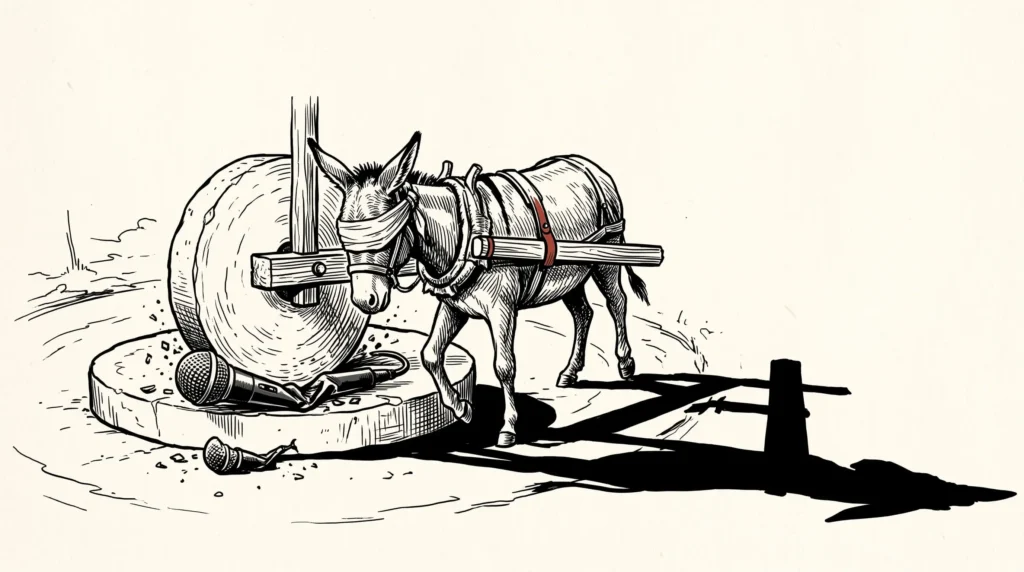
I am not clear about the remaining steps, and I stopped at this step. In my opinion, this industry needs to spend 80% of its energy creating content and then spend 500% of its time and energy to deal with censorship, which is a huge waste of resources and a waste of youth – it is completely uninteresting and worthless.
Later, due to the outbreak of the epidemic, the show venue was closed, and the scheduled New Year’s Day show was also canceled, and I said goodbye to this industry that I had briefly worked with. Fortunately, the commission was paid to me in full.
I believe that large companies with influence like Xiaoguo, the internal censorship and taboo topics are definitely more exaggerated than the company I cooperated with, and the jokes that can be put on the street are already like soaking ice cubes in cold drinks. Not to mention the strict review by the relevant departments.
Now, internal censorship and departmental censorship, both think there is no problem, but it caused trouble when it was put on the stage, and the result was only to punish a hosting company. Then I am very curious, what is the meaning of the existence of this relevant department that passed the performance review?
At the same time, I also admire the people, who will be bullied but cannot speak out, who doze off during work hours but cannot argue, a serious screen, but they are not clear about who they should supervise and who they can supervise.
Discover more from 自由档案馆
Subscribe to get the latest posts sent to your email.