The middle class, who care about current affairs and social issues, once again feel let down after observing the follow-up developments of the deadly fire at Beijing Changfeng Hospital. Information openness and transparency, media’s active role, and responses that respect humanity, aspects they highly value, have been unsatisfactory, even failing to reach historical standards. These disappointments constitute the critical angle in the fire’s public opinion.
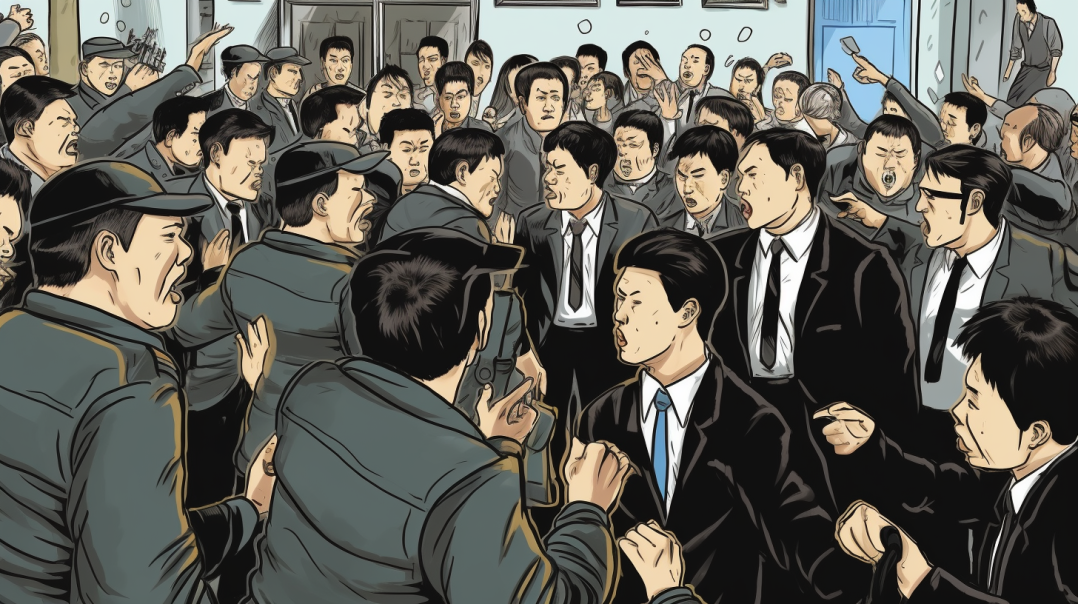
The middle class are good at calculations; they calculated an 8-hour time difference between the fire and the official disclosure of the brief report. In other words, before the report, the public was completely unaware of such a deadly fire. This realization angered them, and then produced horror. This must be a moment of disillusionment, with at least three realities being revealed.
Firstly, those in the public service who possess the most information can completely control the leakage of disaster information if they wish. A major accident involving 29 deaths is an undeniable public disaster, but its information presentation can be kept completely secret. This fact helps the middle class understand that they are facing a group of rulers with astonishing determination and discipline.
Secondly, the 8-hour fire blank once again mocks the exaggerated statement that “everyone is a media outlet.” Thinking that everyone having an account equals everyone having a microphone, and thus can carry out “everyone is a disseminator,” seems to be another false hope. This helps the middle class understand the media environment they are in; they are a lonely existence amidst the clamor.
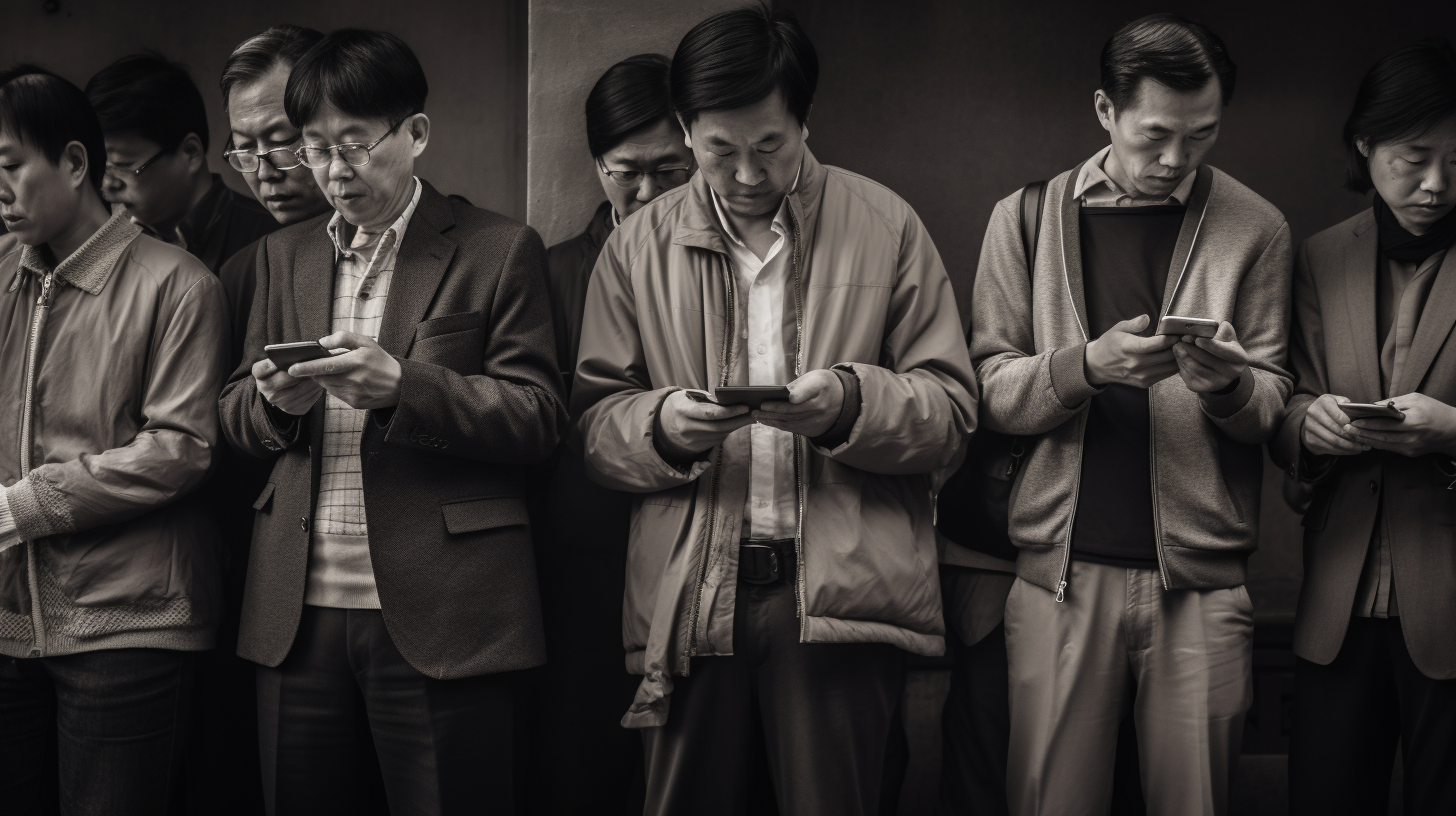
Thirdly, the fire made the middle class repeat the lament of “the media is dead,” and because it does not involve feminist angles, this lament is less disturbed by rhetoric and is more easily heard by others of the same kind. The media and journalists are once again pushed onto the cross of journalistic ethics for public display. And we know that in the absence of news, criticizing journalistic ethics has long been the norm.
Upon closer examination, these three realities converge and run through the middle class’s discussion of the fire, the essence of which is to seek a third type of disaster narrative between street talk and official reports. This disaster narrative despises the crudeness of street talk, but more importantly, it hopes for more accurate facts and verifiable truths, so that they can break away from the single source of official narrative.
This kind of information demand can be regarded as the middle class’s inherent pursuit to distinguish themselves from the lower classes and the ruling elite. Unfortunately, as the mass media exits the marketization stage, the middle class is forced to accept the reality of news exhaustion in terms of information supply. Street talk is very noisy, and the control of information flow by governance is almost instinctive; they are suspended in the national situation.
Information flow was once a force the middle class could rely on, and they once recognized marketized media as their beloved allies. But in the dissemination pattern of the Beijing fire incident, the middle class got nothing but disappointment. Rather than saying they are disappointed with the media’s absence, it is better to say they are afraid of the loss of their class identity, because they regard “being down-to-earth” as a taboo.
In the currently popular social media, Douyin and Kuaishou are the most “down-to-earth” information mediums and dissemination platforms. “Down-to-earth” means that they unconsciously accept the class perspective from top to bottom, and at the same time unconsciously accept the most harmless role arrangement in the information pattern. “Every kind of life” is emphasized, which is a rhetorical device for propaganda and beautification, and does not equal “everyone is a journalist.”
The middle class’s distress lies in the fact that they cannot share this experience with the upper and lower classes. The information flow strictly follows the class trend, and the news supply is not very sufficient, making them have to endure the torment of news scarcity when they try to maintain an open mind. And the resistance to this scarcity has evolved into a resilient core force in public opinion, and public opinion has become a foothold for limited class communication.
The 8-hour silence period of the Beijing hospital fire is probably the preparation period for the official narrative. As soon as the 17-minute information press conference on the afternoon of the 19th opened, it could be clearly perceived that promoting this official narrative was already a predetermined strategy. The 29 victims deserve an official, procedural press conference, and naturally deserve the launch of 29 special teams. In contrast, the third type of narrative is still wandering outside.
Unlike the middle class’s mourning of “the media is dead” on the evening of the 18th, the institutional media seemed to have reacted on the 19th, launching a batch of data-integrated reports mainly targeting the private capital background of Changfeng Hospital. During this period, Caixin was the first to present internal on-site pictures of the fire scene. Until the afternoon of the 19th, institutional media were still striving to occupy more information points, but not enough to constitute their own narrative.
So far, based on the “8-hour information vacuum + 17-minute press conference” established official fire narrative, it is still not threatened by the media narrative and still stands in the information flow and public opinion field. The core personnel involved are under criminal detention and cannot be contacted, and the continuous maintenance of the official narrative by the 29 special teams has become a challenge that institutional media cannot overcome when establishing a third type of narrative.
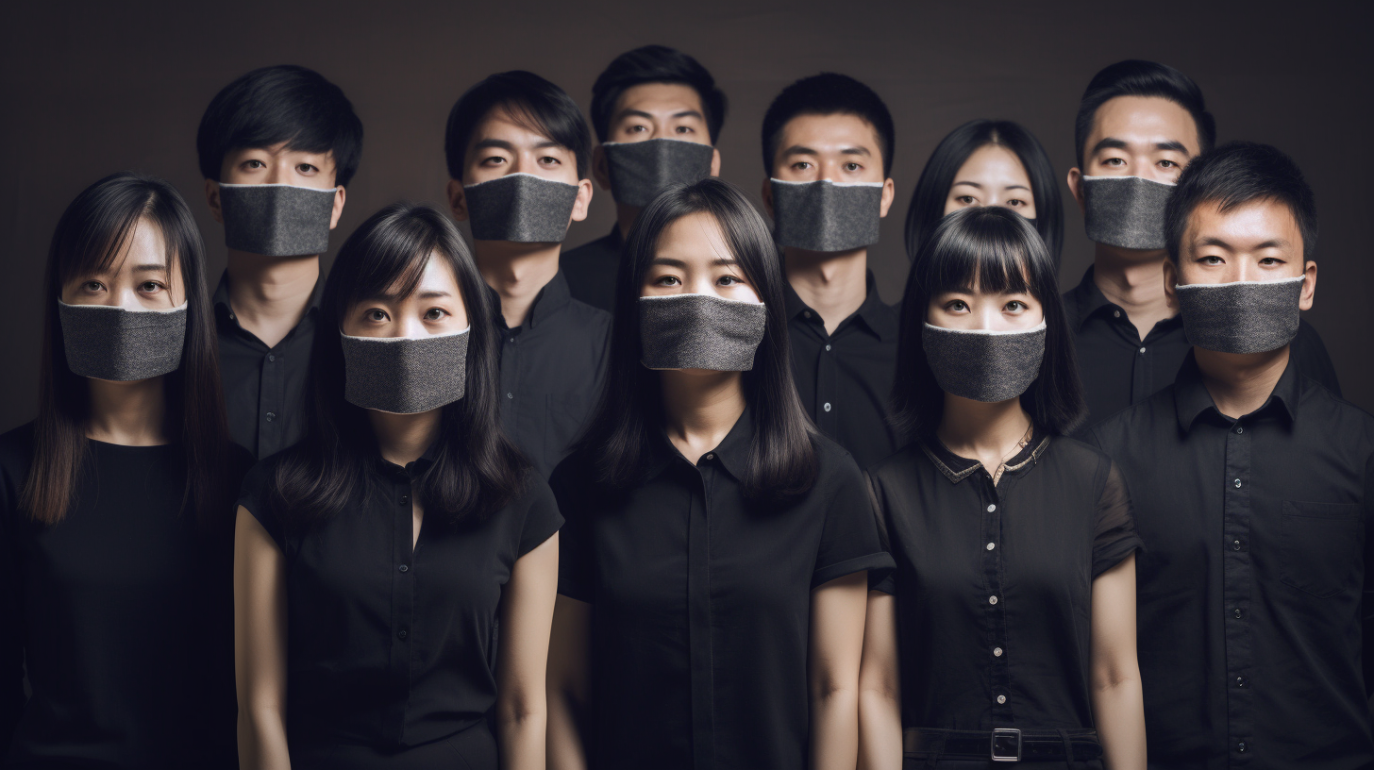
But in the open space between street talk and official narrative, there are too many unknown, risk-taking, evil lone wolves, and even greater and more uncertain contradictions. The third-party narrative of institutional media could have become a proper pressure relief outlet, but now it is often blocked, indirectly raising class distinctions. Once a hard landing and strong collision occur, the potential energy is unpredictable.
A very likely result is that the official narrative of the Changfeng Hospital fire and street talk go hand in hand, dominating the depiction of the fire’s appearance and historical memory. The middle class is very clear about these two narratives, which are both lenient and strict, but they are suffering from the scattering of their allies into the clouds, and they may have to continue to swallow the defeat in the narrative competition, sort out their disappointment and expectations, and wait for the next disaster to bring about change.
Discover more from 自由档案馆
Subscribe to get the latest posts sent to your email.